


Haval is pretty close to selling 2000 vehicles and PCSA is now in the Top 15
-
- News
-
Categories
- 5G
- ADSL
- AI
- Banking
- Black Friday
- Broadband
- Broadcasting
- Business
- Business Telecoms
- Cellular
- Cloud and Hosting
- Columns
- Cryptocurrency
- Energy
- Enterprise
- Fibre
- Gadgets
- Gaming
- Government
- Hardware
- Industry News
- Internet
- Internet of Things
- Investing
- IT Services
- Motoring
- Reviews
- Science
- Security
- Smartphones
- Software
- Technology
- Telecoms
- Trending
- Wireless
- Press Office
- Forum
- Industry News
- What's Next
- Company hub
- Speed Test
- About us
- Advertise with us
- Contact
- Careers
-
Join the MyBroadband community
South Africa’s biggest forum. Discuss, discover, and connect with thousands of members.
-
Question of the Day: Are you collecting Checkers Stickables?
- Forums
- General discussions
- Motoring and Transportation: Cars, Bikes and Plane
- General Motoring News and Reviews
You are using an out of date browser. It may not display this or other websites correctly.
You should upgrade or use an alternative browser.
You should upgrade or use an alternative browser.
The SA Vehicle Industry Thread
- Thread starter FiestaST
- Start date

FiestaST
Honorary Master
South Africa’s 3 best-selling cars and bakkies: May 2021
South Africa’s new vehicle industry continued on its path of moderate recovery in May 2021. According to Naamsa, a total of 38 337 vehicles were sold last month, which is a 7,6 percent gain over April. It’s not fair to compare the figures to May last year, as South Africa was on Level 4 of lockdown, but for what it’s worth the market grew by 197,8 percent year-on-year.
Light commercial vehicles led the year-on-year growth, at 288,5 percent, while passenger cars saw a 169,0 percent gain.
South Africa’s top sellers
Naamsa no longer releases individual sales figures, however WesBank has revealed the top three passenger car and bakkie model line-ups for May 2021.
As you would have expected, the Toyota Hilux topped the sales charts once again, with 3 700 of these bakkies finding homes during May. It was followed by the Ford Ranger, at 1 972, and the Isuzu D-Max, at 1 540.
On the passenger car front, the Volkswagen Polo led with 2 100 sales, followed by its older-generation Polo Vivo sibling (1432) and Toyota Fortuner (872).

 www.carmag.co.za

South Africa’s new vehicle industry continued on its path of moderate recovery in May 2021. According to Naamsa, a total of 38 337 vehicles were sold last month, which is a 7,6 percent gain over April. It’s not fair to compare the figures to May last year, as South Africa was on Level 4 of lockdown, but for what it’s worth the market grew by 197,8 percent year-on-year.
Light commercial vehicles led the year-on-year growth, at 288,5 percent, while passenger cars saw a 169,0 percent gain.
South Africa’s top sellers
Naamsa no longer releases individual sales figures, however WesBank has revealed the top three passenger car and bakkie model line-ups for May 2021.
As you would have expected, the Toyota Hilux topped the sales charts once again, with 3 700 of these bakkies finding homes during May. It was followed by the Ford Ranger, at 1 972, and the Isuzu D-Max, at 1 540.
On the passenger car front, the Volkswagen Polo led with 2 100 sales, followed by its older-generation Polo Vivo sibling (1432) and Toyota Fortuner (872).
South Africa’s 3 best-selling cars and bakkies: May 2021 - CAR Magazine
South Africa’s new vehicle industry continued on its path of moderate recovery in May 2021. According to Naamsa, a total of 38 337 vehicles were […]
www.carmag.co.za
FiestaST
Honorary Master
'Ongoing upturn in 2021 encouraging' as new vehicle sales flourish in May - NADA

 www.news24.com
'Ongoing upturn in 2021 encouraging' as new vehicle sales flourish in May - NADA | Life
New vehicle sales in South Africa continue to outpace forecasts as the industry recovers from the dire situation it experienced a year ago.
www.news24.com
FiestaST
Honorary Master
New Car Sales in SA: May 2021
New Car Sales in South Africa for May 2021
- Aggregate new vehicle sales of 38 337 units up by 197.8% (+25 463 units) compared to the 12 874 units sold in May 2020.
- Passenger car sales of 24 122 units up by 169.0% (+15 156 units) compared to the 8 966 units sold in May 2020.
- Light Commercial Vehicle (LCV) sales of 11 930 units up by 288.5% (+8 859 units) compared to the 3 071 units sold in May 2020.
- Export sales of 35 326 units up by 196.8% (+23 425 units) compared to the 11 901 units expired in May 2020.
Top 10 Best Selling Car Brands in South Africa for May 2021
1. Toyota - 9 882 units
2. Volkswagen - 5 579 units
3. Ford - 2 910 units
4. Hyundai - 2 836 units
5. Suzuki - 2 034 units
6. Isuzu - 1 818 units
7. Haval - 1 782 units
8. Nissan - 1 746 units
9. Kia - 1 521 units
10. Renault - 1 511 units
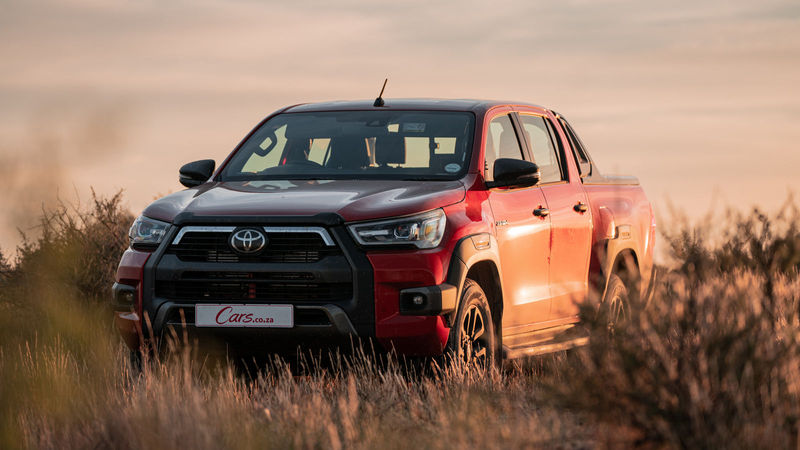
 www.cars.co.za
New Car Sales in South Africa for May 2021
- Aggregate new vehicle sales of 38 337 units up by 197.8% (+25 463 units) compared to the 12 874 units sold in May 2020.
- Passenger car sales of 24 122 units up by 169.0% (+15 156 units) compared to the 8 966 units sold in May 2020.
- Light Commercial Vehicle (LCV) sales of 11 930 units up by 288.5% (+8 859 units) compared to the 3 071 units sold in May 2020.
- Export sales of 35 326 units up by 196.8% (+23 425 units) compared to the 11 901 units expired in May 2020.
Top 10 Best Selling Car Brands in South Africa for May 2021
1. Toyota - 9 882 units
2. Volkswagen - 5 579 units
3. Ford - 2 910 units
4. Hyundai - 2 836 units
5. Suzuki - 2 034 units
6. Isuzu - 1 818 units
7. Haval - 1 782 units
8. Nissan - 1 746 units
9. Kia - 1 521 units
10. Renault - 1 511 units
New Car Sales in SA: May 2021
Take a look at how new car sales performed in South Africa in May 2021. As the South African economy desperately tries to recover from the devastating impact of the Covid-19 pandemic and with the onset of the third wave of infections, the future remains uncertain. In May 2020, South Africa was...
FiestaST
Honorary Master
Industry insight: car sales show glimmer of hope, but we’re still in hot water
A year ago, motor vehicle retailers were resuming sales under Alert Level 4 and the market mustered 12 874 sales during May 2020. One year later and the picture remains subdued, albeit with more stability as the market recovery continues to gain some momentum. According to Naamsa, the new vehicle market sold 38 337 units during May this year. While unfair to compare this against May 2020 (up 197.8 percent), it is noteworthy that this represents a 7.6 percent growth over last month’s sales.
“The market continues its slow recovery in the face of a number of challenges and opportunities,” says Lebogang Gaoaketse, Head of Marketing and Communication at WesBank. “Interest rates remain at historical lows, providing some of the most affordable finance and consequently opportunities to purchase a new vehicle. However, price inflation against the backdrop of a subdued economy continues to be a barrier for many purchase decisions.”
According to the latest Vehicle Pricing Index (VPI) released by TransUnion during May, new vehicle prices in South Africa rose at nearly three times the general inflation rate during the first quarter of 2021.
“When measured against WesBank’s average deal size, we can see a similar trend in the amount of finance to access these vehicle purchases,” says Gaoaketse. “Compared to a year ago, new vehicle finance agreements through our book are averaging a deal size of R356 313, up 11,2 percent, while pre-owned deals average R253 537, an increase of 10,6 percent.”

 www.iol.co.za
A year ago, motor vehicle retailers were resuming sales under Alert Level 4 and the market mustered 12 874 sales during May 2020. One year later and the picture remains subdued, albeit with more stability as the market recovery continues to gain some momentum. According to Naamsa, the new vehicle market sold 38 337 units during May this year. While unfair to compare this against May 2020 (up 197.8 percent), it is noteworthy that this represents a 7.6 percent growth over last month’s sales.
“The market continues its slow recovery in the face of a number of challenges and opportunities,” says Lebogang Gaoaketse, Head of Marketing and Communication at WesBank. “Interest rates remain at historical lows, providing some of the most affordable finance and consequently opportunities to purchase a new vehicle. However, price inflation against the backdrop of a subdued economy continues to be a barrier for many purchase decisions.”
According to the latest Vehicle Pricing Index (VPI) released by TransUnion during May, new vehicle prices in South Africa rose at nearly three times the general inflation rate during the first quarter of 2021.
“When measured against WesBank’s average deal size, we can see a similar trend in the amount of finance to access these vehicle purchases,” says Gaoaketse. “Compared to a year ago, new vehicle finance agreements through our book are averaging a deal size of R356 313, up 11,2 percent, while pre-owned deals average R253 537, an increase of 10,6 percent.”
Industry insight: car sales show glimmer of hope, but we’re still in hot water
As the country adapts to adjusted Level 2 lockdown regulations, the impacts of the pandemic remain high on the motor industry’s agenda
FiestaST
Honorary Master
SA car sales | Low interest rates afford local buyers greater success at vehicle financing
 www.news24.com
SA car sales | Low interest rates afford local buyers greater success at vehicle financing | Life
While unfair to compare May 2021's strong sales against May 2020, it is noteworthy that the sales figure represents a 7.6% growth over April 2021.
www.news24.com
FiestaST
Honorary Master
Consumer confidence on the up as dealer sales rise in May
An encouraging sign from May’s new vehicle sales is the fact that 87,8% of total reported sales are attributed to retail dealers. “Strong sales through the retail dealer channel means there is an improvement in consumer confidence,” says Mark Dommisse, the Chairperson of the National Automobile Dealers’ Association (NADA).
Last month saw a 7,6% increase compared to April’s sales to finish on a total of 38 337 vehicles.
This time last year was markedly different for vehicle retail dealers. The government had just allowed dealers to resume retail sales, albeit at limited capacity as the coronavirus pandemic tightened its grip on the world.
It’s a waste of time to compare year-on-year sales data as the country’s dealers were reeling from lockdown measures put in place by government. By focusing on April and May’s positive sales positive figures, NADA’s Dommisse says the renewed vigour in dealers is a sign of an upward trend in consumer confidence.
 www.carmag.co.za
An encouraging sign from May’s new vehicle sales is the fact that 87,8% of total reported sales are attributed to retail dealers. “Strong sales through the retail dealer channel means there is an improvement in consumer confidence,” says Mark Dommisse, the Chairperson of the National Automobile Dealers’ Association (NADA).
Last month saw a 7,6% increase compared to April’s sales to finish on a total of 38 337 vehicles.
This time last year was markedly different for vehicle retail dealers. The government had just allowed dealers to resume retail sales, albeit at limited capacity as the coronavirus pandemic tightened its grip on the world.
It’s a waste of time to compare year-on-year sales data as the country’s dealers were reeling from lockdown measures put in place by government. By focusing on April and May’s positive sales positive figures, NADA’s Dommisse says the renewed vigour in dealers is a sign of an upward trend in consumer confidence.
Consumer confidence on the up as dealer sales rise in May - CAR Magazine
An encouraging sign from May's new vehicle sales is the fact that 87,8% of total reported sales is attributed to retail dealers.
www.carmag.co.za
FiestaST
Honorary Master
Here’s how the various Toyota models sold in May 2021
As you might know, industry body Naamsa no longer supplies individual vehicle sales figures to the media, but that doesn’t stop the manufacturers from telling us how well some of their models sold.
Toyota South Africa has done exactly that, given that it had yet another boast worthy month in May 2021, in which the company achieved a 17,9 percent overall market share from its 9 882 unit sales.
There’s no guessing which vehicle was the manufacturer’s top seller, but let’s take a look at how the other models sold by comparison.
Toyota Hilux – 3 700
Toyota Hiace – 1 331
Toyota Fortuner – 872
Toyota Urban Cruiser – 717
Toyota Starlet – 651
Toyota Corolla Quest – 614
Toyota Agya (517)
Suzuki has yet to release any sales figures for its models, but it’s interesting to note how well the Maruti Suzuki based Toyotas are selling, with the Urban Cruiser passing the 700 unit mark and Starlet coming close. Toyota does enjoy a slight advantage in the fleet car sector as the Starlet is cheaper than the Baleno in base form (R213 200 versus R221 900).
 www.carmag.co.za
As you might know, industry body Naamsa no longer supplies individual vehicle sales figures to the media, but that doesn’t stop the manufacturers from telling us how well some of their models sold.
Toyota South Africa has done exactly that, given that it had yet another boast worthy month in May 2021, in which the company achieved a 17,9 percent overall market share from its 9 882 unit sales.
There’s no guessing which vehicle was the manufacturer’s top seller, but let’s take a look at how the other models sold by comparison.
Toyota Hilux – 3 700
Toyota Hiace – 1 331
Toyota Fortuner – 872
Toyota Urban Cruiser – 717
Toyota Starlet – 651
Toyota Corolla Quest – 614
Toyota Agya (517)
Suzuki has yet to release any sales figures for its models, but it’s interesting to note how well the Maruti Suzuki based Toyotas are selling, with the Urban Cruiser passing the 700 unit mark and Starlet coming close. Toyota does enjoy a slight advantage in the fleet car sector as the Starlet is cheaper than the Baleno in base form (R213 200 versus R221 900).
Here’s how the various Toyota models sold in May 2021 - CAR Magazine
As you might know, industry body Naamsa no longer supplies individual vehicle sales figures to the media, but that doesn’t stop the manufacturers from telling […]
www.carmag.co.za
FiestaST
Honorary Master
SA car sales | These six vehicles sold the most number of units in May 2021
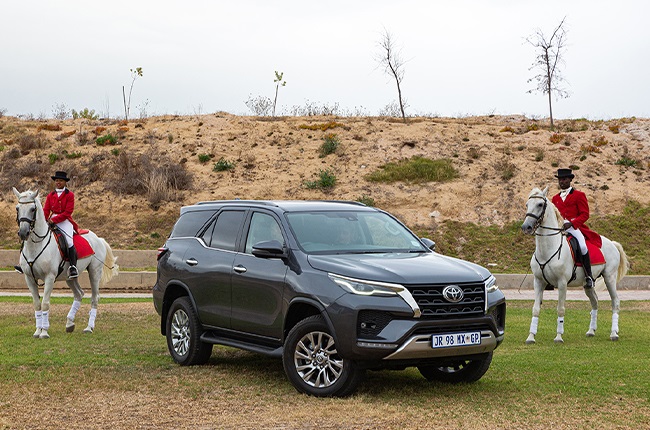 www.news24.com
SA car sales | These six vehicles sold the most number of units in May 2021 | News24
May 2021 saw new vehicle sales in South Africa register the highest figure yet for the year. These vehicles sold the most number of units.
www.news24.com
FiestaST
Honorary Master
Fiat to become electric-only brand worldwide by 2030
Italian manufacturer will aim to improve access to electric cars and lower the barrier to entry
Italian manufacturer Fiat has committed to becoming an electric-only brand by 2030, pledging to phase out all combustion-engined models from its global line-up from 2025 onwards.
The firm recently launched a new electric-only version of its hugely popular 500 city car, which will be sold alongside the existing combustion-engined 500. The firm said it wanted to improve access to electric cars, lower the barrier to entry, including improving the charging infrastructure, and contribute towards improving air quality.
“Between 2025 and 2030, our product line-up will gradually become electric only. This will be a radical change for Fiat,” said Fiat boss Olivier François.
“The decision to launch the new 500 – electric and electric alone – was actually taken before Covid-19. Even then, we were already aware that the world could not take any more compromises. We were reminded of the urgency of taking action, of doing something for the planet Earth.”

 www.autocar.co.uk
Italian manufacturer will aim to improve access to electric cars and lower the barrier to entry
Italian manufacturer Fiat has committed to becoming an electric-only brand by 2030, pledging to phase out all combustion-engined models from its global line-up from 2025 onwards.
The firm recently launched a new electric-only version of its hugely popular 500 city car, which will be sold alongside the existing combustion-engined 500. The firm said it wanted to improve access to electric cars, lower the barrier to entry, including improving the charging infrastructure, and contribute towards improving air quality.
“Between 2025 and 2030, our product line-up will gradually become electric only. This will be a radical change for Fiat,” said Fiat boss Olivier François.
“The decision to launch the new 500 – electric and electric alone – was actually taken before Covid-19. Even then, we were already aware that the world could not take any more compromises. We were reminded of the urgency of taking action, of doing something for the planet Earth.”
Fiat to become electric-only brand worldwide by 2030 | Autocar
Italian manufacturer will aim to improve access to electric cars and lower the barrier to entry
www.autocar.co.uk
FiestaST
Honorary Master
Africa's automotive industry is booming, incorporating various trades and skills
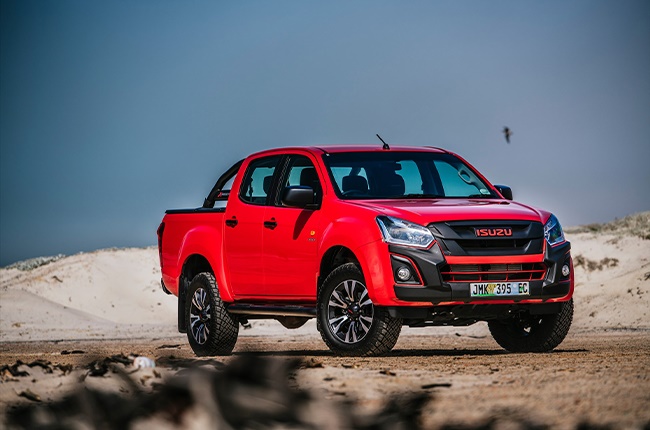
 www.news24.com
Africa's automotive industry is booming, incorporating various trades and skills | News24
CNN International's Eleni Giokos hits the road to talk about cars and explores the value chains driving transformation in Africa's auto industry.
www.news24.com
FiestaST
Honorary Master
Here are South Africa’s top 10 most searched for SUVs for around R1 million
For a growing number of South African motorists, there’s nothing better than a luxury sports utility vehicle (SUV). We see it in the monthly sales figures; this unabated rise in uptake of multi-million Rand high-riding luxo-barges. After all, SUVs arguably offer the practicality of an off-roader combined with the luxurious drive of a limousine. And while we’d love a brand new Lamborghini Urus or Bentley Bentayga or Aston Martin DBX to commute around in, chances are these vehicles are out of reach for most of us.
But, what if you set yourself a budget of R1 million (it’s not much these days considering the price of a decently specced D-segment sedan), which of these one-size-does-all vehicles do you want in the garage?
We looked at the most searched for SUVs priced between R900 000 and R1 million on AutoTrader for the period 1 January 2021 to 31 March 2021. The list includes the average price, mileage and registration year.

 www.iol.co.za

For a growing number of South African motorists, there’s nothing better than a luxury sports utility vehicle (SUV). We see it in the monthly sales figures; this unabated rise in uptake of multi-million Rand high-riding luxo-barges. After all, SUVs arguably offer the practicality of an off-roader combined with the luxurious drive of a limousine. And while we’d love a brand new Lamborghini Urus or Bentley Bentayga or Aston Martin DBX to commute around in, chances are these vehicles are out of reach for most of us.
But, what if you set yourself a budget of R1 million (it’s not much these days considering the price of a decently specced D-segment sedan), which of these one-size-does-all vehicles do you want in the garage?
We looked at the most searched for SUVs priced between R900 000 and R1 million on AutoTrader for the period 1 January 2021 to 31 March 2021. The list includes the average price, mileage and registration year.
Here are South Africa’s top 10 most searched for SUVs for around R1 million
We wanted to find out what kind of luxury lifestyle we could live for a million bucks, so we dug deep into AutoTrader’s catalogue
FiestaST
Honorary Master
Industry Insight: NADA on how new automotive industry guidelines can impact auto repair sector (and you)
The National Automobile Dealers’ Association (NADA) says it applauds the Competition Commission for recognising the significant and important role that Franchised Dealers play in the South African automotive aftermarket.
The final Guidelines for Competition in the South African Automotive Aftermarket were published by the Competition Commission on 10 December 2020 and come into effect next month, on 1 July 2021.
The Guidelines were issued to provide practical guidance to industry players towards the adoption of pro-competitive measures in the automotive aftermarket and to promote greater participation of small businesses and historically disadvantaged individuals in the industry.
It has taken more than three years to finalise, with input from a variety of industry stakeholders including recommendations from NADA, which represents more than 1400 franchise dealers across South Africa.
“We have worked closely with the Competition Commission to ensure that the consumer’s best interests in terms of safety and vehicle value are at the fore. The franchised dealer sector is a massive jobs creator and plays an integral part in the economy as well as the broader communities they sustain,” says Mark Dommisse, Chairperson of NADA.

 www.iol.co.za
The National Automobile Dealers’ Association (NADA) says it applauds the Competition Commission for recognising the significant and important role that Franchised Dealers play in the South African automotive aftermarket.
The final Guidelines for Competition in the South African Automotive Aftermarket were published by the Competition Commission on 10 December 2020 and come into effect next month, on 1 July 2021.
The Guidelines were issued to provide practical guidance to industry players towards the adoption of pro-competitive measures in the automotive aftermarket and to promote greater participation of small businesses and historically disadvantaged individuals in the industry.
It has taken more than three years to finalise, with input from a variety of industry stakeholders including recommendations from NADA, which represents more than 1400 franchise dealers across South Africa.
“We have worked closely with the Competition Commission to ensure that the consumer’s best interests in terms of safety and vehicle value are at the fore. The franchised dealer sector is a massive jobs creator and plays an integral part in the economy as well as the broader communities they sustain,” says Mark Dommisse, Chairperson of NADA.
Industry Insight: NADA on how new automotive industry guidelines can impact auto repair sector (and you)
The National Automobile Dealers’ Association offers a franchised view on what happens when you choose your own repairer
FiestaST
Honorary Master
Paywall:
Four facts we now know about SA's motor industry, thanks to Right to Repair
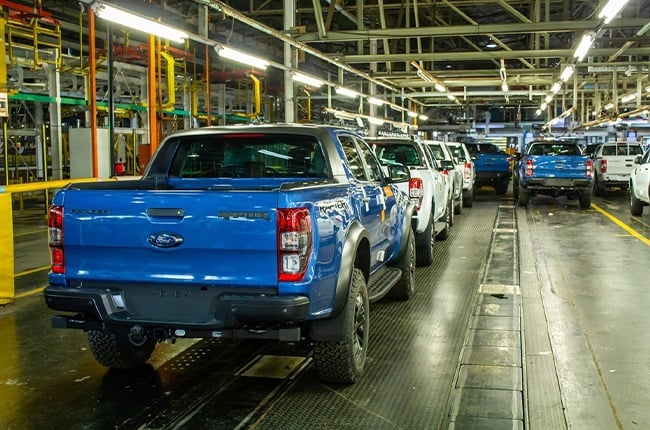 www.news24.com
Four facts we now know about SA's motor industry, thanks to Right to Repair
Four facts we now know about SA's motor industry, thanks to Right to Repair | News24
While lots has been said and written about the benefits of the Guidelines to motorists, many of the nuggets of information within the report haven't been published. Here's what you should know
www.news24.com
FiestaST
Honorary Master
Paywall:
The five V12 engines left on SA’s new-car market (and the cars that use them)
 www.news24.com
The five V12 engines left on SA’s new-car market (and the cars that use them)
The five V12 engines left on SA’s new-car market (and the cars that use them) | News24
Let's be brutally honest: the mighty V12 engine's days are seriously numbered. Heck, even the V8 is staring down the barrel these days, thanks to ever-tightening emissions regulations over in Europe.
www.news24.com
FiestaST
Honorary Master
Non-OEM workshops can now service your car, but customers must respect the rules
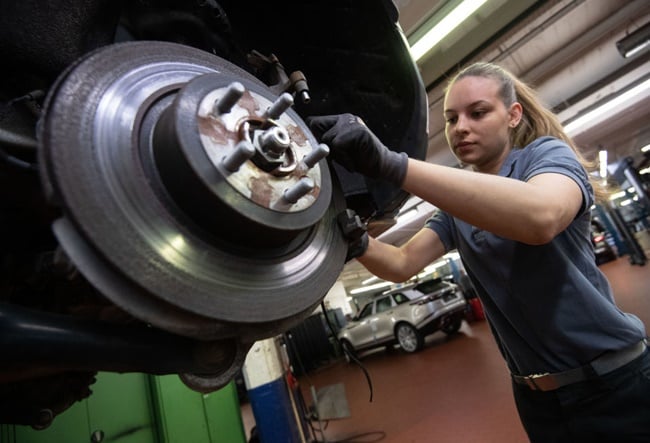 www.news24.com
Non-OEM workshops can now service your car, but customers must respect the rules | News24
After more than three years, the Competition Commission approved non-original equipment manufacturers to work on under-warranty vehicles. Mark Dommisse explains it in detail.
www.news24.com
FiestaST
Honorary Master
Dacia reveals new logo and branding for 2022 models
New visual identity arrives as Romanian firm shifts focus to off-road ability and clean energy
Dacia will move to a modernised brand identity with a new logo, emblem and khaki green colour scheme to signal its increased focus on off-road capabilities and cleaner energy.
Dacia cars will feature the new logo and emblem from the second half of 2022, with dealerships switching to the new corporate identity early next year.
The Romanian firm says the new logo, which combines and mirrors the letters ‘D’ and ‘C’ in a redefined typeface, “gives the impression of robustness and stability” and reflects the brand’s “simplistic and artful mindset”. The new branding was first shown on Dacia's Bigster concept earlier this year.
“These two new visuals are full of meaning. They reflect the robustness of Dacia vehicles, a quality that continues to serve millions of customers every day,” Dacia said. “The graphic design of the brand has been purposefully stripped back, as a reminder that this is a brand that focuses on the essentials.”
The khaki green colour scheme is said to evoke the brand’s link to nature, symbolising its vehicles' off-road capabilities, lower price points and a move to cleaner energy. The all-electric Dacia Spring is already set to go on sale in select European markets, but will not make it to the UK.
 www.autocar.co.uk


New visual identity arrives as Romanian firm shifts focus to off-road ability and clean energy
Dacia will move to a modernised brand identity with a new logo, emblem and khaki green colour scheme to signal its increased focus on off-road capabilities and cleaner energy.
Dacia cars will feature the new logo and emblem from the second half of 2022, with dealerships switching to the new corporate identity early next year.
The Romanian firm says the new logo, which combines and mirrors the letters ‘D’ and ‘C’ in a redefined typeface, “gives the impression of robustness and stability” and reflects the brand’s “simplistic and artful mindset”. The new branding was first shown on Dacia's Bigster concept earlier this year.
“These two new visuals are full of meaning. They reflect the robustness of Dacia vehicles, a quality that continues to serve millions of customers every day,” Dacia said. “The graphic design of the brand has been purposefully stripped back, as a reminder that this is a brand that focuses on the essentials.”
The khaki green colour scheme is said to evoke the brand’s link to nature, symbolising its vehicles' off-road capabilities, lower price points and a move to cleaner energy. The all-electric Dacia Spring is already set to go on sale in select European markets, but will not make it to the UK.
Dacia reveals new logo and branding for 2022 models | Autocar
New visual identity arrives as Romanian firm shifts focus to off-road ability and clean energy
www.autocar.co.uk
FiestaST
Honorary Master
Inside the industry: Has anyone done the decade better than Volvo?
The Swedish firm has used Geely cash and technology to remarkable effect
Has any marque, Tesla aside, had a better decade than Volvo? It’s set to be floated imminently at a valuation of somewhere between £15 billion and £20bn, representing quite a return for Geely, which 11 years ago took the plunge on a £1.4bn purchase that many questioned the wisdom of.
Volvo was something of a basket case, selling a meagre 373,000 cars per year, all off architecture in urgent and expensive need of updating. In turn, Geely was an aggressive, left-field buyer, with owner Li Shufu’s rise from rural peasant to multibillionaire owing much to his individual entrepreneurialism.
Most insiders from Ford’s former Premier Automotive Group (which at its height had Aston Martin, Jaguar, Land Rover, Lincoln, Mazda, Mercury and Volvo) will tell you that it was doomed to fail; that the focus on cost saving was too damaging to what were diverse businesses with their own regional biases and characteristics.
It’s worth noting, though, that one or two insist that Ford’s philosophy was right and the failure was caused by the execution of the plan being too one-dimensional.
Regardless, Geely became the first Chinese firm to own a global car maker, and as Michael Dunne recently commented in his Zozogo newsletter (a must-read for anyone following the Chinese market), a tiger was uncaged. Quite consciously, if perhaps not quite this simplistically, Geely bought Volvo, put in management, gave it funding and left it to work towards the targets set.
 www.autocar.co.uk
The Swedish firm has used Geely cash and technology to remarkable effect
Has any marque, Tesla aside, had a better decade than Volvo? It’s set to be floated imminently at a valuation of somewhere between £15 billion and £20bn, representing quite a return for Geely, which 11 years ago took the plunge on a £1.4bn purchase that many questioned the wisdom of.
Volvo was something of a basket case, selling a meagre 373,000 cars per year, all off architecture in urgent and expensive need of updating. In turn, Geely was an aggressive, left-field buyer, with owner Li Shufu’s rise from rural peasant to multibillionaire owing much to his individual entrepreneurialism.
Most insiders from Ford’s former Premier Automotive Group (which at its height had Aston Martin, Jaguar, Land Rover, Lincoln, Mazda, Mercury and Volvo) will tell you that it was doomed to fail; that the focus on cost saving was too damaging to what were diverse businesses with their own regional biases and characteristics.
It’s worth noting, though, that one or two insist that Ford’s philosophy was right and the failure was caused by the execution of the plan being too one-dimensional.
Regardless, Geely became the first Chinese firm to own a global car maker, and as Michael Dunne recently commented in his Zozogo newsletter (a must-read for anyone following the Chinese market), a tiger was uncaged. Quite consciously, if perhaps not quite this simplistically, Geely bought Volvo, put in management, gave it funding and left it to work towards the targets set.
Inside the industry: Has anyone done the decade better than Volvo? | Autocar
The Swedish firm has used Geely cash and technology to remarkable effect
www.autocar.co.uk

Crayons
Expert Member
- Joined
- Aug 8, 2019
- Messages
- 1,368
- Reaction score
- 1,399
Dacia reveals new logo and branding for 2022 models
New visual identity arrives as Romanian firm shifts focus to off-road ability and clean energy
Dacia will move to a modernised brand identity with a new logo, emblem and khaki green colour scheme to signal its increased focus on off-road capabilities and cleaner energy.
Dacia cars will feature the new logo and emblem from the second half of 2022, with dealerships switching to the new corporate identity early next year.
The Romanian firm says the new logo, which combines and mirrors the letters ‘D’ and ‘C’ in a redefined typeface, “gives the impression of robustness and stability” and reflects the brand’s “simplistic and artful mindset”. The new branding was first shown on Dacia's Bigster concept earlier this year.
“These two new visuals are full of meaning. They reflect the robustness of Dacia vehicles, a quality that continues to serve millions of customers every day,” Dacia said. “The graphic design of the brand has been purposefully stripped back, as a reminder that this is a brand that focuses on the essentials.”
The khaki green colour scheme is said to evoke the brand’s link to nature, symbolising its vehicles' off-road capabilities, lower price points and a move to cleaner energy. The all-electric Dacia Spring is already set to go on sale in select European markets, but will not make it to the UK.
Dacia reveals new logo and branding for 2022 models | Autocar
New visual identity arrives as Romanian firm shifts focus to off-road ability and clean energy
View attachment 1090691View attachment 1090693
Perfect brand for all the DC fans out there.
FiestaST
Honorary Master
South Africa’s best-selling double cab bakkies: May 2021
Although the Toyota Hilux enjoys a considerable lead over the Ford Ranger in the overall sales race, the gap is somewhat narrower when we look at the double cab sales figures. This trend continued in May 2021, according to data released by Lightstone Auto, which listed the top four sellers in each of the bakkie segments.
According to the vehicle information specialist, Toyota sold 1 698 double cab Hilux bakkies last month, while Ford managed to move a not inconsiderable 1 579 Ranger DC models. Isuzu followed in a distant third with its figure of 807 double cab D-Max bakkies, while Mahindra was fourth with 56 Pik-Up double cab sales.
In the year-to-date double cab sales race, the Toyota Hilux leads with a total of 7 737 units sold between January and May, but the Ford Ranger is not far behind with 7 518 sales recorded. Isuzu has managed 3 420 DC sales so far, while Mahindra is on 439 so far. With an all-new Ranger due in 2022, could things eventually swing in Ford’s favour?
Single cab sales – Isuzu beats Ford
In relative terms Isuzu and Mahindra are a bit stronger on the single cab front, with the former having sold 655 D-Max SC models in May, and Mahindra moving 261 Pik-Ups, whereas Ford managed just 163 single cab sales for its Ranger. Toyota, of course, still ruled the roost here, with 1 349 single cab Hilux bakkies finding homes last month. In the year-to-date race, the latter leads with 5 946 sales versus Isuzu’s 2 948, Mahindra’s 1 399 and Ford’s 1 030.
 www.carmag.co.za
Although the Toyota Hilux enjoys a considerable lead over the Ford Ranger in the overall sales race, the gap is somewhat narrower when we look at the double cab sales figures. This trend continued in May 2021, according to data released by Lightstone Auto, which listed the top four sellers in each of the bakkie segments.
According to the vehicle information specialist, Toyota sold 1 698 double cab Hilux bakkies last month, while Ford managed to move a not inconsiderable 1 579 Ranger DC models. Isuzu followed in a distant third with its figure of 807 double cab D-Max bakkies, while Mahindra was fourth with 56 Pik-Up double cab sales.
In the year-to-date double cab sales race, the Toyota Hilux leads with a total of 7 737 units sold between January and May, but the Ford Ranger is not far behind with 7 518 sales recorded. Isuzu has managed 3 420 DC sales so far, while Mahindra is on 439 so far. With an all-new Ranger due in 2022, could things eventually swing in Ford’s favour?
Single cab sales – Isuzu beats Ford
In relative terms Isuzu and Mahindra are a bit stronger on the single cab front, with the former having sold 655 D-Max SC models in May, and Mahindra moving 261 Pik-Ups, whereas Ford managed just 163 single cab sales for its Ranger. Toyota, of course, still ruled the roost here, with 1 349 single cab Hilux bakkies finding homes last month. In the year-to-date race, the latter leads with 5 946 sales versus Isuzu’s 2 948, Mahindra’s 1 399 and Ford’s 1 030.
Hilux vs. Ranger vs. D-Max: South Africa’s best-selling double cab bakkies in May 2021
Although the Toyota Hilux enjoys a considerable lead over the Ford Ranger in the overall sales race, the gap is somewhat narrower when we look at the double cab sales figures.
www.carmag.co.za