The SA Vehicle Industry Thread

Looks like BMW are the only brand with a diesel hatchback.
I also thought of BMW at first. They have the 118d. But they have no RWD hatchback on sale. So it can’t be them.
 
I also thought of BMW at first. They have the 118d. But they have no RWD hatchback on sale. So it can’t be them.
If there is only one hatchback left in the market and it's a BMW and if all the cars he is talking about belongs to one brand it automatically follows that the brand is a BMW.

But the i3 is technically a RWD hatch and the last one is subjective so I unless he made a mistake with his riddle it is impossible for the brand to be anything else except BMW.
 
If there is only one hatchback left in the market and it's a BMW and if all the cars he is talking about belongs to one brand it automatically follows that the brand is a BMW.

But the i3 is technically a RWD hatch and the last one is subjective so I unless he made a mistake with his riddle it is impossible for the brand to be anything else except BMW.
Ah yes. I totally forgot the i3 exists. You make sense. I think the third point refers to the new BMW 2 series coupe. The 220i starts just below R800k.
 
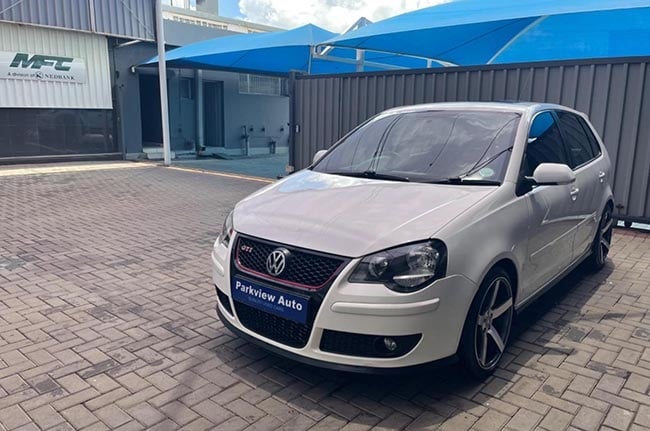
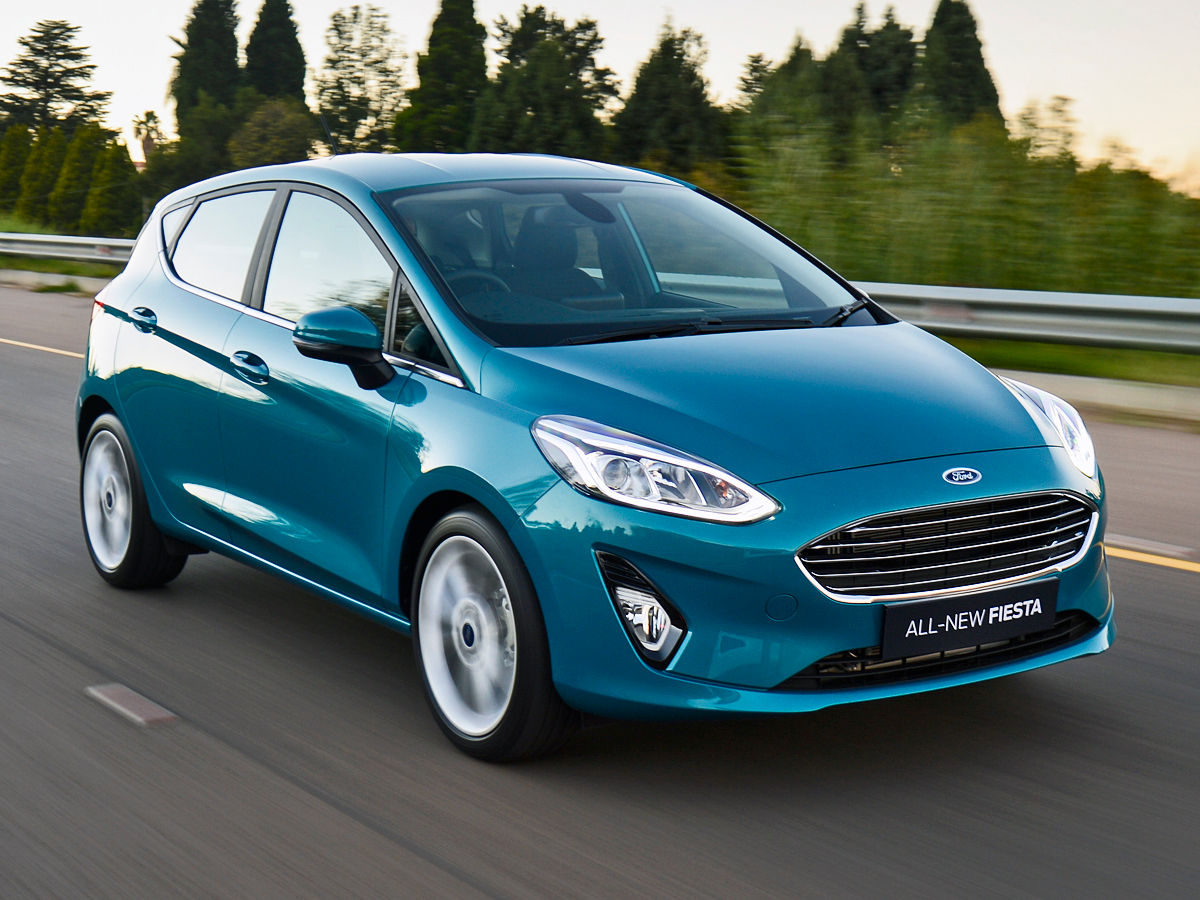
I’ve always found it strange that Ford didn’t aggressively market the current gen Fiesta when it was launched in the country, compared with the competition. They just never seemed committed to the current gen like they were with the previous gen Fiesta. I guess the writing has been on the wall all this time.
 
End of the road for the Ford Fiesta in South Africa

The Ford Fiesta, once a popular alternative to the Volkswagen Polo, has been discontinued in South Africa.

As first reported by Cars.co.za, Ford South Africa has confirmed that the hatchback model is no longer for sale on the local market. This means we won’t get to see the facelifted model, which was announced in South Africa late last year.

The Ford Fiesta was first introduced locally in 1997, in fourth-generation form, and this incarnation was built in South Africa.

The facelifted version, which utilised the locally-built 1.3-litre and 1.6-litre Rocam engines, also formed the basis of the third-generation Ford Bantam, which was produced until 2011.

The Fiesta hatchback variants were replaced by the imported fifth-generation model in late 2003, and this iteration also marked the introduction of the Fiesta ST hot hatch in SA.

 
End of the road for the Ford Fiesta in South Africa

The Ford Fiesta, once a popular alternative to the Volkswagen Polo, has been discontinued in South Africa.

As first reported by Cars.co.za, Ford South Africa has confirmed that the hatchback model is no longer for sale on the local market. This means we won’t get to see the facelifted model, which was announced in South Africa late last year.

The Ford Fiesta was first introduced locally in 1997, in fourth-generation form, and this incarnation was built in South Africa.

The facelifted version, which utilised the locally-built 1.3-litre and 1.6-litre Rocam engines, also formed the basis of the third-generation Ford Bantam, which was produced until 2011.

The Fiesta hatchback variants were replaced by the imported fifth-generation model in late 2003, and this iteration also marked the introduction of the Fiesta ST hot hatch in SA.

Unreported, I see Kuga is gone from their pricelists as well :-(
 
Why cars are too expensive right now

Cars are not cheap – a vehicle tends to be the second biggest purchase that you’ll make in your lifetime, but are they too expensive in South Africa compared with the rest of the world?

When the world’s automotive market peaked in 2017, at 86 million units, any mention of vehicle “downsizing” referenced retirees. You know, the kind of people who can afford upmarket vehicles, but who lack the confidence to navigate a large luxury sedan or SUV in traffic – or into a narrow parking-garage entrance, which is why they buy smaller, more affordable cars (usually with high seating positions).

But downsizing has become the default car buying option for most buyers. In the court of public opinion, there is a broad consensus that cars have become exorbitantly expensive. It was a telling moment when double-cab bakkies crested the R1-million price ceiling.

Without drowning in the boring economic theory or anxiety of it all, global product prices are rising after years of low price inflation. And automotive prices are rising too, due to the chip shortage and scarcity of finished products (ie stock for dealers).

The affordability of any new car isn’t merely a question of the purchase price. Value depends greatly on purchasing power. If South African salaries/incomes are increasing generously, while general inflation is kept under control, surging new car pricing won’t be an issue. But that’s NOT what is happening…

 
Expect higher new car prices as a result of the Russo-Ukrainian Conflict

While the world is constantly ravaged by conflict, some have a more long lasting and global effect than others. The Russo-Ukrainian Conflict has been ongoing for a month now and we can expect higher new car prices in the future over and above the rising cost of fuel.

Many of the existing issues we are facing can be traced back to the onset of the Covid-19 pandemic, where lockdowns and curfews disrupted the automotive industry and their associated supply chains – particularly in China where the virus was rumoured to have originated from. Factories were temporarily shut down while ports and transport lines could not move vital cargo for production.

As a subsequent result of the pandemic and once the world started to get back on its feet to battle the virus, microchip shortages further hindered vehicle production as the electronics that are crucial in every new car suffered a massive supply chain issue. One that, almost two years down the line, it has still not recovered from.

The latest development in a dramatic few years was the Russian invasion of the Ukraine which has now placed added strain on the automotive industry. We can expect higher new car prices in the near future as this unpopular war has restricted two major European players in the automotive segment from delivering raw materials and components crucial for vehicle production.

 
Used cars are not as cheap as they used to be and here is why

Used cars on average have been considerably higher in price than normal as an indirect result of Covid-19. While prices were showing signs of normalising at the beginning of the year, the latest European conflict might keep them as high as 10% of the normal rate.

The supply and demand formula is quite simple: if less of a product is available to meet the needs of the public, the law of supply and demand states that more can be charged for the product to those who are willing to buy them. The Covid-19 pandemic has had long-lasting effects that have cascaded into just about every aspect of life, the automotive industry included.

Lockdowns and travel restrictions limited supply chains which are still hampering current vehicle production, most notably is that of the semiconductor which is an essential piece of technology for modern products. The less new vehicles entering the market saw buyers looking for alternative solutions.


Snip.png
 
New vehicle sales in South Africa: March 2022

South Africa’s new-vehicle sales figures for March 2022 are out, with the industry hitting its highest monthly sales total since pre-pandemic days. Let’s take a look at exactly what you need to know…

According to Naamsa, South Africa’s aggregate domestic new-vehicle sales reflected a healthy 16.5% year-on-year increase to total 50 607 units in March 2022, a performance the organisation said largely “exceeded expectations”. In month-on-month terms, this figure is almost 6 400 units up on February 2022‘s effort.

In fact, March’s performance represents the highest monthly sales total since October 2019, shortly before the world – and the automotive industry – was thrown into turmoil by the pandemic. Naamsa said the positive showing (largely driven by the passenger-vehicle segment) could be attributed to “pent-up demand aligned with the increasing normalising of business conditions as well as enticing new model choices in the domestic market”.

However, the organisation also pointed out that export sales recorded a year-on-year decline of 12.4% to 34 285 units in March 2022. For the first quarter of 2022, vehicle exports were thus 4.1% below the level of the same period in 2021.

WesBank, meanwhile, said the industry’s broader performance was “cause for the South African market to be a bit more bullish”, adding it provided an “injection of much-needed buoyancy”.

“In the face of interest-rate hikes, spiking fuel prices, and the ongoing industry challenges of supply, March’s new-vehicle market provided a lot to celebrate. Despite all these challenges, March indicated a positive sign of sustained growth,” said Lebogang Gaoaketse, head of marketing and communication at WesBank.

New vehicle sales summary for March 2022

- Aggregate new vehicle sales of 50 607 units increased by 16.5% (7 187 units) compared to March 2021.
- New passenger vehicle sales of 33 790 units increased by 27.0% (7 191 units) compared to March 2021.
- New light-commercial vehicle sales of 13 795 units decreased by 2.7% (-389 units) compared to March 2021.
- Export sales of 34 285 units decreased by 12.4% (-4 861 units) compared to March 2021.

 
Toyota smashes local record selling 15 008 vehicles in March

2022 has been a great year for Toyota, the first quarter of the year showing exceptional local sales for the Japanese manufacturer. In fact, March saw a total of 15 008 units being sold across Toyota, Hino and Lexus brands locally, the highest ever sales recorded in South Africa.

Of the 15 008 units sold, a remarkable 10 198 were Light Commercial vehicles which were either built or assembled locally at the Prospecton Plant in Durban.

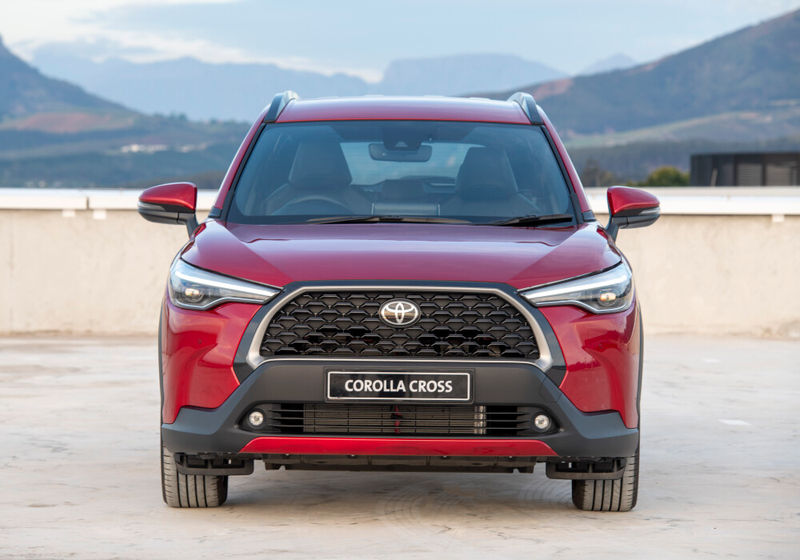
A consistent increase in the monthly number of vehicles sold by Toyota over the past three months has resulted in the manufacturer enjoying an average market share of 30% locally. As is to be expected, the venerable Hilux was a top performer with total sales of 4 561, the Corolla Cross representing 2 384 sales in the Passenger segment.

“Looking at the March sales makes me realise how special the Toyota machinery is. We are truly humbled by the performance of our dealers, sales teams, our manufacturing division in Durban, and the other Toyota, Hino, and Lexus ambassadors for the stellar job they are doing,” said Senior Vice President of Sales and Marketing at TSAM, Leon Theron.

Locally produced segment leaders which account for nearly 70% of the vehicles sold are the Hilux, Corolla Cross, Hiace Ses’fikile and Fortuner. In addition, March saw just over 1,5 million parts’ pieces supplied to domestic dealers, while a further 279,000 pieces were shipped to foreign markets.

 
South African vehicle sales surge to pre-pandemic levels

Despite the numerous challenges that the motor industry still faces, South African new vehicle sales surged to 50 607 units in March 2022, which is highest monthly total since October 2019.

It also represents an increase of 16.5% over the same month last year. Passenger cars led the way here with a 27.0% year-on-year climb to 33 790, while light commercial vehicle sales fell by 2.7% to 13 795 units. Medium and heavy commercial vehicles recorded respective gains of 18.4% and 14.5%.

“The volatile nature of LCV sales over the past two years has made it difficult to compare accurately year-on-year volumes with any measure of meaning,” said Wesbank marketing head Lebogang Gaoaketse. “But the significant growth in volume in the segment over the previous month is more indicative of growth, especially considering that February was already considered a good sales month.”

Passenger car sales enjoyed a welcome boost from the resurgent rental car industry, which accounted for 11.0% of sales in March.

Naamsa believes last month’s positive sales numbers can be attributed to pent up demand and the increasing normalising of business conditions as well as the availability of enticing new models on the market.

 
10 best-selling bakkies in South Africa: March 2022

Time to comb through Naamsa’s detailed monthly sales figures once again to identify South Africa’s best-selling bakkies for March 2022. Let’s take a closer look at the numbers…

South Africa’s new-vehicle sales “exceeded expectations” in March 2022, with the industry’s overall figure growing 16.5% year on year to 50 607 units, representing the highest monthly total since pre-COVID days. Domestic sales of new light-commercial vehicles (including bakkies), however, fell marginally (2.7%, to be precise) to 13 795 units.

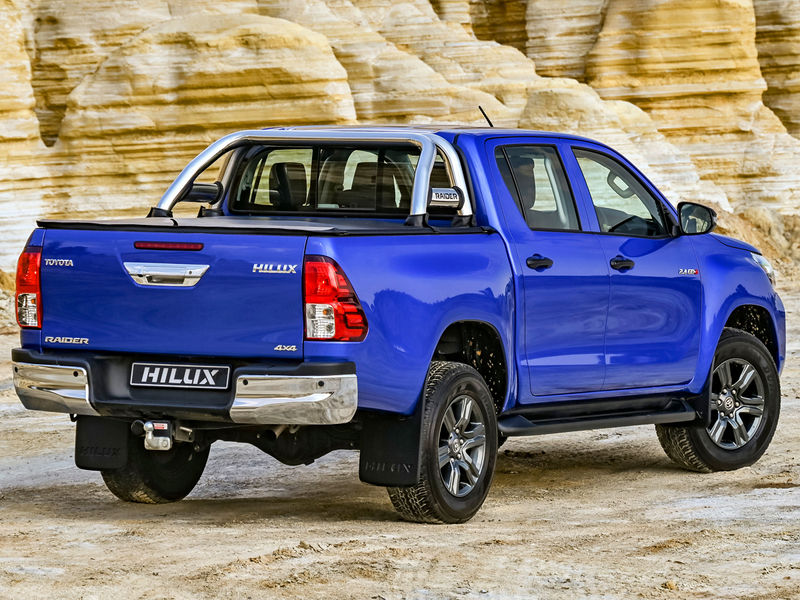
So, what happened in the traditional bakkie market? Well, since Toyota reported a record sales month (cracking the 15 000-unit mark for the first time) in March 2022, the Hilux predictably led the charge. The Japanese bakkie added more than 1 000 units to its February 2022 tally to end on a whopping 4 561 units. Much of that volume came courtesy of the dealer channel, though 586 units were registered to the government and 199 units were sold via the rental space.

With the launch of a new generation now mere days away, the outgoing Isuzu D-Max (1 378 units) – which will live on in South Africa rebranded as the D-Max Gen 6 – held steady in 2nd place, but it only just held off the Nissan NP200 (1 327 units), which in 2023 will perhaps finally get some competition in the form of the Renault Oroch. The outgoing Ford Ranger (1 052 units) again had to settle for 4th place, but at least found itself on the right side of 1 000 units in March 2022.

10 best-selling bakkies in South Africa for March 2022

1. Toyota Hilux – 4 561 units

2. Isuzu D-Max – 1 378 units

3. Nissan NP200 – 1 327 units

4. Ford Ranger – 1 052 units

5. Mahindra Pik Up – 711 units

6. Nissan Navara – 603 units

7. GWM Steed – 493 units

8. GWM P-Series – 441 units

9. Toyota Land Cruiser 79 – 242 units

10. Volkswagen Amarok – 144 units

 
New vehicle sales in South Africa: March 2022

10 best-selling car brands in South Africa for March 2022

Toyota was once again the country’s best-selling automotive brand in March 2022, cracking the 15 000-unit barrier to set its highest ever monthly sales total (smashing its previous record of 13 694 units achieved in September 2019). The Volkswagen Group remained in second, while Hyundai moved up one place to third, pushing Suzuki down one to fourth (despite the latter setting yet another new monthly sales record of 3 347 units). Renault and Ford each climbed a spot to sixth and seventh, respectively, forcing Haval two rungs down the ladder to eighth.

1. Toyota – 15 008 units

2. Volkswagen Group – 6 433 units

3. Hyundai – 3 816 units

4. Suzuki – 3 347 units

5. Nissan – 3 132 units

6. Renault – 2 600 units

7. Ford – 2 235 units

8. Haval – 2 036 units

9. Kia – 1 910 units

10. Isuzu – 1 723 units

10 best-selling vehicles in South Africa for March 2022

Considering the Japanese firm’s massive sales month, it’s no surprise the Toyota Hilux again led the charge as South Africa’s top seller, with total registrations exceeding 4 500 units. The likewise Prospecton-built Corolla Cross again claimed second, with Volkswagen’s Kariega-produced Polo Vivo holding steady in third. The facelifted Polo hatchback climbed three places to fifth, while the Nissan NP200 and Toyota Urban Cruiser returned to the table (at the expense of the Fortuner and Renault Kwid). The Suzuki Swift dropped three spots to tenth but still managed to crack four figures.

1. Toyota Hilux – 4 561 units

2. Toyota Corolla Cross – 2 384 units

3. Volkswagen Polo Vivo – 2 117 units

4. Toyota Hi-Ace – 1 675 units

5. Volkswagen Polo (hatch) – 1 430 units

6. Isuzu D-Max – 1 378 units

7. Nissan NP200 – 1 327 units

8. Toyota Starlet – 1 243 units

9. Toyota Urban Cruiser – 1 196 units

10. Suzuki Swift – 1 118 units

 
NAAMSA reports strong sales figures for March 2022

The pandemic has a stranglehold on most of the vehicle industry. While trying to survive a global crisis, buying a vehicle would likely fall very low on the list of peoples’ priority list.

Now, with the tail end of the pandemic hopefully at our doorsteps, one hopes that we can recover and revitalise many sectors that have suffered during the pandemic. An indicator of the progress of recovery can be seen in the vehicle sales industry.

NAAMSA has released figures for March 2022, and in an unexpected turn of events, many sectors have reported an increase in sales. In March 2021 monthly new vehicle sales sat at 43 423, but compared to this time last year, the aggregate new vehicle sales increased by 7 184. According to NAAMSA figures, March 2022 saw the highest number of new vehicle sales since October 2019. As a result of continued restrictions affecting global trade, export sales have declined by 12,4% in March 2022. This decline means that only 34 285 units were exported compared to the 39 146 in March 2021. Despite the decline, there is an optimistic outlook for the rest of 2022.

Reported industry sales for March totalled 50 607 units. Of the overall sales, 43 441 (85,8%) of those were sales made to dealers. Approximately 4 149 (8,2%) of the overall figure was made up of the vehicle rental industry. Roughly 2 327 vehicles (4,2% of the overall) were sold to the government and the rest of the cars were reportedly a part of the industry’s corporate fleets.

 
These were South Africa’s best (and worst) selling bakkies in March 2022

Compared to the passenger car market, bakkies and other light commercial vehicles have not had the best start to 2022.

While passenger car sales surged by 27% in March 2022, versus the same month last year (click here for our list of top-selling cars), LCV sales fell by 2.7%. It’s worth noting, however, that bakkie sales have been volatile of late, but thankfully year-to-date light commercial sales are up by 2.9% versus the same period in 2020.

2022 will also see some enticing new model introductions, particularly the new Isuzu D-Max which launches in April and the new-generation Ford Ranger that’s expected to hit the market before year-end.

These new challengers could certainly add some momentum to LCV sales in South Africa, but for now the Toyota Hilux enjoys a stranglehold of the market and March was a particularly good month for this domineering bakkie, which recorded 4561 sales.

The Isuzu D-Max followed in second place (1378 units), ahead of the Nissan NP200 (1327) and Ford Ranger (1052). The Mahindra Scorpio enjoyed another strong month with a volume of 711 units, while the Nissan Navara scored a consistent 603 units for sixth place.

TOP 10 BAKKIES: MARCH 2022

  • Toyota Hilux - 4561
  • Isuzu D-Max - 1378
  • Nissan NP200 - 1327
  • Ford Ranger - 1052
  • Mahindra Scorpio Pik-Up - 711
  • Nissan Navara - 603
  • GWM Steed - 493
  • GWM P-Series - 441
  • Toyota Land Cruiser PU - 242
  • Hyundai H100 Bakkie - 180
 
Top
Sign up to the MyBroadband newsletter
X