FiestaST
Honorary Master
South African vehicle sales stumbled in August: These were the 50 best sellers
Having defied the odds so far this year, South African new vehicle sales faltered last month as economic realities took their toll.
According to Naamsa - The Automotive Business Council - new vehicle sales declined by 3,1% in August, versus the same month last year.
"The resilience of the South African retail motor industry in 2023 continues to astound us, but we knew there had to be a tipping point, and this is what happened in August," said Brandon Cohen, Chairperson of the National Automobile Dealers’ Association (NADA).
Passenger cars saw the largest decline, at 6.7% year-on-year, while bakkies and other light commercial vehicles gained 2.7% versus August 2022, while medium and heavy trucks saw respective gains of 0.3% and 10.4%.
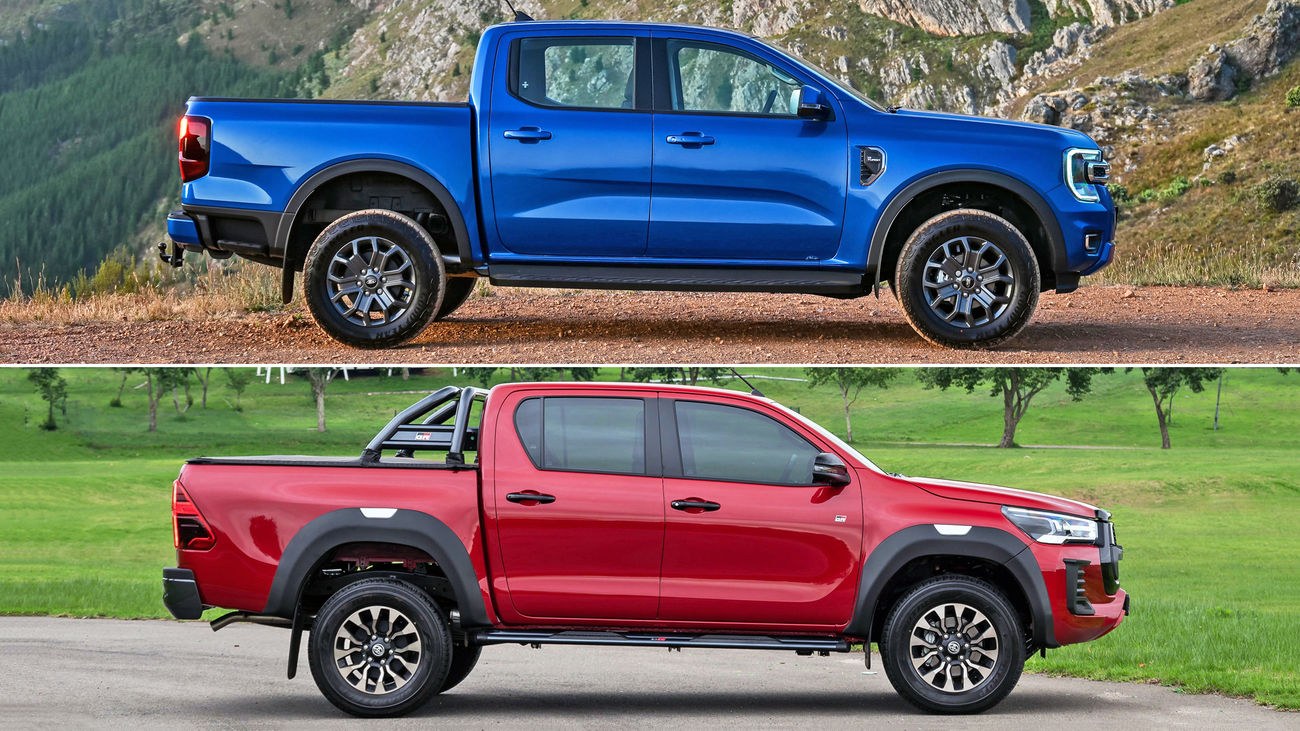
While the Toyota Hilux was the country’s top-selling bakkie last month, with 3,309 sales, the Ford Ranger also enjoyed a robust month with 2,367 units finding homes. The Isuzu D-Max (1,632), Nissan NP200 (1,064) and Mahindra Pik-Up (701) completed the bakkie top five.
TOP 50: AUGUST 2023
1. Toyota Hilux - 3,309
2. Volkswagen Polo Vivo - 2,452
3. Ford Ranger - 2,367
4. Toyota Corolla Cross - 2,130
5. Isuzu D-Max - 1,632
6. Toyota Hi-Ace - 1,534
7. Toyota Starlet - 1,372
8. Suzuki Swift - 1,349
9. Volkswagen Polo - 1,153
10. Nissan NP200 - 1,064
11. Chery Tiggo 4 Pro - 809
12. Hyundai Venue - 782
13. Nissan Magnite - 773
14. Hyundai Grand i10 - 767
15. Haval Jolion - 761
16. Renault Kiger - 718
17. Kia Sonet - 702
18. Mahindra Scorpio Pik-Up - 701
19. Renault Kwid - 684
20. Toyota Fortuner - 651
21. GWM P-Series - 567
22. Toyota Urban Cruiser - 523
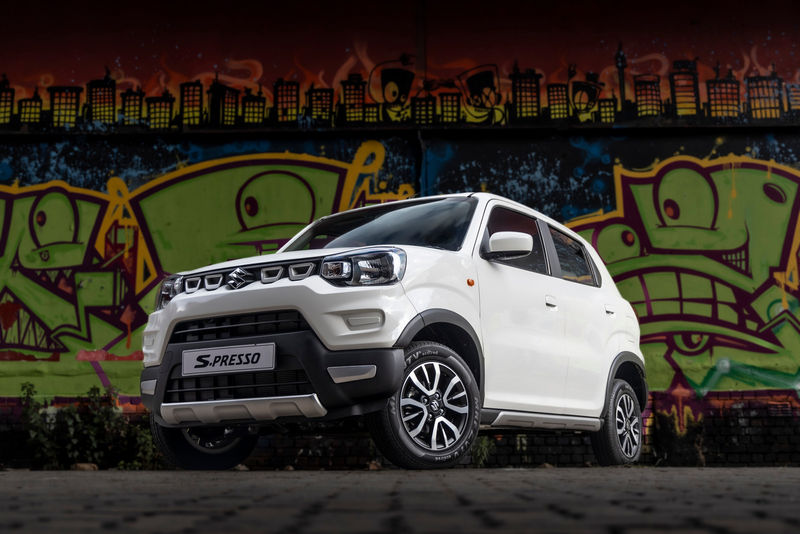
23. Suzuki S-Presso - 481
24. Nissan Navara - 481
25. Suzuki Ertiga - 468
26. Toyota Vitz - 467
27. Chery Tiggo 7 Pro - 460
28. Volkswagen T-Cross - 430
29. Toyota Corolla Quest - 413
30. Haval H6 - 408
31. Suzuki Baleno - 407
32. Toyota Rumion - 342
33. Suzuki Ciaz - 338
34. Toyota Land Cruiser PU - 305
35. Suzuki Fronx - 302
36. Volkswagen Amarok - 296
37. Ford Everest - 270
38. Volkswagen Tiguan - 266
39. Kia Picanto - 256
40. Suzuki Grand Vitara - 253
41. Hyundai H100 Bakkie - 250
42. Renault Triber - 239
43. Chery Tiggo 8 Pro - 229
44. Toyota Land Cruiser 300 - 222
45. Hyundai Staria - 220
46. Suzuki Dzire - 207
47. Volkswagen Polo Sedan - 183
48. Kia Seltos - 197
49. Honda WR-V - 162
50. Hyundai i20 - 158
Having defied the odds so far this year, South African new vehicle sales faltered last month as economic realities took their toll.
According to Naamsa - The Automotive Business Council - new vehicle sales declined by 3,1% in August, versus the same month last year.
"The resilience of the South African retail motor industry in 2023 continues to astound us, but we knew there had to be a tipping point, and this is what happened in August," said Brandon Cohen, Chairperson of the National Automobile Dealers’ Association (NADA).
Passenger cars saw the largest decline, at 6.7% year-on-year, while bakkies and other light commercial vehicles gained 2.7% versus August 2022, while medium and heavy trucks saw respective gains of 0.3% and 10.4%.
While the Toyota Hilux was the country’s top-selling bakkie last month, with 3,309 sales, the Ford Ranger also enjoyed a robust month with 2,367 units finding homes. The Isuzu D-Max (1,632), Nissan NP200 (1,064) and Mahindra Pik-Up (701) completed the bakkie top five.
TOP 50: AUGUST 2023
1. Toyota Hilux - 3,309
2. Volkswagen Polo Vivo - 2,452
3. Ford Ranger - 2,367
4. Toyota Corolla Cross - 2,130
5. Isuzu D-Max - 1,632
6. Toyota Hi-Ace - 1,534
7. Toyota Starlet - 1,372
8. Suzuki Swift - 1,349
9. Volkswagen Polo - 1,153
10. Nissan NP200 - 1,064
11. Chery Tiggo 4 Pro - 809
12. Hyundai Venue - 782
13. Nissan Magnite - 773
14. Hyundai Grand i10 - 767
15. Haval Jolion - 761
16. Renault Kiger - 718
17. Kia Sonet - 702
18. Mahindra Scorpio Pik-Up - 701
19. Renault Kwid - 684
20. Toyota Fortuner - 651
21. GWM P-Series - 567
22. Toyota Urban Cruiser - 523
23. Suzuki S-Presso - 481
24. Nissan Navara - 481
25. Suzuki Ertiga - 468
26. Toyota Vitz - 467
27. Chery Tiggo 7 Pro - 460
28. Volkswagen T-Cross - 430
29. Toyota Corolla Quest - 413
30. Haval H6 - 408
31. Suzuki Baleno - 407
32. Toyota Rumion - 342
33. Suzuki Ciaz - 338
34. Toyota Land Cruiser PU - 305
35. Suzuki Fronx - 302
36. Volkswagen Amarok - 296
37. Ford Everest - 270
38. Volkswagen Tiguan - 266
39. Kia Picanto - 256
40. Suzuki Grand Vitara - 253
41. Hyundai H100 Bakkie - 250
42. Renault Triber - 239
43. Chery Tiggo 8 Pro - 229
44. Toyota Land Cruiser 300 - 222
45. Hyundai Staria - 220
46. Suzuki Dzire - 207
47. Volkswagen Polo Sedan - 183
48. Kia Seltos - 197
49. Honda WR-V - 162
50. Hyundai i20 - 158