The SA Vehicle Industry Thread

SA’s best-selling brands and vehicles in September 2023

South Africa’s new-vehicle sales fell 4.1% year on year in September 2023. Here’s your comprehensive overview, including Mzansi’s most popular brands, best-selling vehicles and plenty more…

In September 2023, South Africa’s new-vehicle industry registered a year-on-year fall of 4.1% to finish on 46 021 units. While that made it 2 consecutive months of year-on-year declines in sales, it’s worth pointing out September at least represented a marginal (though not even 1%) increase over August 2023’s effort of 45 679 registrations.

Industry representative body Naamsa said “various external business factors”, such as rising fuel prices, “ongoing challenges” in transport logistics, Eskom’s “incapacity to meet industry’s energy demands”, the volatility in commodity prices and the overall “intricate external environment”, again exerted “significant pressure” on the market’s key performance indicators.

As such, export sales saw a decline of 12.6% to 36 247 units in September 2023, though this part of the industry was nevertheless still 8.3% ahead compared with the same period in 2022, with the year-to-date total reaching 285 200 units. At 401 315 units, Mzansi’s new-vehicle sales over the opening 9 months of 2023 were also ahead (by 2.5%) of the equivalent reporting period last year.

“Despite these challenging market conditions, the industry has displayed a modest yet commendable resilience in year-to-date new-vehicle sales and export performances for September 2023,” Naamsa pointed out.

Overall, out of the total reported industry sales of 46 021 vehicles, Naamsa estimated 37 149 units (or 80.7%) represented sales via the dealership channel, while 13.6% were sales to the vehicle-rental industry, 2.9% to industry corporate fleets and 2.8% to government.

In September 2023, SA’s new passenger-vehicle market registered a year-on-year decline of 8.4% to end on 29 669 units, though was well supported by rental fleet buyers, with the latter accounting for 18.9% of those sales. Yet again, the only sector to experience growth was the light-commercial vehicle segment, which enjoyed a 4.6% year-on-year increase to 13 169 units in September 2023.

New-vehicle sales summary for September 2023

- Aggregate new-vehicle sales of 46 021 units decreased by 4.1% (1 963 units) compared to September 2022.
- New passenger-vehicle sales of 29 669 units decreased by 8.4% (2 723 units) compared to September 2022.
- New light-commercial vehicle sales of 13 169 units increased by 4.6% (581 units) compared to September 2022.
- Export sales of 36 247 units decreased by 12.6% (5 217 units) compared to September 2022.

10 best-selling vehicles in South Africa in September 2023

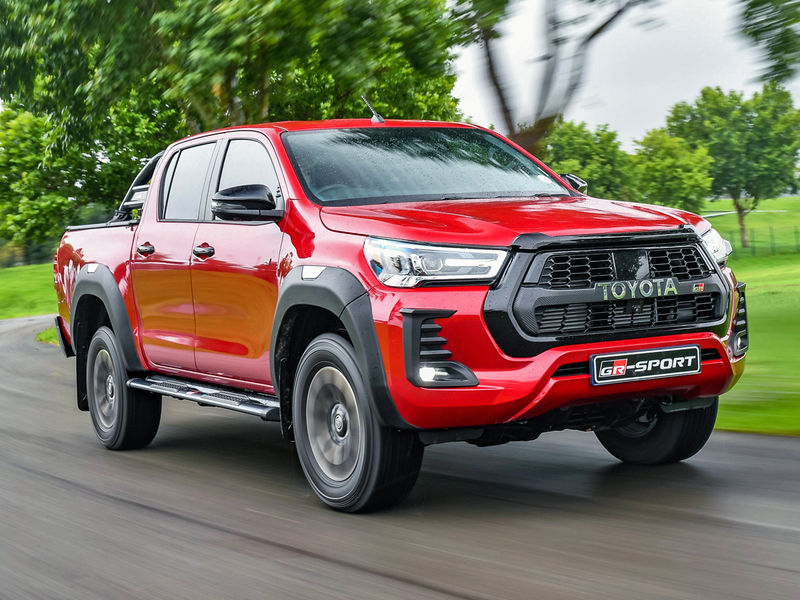
1. Toyota Hilux – 3 249 units

2. Volkswagen Polo Vivo – 2 698 units

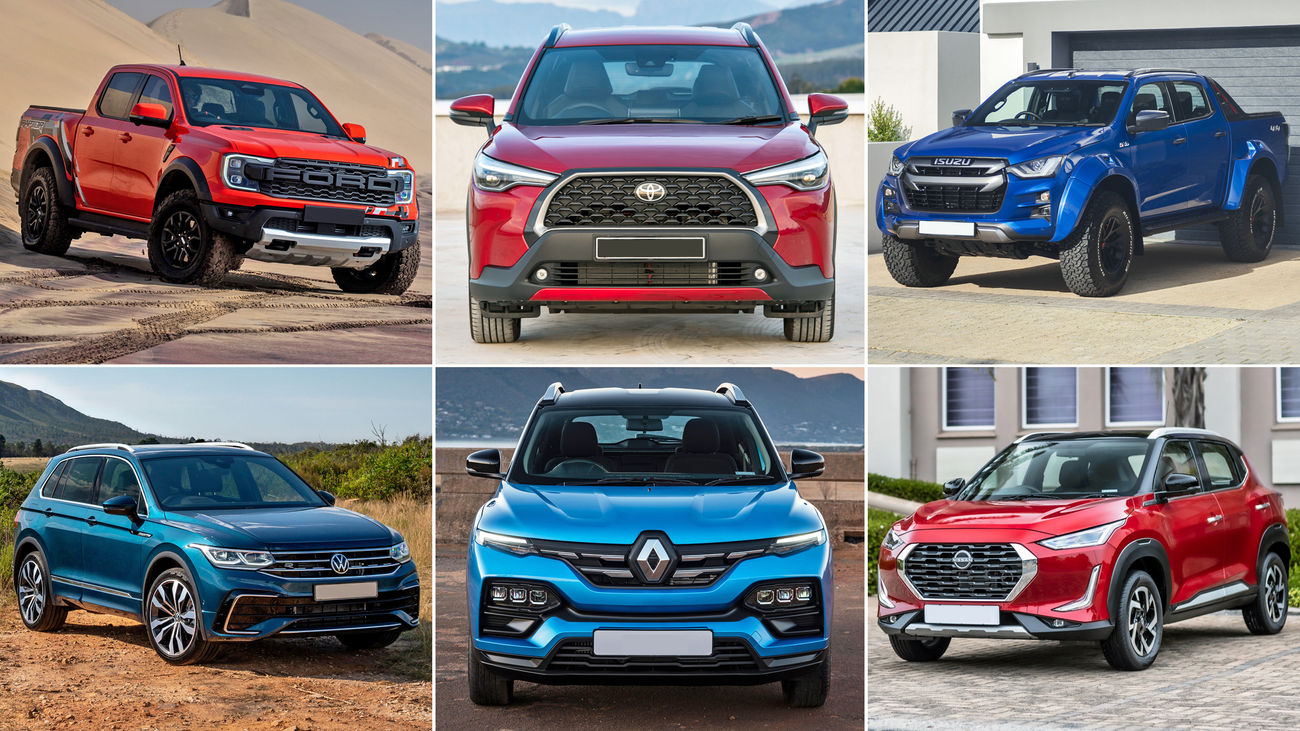
3. Ford Ranger – 2 413 units

4. Toyota Corolla Cross – 2 259 units

5. Isuzu D-Max – 1 639 units

6. Toyota Hi-Ace – 1 462 units

7. Suzuki Swift – 1 291 units

8. Toyota Starlet – 1 247 units

9. Volkswagen Polo (hatch) – 1 148 units

10. Nissan NP200 – 997 units

 
South African vehicle sales falter: these were the top 15 brands in September

South African new vehicle sales slipped for the second month in a row in September, Naamsa figures showed.

According to the industry body, the overall new vehicle market - at 46,021 units - declined by 4.1% last month, versus September 2022, as economic headwinds continued to batter the local economy.

The passenger car market, which accounts for the bulk of volumes, led this decline by losing 8.4% year-on-year.

However, the light commercial and bakkie sector actually enjoyed a 4.6% gain, as did the heavy truck industry with a 10.5% increase versus the corresponding month last year, while the medium commercials declined by 5.1%.

According to Naamsa, 80.7% of vehicle sales in South Africa last month took place through the dealer channels, while the rental industry accounted for 13.6 percent, followed by corporate fleets (2.9%) and government (2.8%).

TOP 15 BRANDS: SEPTEMBER 2023

1. Toyota - 12,389
2. Volkswagen - 6,259
3. Suzuki Auto - 4,478
4. Ford - 2,737
5. Hyundai - 2,639
6. Nissan - 2,130
7. Isuzu - 1.716
8. Kia - 1,703
9. Renault - 1,702
10. Haval - 1,532
11. Chery - 1,240
12. BMW - 1,037
13. Mahindra - 784
14. Mercedes-Benz - 556
15. Honda - 358

 
Puma, Fronx & more: how SA’s newest nameplates sold in Sept 2023

Wondering how South Africa’s newest nameplates sold in September 2023? Let’s take a look at sales figures of the Ford Puma, Suzuki Fronx and more…

Several new nameplates have launched in South Africa over the past few months. So, just how well have they been received? We sifted through the sales figures to see exactly how these newcomers performed in September 2023.

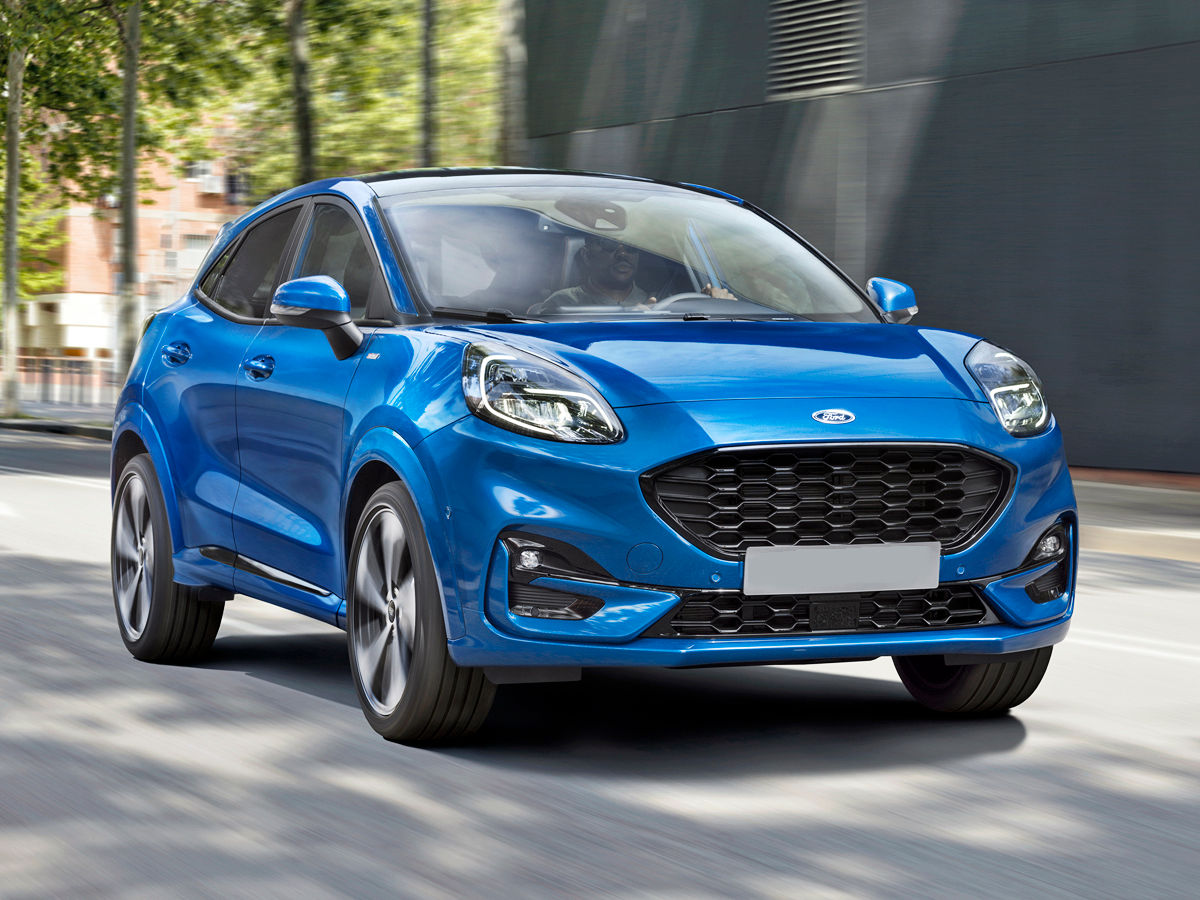
Let’s start with the Ford Puma, which technically hit the local market only at the start of October (though we broke the news back in August). Despite having just hit the market, the Blue Oval brand reported 52 registrations in September, with dealers likely having taken these orders well before launch. Considering its positioning, it’ll be interesting to see how this small crossover fares in the months to come.

What about the new Suzuki Fronx? Well, the Indian-built newcomer managed an impressive 527 units in its 1st full month on sale, after hitting a total of 302 units in August (despite the fact it had been on sale for just 2 weeks at that point).

 
SA’s top 10 automakers: winners & losers in 2023 so far

With 3 quarters of 2023 gone, we’ve crunched the numbers to see which of South Africa’s top 10 automakers grew and which ones shrunk so far this year. Here are the winners and losers…

Year to date at the end of September 2023, South Africa’s new-vehicle industry had grown 2.5% to 401 315 units, a relatively encouraging performance considering the raft of headwinds still facing the local market. So, which of the country’s mainstream automakers grew and which ones endured a dip in sales?

Well, with 3 quarters of the year already behind us, we’ve consolidated the sales figures for South Africa’s 10 best-selling automakers of 2023 thus far, allowing us to compare the latest numbers with those from the corresponding 9-month period in 2022. In short, we’ve effectively identified the winners and losers out of the top 10 companies.

For the record, 5 firms inside the top 10 managed to grow their respective tallies year on year, while 5 saw a decline. Right, here’s your full overview of the performances of the main players in South Africa’s new-vehicle market…

South Africa’s 10 best-selling automakers of 2023 so far

1. Toyota – 107 081 units (+13.5%)

2. Volkswagen Group – 50 074 units (-5.8%)

3. Suzuki – 37 235 units (+4.2%)

4. Hyundai – 24 213 units (-12.2%)

5. Ford – 22 993 units (+17.4%)

6. Nissan – 22 301 units (+0.6%)

7. Isuzu – 17 882 units (+15.7%)

8. Renault – 16 431 units (-23.8%)

9. Haval – 15 479 units (-3.8%)

10. Kia – 14 708 units (-15.7%)

 
Bakkie sales buck downward trend: these were the best and worst sellers in September

As passenger car sales continued their decline in September, the bakkie market bucked the trend once again with 4.6% growth year-on-year.

Given that light commercials only made up 28% of the 46,021 vehicles that were sold in September, the overall new vehicle market still saw a decline of 4.1% versus the same month last year, according to Naamsa.

Two bakkies led the LCV charge last month. Although it was no surprise that the Toyota Hilux led the way once again with 3,249 sales, it was down 1,81% versus the previous month, while the Ford Ranger climbed 1,94% to 2,413 units after another month of steady growth.

The Isuzu D-Max followed in a distant third with 1,639 sales, while the doomed Nissan NP200 - which is set to be discontinued next year - dipped just below the 1,000 unit mark.

Mahindra’s Pik-Up dominated the middle ground of the bakkie market, with 578 units finding homes in September, followed by the GWM P-Series (376) and Toyota Land Cruiser PU (325). Below that, the Nissan Navara narrowly beat its fellow Pretoria-built rival, the Volkswagen Amarok, which recorded 273 sales.

BAKKIE SALES: SEPTEMBER 2023

1. Toyota Hilux - 3,249
2. Ford Ranger - 2,413
3. Isuzu D-Max - 1,639
4. Nissan NP200 - 997
5. Mahindra Scorpio Pik-Up - 578
6. GWM P-Series - 376
7. Toyota Land Cruiser PU - 325
8. Nissan Navara - 287
9. Volkswagen Amarok -273
10. Hyundai H100 Bakkie - 260
11. Kia K2700 - 82
12. Mitsubishi Triton - 80
13. GWM Steed - 76
14. JAC T-Series - 59
15. Kia K2500 - 32
16. JAC X-Series - 28
17. Volkswagen Transporter PU - 27
18. Mahindra Bolero - 20
19. Peugeot Landtrek - 13
20. Mazda BT-50 - 6
21. Jeep Gladiator - 4

 
South African car and SUV sales down but top brands gain ground: 30 best sellers in September

South African passenger vehicle sales continued their losing streak in September.

While the bakkies gained year-on-year (see those numbers here), car and SUV sales fell for the third month in a row, losing 8.6% versus the same month last year, according to Naamsa.

Yet despite the overall decline, the top four manufacturers actually upped their passenger vehicle game. Toyota jumped 9.67% to total 6,535 units, while Volkswagen managed a volume of 5,454 (up 5,4%). Suzuki (4,147 units) and Hyundai (2,269) made smaller gains of 1.15% and 1.98% respectively.

The top-selling passenger vehicle came from Volkswagen’s stable, however, with the Polo Vivo finding 2,698 homes last month, and the Toyota Corolla Cross came home second with 2,259 units sold.

The battle for second place on the hatchback podium was closely contested, with the Suzuki Swift (1,291 units) narrowly ousting the Toyota Starlet (1,247). They were followed by the latest Volkswagen Polo (1,148) and recently facelifted Hyundai Grand i10 (898).

TOP SELLING PASSENGER VEHICLES: SEPTEMBER 2023

1. Volkswagen Polo Vivo - 2,698
2. Toyota Corolla Cross - 2,259
3. Suzuki Swift - 1,291
4. Toyota Starlet - 1,247
5. Volkswagen Polo - 1,148
6. Hyundai Grand i10 - 898
7. Toyota Fortuner - 893
8. Chery Tiggo 4 Pro - 858
9. Nissan Magnite - 797
10. Kia Sonet - 743
11. Hyundai Venue - 699
12. Renault Kiger - 675
13. Haval Jolion - 626
14. Toyota Corolla Quest - 598
15. Toyota Vitz - 581
16. Renault Kwid - 580
17. Toyota Urban Cruiser - 561
18. Suzuki Fronx - 527
19. Volkswagen T-Cross - 480
20. Haval H6 - 453
21. Suzuki Ertiga - 443
22. Toyota Rumion - 426
23. Suzuki S-Presso - 420
24. Suzuki Baleno - 409
25. Suzuki Grand Vitara - 320
26. Kia Rio - 312
27. Renault Triber - 293
28. Hyundai i20 - 250
29. Volkswagen Tiguan - 246
30. Chery Tiggo 7 Pro - 224

 
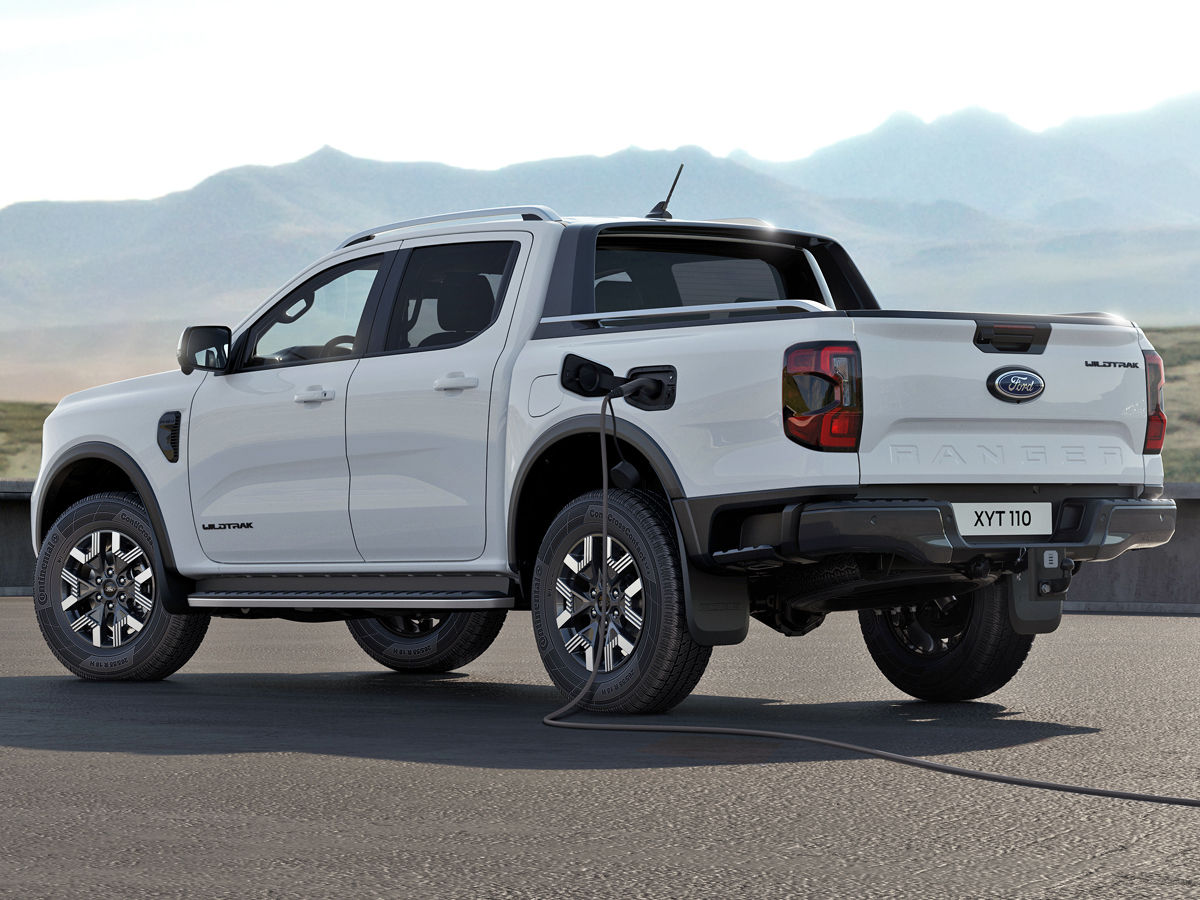
Fresh info suggests Ford Ranger PHEV will be built in SA!

We’ve unearthed fascinating information suggesting the new Ford Ranger PHEV will be built at the Blue Oval brand’s Silverton plant right here in South Africa…

After some extensive digging, Cars.co.za has uncovered fresh information strongly suggesting the new Ford Ranger PHEV (plug-in hybrid electric vehicle) will be built at the Silverton assembly plant in South Africa, in what would be a boon for the local automotive manufacturing industry.

When the plug-in hybrid version of the double-cab Ranger was revealed in September 2023, the Blue Oval brand’s only official comment on the topic of production was that it would commence “in late 2024, with deliveries to customers in early 2025”. No mention was made of where the new PHEV derivative would be built.

As a reminder, the current-generation Ranger is manufactured at various Ford sites around the world, including Argentina, Thailand (which supplies SA with Raptor units), North America and indeed Silverton here in Mzansi. We asked Ford Motor Company of Southern Africa (FMCSA) if Silverton was in line to produce the new electrified Ranger, but the company said it was still “early days” and that there was “nothing to confirm yet”.

So, we started digging. First, we came across an interesting LinkedIn profile belonging to a Ford process engineer based in Chennai, India. Keerthana Suresh’s profile shows she has been in her current role – centred on “battery pack assembly for electrification projects” – since December 2022. On her page, Suresh says she is “currently working” on the Ford Ranger PHEV “battery pack assembly process” for the Silverton plant in South Africa.

 
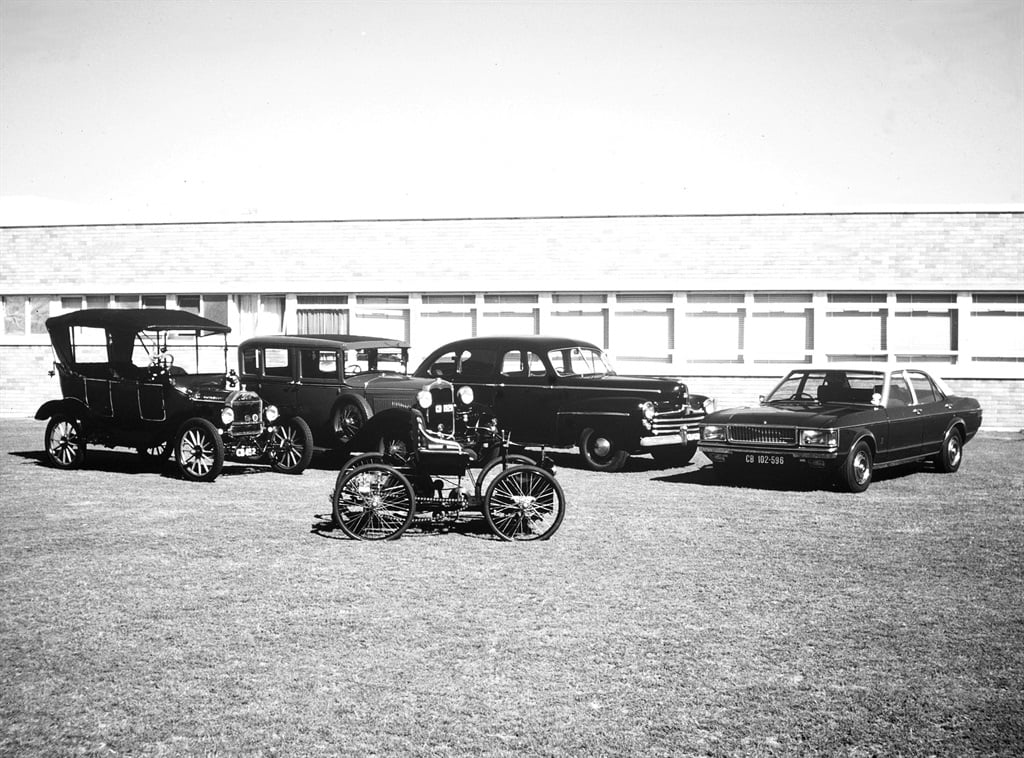
The Ford South Africa story: looking back at 100 years of local production

Ford has played an integral role in South Africa’s history since establishing its local operations in 1923, boasting a proud tradition of pioneering achievements and industry milestones over the past century. Join us as we travel back in time with the Blue Oval.

In 1903, the same year as the Wright brothers’ ground-breaking 12-second, 36-metre powered flight at Kitty Hawk in North Carolina, intrepid engineer Henry Ford and a team of investors established the Ford Motor Company.

Signalling South Africa’s importance within the company’s global ambitions, Henry Ford made a strategic move just two years later. He appointed Arkell & Douglas in Port Elizabeth as the company’s agents in the country for the distribution and sale of Ford cars within the local market.

While the early Ford models set the wheels in motion, it was the Model T that was responsible for the company’s meteoric rise following its 1908 launch, and it took the world by storm. By the end of the 1920s, Ford Motor Company was churning out an astonishing 9,000 vehicles a day at its plant in Detroit.

Additionally, in 1913, the company introduced the automotive industry’s pioneering moving assembly line, significantly reducing the time it took to build a vehicle from around 12 hours to just 90 minutes.

 
Top
Sign up to the MyBroadband newsletter
X