The Tornadoes, Cyclones, Hurricanes & Typhoons Thread.

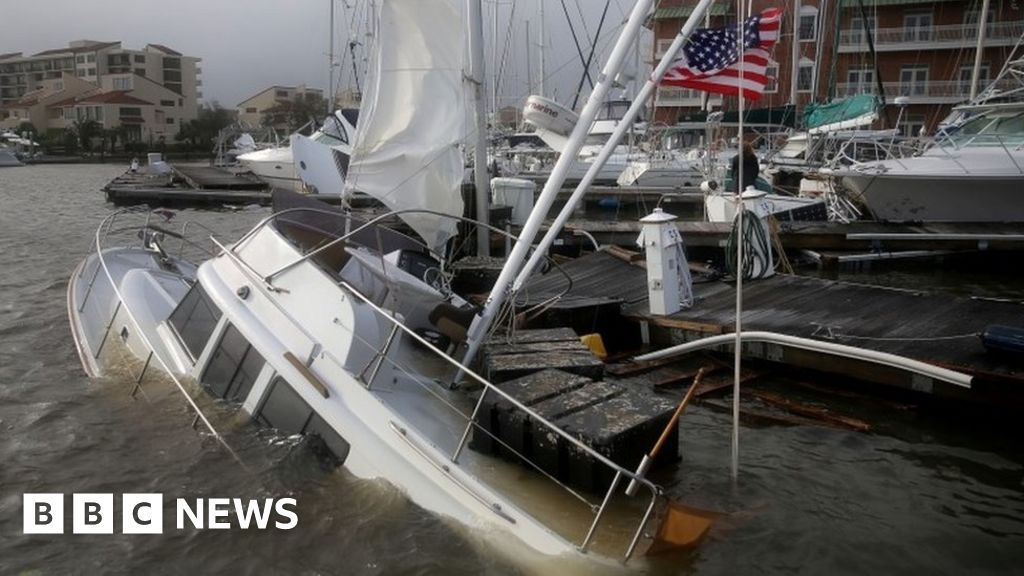
The Atlantic season is rapidly using up the list of named storms:
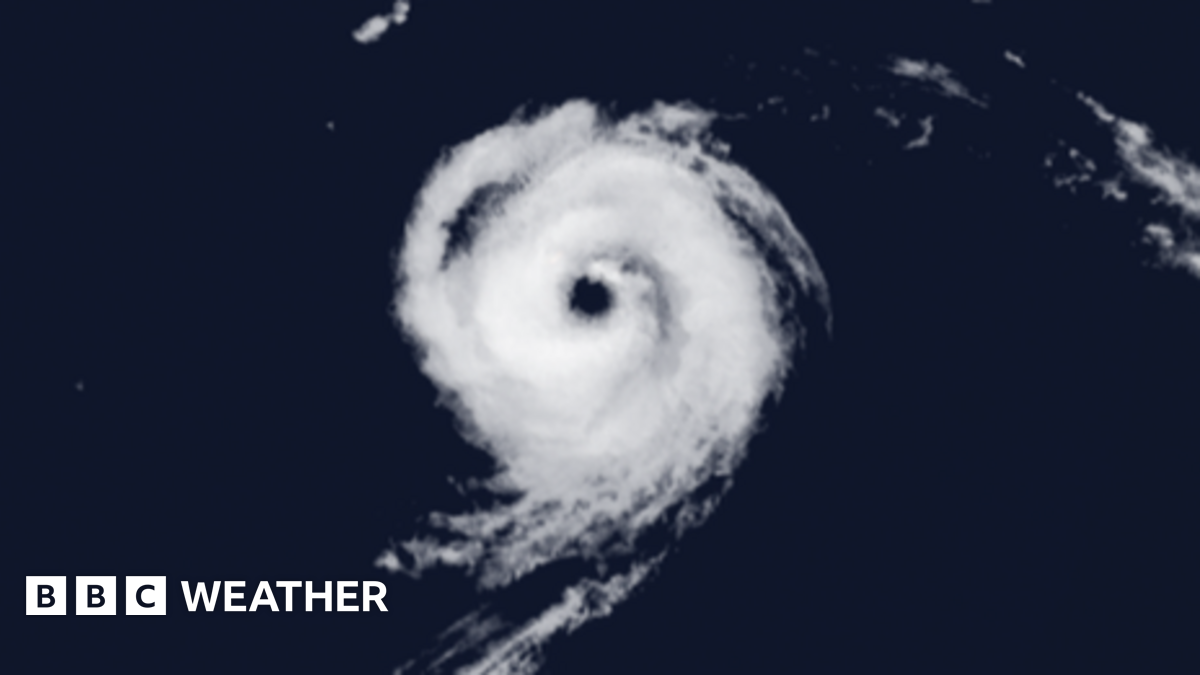
There is only one name left on the pre-determined Atlantic hurricane season naming list before it "goes Greek".

With the formation of Tropical Storm Teddy and Tropical Storm Vicky on Monday, there have now been 21 named storms. With one more name left on this year's list, Wilfred, the letters of the Greek alphabet will be used to name further storms.

This would be only the second time this has occurred.

It has been an extremely busy season. By mid-September, statistics from the United States' National Hurricane Center show that we would normally have had seven named systems. This year, however, has been far from normal with 12 more than average.

One of the most remarkable features of the season has been how early each of the named storms formed in relation to previous years. Teddy, for example, was the earliest 'T' named storm on record.

None of this, though, has surprised meteorologists as conditions were forecast to come together for a busy season.
 
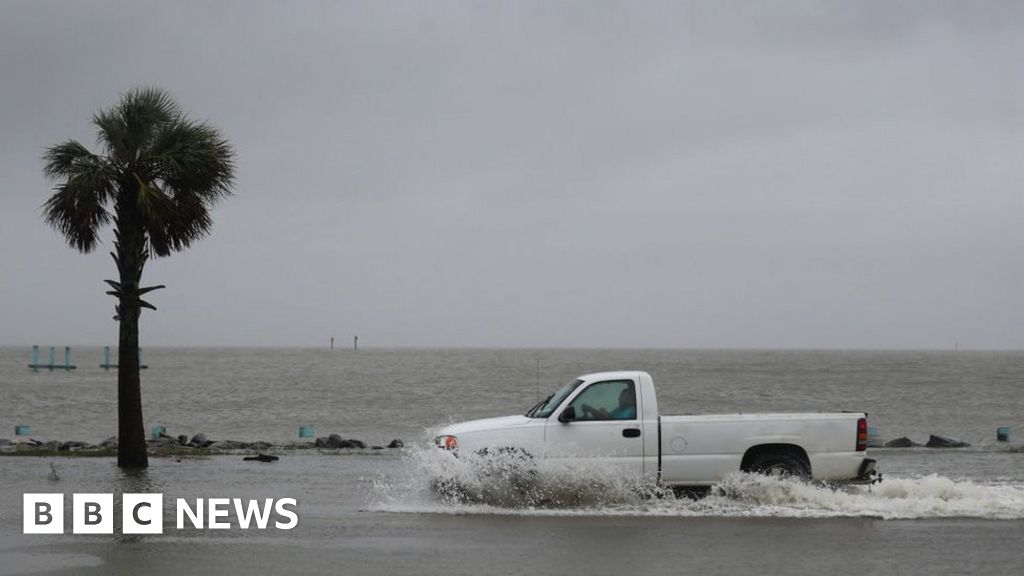
Not a major wind event, but severe rainfall:
"Sally has a characteristic that isn't often seen and that's a slow forward speed and that's going to exacerbate the flooding," NHC deputy director Ed Rappaport told the Associated Press.

This chart shows rainfall totals of 250-400mm:

092957WPCQPF[Sally_20200916_0100].gif
 
Last edited:
Extra-tropical cyclones can also be quite intense and cause localised damage:
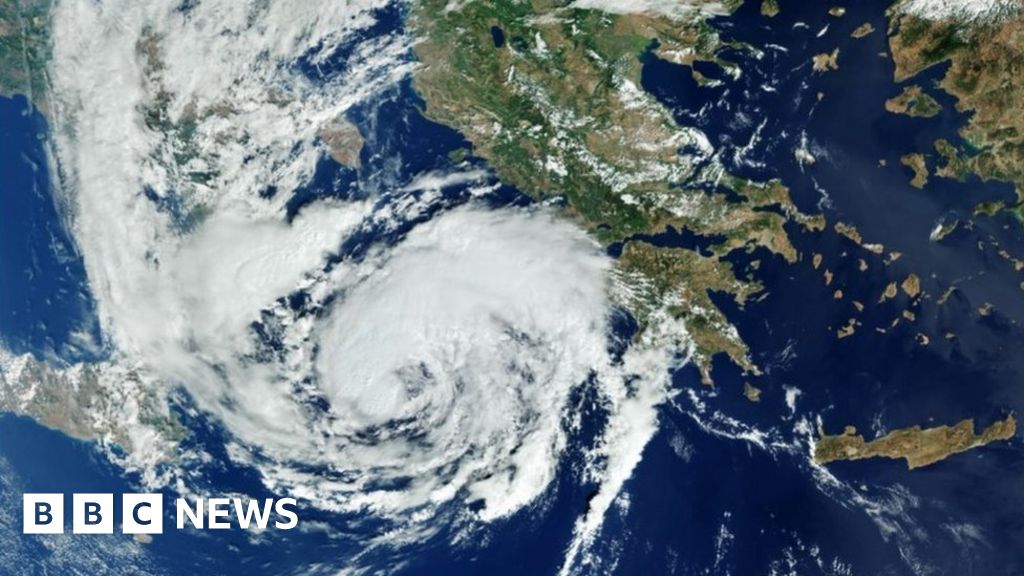
A rare hurricane-like storm is lashing islands in western Greece, bringing torrential rain and power cuts.

Storm Ianos is described as a "medicane" (Mediterranean hurricane), a phenomenon that first appeared in Greece in 1995.

The cyclone is moving eastwards, so at the weekend the winds - now up to 117km/h (73mph) - are set to hit the Peloponnese, then Athens and Crete.
 
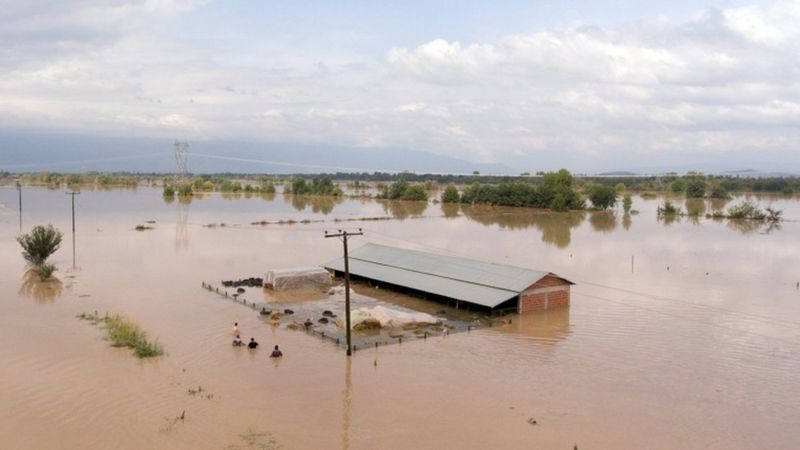
As Ianos churned eastwards overnight, the city of Karditsa north of Athens was lashed by winds of up to 120km/h (75mph) that brought down trees and power lines and triggered landslides.

_114492256_063404327.jpg
 
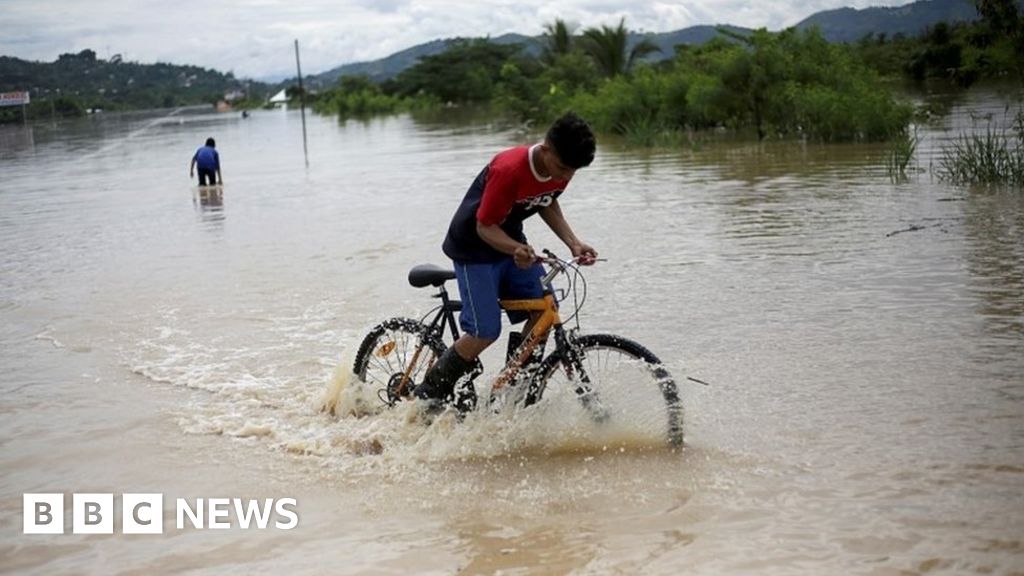
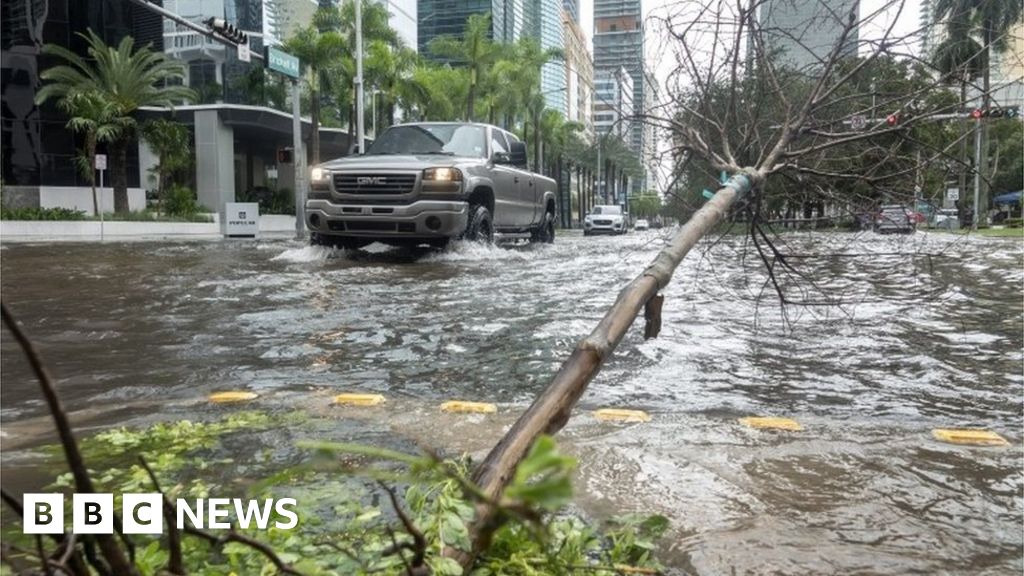
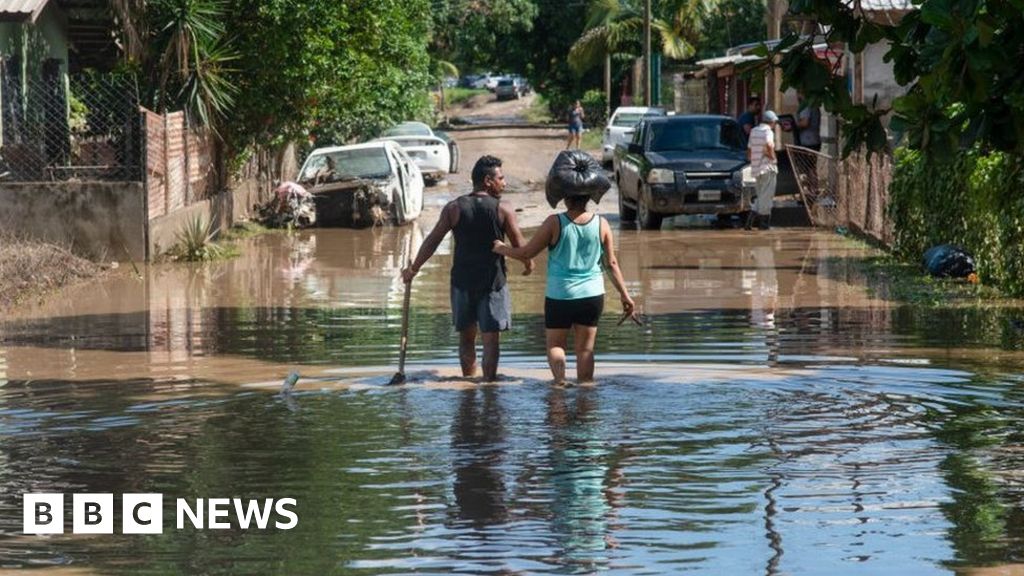
Hurricane season still active:
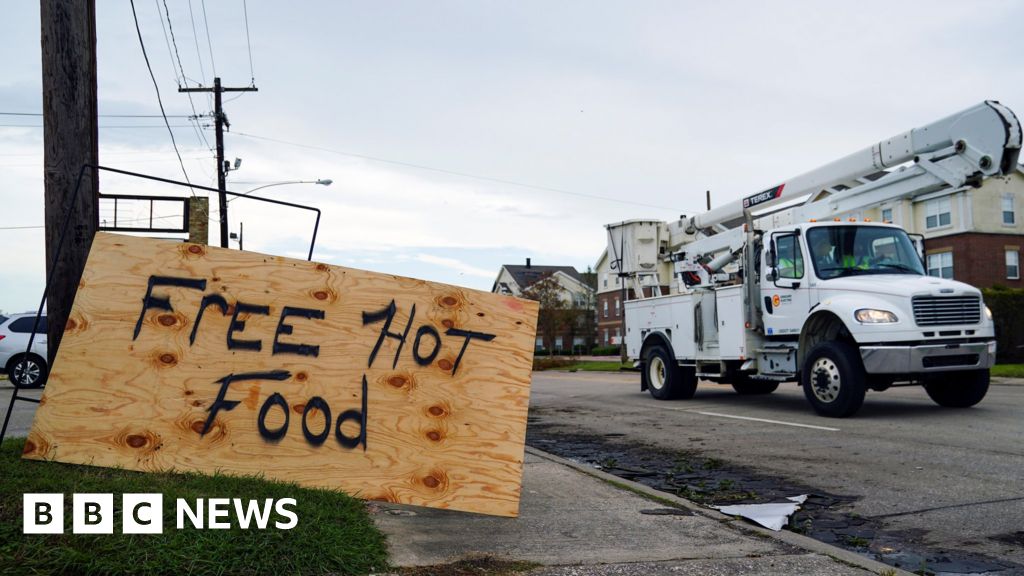
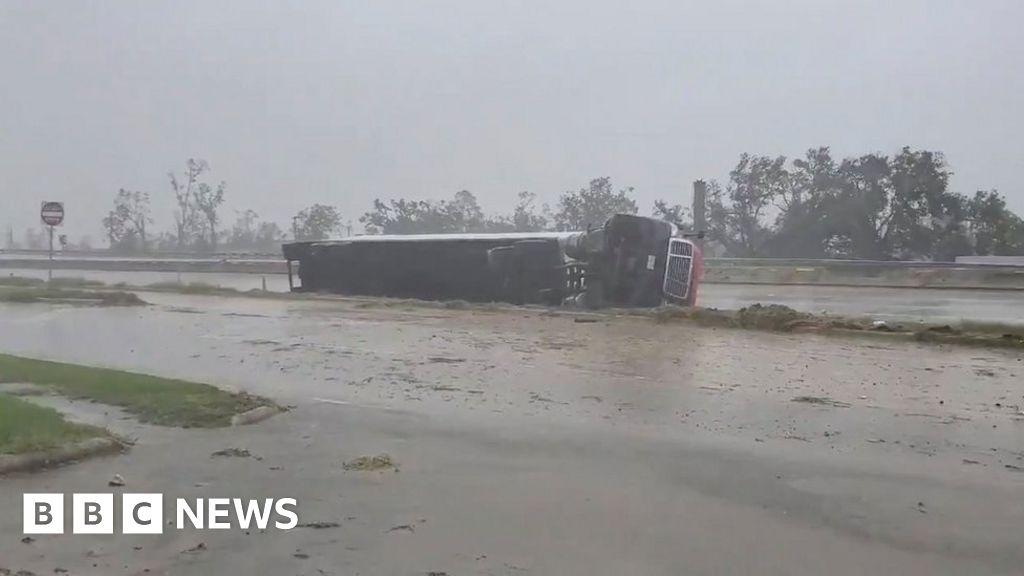
This is the 10th named storm to make US landfall so far this year, breaking a record that has stood since 1916.

Delta hit Creole, Louisiana as a Category 2 hurricane at 18:00 local time (00:00 BST) on Friday, with winds of 100 mph (155 km/h).

It weakened to a Category 1 as it moved inland, causing widespread power cuts.
 
The hurricane season is always active somewhere on earth. The news media only cover the big ones:
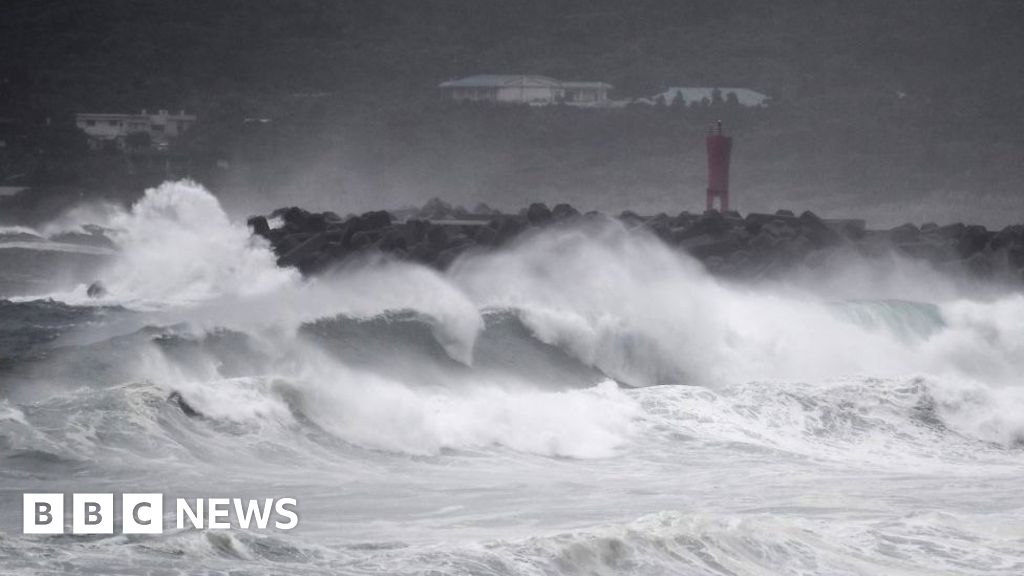
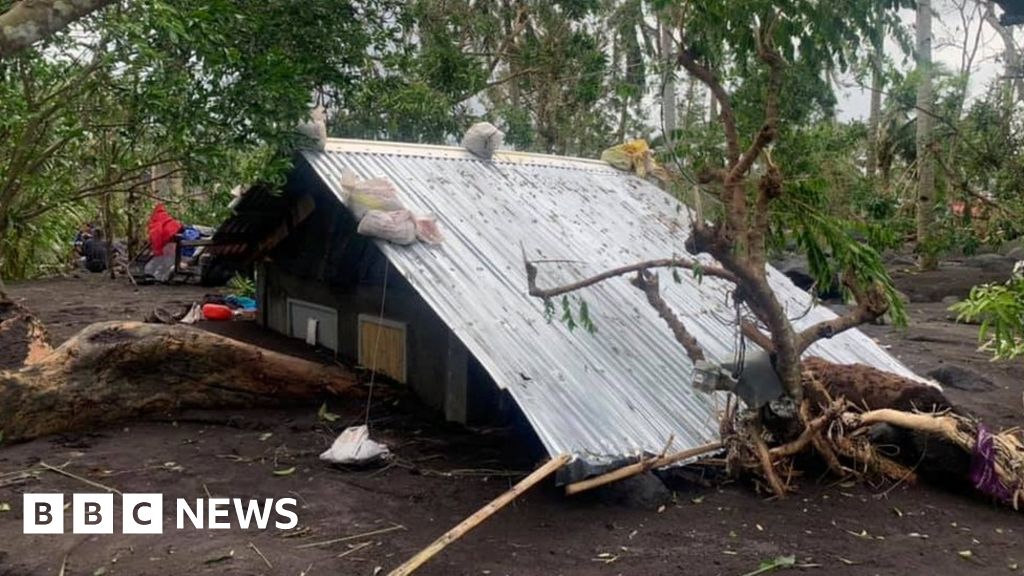
Philippines Red Cross Chairman Dick Gordon said an assessment suggested that Virac, home to 70,000 people, had been severely damaged by Typhoon Goni.

At least 16 people were killed after the storm made landfall on Sunday on Catanduanes island as a super typhoon. Goni has now been downgraded to a tropical storm.

Civil defence officials estimate about 370,000 people have been displaced by the storm and tens of thousands of homes have been destroyed, though the capital Manila was largely spared.
 
'Strong suggestions' that a tornado ripped through Mthatha - SA Weather Service

The weather phenomenon that ripped through Mthatha on Tuesday night and left at least three people dead, dozens hospitalised and properties damaged, was a multicell cluster storm.

There are also strong suggestions that an EF2 or EF3 tornado touched down between 17:00 and 18:00.

This was revealed by a team from the SA Weather Service, which spent Wednesday studying what hit Mthatha and large parts of the OR Tambo District Municipality and surrounding areas.

According to DispatchLIVE, the storm killed three people, including an 8-year-old. The minor girl from Mhlontlo municipality was crushed to death when her home collapsed on her.

More at: https://www.news24.com/news24/south...d-through-mthatha-sa-weather-service-20201119
 
Freak cyclone in Somalia likely to produce an outbreak of desert locusts: http://www.fao.org/ag/locusts/en/info/info/index.html
Twice the annual average of rainfall was expected to fall in two days. Bosaso reported 128 mm in 24 hours and extensive damage was reported in Bari region. In the past two days, Gati has moved in a westerly direction along the coast of northern Somalia towards Berbera and weakened as it headed into the Gulf of Aden.

Gati could impact current Desert Locust infestations in several ways. Heavy rains are likely to have fallen on the Somali plateau between Hargeisa and Garowe, which is north of current breeding in the Ogaden of eastern Somali region in Ethiopia and adjacent areas of central Somalia. Nevertheless, the rains would allow immature swarms still present near Hargeisa and Jijiga, Ethiopia to rapidly complete their maturation and lay eggs.
 
There is a plague of locusts in the Karoo triggered by the unseasonal rains in parts of the Karoo .
Even though many parts are still suffering drought conditions, they now have to also put up with locust plagues.
We don't have to go far to find examples.
 
Top
Sign up to the MyBroadband newsletter
X