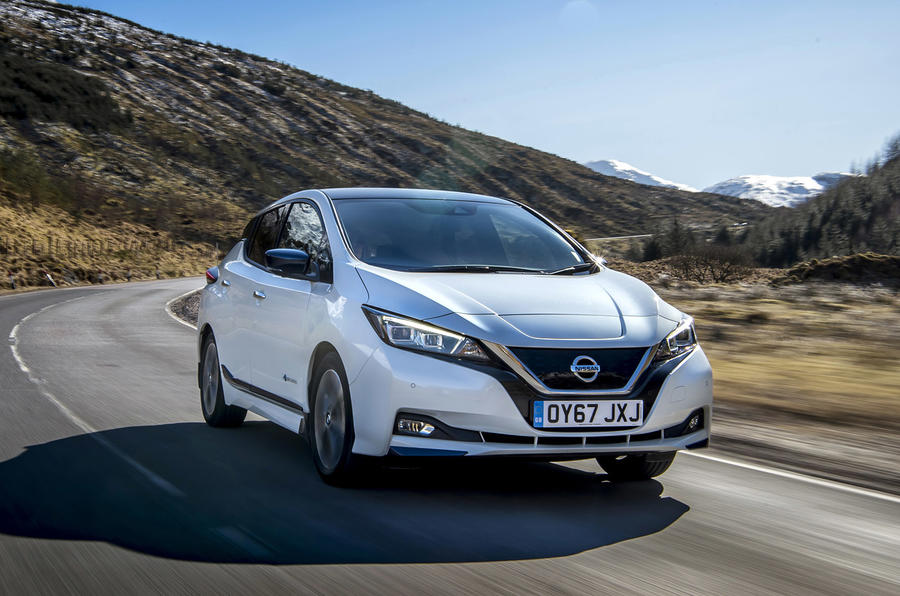
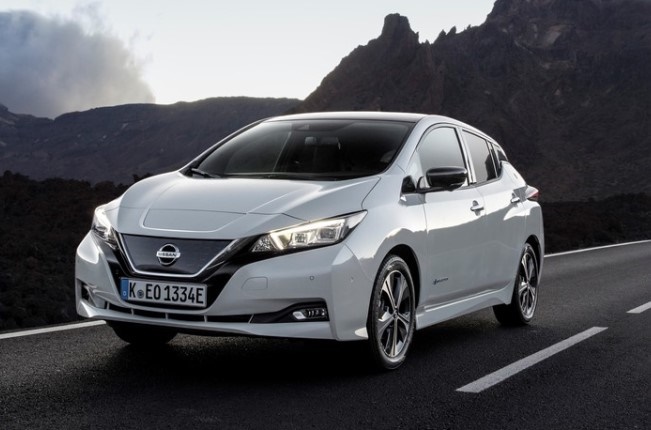
2018 Nissan Leaf (2nd Generation)

Nissan builds 500,000th Leaf in Sunderland factory

Nissan’s popular EV hits production milestone in time for World EV Day

The 500,000th Nissan Leaf has rolled off the production line, just in time to celebrate World Electric Vehicle (EV) Day.

The milestone was achieved at Nissan’s Sunderland factory, which has built almost 175,000 Leafs since it began producing the model in 2013.

The Leaf was the world’s first mass-market 100% electric car and remains one of Nissan’s biggest volume sellers today. It was also the world’s top-selling EV before it was surpassed by the Tesla Model 3 in March.

Nissan currently sells two versions of the Leaf: the standard car, which is intended primarily for city driving, and the Leaf e+, which is targeted at longer-distance commuters.

With a 62kWh battery pack and a 214bhp electric motor, the e+ offers 239 miles of range on the WLTP test cycle – 62 miles more than the standard 40kWh model.


10-nissan-leaf-being-produced.jpg30-nissan-leaf-being-produced.jpg20-nissan-leaf-being-produced.jpg
 
Nearly new buying guide: Nissan Leaf

Used examples of the second generation electric hatchback can now be found for £7k less than a new one

Not everyone can afford a pricey new electric car, no matter how much less it would cost to fuel. Some of us instead have to wait for depreciation to take its toll, and that’s where early examples of the second-generation Nissan Leaf come in.

Here’s a car that provides all of the practicality of a family hatchback and plenty of modern safety technology, and since the Leaf remains one of the most popular EVs, there are loads of second-hand examples for sale.

You can find a well-specified, mid-range 2018 Leaf for £20,000 or so – a substantial saving of around £7000 compared with the list price of a new one.

There are two motor/battery combinations: the standard Leaf uses a 40kWh pack and a 148bhp motor, while the pricier Leaf e+ gets a 62kWh pack and a 214bhp motor.

The regular model has a 0-60mph time of around 8.0sec, making it much nippier than conventionally powered rivals. And in the Leaf e+, you actually need to be a bit gentle with your right foot when accelerating out of junctions, otherwise you’ll spin its front wheels.


Leaf 1.jpgLeaf 2.jpgLeaf 3.jpgLeaf 4.jpgLeaf 5.jpg
 
Nissan unveils Leaf-based emergency response car

RE-Leaf uses bi-directional charging to provide electricity to disaster zones and during blackouts

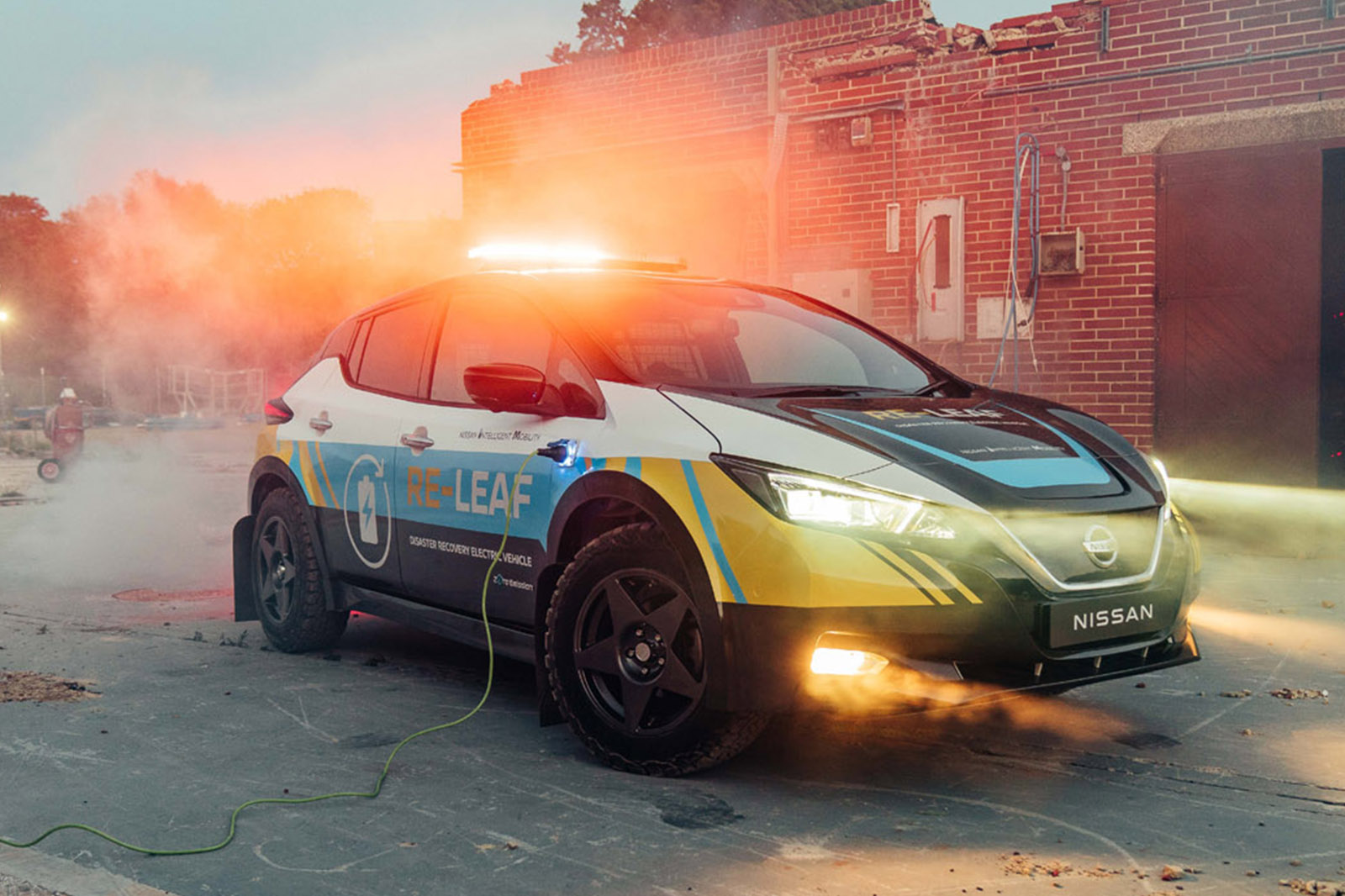
Nissan has revealed a Leaf-based emergency response car that provides a mobile power supply in the wake of natural disasters.

The prototype electric vehicle, which is dubbed RE-Leaf, has been creat

The RE-Leaf uses bi-directional charging to not only store electricity but also to return it to the grid, allowing it to supply disaster zones that have suffered blackouts.

A modified version of Nissan’s best-selling customer Leaf, the RE-Leaf also rides 70mm higher than the standard car in order to help it navigate roads with obstructions or fallen debris.

It also features a custom ‘sump guard’ to protect the car’s floor pan and wider tracks, alongside custom wheel arches and mud flaps. The RE-Leaf rides on 17in motorsport wheels fitted with all-terrain tyres.


Leaf 1.jpgLeaf 2.jpgLeaf 3.jpgLeaf 4.jpgLeaf 5.jpgLeaf 6.jpgLeaf 7.jpg
 
Nissan Leaf upgraded with new trim level and added equipment

Price and equipment list for big-selling electric car tweaked; new 62kWh N-Connecta trim introduced

Nissan has updated its Leaf electric hatchback for 2020 with extra kit across the line-up, a new trim level and pricing tweaks.

Cars in range-topping Tekna trim - priced from £30,160 with a 40kWh battery and £34,710 in 62kWh e+ guise - now receive an 'intelligent' rear-view mirror as standard, resulting in a £315 price increase. The device uses a rear-mounted camera to give a clearer view of the road behind.

Similarly, N-Connecta trim is now equipped with a sharkfin antenna, while all models now benefit from blindspot intervention and a telescopic steering wheel as standard.

N-Connecta trim is also available for the first time on the more powerful e+ model, priced from £32,695, bridging the gap between 40kWh Tekna and 62kWh e+ N-Tec.


284E8E8F-886E-4545-8D81-6D7BE7AC22E0.jpeg9A07BF22-E152-4138-93BA-6DE30BC7530D.jpeg072581A4-FDC4-4693-B470-D00962BCF184.jpeg
 
Nissan Leaf10 celebrates 10 years of flagship electric hatch

Special edition model brings Ariya-inspired styling, available now from £28,820

Nissan is marking the tenth anniversary of its Leaf EV with a new commemorative special edition for 2021, available to order from today.

Called Leaf10, a limited number of examples of the variant will be available from later this month, with prices starting from £28,820 including the government Plug in Car Grant.

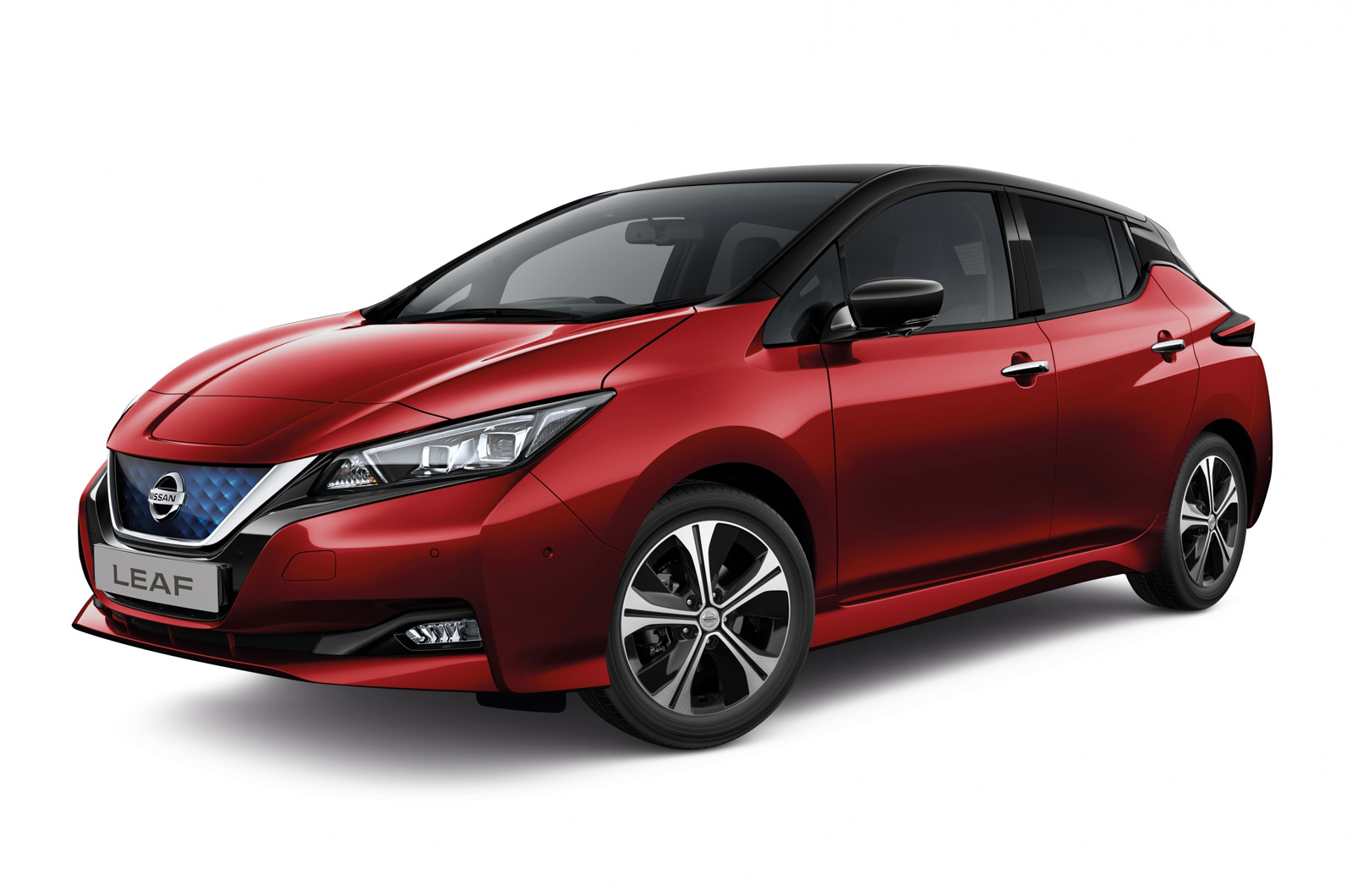
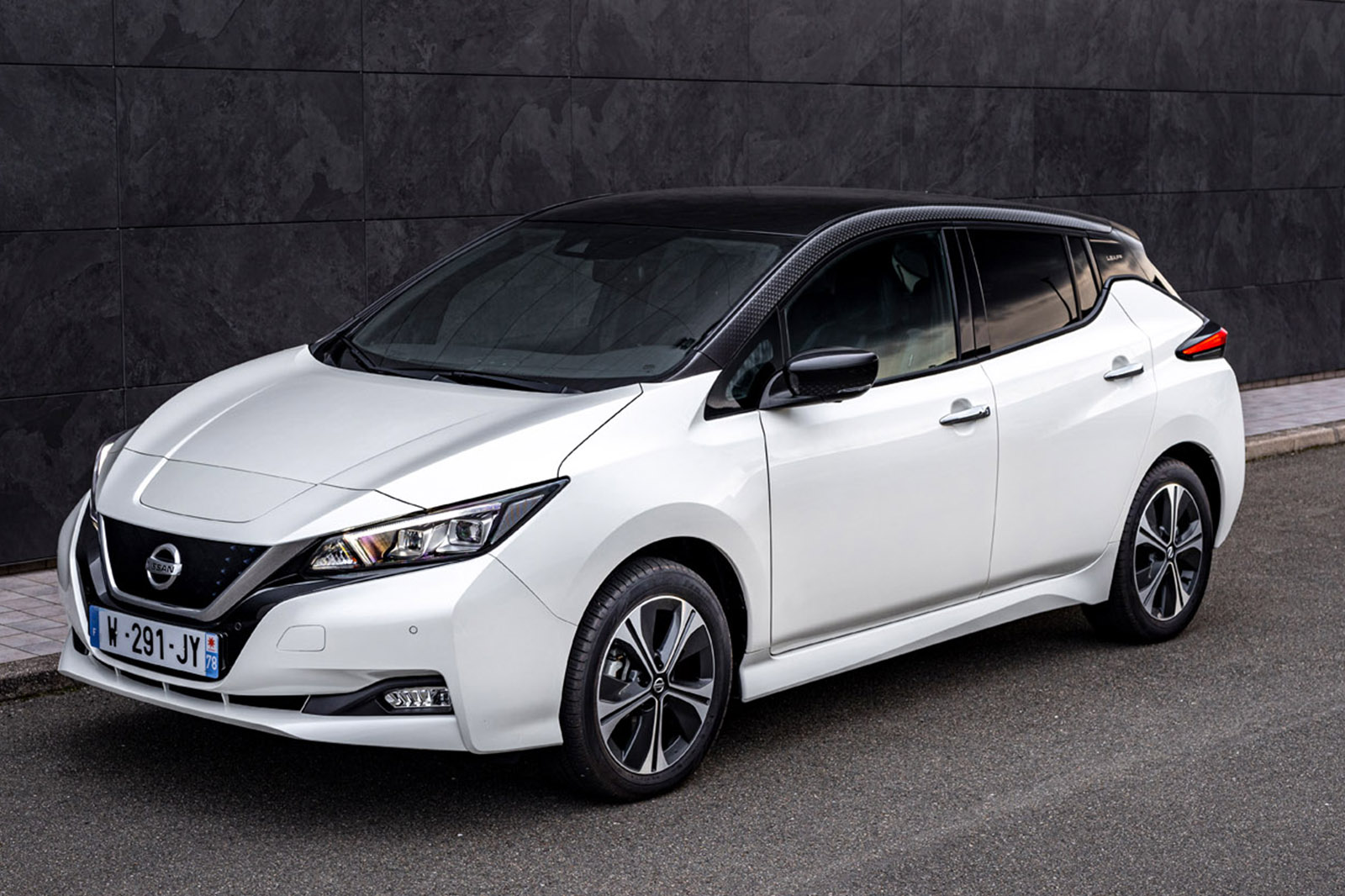
The Leaf10 is distinguished from the standard Leaf by several exterior styling upgrades, including a new two-tone grey and black colour option.

Said to be inspired by Kumiko patterns of interlocking wood puzzles found in traditional Japanese gardens, the changes are focused on the Leaf’s wing mirrors, roofline and boot lid.

These also mimic the styling language of Nissan’s recently revealed second EV - the Ariya. Also inspired by Kumiko patterns, that car’s exterior featured a new shield design and 3D patterning.


Leaf 1.jpgLeaf 2.jpgLeaf 3.jpgLeaf 4.jpg
 
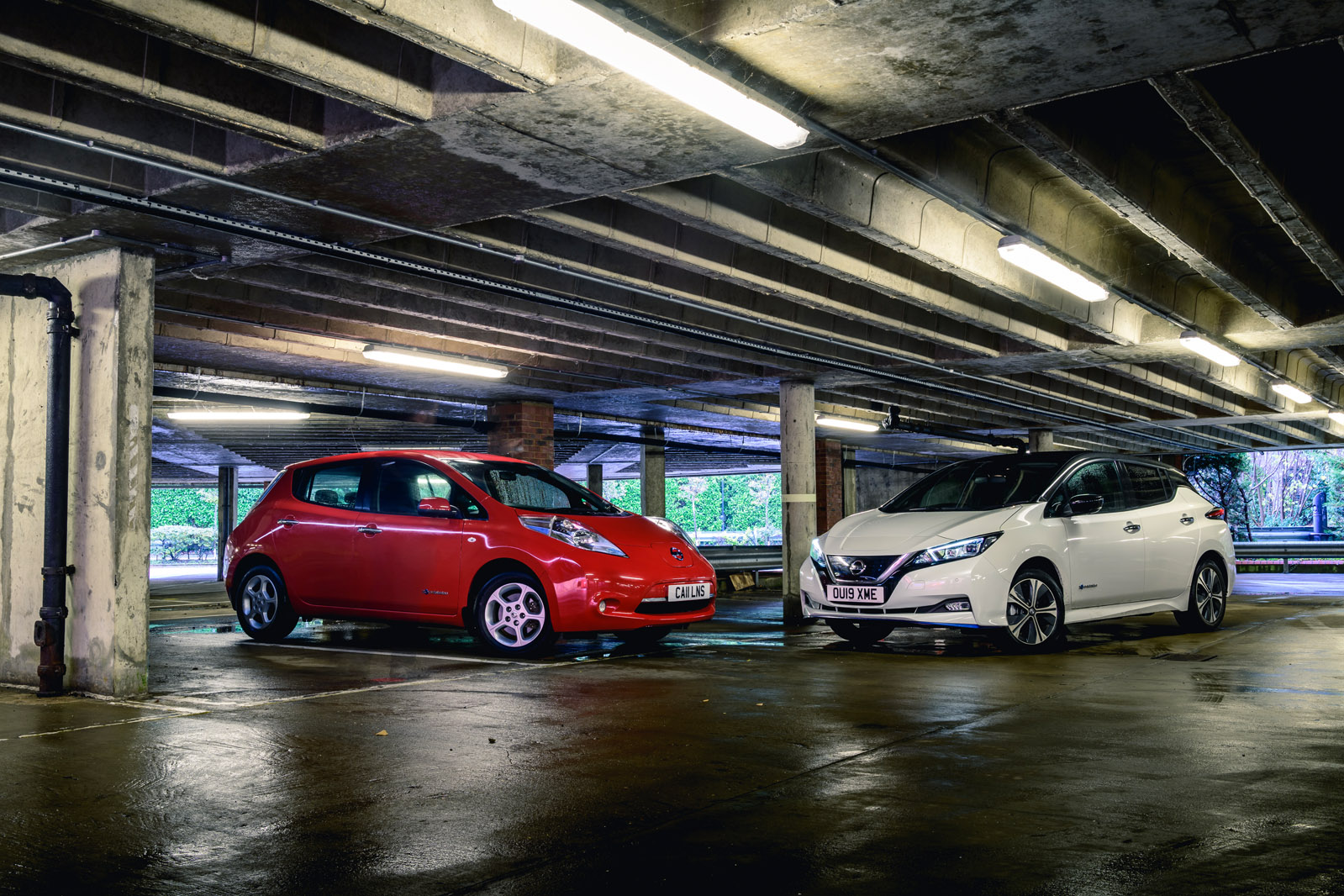
Evergreen Leafs: Celebrating 10 years of Nissan's trailblazing EV

A decade since its creation and into its second generation, the first mass-market electric car is established and here to stay. We drive an original and a new e+ and trace its development

Ten years ago, with then all-powerful Carlos Ghosn standing in the foreground to accept plaudits, Nissan revealed its revolutionary Leaf, a Ford Focus-sized hatchback and the world’s first modern mainstream EV.

Its design and development had cost about £4 billion, Nissan insiders boasted, which was around double what they would have had to spend on a similarly sized conventional car. But, they said, their view of the future made that outlay well and truly worthwhile – and so it has proved.

Reception of the Leaf was mixed. Futurists, early adopters and the eco-minded all admired the confidence of Ghosn and co in seeing where car engineering would need to go, but industry pragmatists were much less sure. Where were the customers for this car or the market forces that would make car buyers, always conservative, take it seriously? People rarely change their habits without powerful inducements, and there were none here.


Leaf 1.jpgLeaf 2.jpgLeaf 3.jpgLeaf 4.jpgLeaf 5.jpgLeaf 6.jpg
 
Living with an EV | This Norwegian owner can't get enough of her Nissan Leaf

• Norwegian driver Maria Jansen bought Nissan Leaf number 500 000.

• Worldwide sales of electric vehicles spiked by 43% in 2020.

• Norway has become the first country in the world where EV sales surpass cars powered by petrol, diesel or hybrid technology.

The Nissan Leaf is one of the world's most popular electric vehicles.

For Norwegian driver Maria Jansen - who also happens to be the proud owner of the 500 000th model - it is a purchase with no regrets.

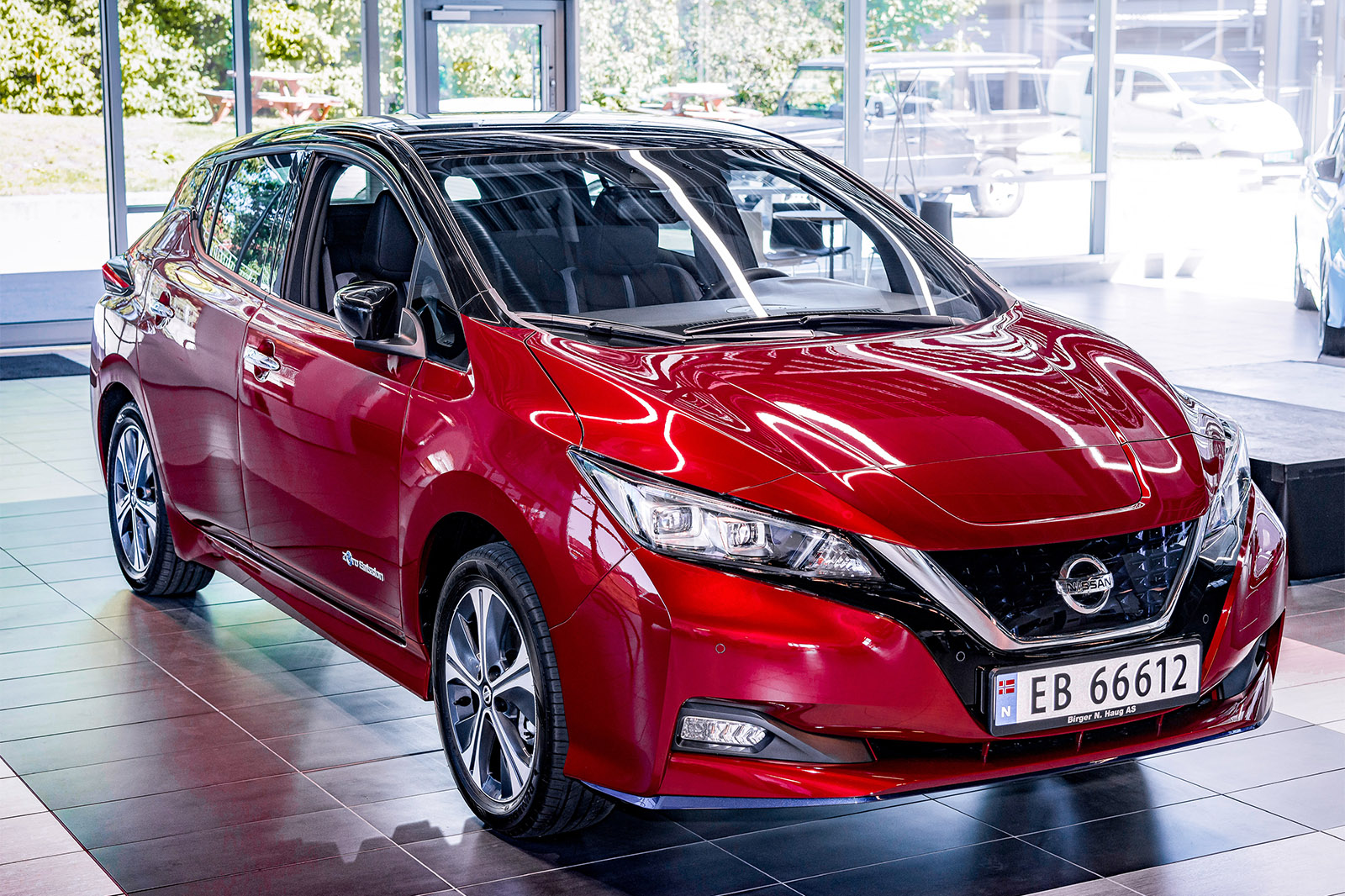
Maria, who lives with her husband, bought her first Leaf in 2017 and enjoyed it so much, she decided to upgrade. According to her, one of the most significant plus points is not having to worry about running out of power, even on longer trips. Her pride and joy is coated in a Magnetic Red body colour and uses a 62kWh battery.

She says its comfort, cost-effective, and zero-emission qualities make the Leaf a stand-out option that prospective buyers should consider.

https://www.news24.com/wheels/news/...cant-get-enough-of-her-nissan-leaf-20210627-2

Leaf 1.jpegLeaf 2.jpeg
 
Top
Sign up to the MyBroadband newsletter
X