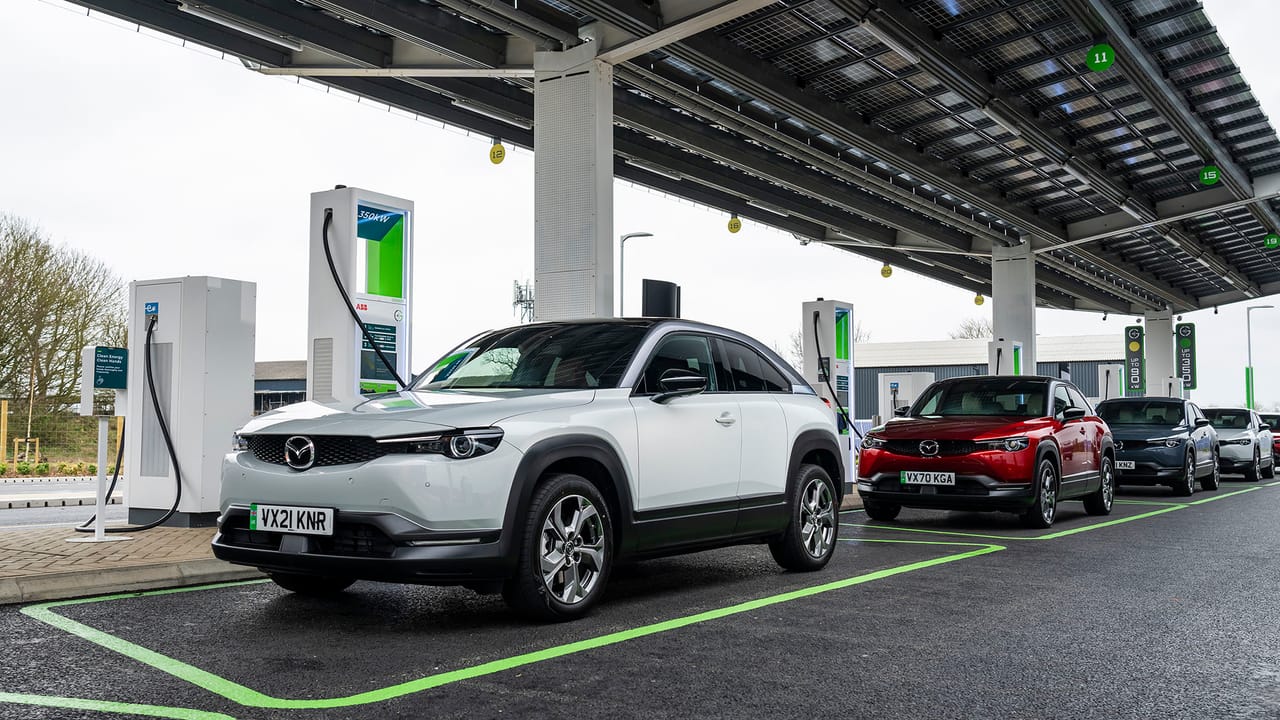
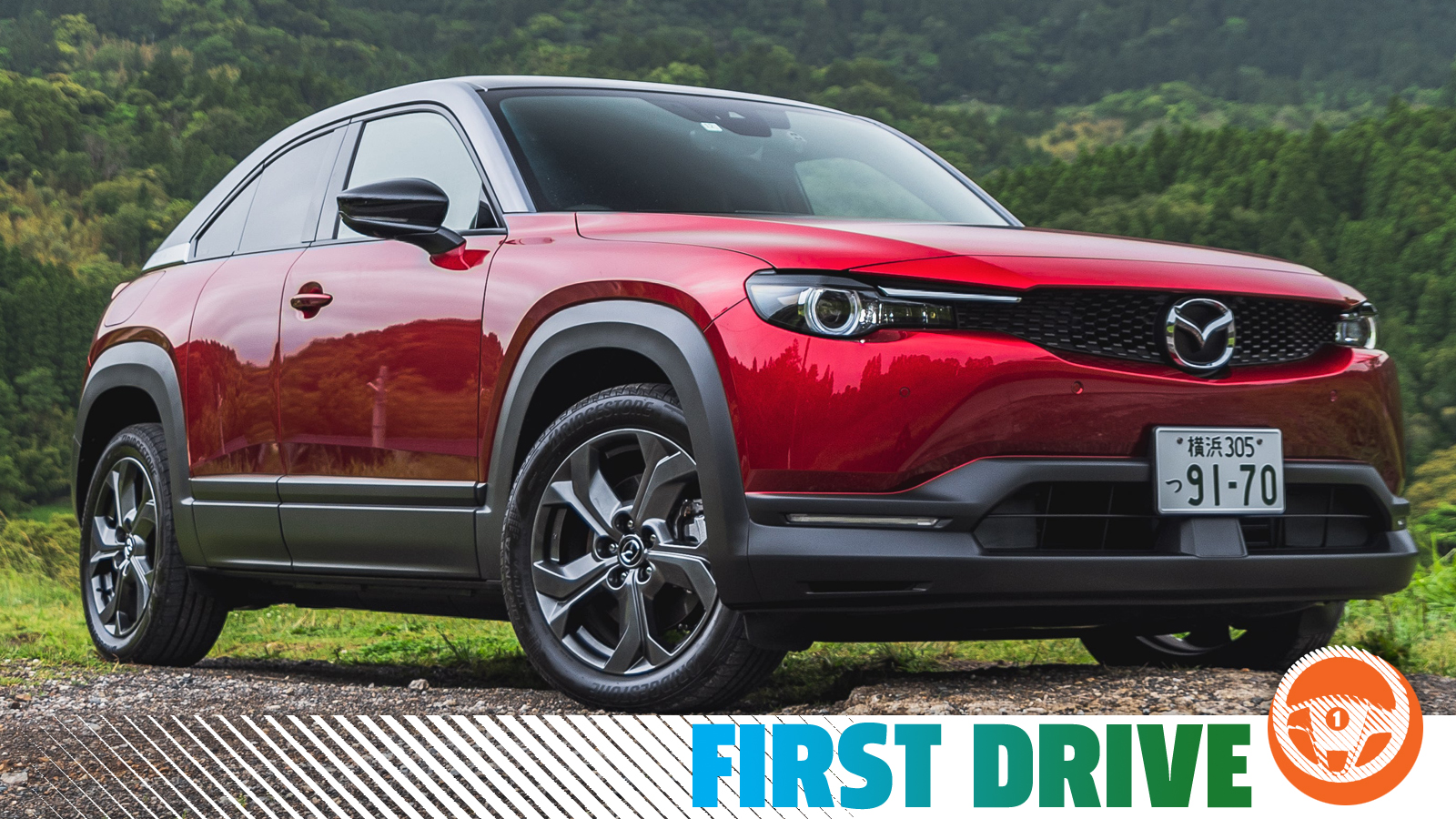
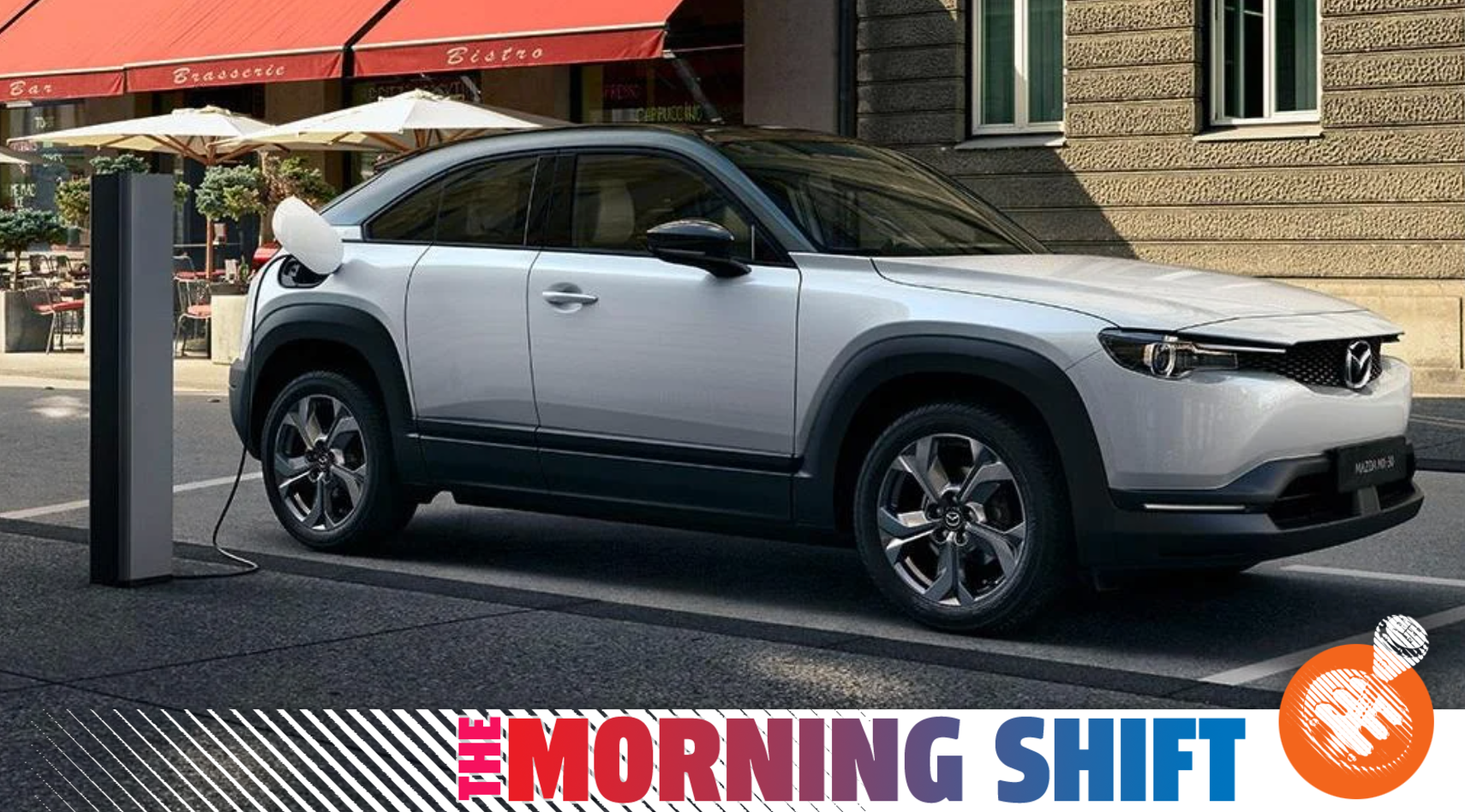
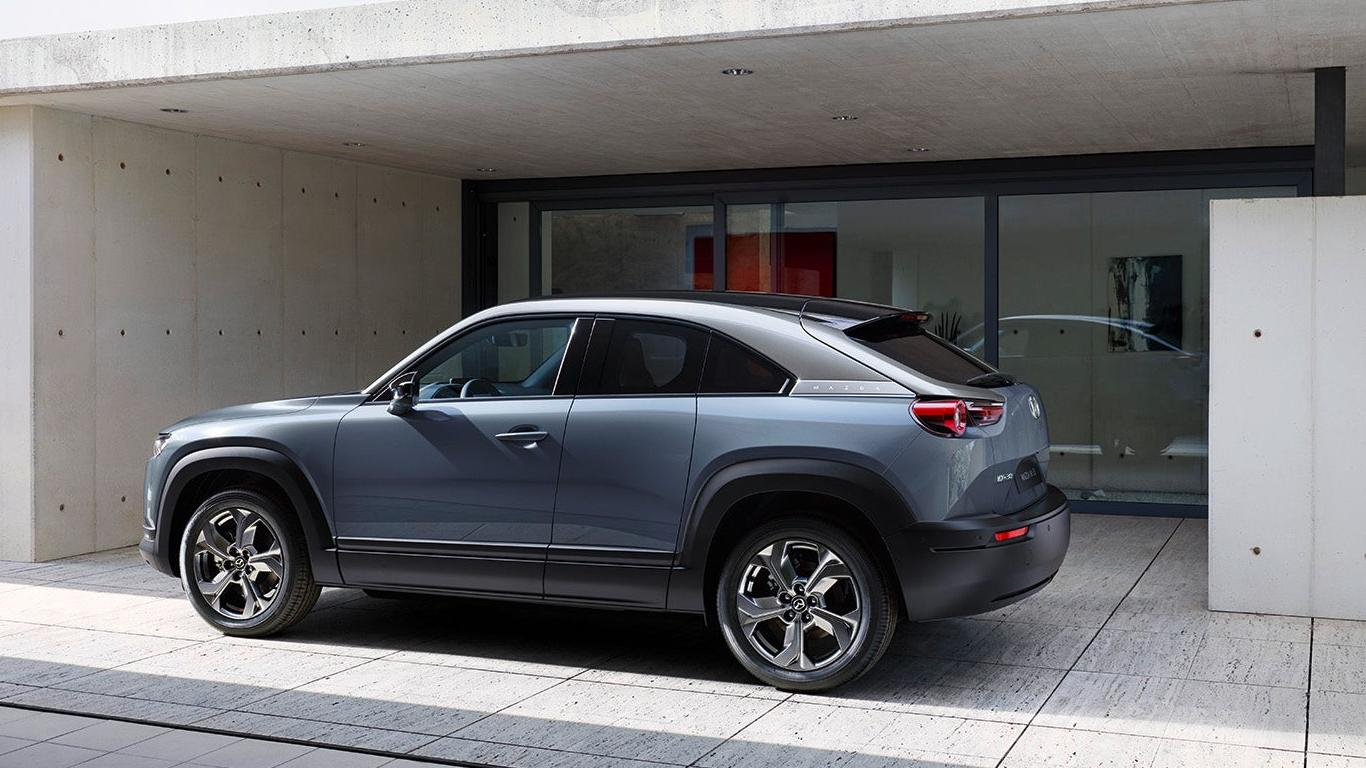
2021 Mazda MX-30 (Mazda's first EV)

Mazda's Funky MX-30 EV Is High Style, High Price, Low Range

Value

It’s also quite expensive. As it stands, the MX-30 EV is the most expensive car Mazda sells in Japan, beating the highest spec CX-8 by a whopping $900. That puts this in a predicament as it’s also a solid $11,000 more expensive than the hybrid version. Sure, the EV is smoother and will cost less to run, but it’s not like the hybrid version was an agricultural vehicle. Its range is much more usable. As a car to appeal to the masses, the MX-30 EV doesn’t quite make sense financially. I guess that’s unless you can get an amazing lease deal on it, which isn’t a thing in Japan. For those with a spare $45,000 laying around to buy it in cash, the Mazda badge isn’t quite premium enough. Though I do believe it’s getting there.


Mazda 1.JPGMazda 2.JPGMazda 3.JPGMazda 4.JPGMazda 5.JPGMazda 6.JPGMazda 7.JPGMazda 8.JPGMazda 9.JPGMazda 10.JPG
 
Now Mazda Is Going Big On Electrified Cars, Too

Mazda has been a beacon for efficient internal combustion engines

1st Gear: Mazda Says It Will Have 13 Electrified Cars By 2030

Mazda is trying to go premium. Mazda has the Holy Grail internal combustion engines. Mazda is also going electric, despite being a relatively small automaker with limited resources (as any Mazda public relations person will remind you). Mazda has been understandably hesitant to go in on EVs, though it appears that, with the assistance of Toyota, Mazda is now going in on EVs.

From Reuters:

Mazda will introduce 13 electrified cars by about 2025, including full-electric, plug-in hybrid and hybrid models,the automaker said in a statement on Thursday, and it aims to electrify all vehicles by 2030.

The rollout of three hybrids, five plug-in hybrids and three full-electric vehicles will start next year, focusing mainly on Europe, Japan, the United States, China and ASEAN markets, the company said in the statement.

The models will use Mazda’s Skyactiv multi-solution scalable architecture, and Toyota’s hybrid system will be incorporated into some.

[...]

Mazda also said it would develop a scalable platform specifically for EVs and planned for several models between 2025 and 2030.

The automaker will carry out EV development independently, while using basic technologies jointly created by Mazda, Toyota and Japanese supplier Denso, Senior Managing Executive Officer Ichiro Hirose, told reporters on Thursday.

 
Mazda announces new dual-platform electric car plan

Mazda has become the latest car company to weigh in on the electric car era and like its Japanese counterpart Toyota, the company is taking a multi-pronged approach that should see around 25 percent of the cars it sells being electric-only by 2030, ahead of its ultimate goal of achieving climate neutrality by 2050.

This plan will be underpinned by a large-scale roll-out of hybrid and electric vehicles in the next decade, which will be built around two new platforms that the company announced this week.

First in line, and something of a transitionary platform, is the ‘Skyactiv Multi-Solution Scalable Architecture’, which will underpin three purely electric vehicles as well as five plug-in hybrids and five regular hybrid models between 2022 and 2025. Mazda will also be introducing a more dedicated electric car platform called the ‘Skyactiv Scalable EV Architecture’ and this will spawn several EV products from 2025 onwards.

 
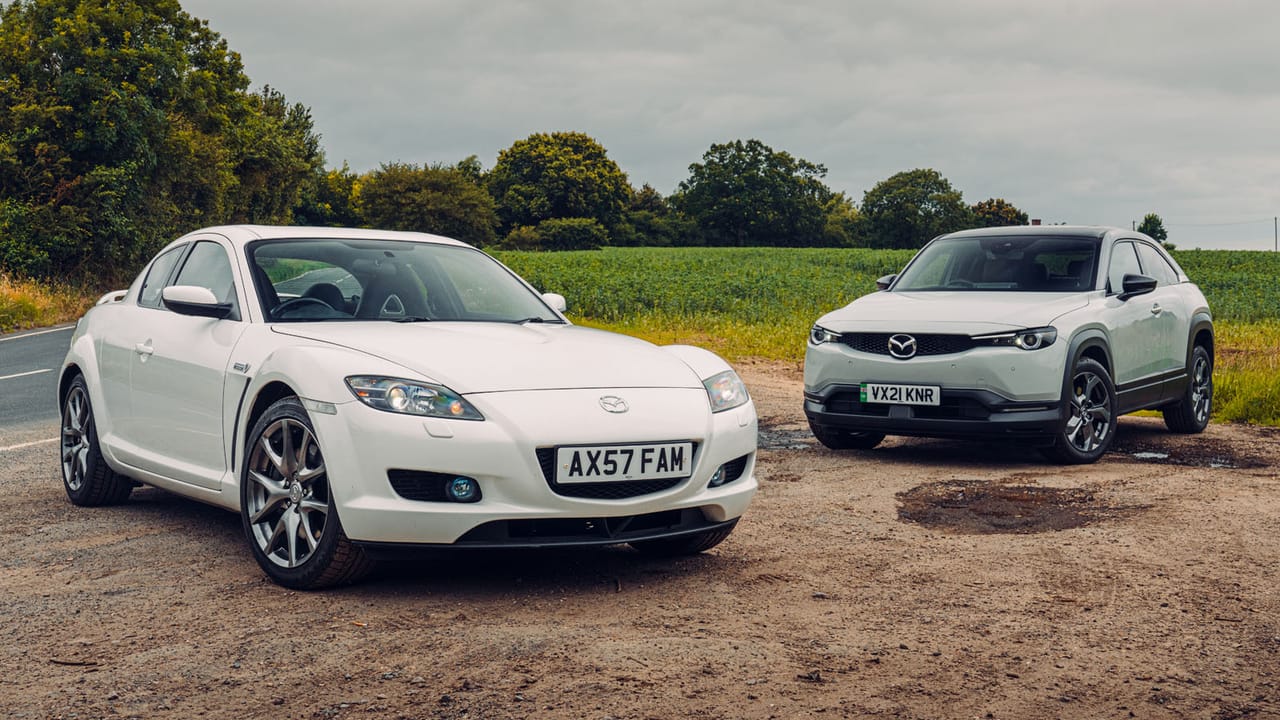
Progress report: Mazda RX-8 vs Mazda MX-30

It’s the doors, isn’t it?

Correct, and aren’t they just the coolest things you’ve ever seen? Not massively practical admittedly – less of a problem in the RX-8 than the MX-30, given the kinds of cars they are – but cool to look at and operate. The handles to open them are so similar, I wouldn’t be surprised to learn they had the same part number.


Mazda 1.jpegMazda 2.jpegMazda 3.jpegMazda 4.jpegMazda 5.jpeg
 

What Is Mazda Doing?​

With 100 miles of range and a starting price under $35K before incentives, does Mazda expect anyone to buy the MX-30?​


The Mazda MX-30 is a weird electric pseudo-crossover that is sort of too small and raked in the back to really be a crossover, with RX-8-style rear-hinged half doors. It’s also due to get paltry range among modern EVs, with the EPA quoting 100 miles on a single charge. And this week Mazda released the pricing for it here in the U.S., where it’ll start at $34,470 before incentives.

Who does Mazda actually expect to buy this thing? Does Mazda expect anyone to buy this thing?

Sure, there’s an argument to be made for the inexpensive commuter EV, the sort of frugal runabout the market has been missing. My coworker David believes getting folks into EVs as quickly as possible necessitates lots of low-range, cheap options. Lawrence, another coworker, agreed but cautioned that Mazda is eyeing California for the MX-30's American debut, and 100 miles is cutting it awfully tight for the average Golden State commuter.

We can argue all day about the value of the mythical sub-$20K EV that isn’t too nice and can’t drive too far, or why American drivers should be real with themselves and cool it with their range anxiety. But the MX-30 is not the vehicle that should be at the center of that debate — not when a nice one will still cost $30K after credits. Prices could dip into the mid $20K range with the additional rebates offered in California, as CarsDirect points out, though once availability extends to other states that won’t hold always true. Besides, those discounts apply to other EVs, too.

 
The 2022 Mazda MX-30 Is An Electric Car For American Reality

Mazda asks, 'Do you actually need more than 100 miles of range?'

Verdict

Ultimately, as I said at the beginning of this journey, the MX-30 EV is pretty much built for people like my wife and me. I bought an old Nissan Leaf with around 50 miles of range, and it has served extremely well as our around-town bopper and grocery getter, and before the pandemic I was using it to haul myself in to the office every morning. The MX-30 would be a much better car for those purposes, admittedly for a whole lot more money. Like 10 times more money than I paid for my janky used Leaf.

The MX-30 isn’t for everyone. Mazda thinks it’s only for 560 people, and even then only in California. I would say the market is much wider, perhaps serving the needs and functions of as much as 15 percent of American households. Getting Americans to buy something based on their needs rather than their wants, however, is going to be largely an impossibility.

 
Top
Sign up to the MyBroadband newsletter
X