


wingnut771
Honorary Master
I'm sure it is seeing it started off as a fireball.Great, now read the part where he explains that ice on Earth is a rarity.
South Africa’s biggest forum. Discuss, discover, and connect with thousands of members.
I'm sure it is seeing it started off as a fireball.Great, now read the part where he explains that ice on Earth is a rarity.

Twice if you include theia.........I'm sure it is seeing it started off as a fireball.
We all know the moon is one of theseTwice if you include theia.........


I'm sure it is seeing it started off as a fireball.
How long has there been ice on the poles?As he states, cold periods and ice ages are few and far between in geological time.
Billions of years ago, Earth was just a hot mess. No oxygen, no oceans, just endless eruptions burping out toxic gases. Volcanoes were like the planet’s first chefs, mixing up a nasty atmospheric stew of CO2, nitrogen, and steam. Tasted like shyte, smelled like it too but it got the job done.Then some microscopic overachievers aka cyanobacteria showed up and went, Thanks for the CO₂, we’ll turn this shyte into oxygen. Fast-forward a few billion years, the oxygen thieves of today, happily breathing in volcanic leftoversAs he states, cold periods and ice ages are few and far between in geological time.
How long has there been ice on the poles?
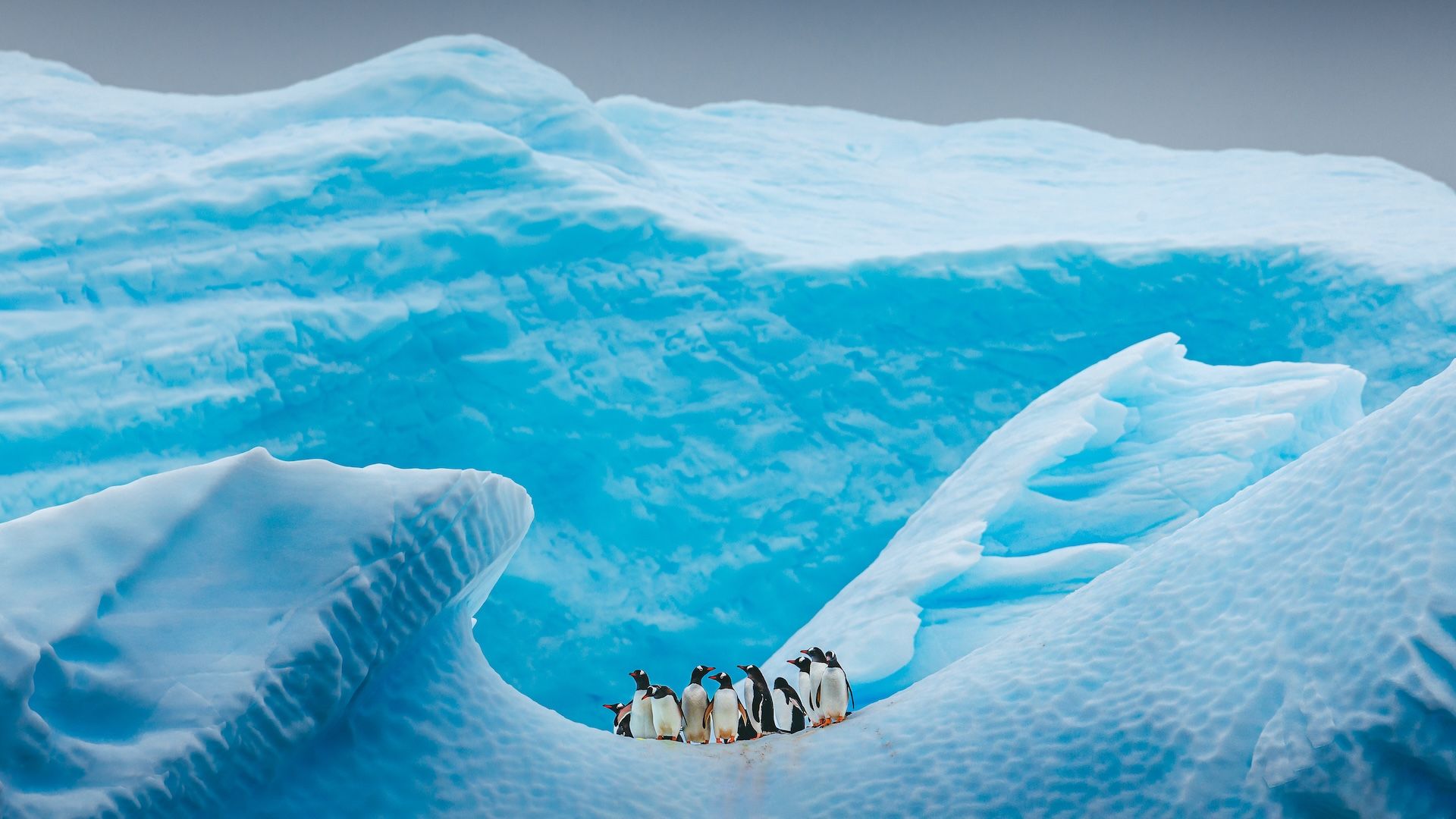
 www.livescience.com

We're in an ice age now stillAs he states, cold periods and ice ages are few and far between in geological time.
Yes, 34 million years ago is a long time ago for Civilizations to be living on Antarctica.But the South Pole hasn't always been frozen. So when was the last time Antarctica was ice-free?
This ice cap formed relatively recently in geological terms, experts told Live Science. "I think most people would say 34 million years ago was when the ice sheet first formed in Antarctica," said Eric Wolff, a paleoclimatologist at the University of Cambridge. "[Previously] most of it would have been like northern Canada today — tundra and coniferous forest."
Global temperatures are a key factor influencing the extent of ice coverage. Around 50 million years ago, the world was about 25 degrees Fahrenheit (14 degrees Celsius) warmer than it is today, but temperatures steadily decreased over the following 16 million years. By 34 million years ago — a time period known as the Eocene-Oligocene boundary — the climate was 14.4 F (8 C) warmer than it is today.
When was the last time Antarctica was ice-free?
Antarctica is covered by a miles-thick ice sheet, but was that always the case? And when was the coldest continent ice-free?
Well interglacial periodWe're in an ice age now still

It's a long time for HUMANS. Forget human civilisation.Yes, 34 million years ago is a long time ago for Civilizations to be living on Antarctica.
We're really bad at thinking of timeIt's a long time for HUMANS. Forget human civilisation.
Modern humans aren't even 1 million years old as a species.
I know. What other civilisations are we talking about here?It's a long time for HUMANS. Forget human civilisation.
Modern humans aren't even 1 million years old as a species.
None. There's no evidence.I know. What other civilisations are we talking about here?
Isnt it a human construct anyway?We're really bad at thinking of time
So why are you arguing then about jungles on Antarctica?None. There's no evidence.
I'm... not??? (have you confused me with someone else???)So why are you arguing then about jungles on Antarctica?
Maybe, sorry.I'm... not??? (have you confused me with someone else???)
I'm just pointing out that 34 million years is waaaaay before humans were around.
I mean it wasn't magic. We have tons of ancestors. We didn't just pop into existence.Maybe, sorry.
Yeah, we've only been around for like 150 000 years or something where we just magically appeared one day.