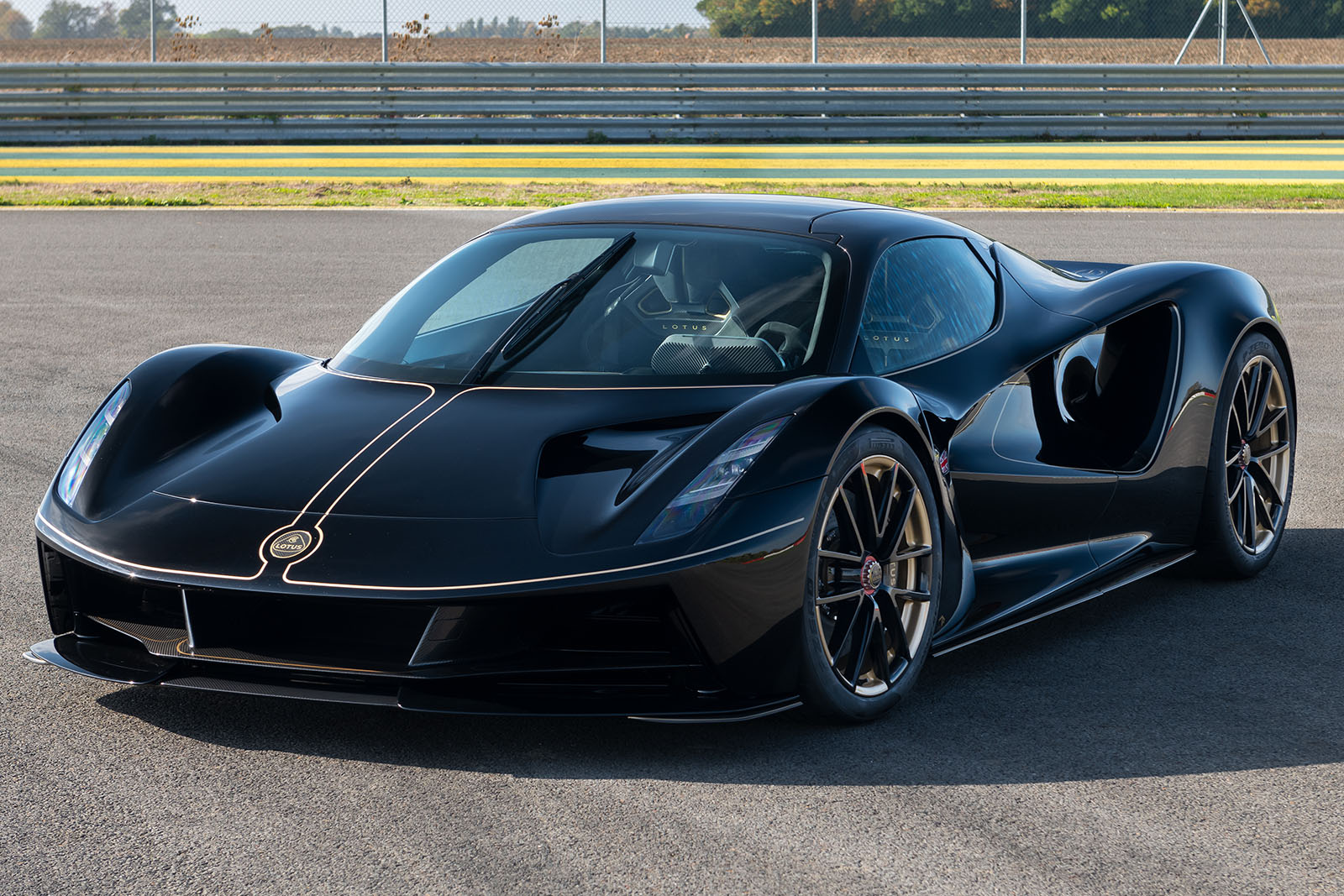
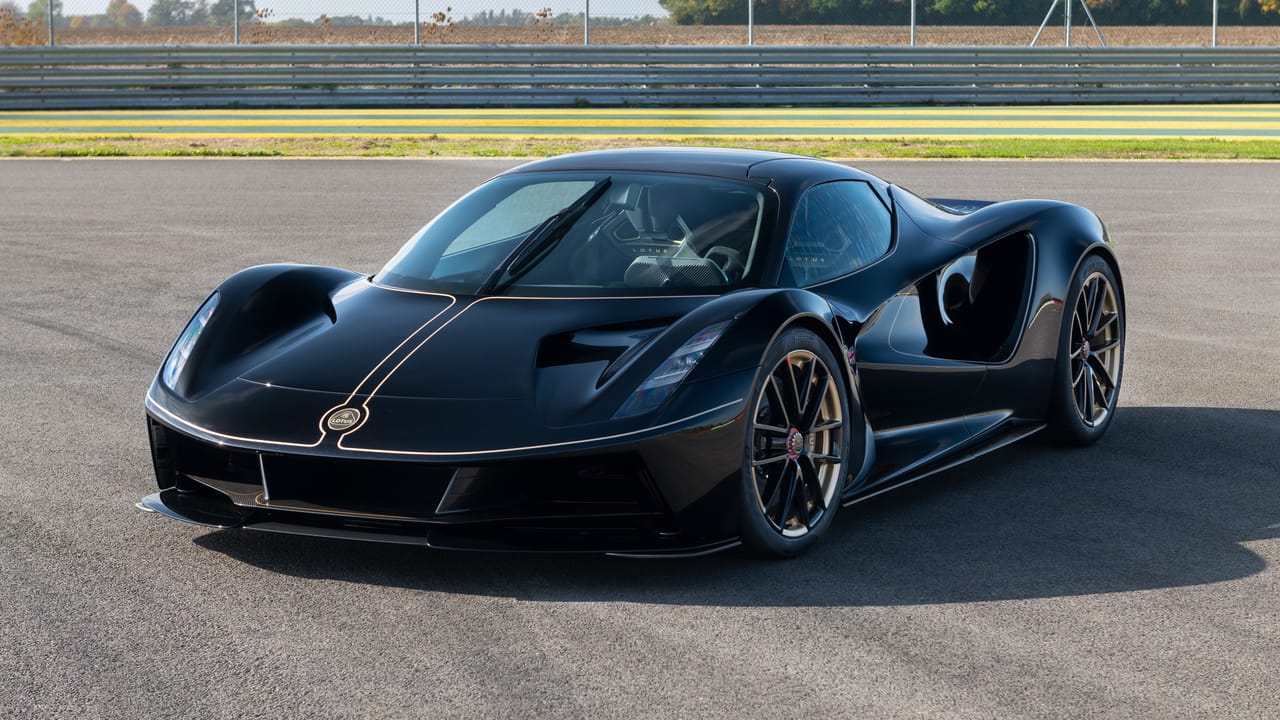
First drive: 2021 Lotus Evija prototype review
Can a £2m-plus electric hypercar with around 2000bhp still feel like a Lotus? An early drive in a prototype proves very revealing
The few neighbours of Lotus’s Hethel track have grown used to the noise of high-performance powerplants being wrung out over the years, from Ford DFVs through to the supercharged Toyota V6s that power the senior end of the company’s present line-up.
But none has sounded anything like this. Inside its cockpit, the Evija prototype is far from silent, a muscular electrical hum overlaying the rumble of the track under the tyres and the chattering of the suspension working. Plus, as speed builds, the rush of the increasing air pressures on the outside of the swoopy bodywork. But from outside, it is almost freakishly quiet compared with the hypercar alternatives in this elevated part of the market, whistling past with the sound of little more than displaced air, like a high-speed electric train.
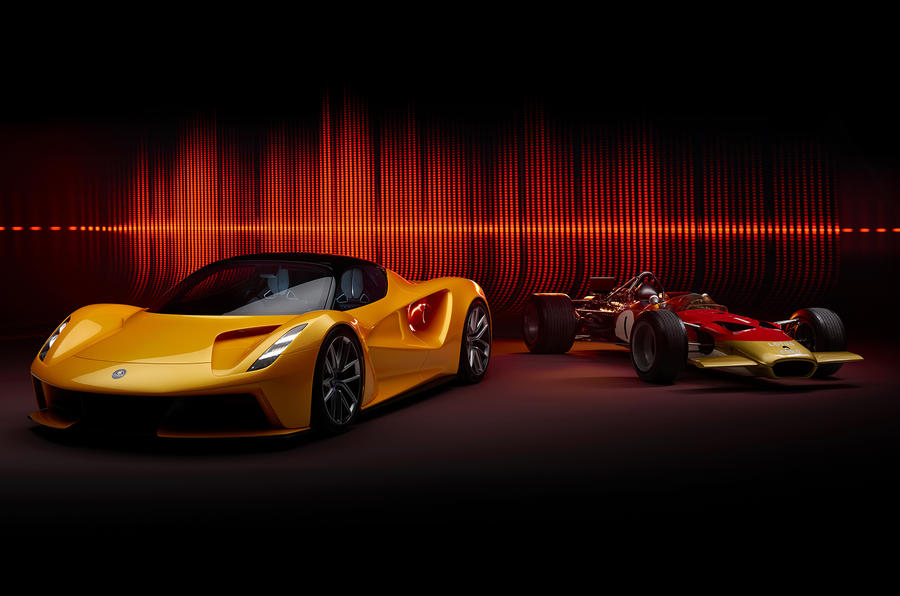
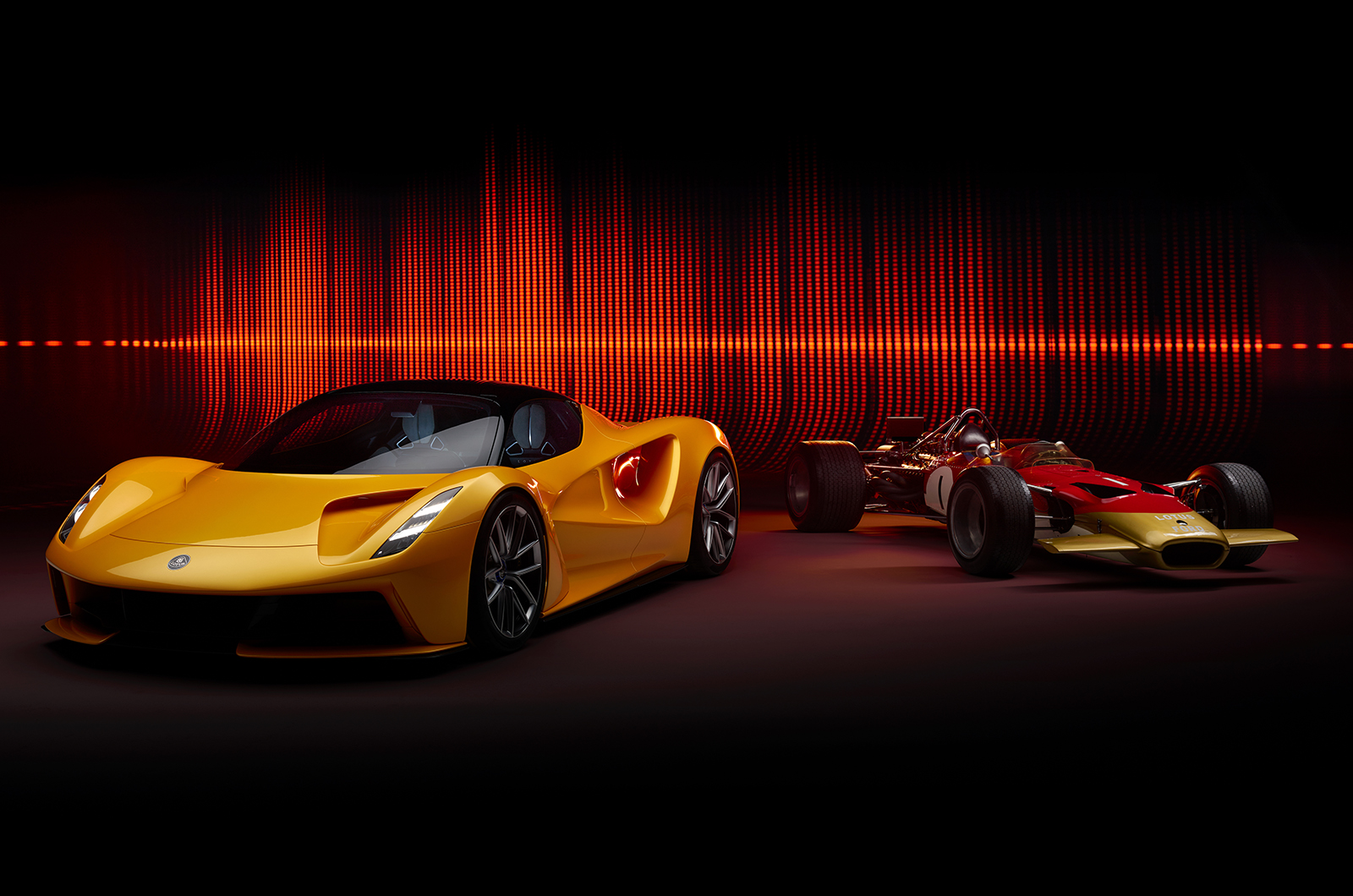
This isn’t surprising, of course – and the finished car will have an artificial pedestrian-warning ‘soundscape’ based on the noise of a Type 49 at low speed. But it does make more of a difference than you might expect it to, especially when compared with the experience of the lesser EVs, whose silence often feels golden. The Evija’s lack of sound and fury denies it much of the visceral thrill that normally comes from a four-figure power output, the lack of rising revs or gearchanges removing those “that’s quick” reference points for both occupants and onlookers.
Big engines are all about drama. Even the most potent electric powertrains are defined in large part by their lack of it. For the driver, that means the Evija’s ability to engender startling speedometer numbers in minimal time comes as even more of a surprise.
All on-sale Lotus cars reviewed by the Autocar road test team, providing the most detailed car reviews in the world since 1895

www.autocar.co.uk


 www.zero2turbo.com














 jalopnik.com