Trump’s tariffs an unmanageable risk for SA carmakers
For decades, South Africa has benefited enormously from German luxury car brands’ assembly plants. BMW’s Rosslyn and Mercedes-Benz’s East London facilities produce high-margin luxury cars for American buyers. It’s been a terrific business – until now.
From the early 2000s, an American preference for BMW 3 Series and Mercedes-Benz C-Class sedans drove enormous profits for BMW and Mercedes-Benz’s South African operations. It was an excellent example of the benefits of globalisation: South African build costs and American retail price profits.
BMW and Mercedes-Benz also applied German labour environment standards, which meant working in the Rosslyn and East London facilities provided access to notable benefits and upskilling opportunities.
America is a high-value market
There’s a lot of noise and panic in naamsa | The Automotive Business Council and Government circles about what American tariffs could do to the South African car industry. Tariff math is simple, but its meaning is a bit more complicated…
America accounts for a very small percentage of South African-built vehicle exports. Last year, it was only 6.5%. But it’s value that matters, not volume. South Africa exports expensive luxury cars to North America – as opposed to, say, budget hatchbacks – which means the per-unit effect is huge. Last year, the total value of South African-built BMW and Mercedes-Benz products for American customers, plus South African automotive components, totalled R35 billion. Vehicles alone were 25 553 units.
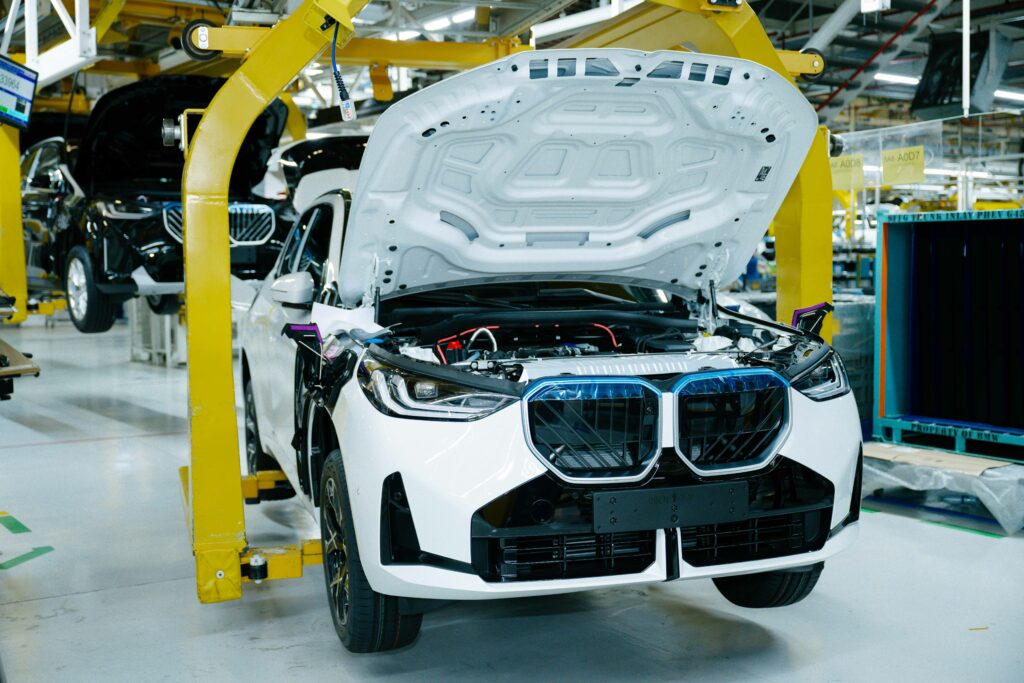
South African BMW X3 and Mercedes-Benz C-Class builds will trigger the new 25% tariff on all imported vehicles, eroding their price-competitive sourcing. It’s a minor trade and industrial policy tragedy, as South African-made German luxury cars have developed to an excellent assembly standard, pleasing even the most demanding of American customers.
Africa’s luxury automotive leader
For BMW and Mercedes-Benz, it’s an abundantly complex scenario. Rosslyn and East London are some of the oldest German luxury car assembly facilities outside of Europe, and have no rivals in Africa.
Other African automotive zones, such as Morocco and Egypt, don’t have the supply chain to support ultra-luxury builds like X3 or C-Class. Morocco makes more vehicles, but mostly budget Renault and Dacia hatches. In X3 and C-Class, Mzansi builds much higher sophistication and -spec cars for export.
Automotive jobs are among the best manufacturing employment opportunities in South Africa. In the Eastern Cape, especially East London, the economy is hugely dependent on Mercedes-Benz. And, not just for primary manufacturing wage employment and skills development, but also the localised supply chain that Government regulations have developed.