Tankless geysers

I have two modern gas geysers, both self fire, both require electricity with the one being mains and the other a battery but I see that you were talking about mains electricity. Admittedly, besides the ratings difference between our two geysers, the one requiring mains electricity is far, far better than the one requiring only a battery but we have an ESS so electricity supply isn't an issue.

That’s interesting.

But it must surely doesn’t relate to the way the pilot light fires up? Better in what way?

I would think though that if the electricity is only required for the pilot light then surely it can be overridden manually during load shedding?

Personally I’ve never enjoyed a gas geyser. They always seem to either turn on and off the whole time fluctuating in temperature, or when they don’t do that they are simply too bloody hot to start with.

Definitely not a compromise I would make if I can help it. Same way I avoid it for cooking.
 
That’s interesting.

But it must surely doesn’t relate to the way the pilot light fires up? Better in what way?

I would think though that if the electricity is only required for the pilot light then surely it can be overridden manually during load shedding?

Personally I’ve never enjoyed a gas geyser. They always seem to either turn on and off the whole time fluctuating in temperature, or when they don’t do that they are simply too bloody hot to start with.

Definitely not a compromise I would make if I can help it. Same way I avoid it for cooking.

Our smaller gas 'geyser' which is rated at 5l/min and uses a 9v battery is set manually using a dial which controls the amount of gas burnt and in turn the temperature of the water exiting the 'geyser'. Very simple in design and operation but the flow rate of the water through the 'geyser' can have a huge impact on the water temperature as the gas burnt is preset and does not change unless manually changed.

Our larger gas 'geyser' which is rated at 16l/min and uses mains electricity is also 'manually' set using an electronic interface on a control board but using a target temperature. The control board monitors both water flow rate, water temperature and gas flow rate and adjust the gas flow rate to achieve the preset water temperature. So, if flow rate increases which water temperature to decrease the control board increases gas flow rate bring the water temperature back up to the preset, and vice versa within the limits of the 'geyser'.

We cook on our gas stove top which is a lot better than electrical stove tops and we don't miss the old electric type geysers since we got used to our gas 'geyser'.
 
Our smaller gas 'geyser' which is rated at 5l/min and uses a 9v battery is set manually using a dial which controls the amount of gas burnt and in turn the temperature of the water exiting the 'geyser'. Very simple in design and operation but the flow rate of the water through the 'geyser' can have a huge impact on the water temperature as the gas burnt is preset and does not change unless manually changed.

Our larger gas 'geyser' which is rated at 16l/min and uses mains electricity is also 'manually' set using an electronic interface on a control board but using a target temperature. The control board monitors both water flow rate, water temperature and gas flow rate and adjust the gas flow rate to achieve the preset water temperature. So, if flow rate increases which water temperature to decrease the control board increases gas flow rate bring the water temperature back up to the preset, and vice versa within the limits of the 'geyser'.

We cook on our gas stove top which is a lot better than electrical stove tops and we don't miss the old electric type geysers since we got used to our gas 'geyser'.
Yes it is a case of learning to live within the parameters of the gas appliance not that difficult but does take some effort and adjustment of habits.
 
Our smaller gas 'geyser' which is rated at 5l/min and uses a 9v battery is set manually using a dial which controls the amount of gas burnt and in turn the temperature of the water exiting the 'geyser'. Very simple in design and operation but the flow rate of the water through the 'geyser' can have a huge impact on the water temperature as the gas burnt is preset and does not change unless manually changed.

Our larger gas 'geyser' which is rated at 16l/min and uses mains electricity is also 'manually' set using an electronic interface on a control board but using a target temperature. The control board monitors both water flow rate, water temperature and gas flow rate and adjust the gas flow rate to achieve the preset water temperature. So, if flow rate increases which water temperature to decrease the control board increases gas flow rate bring the water temperature back up to the preset, and vice versa within the limits of the 'geyser'.

We cook on our gas stove top which is a lot better than electrical stove tops and we don't miss the old electric type geysers since we got used to our gas 'geyser'.

Okay so even the newer fancier one has the same fluctuations but I would imagine just smaller ones?

Conventional electric stove tops take forever to get up to temperate which is where gas wins but they are much more consistent once there.

Induction; however is on par with the speed of gas if not faster in many cases while also being super consistent with way more granular control.
 
Okay so even the newer fancier one has the same fluctuations but I would imagine just smaller ones?

Conventional electric stove tops take forever to get up to temperate which is where gas wins but they are much more consistent once there.

Induction; however is on par with the speed of gas if not faster in many cases while also being super consistent with way more granular control.

Yeah, we don't feel it though, we have largely figured out how to get the quickest and most consistent hot water using our gas 'geyser'

We'll have to agree to disagree regarding the gas stove top, I have not used any electric stove top that comes close to cooking on a gas stove top.
 
Induction; however is on par with the speed of gas if not faster in many cases while also being super consistent with way more granular control.

I guess if you really need to go down to 100/50/20/10/5watt heating granularity sure,but for the majority I don't think it needs to be that granular. It's also a beast when it comes to electricity requirements (well,like most heating things anyway)

Okay so even the newer fancier one has the same fluctuations but I would imagine just smaller ones?

What kind of fluctuations though? The idea,or let's say the ideal setup is you have the temperature tweaked to XX degrees at full tilt,so for us its around 55 Degrees,then you add your cold water to counter this

Only fluctuation I can think of is if your cold water pressure to the geyser drops (which the "smart" ones try adjust for by lowering the gas flame) - the flow of hot water from the geyser will be less,but hotter so the ratio of cold to hot water will change with less-but-hotter water coming to your mixer,which should balance itself out somewhat and not cause instant death :ROFL:
It does take a little getting used to the Hot tap output not giving as granular output due to this inverse temperature increase so you would instead of just slowing the Hot water,add some cold to the mix too to cool it down
 
Last edited:
We'll have to agree to disagree regarding the gas stove top, I have not used any electric stove top that comes close to cooking on a gas stove top.

Induction is a very different beast.

It’s almost instant and there is no guessing or adjustment to be done very once you know your way around.

At both my mothers houses I need to constantly adjust the flame when cooking on gas as it’s either too high or too low and then every time I do even the same thing I need to find that centre again.
 
I guess if you really need to go down to 10/50/20/10/5watt heating granularity sure,but for the majority I don't think it needs to be that granular. It's also a beast when it comes to electricity requirements (well,like most heating things anyway)

Not a beast at all because it’s super fast and hardly ever needs to run at 100%, so the one offsets the other and I never need to run around to refill gas bottles.

The granularity is fantastic because I know for pancakes with a given pan I set it to 35 and flip at 30 seconds and it’s perfect. No first pancake fail and back and forth it does this every single time.

Same goes for eggs etc. 45 for 1 1/2 minutes with lid on and then off the plate and they come out perfectly cooked and soft etc.


What kind of fluctuations though? The idea,or let's say the ideal setup is you have the temperature tweaked to XX degrees at full tilt,so for us its around 55 Degrees,then you add your cold water to counter this

Only fluctuation I can think of is if your cold water pressure to the geyser drops (which the "smart" ones try adjust for by lowering the gas flame) - the flow of hot water from the geyser will be less,but hotter so the ratio of cold to hot water will change with less-but-hotter water coming to your mixer,which should balance itself out somewhat and not cause instant death :ROFL:
It does take a little getting used to the Hot tap output not giving as granular output due to this inverse temperature increase so you would instead of just slowing the Hot water,add some cold to the mix too to cool it down

Oh god without a mixer tap at one place I stayed it was almost bad enough for me to go and have a bath.

But even with a mixer tap I’ve always found I need to adjust it constantly.

Granted these have always been in other people’s houses or places I’ve stayed for holidays but it’s enough for me to never want to do it to myself.

Also the very notion of carting gas bottles around is ridiculous and counter productive, especially when it’s not even all that much cheaper.
 
Induction is a very different beast.

It’s almost instant and there is no guessing or adjustment to be done very once you know your way around.

At both my mothers houses I need to constantly adjust the flame when cooking on gas as it’s either too high or too low and then every time I do even the same thing I need to find that centre again.

I am pretty sure my fiancé's brother has an induction stove top at his place which I have cooked on before, which I must admit is a lot better than most of the conventional electric stove tops.
 
But even with a mixer tap I’ve always found I need to adjust it constantly.
It takes a day or 2 to get the Nuance,even visitors here have adjusted successfully


Also the very notion of carting gas bottles around is ridiculous and counter productive, especially when it’s not even all that much cheaper.
Plenty of Gas delivery services that do al the heavy lifting for free

I do Gas on Tap from the Gas Company,R50pm they come swop out specified cylinders weekly/monthly as scheduled and charge the used gas only
 
It takes a day or 2 to get the Nuance,even visitors here have adjusted successfully


Plenty of Gas delivery services that do al the heavy lifting for free

I do Gas on Tap from the Gas Company,R50pm they come swop out specified cylinders weekly/monthly as scheduled and charge the used gas only

It’s still a major inconvenience of arranging access to premises etc.

And how much do you really save?
 
It’s still a major inconvenience of arranging access to premises etc.

And how much do you really save?

It's only been an inconvenience when I forgot to leave our gas bottle cage open :rolleyes: I use the same company for our 9kg and 48kg refills, arrange the day when our gardener is here and they take care of the rest. I would have gone for municipal supply but we are around 140m away from the main line.
 
It’s still a major inconvenience of arranging access to premises etc.

Working from home and plenty of others on property,or schedule for a weekend. Or have a 48Kg and deal with it twice a year. DAYUM SON

Monetary savings have paid the 1 unit of 2 off after a year,but disregarding that,unlimited hot water when we had visitors, and 0 Eskom dependency has been great. The solar inverter/generator can keep the rest of the equipment online for 3-4x the duration without blowing its battery wad on a kettle for a cup of coffee
 
March 2019 Municipal account which included Electricity: R2400
April 2019: Switched to gas for hot water, hob and oven.
Switched to prepaid for electricity.
Monthly Municipal account since then: R920
Monthly Prepaid electricity purchase: R500 (always units left over).
19kg gas bottle every 40 days: R480
No changes in cooking / washing habits, still just 2 adults in house.
Savings? Definitely.
Cocking a snook at Eskom? Priceless!
 
What's the cost of upgrading to a Gas Geyser?
I'm in the process of buying my first home, I will be staying alone, so a geyser wastes a lot of electricity in my household.

The new place already has a gas stove, i figure with gas Geyser and Gas stove i'll bring my electricity bill right down.
I'm looking at long term cost savings.
 

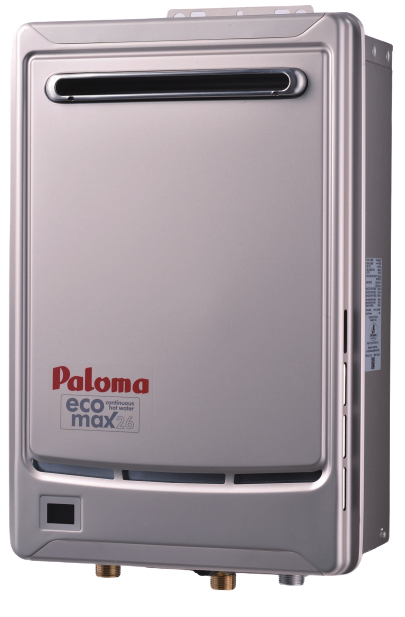
These bad boys still require an electrical connection sadly. Anybody know of a similar sized geyser that has a battery backup up system? Or is there any easy way to avoid load shedding issues with these Paloma guys?
I've not read all the responses

You do get units like that that run on gas...
 
What's the cost of upgrading to a Gas Geyser?
I'm in the process of buying my first home, I will be staying alone, so a geyser wastes a lot of electricity in my household.

The new place already has a gas stove, i figure with gas Geyser and Gas stove i'll bring my electricity bill right down.
I'm looking at long term cost savings.
Two years ago we paid R16,145.00 to have a DewHot 16l supplied and installed with a weather shield, 2 x 19kg bottles supplied and installed in a cage, and all gas lines including to the gas stove and a COC. There was a bit of plumbing involved as well, included in price.

Our DewHot ignites with a single "D" size battery, which lasts about 9 months.
 
What's the cost of upgrading to a Gas Geyser?
I'm in the process of buying my first home, I will be staying alone, so a geyser wastes a lot of electricity in my household.

The new place already has a gas stove, i figure with gas Geyser and Gas stove i'll bring my electricity bill right down.
I'm looking at long term cost savings.
Last price I got on the hardware only:
10lt R2300
20lt R3650

Install depends on the installer and your setup

I got a 16L and 10L supplied and installed for 13k last year excluding cylinders and cages
 
March 2019 Municipal account which included Electricity: R2400
April 2019: Switched to gas for hot water, hob and oven.
Switched to prepaid for electricity.
Monthly Municipal account since then: R920
Monthly Prepaid electricity purchase: R500 (always units left over).
19kg gas bottle every 40 days: R480
No changes in cooking / washing habits, still just 2 adults in house.
Savings? Definitely.
Cocking a snook at Eskom? Priceless!

You see your gas bill there is pretty much my entire hot water bill for the same period so it’s inconsequential to me and just more work.

And that’s for 4 people.

I’d simply switch it all to solar and retain the conventional electrical geyser and stove if I want to get away from Eskom.

Gas is not the answer for me.
 
Last price I got on the hardware only:
10lt R2300
20lt R3650

Install depends on the installer and your setup

I got a 16L and 10L supplied and installed for 13k last year excluding cylinders and cages

See that’s pretty much the cost of just making my geyser run off solar and never needing to refill anything.

And it’s a large chunk of nearly going fully off grid should I ever want to go there.
 
Top
Sign up to the MyBroadband newsletter
X