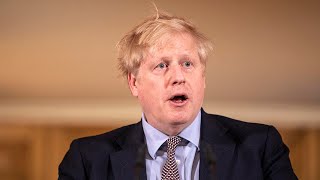
With a massive 80-seat parliamentary majority, Johnson has been able to present himself as more statesman-like and dynamic than his European counterparts, many of whom are dealing with political crises of their own. In Germany, the two biggest political parties are in the grip of an ongoing psychodrama, owing to challenges from the Greens on the left and the Alternative for Germany on the (far) right. In France, President
Emmanuel Macron is pursuing a difficult
pension reform, and will likely have his nose bloodied in local elections next month. Spain and Italy, meanwhile, have weak and divided governments.
Moreover, Johnson is preparing a populist economic-policy package, complete with
fiscal stimulus and Trump-like handouts to favoured constituencies. The hope is to engineer an economic upswing that will position the UK to outperform the eurozone, at least in the short term. If the gambit succeeds, populist parties in other EU member states will once again see Britain as a model (rather than a cautionary tale) for their own Eurosceptic causes.
Making matters worse, European leaders will now find it much more difficult to maintain the impressive level of intra-EU unity achieved by
Michel Barnier, the EU’s chief Brexit negotiator, during the first phase of the talks. Once the EU begins to negotiate the details of a trade and investment deal with the UK, the divergent economic models and security needs of northern, southern, eastern, and western member states will be much harder to reconcile. Johnson’s government, embracing the role of
Perfidious Albion, will not hesitate to exploit these divisions.