The Local & Global Car Defect & Recall Thread

Maruti Swift, Dzire, Baleno, Brezza, S Cross – Steering column silent replacement? - Rushlane
The replacement is aimed to fix a sticky and noisy steering system.


Recalling vehicles to replace a defective component is not a new thing in the automotive industry. The onus is on OEM's to ensure that the vehicles manufactured by them do not have any potential flaws that endanger the occupants and fellow road users.

While on most occasions car makers openly announce a recall campaign explaining the details of the flaw and potential outcome, there are instances where the exercise is masked as a service camp or executed without publicity on a case-by-case basis.

We have come across a internal document as well a few customer testimonials on social media indicating that Maruti Suzuki has issued a notification to its service centres, advising them to replace steering columns of multiple models belonging to suspected batches.

The document which appears to be a circular to the authorised dealerships details the list of models and respective VIN and Chassis No. ranges of suspected units.

The document also says that the service centres should replace the steering column at no cost to the customer in case a vehicle belonging to the suspected batch arrives with a complaint of abnormal noise or sticky movement of the steering system.

Interestingly, the notification also advises the dealerships to maintain confidentiality about this replacement exercise.

The replacement of the steering column of a car belonging to the affected batches will not be charged to the customer even if the vehicle is out of warranty.

The affected models are Baleno (both petrol and diesel variants), Vitara Brezza (diesel), S-Cross (diesel), Swift and Dzire (both petrol and diesel variants).


It looks like Maruti’s decision to replace the steering column free of charge comes after a series of complaints by customers.

The specification of ranges of chassis numbers of affected vehicles indicate that Maruti’s investigation has identified the root cause.

A sticky steering column has a direct influence on a vehicle’s manoeuvrability and stability.

While Maruti’s effort to replace a faulty component for free should be appreciated, it is also to be noted that such a flaw with potential safety implications should have initiated a full fledged recall campaign.

Why wait till vehicles belonging to the suspected batches to develop a snag? Isn’t prevention better than cure?

 
You Hate To See Seven BMW Supras Recalled For Faulty Seat Belts - Jalopnik

719638

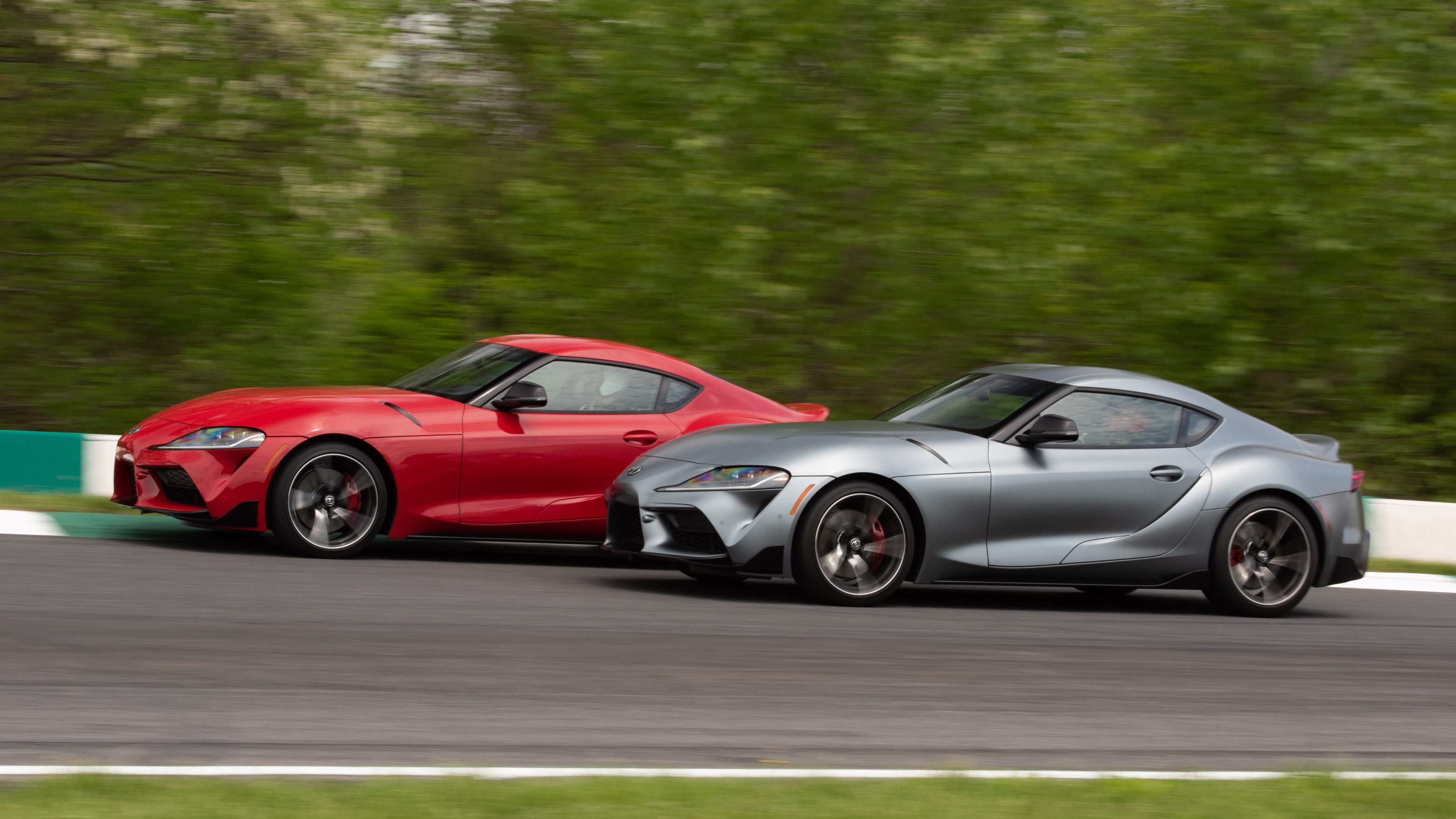
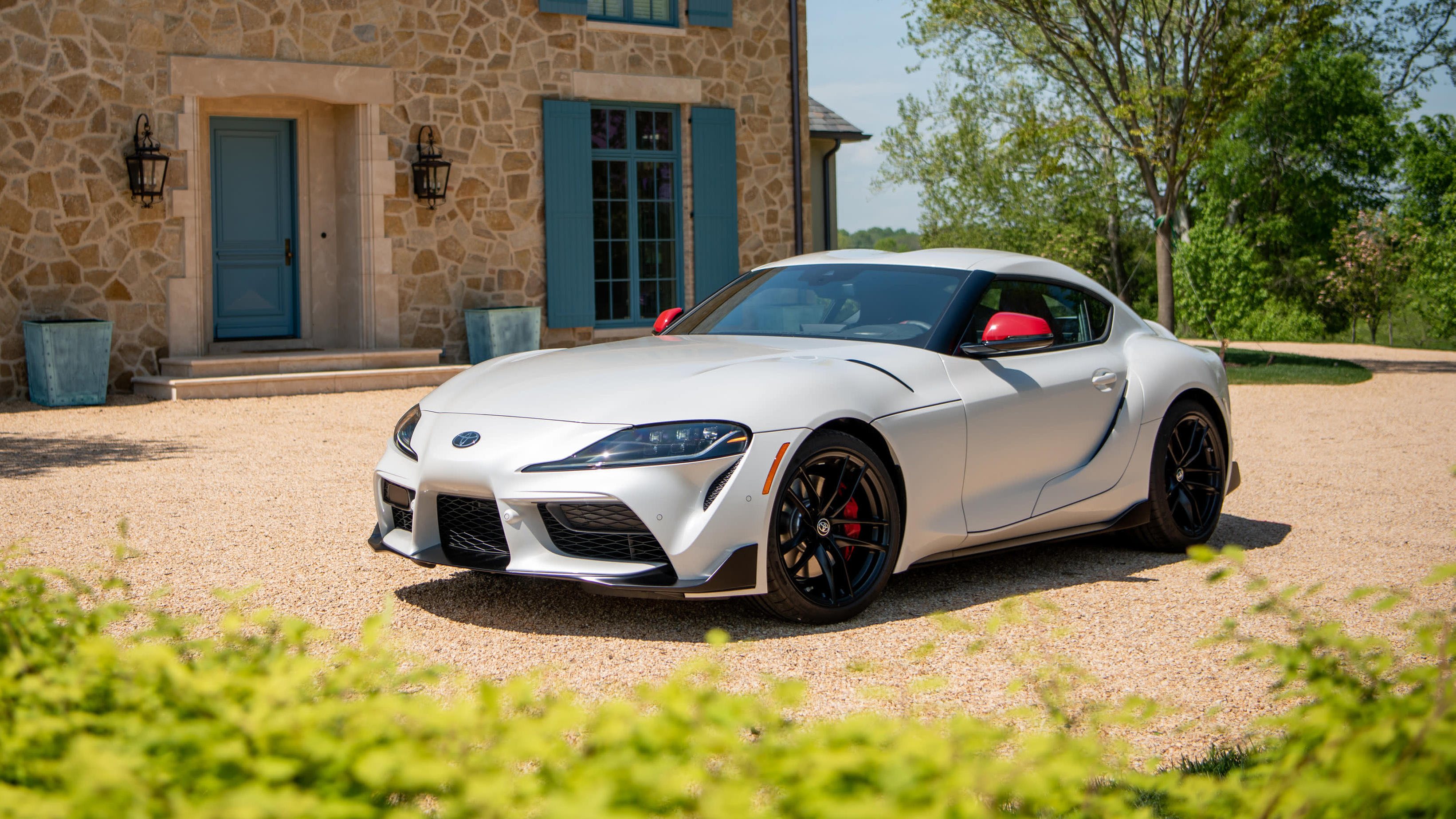
It was only a matter of time before the Toyota Supra got hit with a recall. I’m not harping on BMW/Toyotas’ build quality or anything here, it just seems like all cars get recalled over something or other these days.

This time, it’s over some seat belts.

The National Highway Traffic Safety Administration issued a safety recall report last month that concerned the 2020 Toyota Supra. But it was only for seven cars. Apparently, these unlucky seven had a driver’s seat belt guide loop mount that might not have been properly welded.

If a “crash of sufficient severity” were to happen, the mount could get damaged and might not do its job of restraining the driver. NHTSA says the affected cars will be inspected and have the defecting part replaced if it’s found.

That’s all normal stuff.

But what’s funny about this recall is that it wasn’t from Toyota, it was from BMW. Because the Supra was a joint project between the two automakers, it has many BMW and Z4 bits beneath its Japanese exterior.
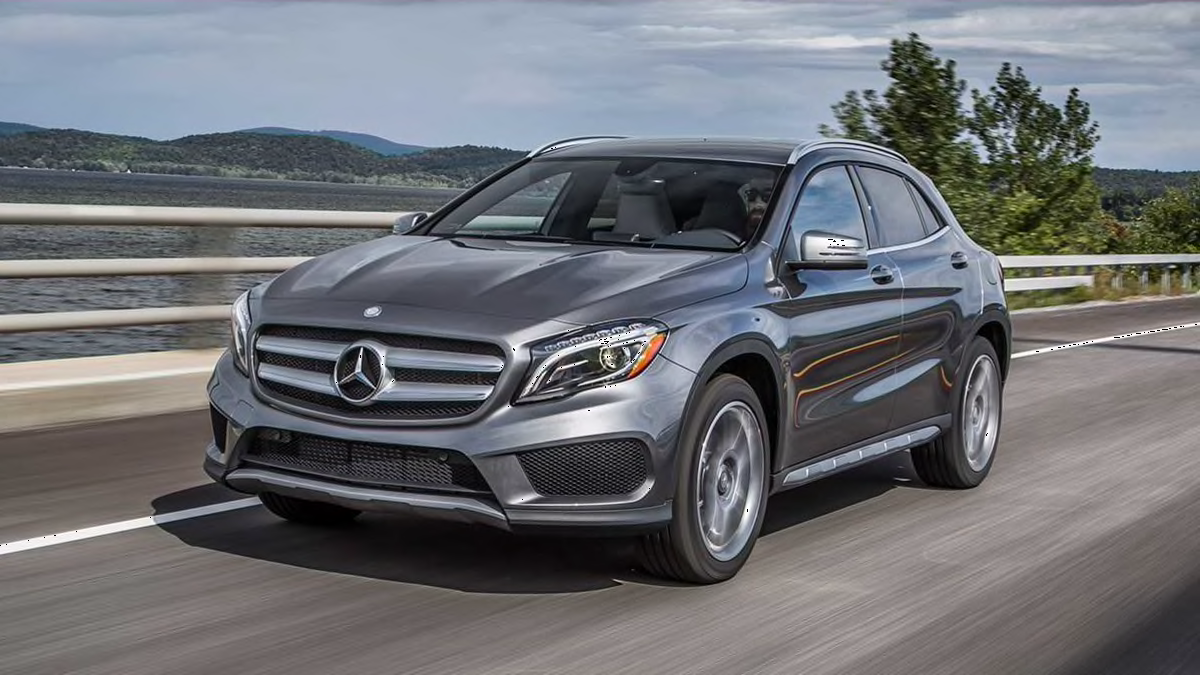
Enough parts, apparently, for BMW to file the recalls.

Regarding the recall, a Toyota spokesperson told Motor1, “BMW builds the Supra at its Magna Steyr, Graz Plant in Austria; therefore they do the recall filing with NHTSA.”

So, all you haters out there who constantly screech to any bored bartender who is being paid to listen that the new Supra “is just a BMW”... you win this one.

 
Nearly Every BMW Built Since 2018 (And The Toyota Supra) Recalled Over Backup Cameras - Jalopnik

722818

Back in the olden days of 2018, backup cameras became mandatory on all cars built to U.S.-specifications after May 1. They were no longer part of convenience or technology packages. They became standard and were thusly rolled up into the car’s base price.

Fast-forward to over a year later, and BMW is going through some trouble in paradise over these cameras.

The National Highway Traffic Safety Administration recently issued safety recall 19V684, which concerns nearly all BMWs built after the year 2018, a couple of Rolls-Royces and the Toyota Supra. The agency cites issues with the backup camera and display settings.

Apparently what happens is the camera and display settings can be adjusted so the rear-view image isn’t visible and then the system will remember that setting the next time the car is put in reverse. You lose the backup picture, effectively.

The fix is easy, purely a software one. It does suck a little bit this is a simple software fix but the cars don’t yet have over-the-air updates. You’ll still have to bring your car down to the dealership the old-fashioned way. I know.

Unfortunately, this recall affects basically every single BMW made since 2018. The recall notice states 257,481 cars are potentially affected.

Here’s the list it included:
  • 2019 to 2020 BMW 330i
  • 2018 to 2020 BMW 530e
  • 2018 to 2020 BMW 530i
  • 2018 BMW 540d
  • 2018 to 2020 BMW 540i
  • 2018 to 2019 BMW 640i
  • 2019 to 2020 BMW 740Le
  • 2019 to 2020 BMW 740Li
  • 2019 to 2020 BMW 745Le
  • 2019 to 2020 BMW 750Li
  • 2019 to 2020 BMW 840i
  • 2019 to 2020 BMW M340i
  • 2018 to 2020 BMW M5
  • 2018 to 2020 BMW M550i
  • 2019 to 2020 BMW M850i
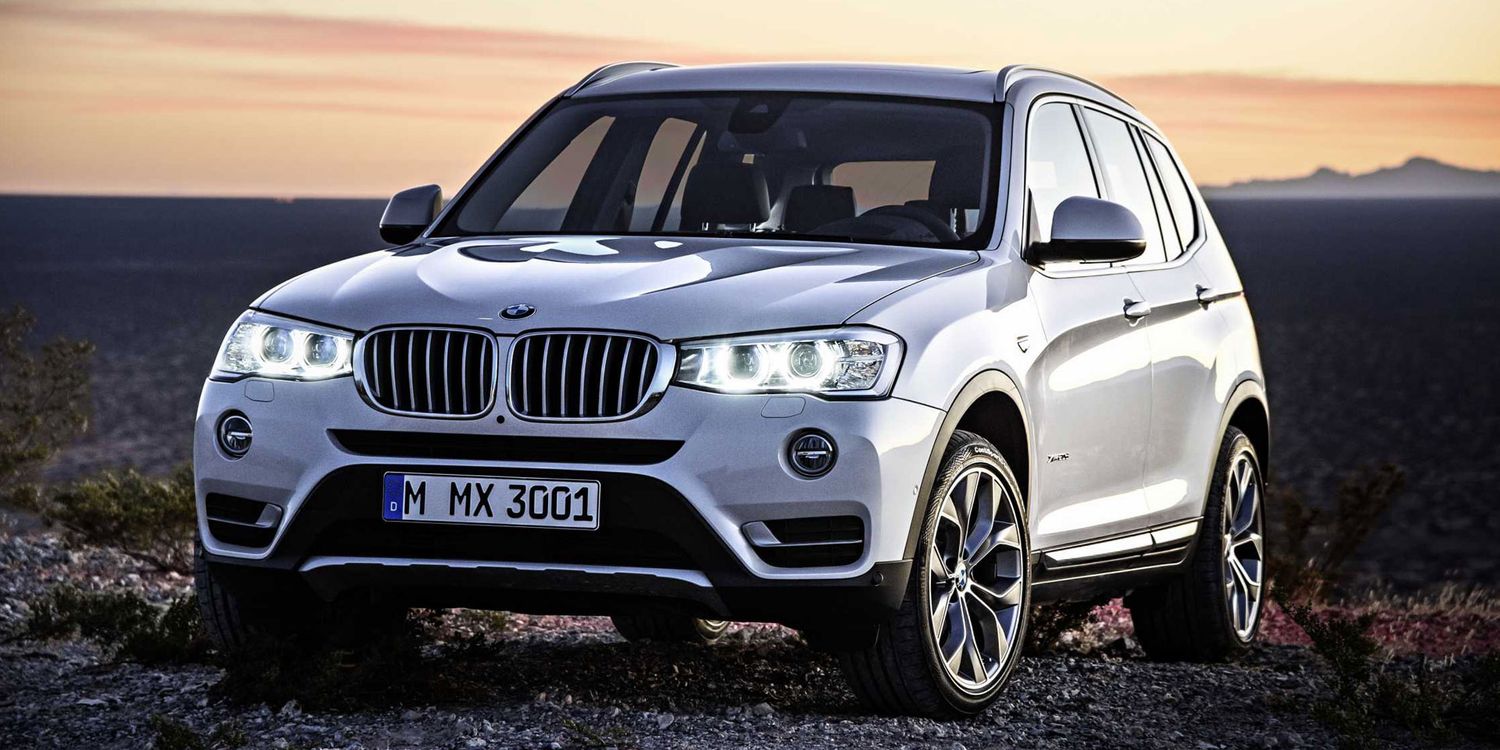
  • 2018 to 2020 BMW X3
  • 2019 to 2020 BMW X4
  • 2019 to 2020 BMW X5
  • 2019 to 2020 BMW X6
  • 2019 to 2020 BMW X7
  • 2019 to 2020 BMW Z4
  • 2019 Rolls-Royce Cullinan
  • 2018 to 2019 Rolls-Royce Phantom
  • 2020 Toyota Supra

The poor Supra just can’t catch a break. This marks the second recall that’s hit the car. The first was over faulty seat belts (see previous post above).

Anyway! If you own one of these cars, be sure to get that fixed right away.

 
Toyota Could Replace Entire Supras In Recall For Potentially Faulty Seat-Belt Mounts - Jalopnik

723494

As you might have seen these past couple of weeks, BMW filed a set of recall documents for the 2020 Toyota Supra with the U.S. National Highway Traffic Safety Administration.

The recall involved seven cars with potentially faulty seat-belt guide-loop mounts, and the documents were published last month.

There were a lot of things that stood out with the recall: One, BMW filed it, adding to the jokes; two, the recall only spanned seven cars; and we just now noticed the third one thanks to Ohio news station WBNS, which came in the “Remedy” section of the documents:

The vehicles will be inspected and if a defective seat belt guide loop mount is found, the vehicle will be replaced.

Wait, what was that? A little louder, please:

The vehicles will be inspected and if a defective seat belt guide loop mount is found, the vehicle will be replaced.

One more time, just so we’re sure:

[...] the vehicle will be replaced.
The seven-vehicle recall was, again, for the seat-belt guide-loop mount on the driver’s side of the Supra. BMW said in the recall that it might not have been “welded to specifications,” and that if it isn’t welded correctly, the mount could get damaged in a “crash of sufficient severity” and not restrain the driver as it’s supposed to. That would increase risk of injury.

Documents said BMW became aware of “potentially missing welding spots” on a vehicle’s safety-belt guide-loop mount at the assembly plant in June, and that it was later found that the supplier used inadequate parts for the welding tool.

There haven’t been any reports of crashes or injuries related to the issue, the documents said.

The recall documents emphasise that the remedy—to replace entire vehicles free of charge, if they’re found to have defective mounts—is due to the fact that the issue stems from defective welds instead of parts that can be easily replaced.

A Toyota representative confirmed the plan to replace the cars if necessary to Jalopnik, but didn’t comment further on any details.

So, if your new Supra is included in this recall, maybe don’t get too attached just yet. You kids may be parting ways quite soon.

 
Hyundai, Kia reach $760M settlement over engine fire lawsuit
Owners will receive cash settlements and plenty of other additional safeguards for over 4 million vehicles with the affected engines.

Following years of scrutiny and even US investigations over vehicle engine fires, Hyundai and Kia have stumped up a substantial amount for vehicle owners, to the tune of three quarters of a billion dollars.

The automakers, which are part of Hyundai Motor Group, said on Friday they've reached a settlement in a class-action lawsuit surrounding the troublesome powertrains.

The vehicles involved in the settlement from Hyundai include the 2011-2019 Hyundai Sonata, 2013-2018 Santa Fe Sport, 2019 Santa Fe, 2014-2015 and 2018-2019 Tucson. From Kia, the 2011-2019 Sportage, Sorento and Optima models are included.

In total, 2.3 million Hyundai and 1.8 million Kia vehicles feature the 2.0- and 2.4-liter engines that have a fire risk.

The automakers previously recalled about 1.7 million of these vehicles to address the issue.

$760 million will be set aside for cash reimbursement to cover repairs and other related expenses. The cash settlements will also cover compensation for past trade-ins and sales that took place over repairs for owners and lessees.

Aside from a monetary settlement, Hyundai outlined four other areas it will enact to do right by customers affected.

Every vehicle will be eligible for a free update to the knock sensor detection system, which will protect engines if the system detects trouble afoot.

Damaged engines will be taken car of through free inspections, repairs and even replacement should the situation call for it.

All models affected will additionally boast lifetime warranty coverage for the engine's short block if they undergo repairs. The warranty transfers with the car and does not end with the original owner.

Monetary compensation will also extend to various areas for owners such as loss of vehicle value, denied warranty coverage and more.

"This settlement acknowledges our sincere willingness to take care of customers impacted by issues with this engine's performance and recognises the many actions we are already taking to assist our customers," Jerry Flannery, Hyundai Motor America's chief legal officer, said in a statement.

John Yoon, Kia of America's executive vice president and general counsel, added, "As the latest demonstration of Kia's commitment to vehicle quality and customer satisfaction, this resolution is the result of good-faith efforts among all parties to resolve owner concerns."

Following an expected court approval for the settlement this month, those involved in the class-action lawsuit will receive individual notices.

 
Subaru Forester SUVs Recalled for Airbag Deactivation Risk
Models with heated seats may have faulty electrical connections

723772

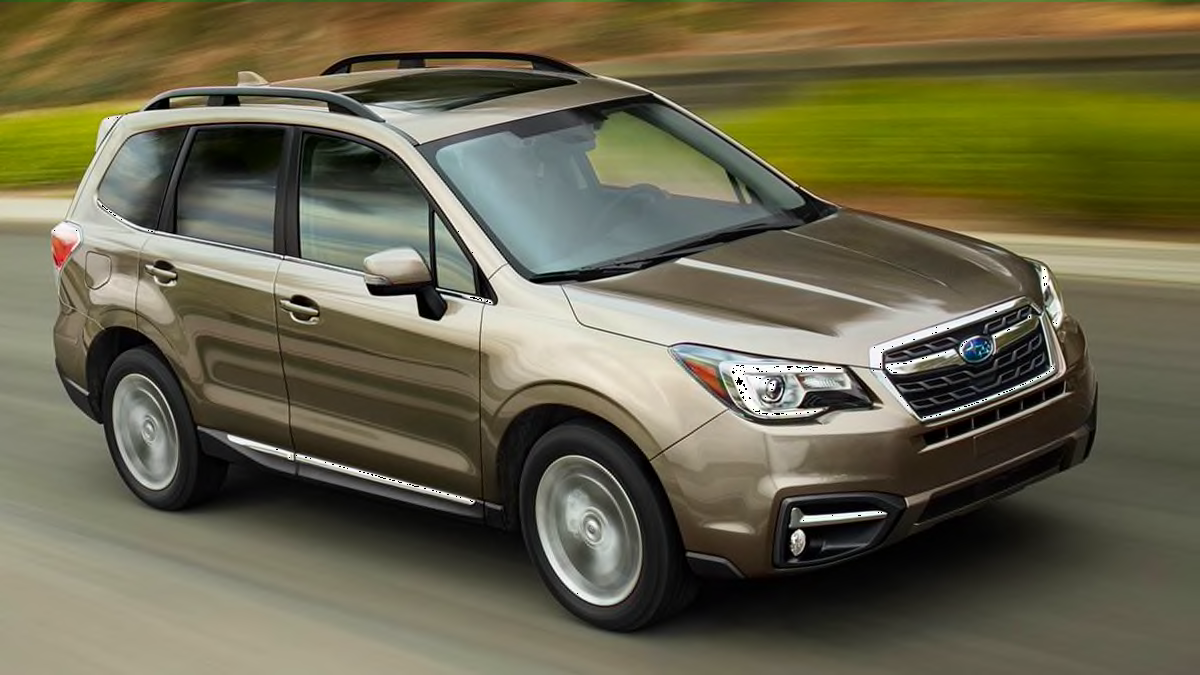
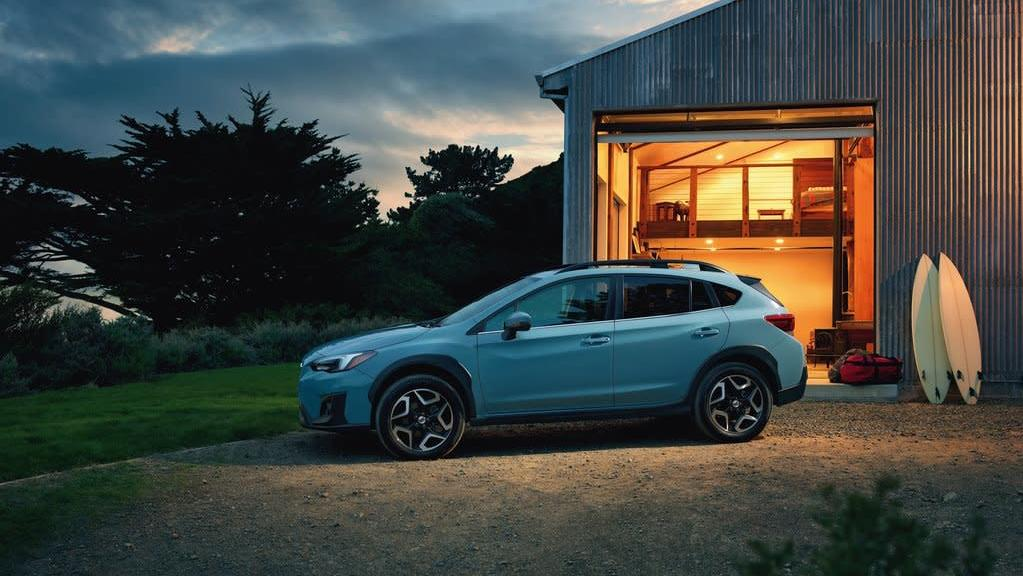
Subaru is recalling certain 2015–2018 Forester SUVs because an electrical connection under the front seat cushion may become loose. If this happens, the front airbag may deactivate even if the seat is occupied. This recall only affects Foresters with heated seats.

Over time the connection in the electrical harness for the occupant detection system (ODS) sensor mat may become loose. This mat determines if the seat is occupied and, if so, tells the system to make the airbag active. If it’s unoccupied, the airbag is made inactive. The faulty connection could result in the system not being able to determine if the seat is or isn’t occupied.

Dominick Infante, Subaru of America Director of Communications, said in an email to Consumer Reports that the company isn't aware of any injuries or incidents related to this electrical problem.

Read the full article here:
 
BMW extends UK recall over fire risk

Problems with exhaust-gas-re-circulation device found to affect 27,000 additional vehicles. Find out which BMW cars are at risk.

724242

In 2018, BMW originally recalled 268,000 UK diesel cars after it was found that glycol leakage from the engine’s exhaust gas re-circulation (EGR) cooler could result in burning soot deposits when combined with the high temperatures inside the EGR system.

Now, this recall has been extended to a further 27,000 vehicles in the UK.

A spokesperson for the Driver and Vehicle Standards Agency (DVSA) told us that BMW informed them of the extension to this recall around one month ago, and it has updated its recall notice with the latest affected VIN numbers.

For some owners this may be the second time they’ve had their car recalled back to the dealer for the same issue.

The DVSA told us this is due to the fact that initially BMW was only replacing EGR components on models showing visual signs of the problem.

Since then the manufacturer has taken the decision to simply replace the affected parts, and extended the recall to include cars that may already have been inspected.

EGR systems are typically used to recirculate a portion of engine exhaust gases back into the cylinders as a way of reducing harmful nitrogen oxide (NOx) emissions.

Which BMW models have been recalled? BMW has released a full list of models being recalled, all of which are fuelled by diesel.

Read more:

 
2019 Ford Ranger recalled over HVAC fire risk - Road/Show
The midsize pickup truck's HVAC system could overheat and potentially cause a fire.

Everyone enjoys blasting their vehicle's heater on cold days, but the 2019 Ford Ranger's HVAC system might get too warm for comfort.

Ford said on Monday that it will recall 17,965 Ranger pickup trucks for a possible fire risk related to the HVAC system. In affected trucks, there may not be enough clearance between the electrical terminal and the conductive-base plate slot, Ford said.

Without proper clearance, there's an increased risk for an electrical short, which may lead to the blower motor overheating, smoking and, in the worst cases, catching fire.

The automaker said it's not aware of any injuries related to the problem, but one Ranger owner has filed a warranty claim over the pickup truck reportedly smoking while driving. Ford said this issue may be related to the new recall.

Ford added that six reports of similar incidents occurred in Rangers prior to dealership delivery. The pickups went back to Ford for an investigation into the matter.

If you're one of the affected owners, you'll soon find a recall notice in the mail, with Ford requiring you to bring the Ranger to a dealership. There, a technician will inspect the blower motor, and if the part falls in a suspect parts production date, you'll get a new blower motor free of charge.

It's unclear when owners will begin receiving notices for the recall, but expect them in the near future.


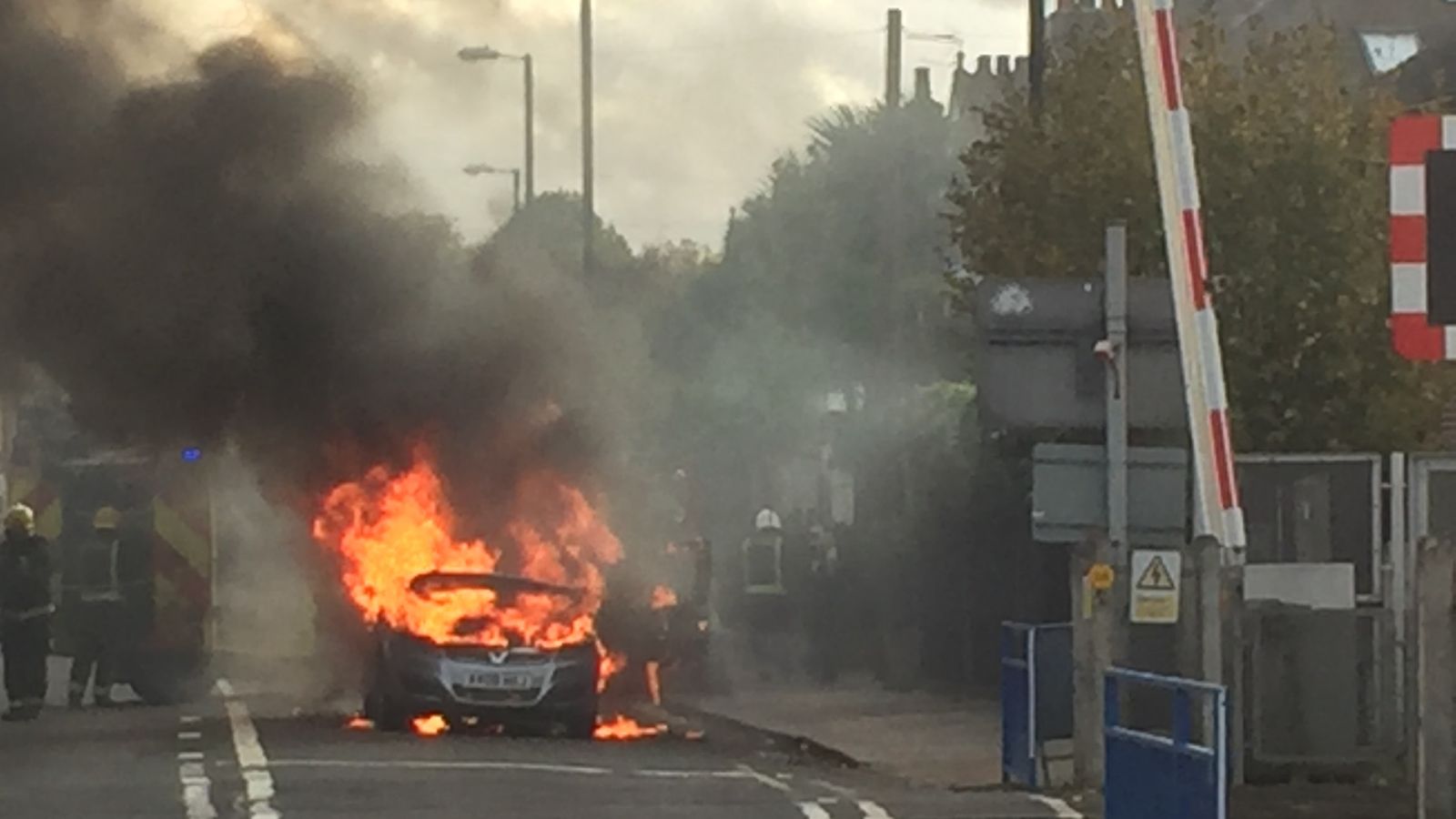
P.S.: Did Ford get their HVAC engineers from the same team that designed the HVAC system on the Opel/Vauxhall Zafira, by any chance?

 
Last edited:
Mercedes Recalls 4,800 E-Class Wagons For The Potential For Their Spoilers To Fly Off - Jalopnik

725688

There you are, zooming down the road, hunkered to it in your sleek, smooth Mercedes E-Class wagon that cuts through air like a steak knife through butter, when suddenly, a seismic shift occurs.

It feels as if you, in your sleek, smooth wagon, have been hit by an asteroid. Your car slows, your ride becomes rougher, all while you glance around wondering, “Are the aliens here? Is it my time?”

You pull over onto the shoulder cautiously, noticing that no other cars seem to have been affected by this apparent attack. What was going on here?

You open the door to get out, shielding your head with your arms despite knowing it will do nothing of substance besides making you feel a little better about this whole situation, and then you see it.

No, not the aliens—this time. It’s your spoiler, sitting many feet behind you in the middle of the road while your poor E-Class wagon sobs over the loss of its aerodynamic prowess. You, too, feel like sobbing.

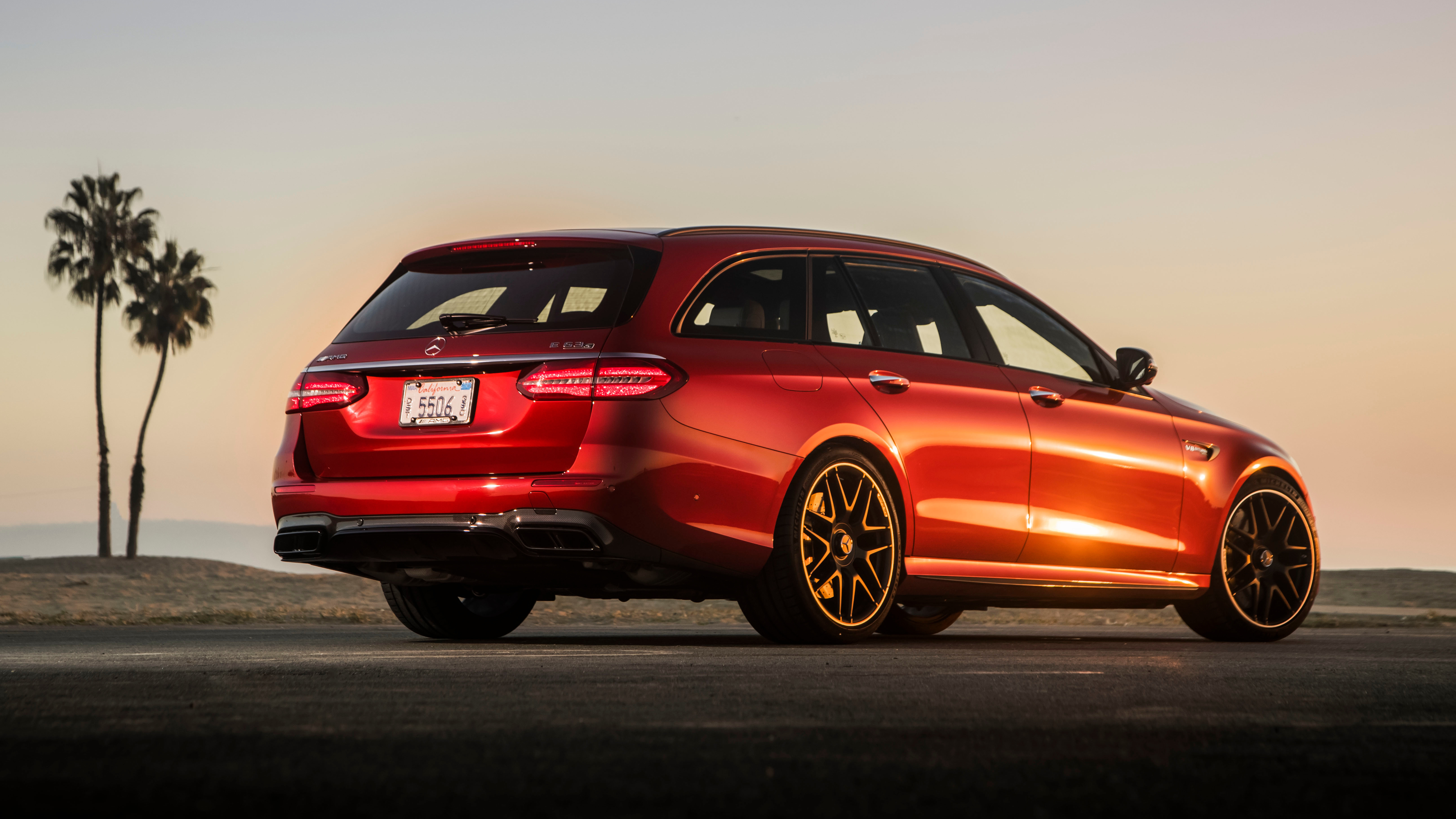
Thus, to prevent further tears, Mercedes recently submitted documents to the U.S. National Highway Traffic Safety Administration to recall 4,765 wagons for the potential of their spoilers to fly off at high speeds, including certain models of the 2019 E450, the 2017 through 2018 E400, and the 2018 through 2019 AMG E63 S.

You might call the recall a “spoiler alert.” Or you might not, and feel bad for anyone who tries to execute that joke. Thanks for the condolences.

Anyway, the recall documents say that spoilers on these roughly 4,800 vehicles might not have been mounted correctly during production, meaning they could detach at unspecified high speeds.

The recall is for the safety of others on the road instead of owners’ aerodynamic woes, but the documents say that a driver may become aware of their spoiler’s impending doom by rattling noises.

Mercedes originally blamed the spoiler issues on a single worker with a recall in November of 2018, saying an “employee temporarily assigned to the position” had mounted them incorrectly and recalling 16 vehicles. Ouch!

But Mercedes is now sorry for blaming that single person, hopefully, after investigating further instances of incorrectly mounted spoilers this year.

From the main recall listing, which has plenty of incorrectly mounted commas, emphasis ours:

These investigations showed that the affected vehicles were outside the scope of the November 2018 recall., It was determined that the production concern was not limited to the single worker. Based on this finding, investigations were performed to determine, which vehicles could potentially be affected.

On September 16, 2019, DAG decided to recall a broad vehicle population to inspect the mounting of the rear spoilers. DAG expects the actual number of vehicles with incorrectly mounted spoilers to be a small percentage of the total population.

To fix the problem, Mercedes dealers will check the spoiler mounting on each car and “rework it, if necessary.” All involved vehicles are still under warranty, Mercedes said, and a change in production happened on Jan. 9 of this year to prevent more cars from having spoiler issues.

Owners will find out about the recall on Nov. 22, the recall documents said—or whenever their spoiler flies off, rendering their formerly sleek, smooth wagon an aerodynamic brick.

 
Toyota Recalls More Than 900,000 Vehicles to Replace Their Airbags Again - Consumer Reports
The automaker will install permanent replacements for temporary airbags

729549

Toyota is entering the final phase of its Takata airbag replacement efforts with the announcement of a recall involving 928,000 Toyota, Scion, and Lexus models.

These vehicles previously had their high-risk airbags replaced with new Takata airbags as a stop-gap measure until the “final remedy” airbags were available.

This action calls the more than 900,000 vehicles back to dealerships to be fitted with replacement airbags from non-Takata suppliers.

Toyota says this final phase is being done ahead of the schedule established by the National Highway Traffic Safety Administration.

Depending on the vehicle model, dealers will replace the front passenger or driver airbag inflator and/or airbag assembly.

Toyota said it will notify customers of the recall in mid-December.

Read the full article here:

 
Subaru Is Recalling Over 200,000 Imprezas And Crosstreks That Might Require Engine Replacements - Jalopnik

731153

Subaru is recalling 228,500 2017-2019 Imprezas and Crosstreks for faulty PCV valves, an issue that could require total engine replacements.

Owners of affected vehicles will have to take their vehicles to the dealer, where CarComplaints reports that they’ll be inspected to see if the engine needs to be swapped.

If left unattended, the faulty PCV valves may allow oil to enter the combustion chamber and burn up. Eventually, bits of the valves themselves may enter the combustion chamber and cause engine failure.

Subaru says that 251 2017 Imprezas will definitely have their engines replaced, while the rest need to be inspected to determine if the engine needs to be swapped.

No matter what, they’re all getting their PCV valves inspected and, if necessary, replaced with a more durable design.

As per usual, the manufacturer will reach out to you directly if your car is affected. You can also enter your VIN on NHTSA’s site, which should tell you immediately if you need to have the work done.

You’ll also find out if you need to come in for a separate recall announced this week, which covers over 500,000 Imprezas and Crosstreks.

That one involves the car keeping its ignition coils powered up even when the car is off, which could cause the car to stall if the fuses blow.

Overall, not a good week for a company trying to step up its quality.

 
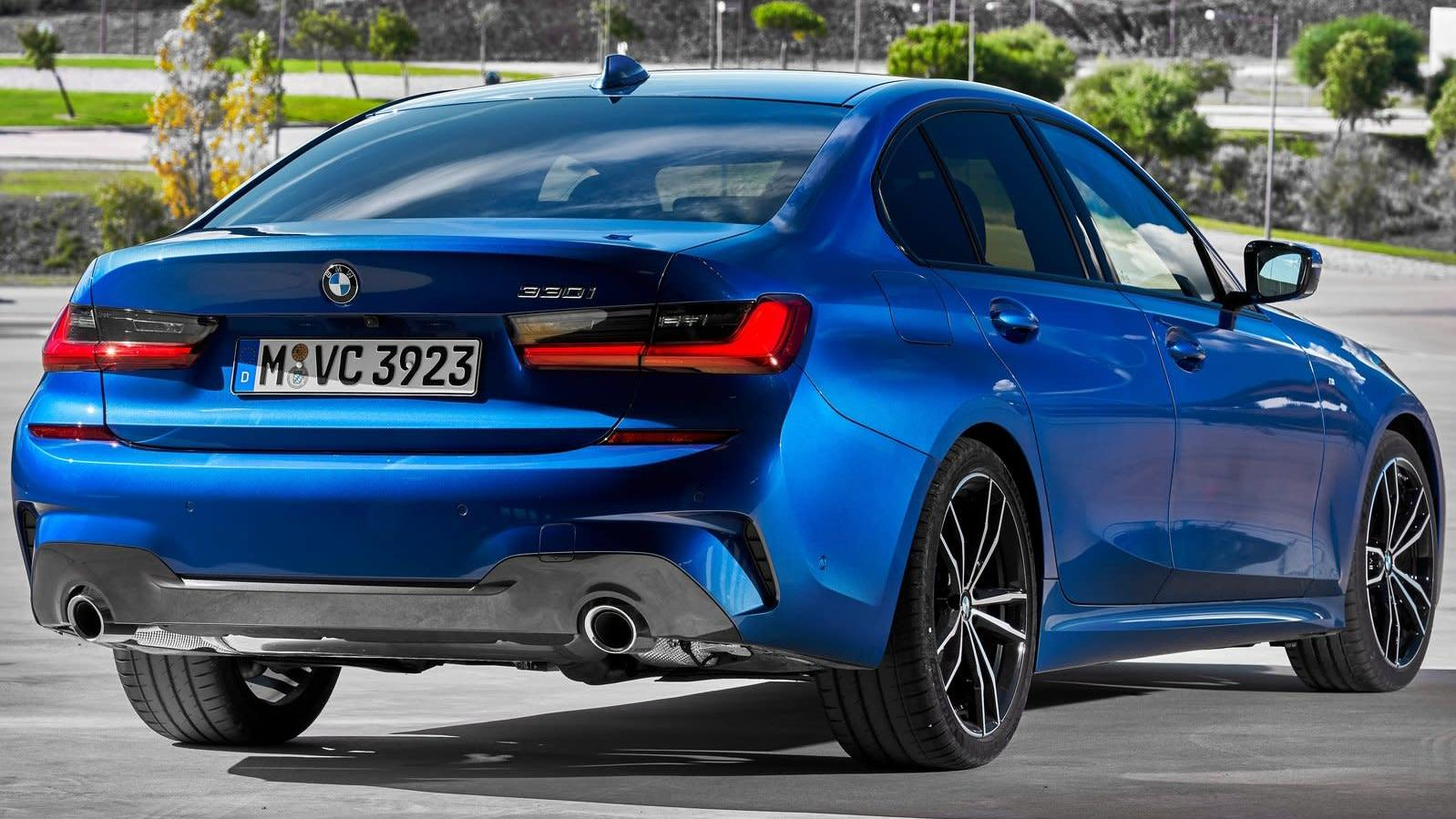
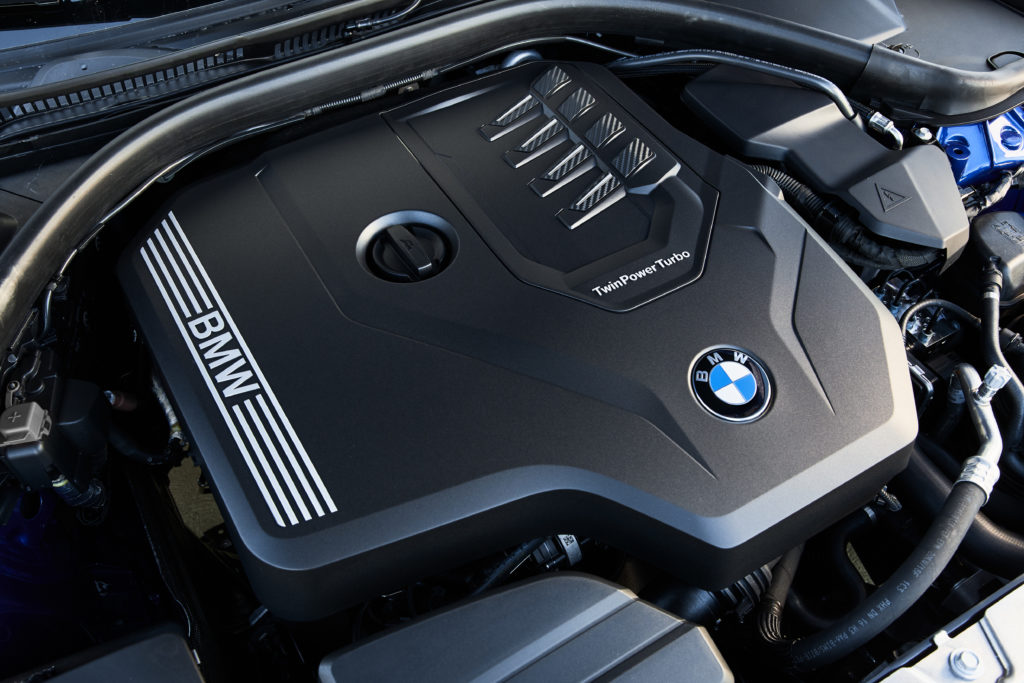
Possible recall for several BMW models powered by B46/B48 engines - BMW BLOG

BMW_330i_M_Sport-106-1024x683.jpg


Some info regarding a possible future recall for certain BMW models has recently surfaced online. While not being officially public yet, it will impact various models across the range that are equipped with the B46 / B48 powerplants.

In a photo showcasing what looks to be an internal document (which you can see here), the recall is related to the 4-cylinder engine under B46 and B48 generations and it will affect several models from the G0x, G1x, G2x and G3x product generations.

The main issue that was discovered is that, due to a faulty bearing for the balance shaft, the engine could suffer from a lack of construction robustness for the respective part and thus could possibly lead to physical attrition of the component as well as further engine damage.

Consequently, the bearing wear might also put the vehicle safety and integrity at risk, as the powerplant could detach while driving.


The B46 unit is a 4-cylinder gasoline engine which usually powers the 30i versions. The latest iteration of its kind is the B46D, which was further improved compared to B46C.

The B48 unit, on the other hand, is the successor of the previous N20 generation of engine and is equipping a vast amount of models, including the 20i versions, but also the 30i/40e versions of the 7 Series or the M Performance models (M35i) of the F40 1 Series, F44 2 Series Gran Coupe and F39 X2.

On the photographed document, we can also see a partial list of models that could be on the verge of being recalled in the next period.

The G20 3 Series in both AWD and RWD configurations, the G29 Z4 and G30 5 Series, both equipped with the B46 engine and in rear-wheel drive configuration (namely 330i/330i xDrive, Z4 sDrive30i and 530i versions) are targeted for a minute technical inspection at BMW in this case.

As well, the list of models fitted with the B48 engine is even larger and includes the G30/G31 5 Series with all-wheel drive chassis (520i xDrive), the G28 3 Series LWB with AWD (320i xDrive), the G20 3 Series and G30 5 Series with rear traction (320i and 520i) and the G11/G12 7 Series with RWD (namely 730i/730Li and 740e/740Le versions).

BMW should officially disclose further details on this topic in the following period.

 
General Motors recalls 600,000-plus pickups, SUVs for unintentional braking - Road/Show
The recall affects models from both Chevrolet and GMC.

733683

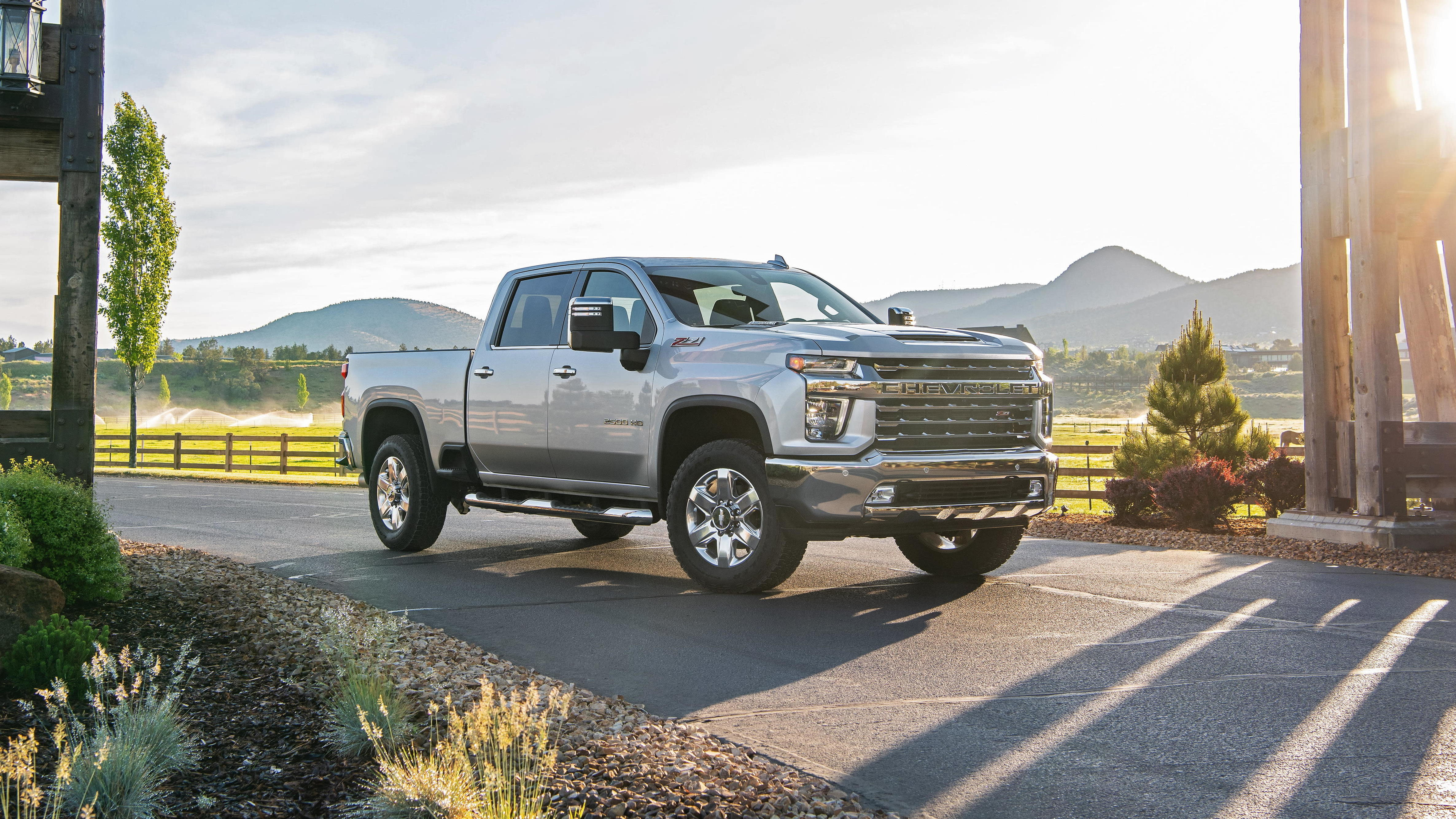
General Motors has issued a new recall that affects hundreds of thousands of Chevy and GMC pickup trucks and SUVs.

The recall, filed with the National Highway Traffic Safety Administration this week, declares a software error could result in unintended braking.

Included in the recall are some of the automaker's most popular trucks and SUVs. The 2014-2018 Chevy Silverado 1500, 2015-2020 Chevy Suburban and Tahoe, 2014-2018 GMC Sierra 1500 and 2015-2020 GMC Yukon all may house faulty electronic brake control module software.

In total, the problem affects 638,000 vehicles. GM added the issue is present only in SUVs and trucks with a 5.3-liter V8 engine, 3.08-ratio rear axle and four-wheel drive.

In these vehicles, a wheel-speed sensor failure may not play nice with the wonky software, and the driveline-protection system could activate.

If it does activate, drivers will experience unexpected braking from the wheel opposite of the wheel that houses the failed speed sensor. This might occur when a driver selects four-wheel drive or travels between 41 mph and 60 mph, according to the automaker.

GM added the brake control modules in affected Chevy and GMC vehicles have incorrect axle-ratio calibrations, which leads to the inability to properly calculate wheel speed, and thus, unlock issues with the driveline-protection system.

If the unintended braking occurs, the vehicle may pull to one side unexpectedly, which increases the risk of a crash.

If a wheel-speed sensor fails, drivers will see the electronic stability control and antilock brake lights (ESC and ABS) illuminate on the dashboard. A message reading "Service StabiliTrak" will also appear.

If this occurs, GM said owners can eliminate the risk by not placing their truck or SUV in four-wheel drive mode before the recall repair.

GM will notify owners of the affected Chevy and GMC models via mail, though the automaker hasn't produced a schedule yet. The fix will see a technician reprogram the EBCM for free.

 
BMW urges 12,633 owners to stop driving immediately, following fatality - The Sydney Morning Herald

738477

BMW has taken the unprecedented step of asking owners of 12,663 of its 3 Series models made from 1997 to 2000 to stop driving immediately because their cars may have faulty airbags linked to a fatality and a serious injury in two separate crashes in Australia.

A safety bulletin issued by the Australian Competition and Consumer Commission (ACCC) on Thursday afternoon says: "Owners of affected vehicles should stop driving their vehicle immediately and urgently contact their local BMW dealership or call BMW Australia’s Takata hotline directly on 1800 243 675 to organise their free vehicle inspection."

"Vehicles will be either towed to the place of inspection or a mobile technician will come to inspect the vehicle at the [owner’s] home or the vehicle’s location," the notice says.

If the vehicle does contain a suspected faulty airbag, BMW will offer to arrange a loan or rental car or "reimbursement for alternative transport costs" until parts are available for an airbag replacement, or until other arrangements can be made.

Customers may also discuss "the vehicle being purchased by BMW", the ACCC says.

CarAdvice understands the replacement airbag parts may not be ready for up to 18 months, potentially leaving thousands of motorists stranded, hence the offer of a rental car, loan car, taxi fares or a vehicle buyback.

Authorities are yet to reveal in which states and when the fatality and serious injury occurred. The fatality is still before the coroner.

However, CarAdvice understands both incidents happened in the past three months.

In response, BMW in Australia has begun a voluntary recall of BMW E46 3 Series cars, produced between November 1997 and June 2000, the ACCC statement says, following a "recent identification of a pattern of abnormal airbag deployments involving BMW cars in Australia, Japan and the US".

"The ACCC and the Department of Infrastructure, Transport, Cities and Regional Development are working with police and other authorities to understand the facts regarding two recent suspected misdeployments of these inflators in Australia, including a death and a serious injury," the statement says.

The BMW vehicles suspected of being in the death and serious injury in Australia were fitted with Takata NADI (non-azide driver inflator) type 5AT airbags and are not part of the current Takata airbag compulsory recall.

The ACCC bulletin says that, if a BMW vehicle with an affected airbag is involved in a collision, "the airbag inflator could rupture, causing sharp metal fragments to enter the vehicle cabin at high speed and potentially killing or injuring vehicle occupants".

Read the full article at the link below:

 
Last edited:
Nissan recalls 394,000 crossovers and sedans for a fire risk - Autoblog
'Park the vehicle outdoors away from other vehicles and structures'

741999

Nissan is recalling 394,025 vehicles due to a fire risk. It previously recalled about 215,000 of these vehicles, but now they’re coming back.

Here’s how Nissan explains it: “These vehicles were previously recalled and unrepaired, or inspected and determined to not need a repair.” Strange.

Regardless, the problem is the same one that we wrote about before, and Nissan added another 179,000 vehicles to the recall list this time.

There’s an anti-lock brake pump seal that could deteriorate, causing brake fluid to leak onto an electronic circuit board. If this happens, the circuit board could malfunction, causing a short. Nissan says this could cause a fire.

The affected vehicles and model years are as follows:

Nissan states that if brake fluid does end up leaking onto the circuit board, the ABS warning light will illuminate in the gauge cluster and remain illuminated for more than 10 seconds.

Should this happen, Nissan says “owners are advised to park the vehicle outdoors away from other vehicles and structures and to not drive the vehicle.”

Keep it away from areas where it could start a massive forest fire, too, because those seem to start rather easily in California these days.

Owners should expect to see notices from Nissan by December 2. If your car is part of the recall, Nissan will replace the ABS actuator with a newly-designed unit at no cost. This new actuator is reportedly more robust than what it’s replacing.

 
GM Recalls More Than 550,000 Trucks Over Potential For Seat-Belt Systems To Cause Fires - Jalopnik

745401

Most recalls through the U.S. National Highway Traffic Safety Administration are for problems that aren’t great but sound rather normal, like rollaway risk, airbag issues, or faulty builds.

But a new, nearly 560,000-truck General Motors recall sounds like something out of a Mad Lib: Seat belts in the affected vehicles could, in the right conditions, end up causing a fire.

Yes, seat belts. How, you ask? Great question.

Certain Silverado 1500 and Sierra 1500 models from the 2019 and 2020 model year are on the list in the recall documents, as well as 2020 Silverado and Sierra 2500's and 3500's. Of the 556,399 included in the recall, the estimated amount of trucks with the defect is 1 percent.

The potential problem with the trucks, essentially, is that in a crash that would cause the seat-belt pre-tensioners—the mechanisms that tighten seat belts to keep you from flying forward—to engage, a fire could start near the B-pillar.

That’s only the case for trucks with carpet, and the recall documents explain the issue well:

There is a small opening in the pre-tensioner bracket that can allow gasses expelled from a pre-tensioner during deployment to come into contact with cotton material in the carpet floor.

This opening was intended as a locator hole for assembly but was never utilised. It was not a part of the pre-tensioner system performance design.[...]

Following a crash that causes the seat-belt pre-tensioners to deploy, smoke or a burning odour from the area at the base of the B-pillar may be noticeable before a fire propagates sufficiently to be visible.


The documents say GM was notified about a fire in July, and that it opened a product investigation in September.

There were no reports of crashes or injuries related to the issue, according to the documents, GM decided to conduct a recall on Nov. 7.

To fix the issue, recall documents say dealers will close off the opening in the pre-tensioner bracket so that the exhaust gasses from the system get sent away from the carpet, thus keeping it from igniting.

Dealers heard about the recall on Nov. 14, and one document says GM “will provide owner letter notification dates when available” while another says it’ll begin early in December.

 
Mercedes-Benz Recalls Cars and SUVs for Front Seat Belt Problem - Consumer Reports
Automaker says warning lights may incorrectly alert occupants that seat belts aren’t latched

747135

Mercedes-Benz USA is recalling 29,679 vehicles from its 2018 and 2019 model years because a correctly latched seat belt may erroneously be identified as unfastened.

As a result, audible and visual alerts will activate to notify the driver and passenger that a seat belt is not properly secured.

This could also lead to other safety systems not properly functioning in the event of a crash, which could lead to injuries.

When it received complaints of the problem, Mercedes-Benz conducted an investigation. The manufacturer and one of its suppliers determined that the problem stems from the geometry of the seat belt buckle.

Subsequent investigations determined that another supplier was using a tool with excessive wear to create the seat belt buckle, which caused the problem.

Mercedes-Benz did not note in its recall notifications if it’s aware of any crashes or injuries associated with this problem. The automaker said that 1,263 of these recalled vehicles are still on dealers’ lots.

More details at the link below:

 
Mercedes-Benz Issues Recall Because Emergency Services May Not Find Affected Cars - Consumer Reports
A software update is needed so that first responders can receive a vehicle's accurate location in an emergency

747139

Mercedes-Benz is recalling 24,226 vehicles in the U.S. due to faulty software meant to identify a vehicle’s location for a built-in system that can summon emergency services.

The software currently installed could send emergency services the wrong date and time based on GPS satellite data, starting in November 2019, and could even prevent emergency responders from determining the vehicle’s location altogether.

This recall involves a long list of cars and SUVs, from the 2013-2017 model years. According to the automaker, only three of the affected models are in dealer inventory.

If a vehicle has not received the correct software via a remote over-the-air update, then a Mercedes-Benz dealership can install it at its shop.

The automaker expects customers to be notified of this recall in December.

This recall is included in the CR Car Recall Tracker, where you can look up your car by year, make, and model.

More details at the link below:

 
Top
Sign up to the MyBroadband newsletter
X