The Local & Global Car Defect & Recall Thread

Do we have a place to type in a vin number locally and see if a x vehicle is affected?
Asking as I literally don't know if it's been fixed or not.

Your best bet would be to contact the local manufacturer / importer / dealer - or the international manufacturer if it is a model range that no longer available for sale in SA (e.g. General Motors).

In the case of a manufacturer that has closed down completely or gone under (e.g. SAAB, MG Rover, TVR, etc), then your only alternative is to do online research on Google to find out what your possible options are.
 
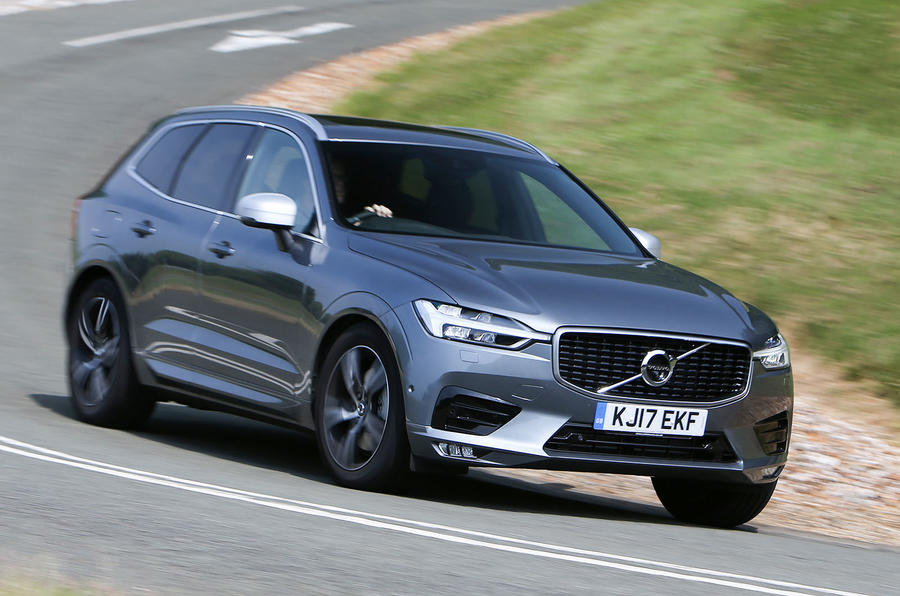
Volvo recalls 750,000 cars over emergency braking fault

Software issue identified by Danish motoring group affects all cars built since 21 January 2019

Volvo has recalled nearly 750,000 vehicles worldwide amid concerns that their autonomous emergency braking (AEB) systems are faulty.

The fault, affecting 736,340 cars, was identified by Danish motoring body FDM during a road test in late 2019.

The organisation said: “The defect was discovered in a larger test of automated driving systems (ADAS). The emergency brake on a Volvo XC60 consistently failed, meaning that the car did not automatically apply the brakes as expected when driven towards a special test pillow that normally would engage the system.”

 
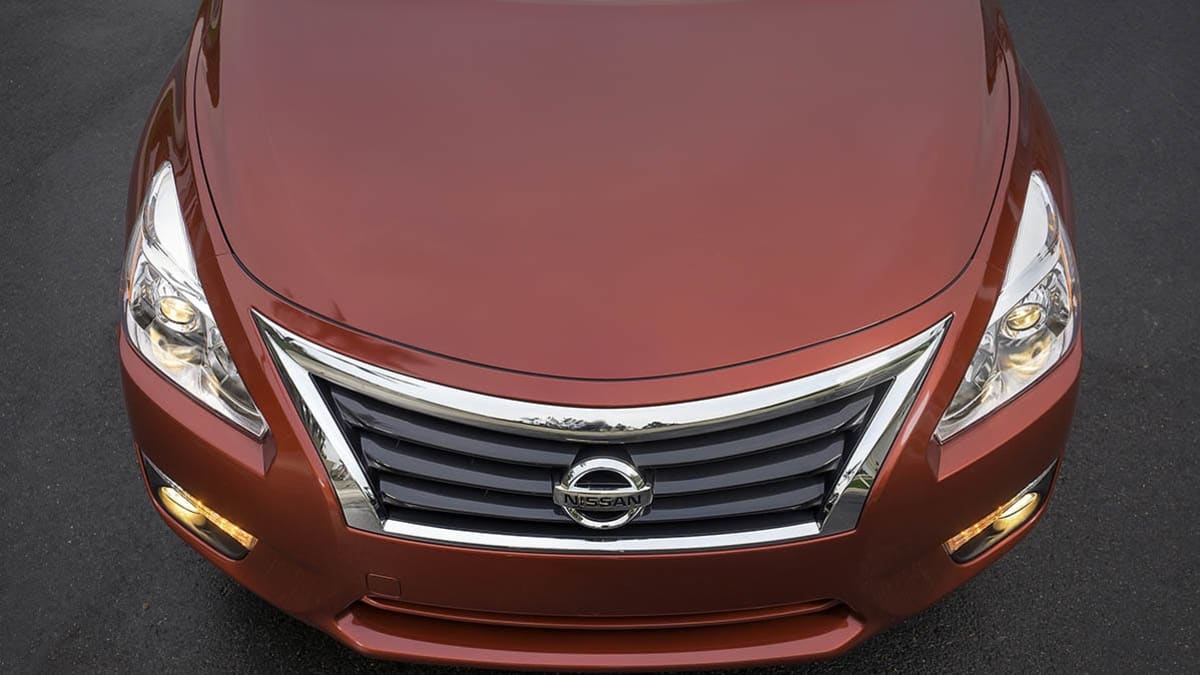
Nissan Expands Altima Recall Because of Hoods That Could Open Unexpectedly - Consumer Reports

The recall includes newer models and some older vehicles that have already been recalled three times

1591369536104.png

Nissan is recalling more than 1.8 million Altima sedans to fix a faulty hood latch that has already been the reason for other recalls.

If the latch fails, the vehicle’s hood may open while driving, creating a distraction or even blocking the driver’s view, which could cause a crash.

This new recall is for Altimas from the 2013 through 2018 model years. And Altimas from 2013 through 2015 that had its hood latch repaired after recalls in 2014, 2015, and 2016 will need to be brought back in for another repair.

That fix is still under development, a Nissan spokesperson told CR.

The original problem was caused by a poorly painted hood latch that prematurely corroded to the point where it couldn't fit securely in place when the hood was closed.

Earlier recall repairs involved lubricating and even replacing the latch, but they weren't successful.

 
Mercedes-Benz drivers could claim up to £96k each in 'dieselgate' scandal - The Telegraph

Mercedes-Benz is accused of fitting vehicles with similar technology to Volkswagen

Up to half a million Mercedes-Benz drivers could claim for up to £96,000 if allegations over the “dieselgate” scandal are proven, according to a law firm.

Daimler, the German parent company of Mercedes-Benz is accused of cheating on emissions tests by putting devices into cars that allow vehicles to emit illegal levels of nitrogen oxide into the air. It vigorously denies the claims.

Mercedes-Benz is accused of fitting vehicles with similar technology used by Volkswagen, illegal under EU law, which resulted in VW recalling more than a million vehicles in Britain alone in 2015.

Mercedes-Benz has already been fined £776m in a settlement with German prosecutors after 774,000 vehicles were recalled in 2018. In Britain, some drivers have received letters from Mercedes-Benz recalling certain vehicles for software updates, which Your Lawyers, a legal firm, claim are for the same offence.

VW’s “defeat devices” detected when vehicles were being tested and could limit the amount of nitrogen oxide emissions produced. But on the road, some vehicles were found to produce quantities of potentially lethal emissions.

In more than 18,000 cases brought against VW up to July 2019, Your Lawyers found that almost a third (28%) were eligible for compensation under the Consumer Protection from Unfair Trading Regulations.

Some claimants were eligible to receive as much as 100% of the cost of the vehicle when purchased. The firm represented 10,000 claimants against VW.

“A similar proportion, if not more, Mercedes drivers could also be eligible for a CPUT claim,” Your Lawyers said in a statement. The estimated cost of a new Mercedes car is anywhere between £23,775 and £96,220.

Drivers who have owned or leased a Mercedes-Benz diesel car or van, first registered between 2008 and 2018 could be eligible if the allegations are proven.

Aman Johal of Your Lawyers said: “Carmakers must be held to account where vehicles are found to be producing more dangerous levels of emissions that could lead to a greater number of deaths and cause irreparable damage to the environment.”

A spokesman for Daimler said: “We believe these claims are without merit, and will vigorously defend against any group action.”

 
Volvo recalling 2.1 million cars over seat belt flaw, a few SA cars affected

Volvo Cars announced on Wednesday that it is recalling nearly 2.1 million vehicles around the globe as a preventive measure, after the Swedish carmaker discovered that a steel wire connected to the front seat belts could be weakened over time.

However, only 143 cars are affected in South Africa, the local division confirmed on Wednesday.

"Volvo Car South Africa is contacting owners of all concerned cars, asking them to contact their Volvo retailer to have their cars corrected free of charge," the company said in a statement.

"All concerned cars will be updated with a new component replacing the existing steel cable. This is a robust solution which eliminates the risk of the issue to occur in the future."

 
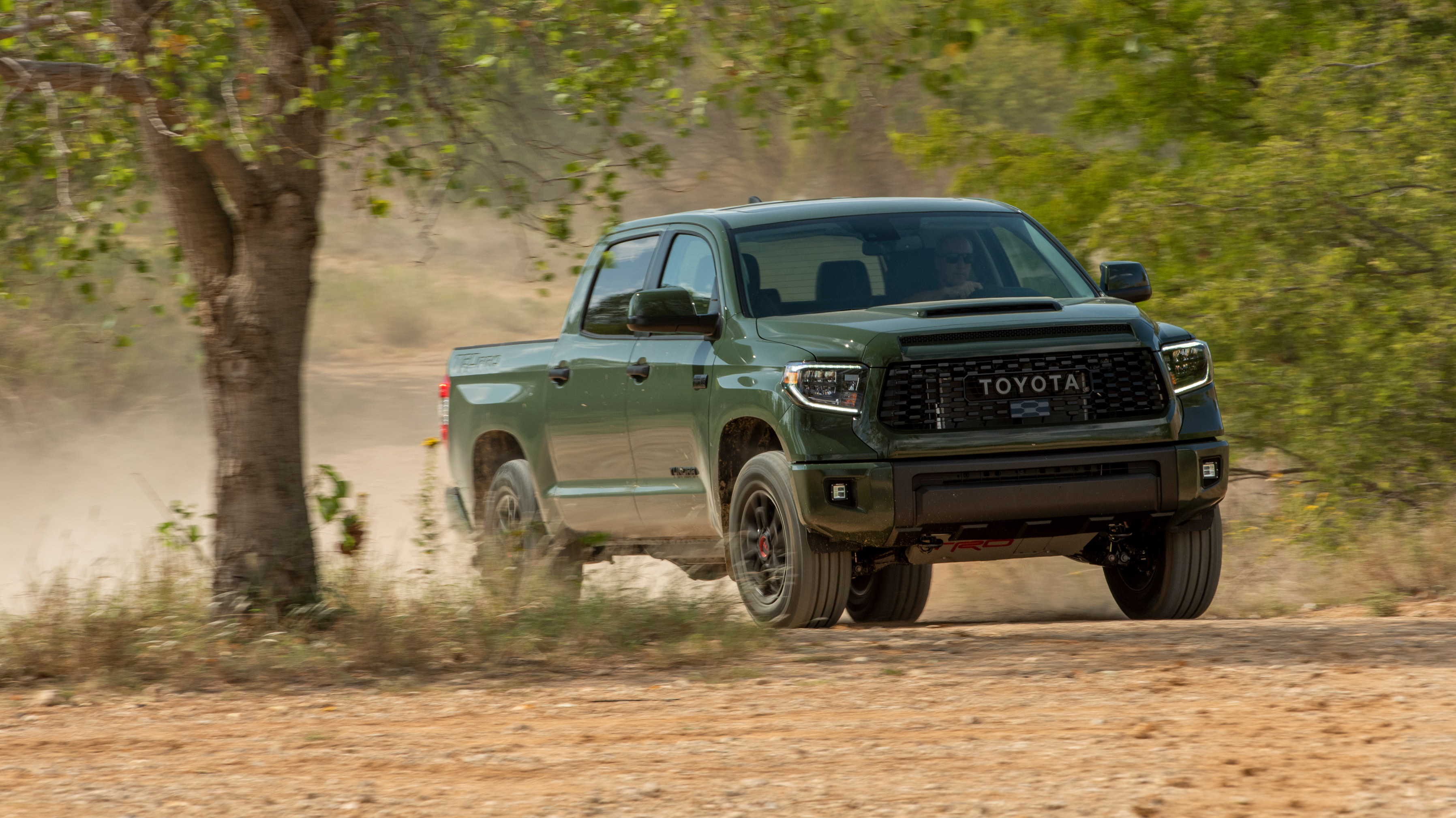
Toyota Recalls More Than 180,000 Tundras with Dim Turn Signals - caranddriver

The recall affects 2018–2020 Toyota Tundras with LED headlight assemblies.


1595495303917.png


  • A total of 183,397 2018 through 2020 Toyota Tundras built between February 22, 2017, and May 29, 2020, are being recalled for 'dim front turn signals'.
  • The lights were 'incorrectly wired during assembly' due to faulty instructions, Toyota said.
  • Toyota will send letters to inform affected owners of the issue and will fix the problem free of charge.
Read the full article here:

 
Kia SA recalls first-gen Sorento models for potential brake failure

Kia Motors South Africa has announced a safety recall of some 1 288 first-generation Sorento and 887 second-generation Carnival/Sedona models over potential brake failures.

The recall serves to diagnose the ABS printed circuit board (PCB) relay block kit in the junction box, specifically on units built in Korea between 2005 and 2009, and equipped with ABS and electronic stability control.

The Korean firm says there “is a possibility that, over a period of time, oil or water may enter the power supply of the ABS module”. In some instances, this may cause vehicles to experience an “electrical short on the ABS/ESC module, which could affect the vehicle’s braking performance”.

Should the safety inspection find that water or oil has entered the power supply, the relay block kit will be replaced at no charge. Kia says if the vehicle’s ABS warning light comes on prior to the safety inspection, customers are “encouraged to immediately park the vehicle” and contact their nearest dealership.


Snip 1.JPGSnip 2.JPG
 
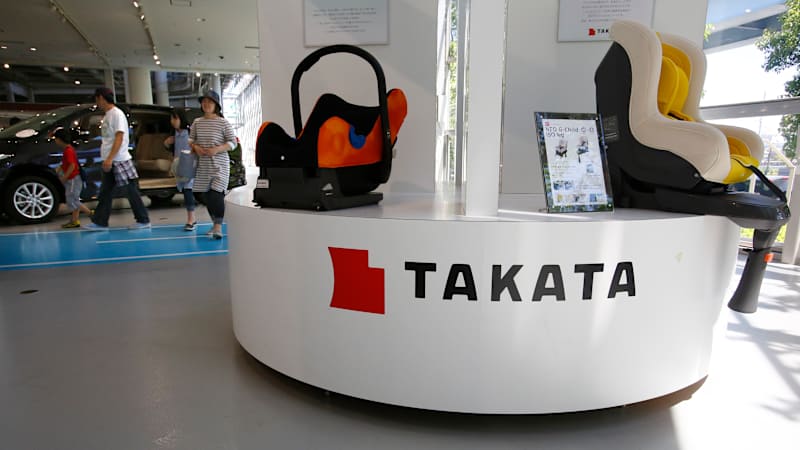
Takata shipped 9 million sub-standard seatbelts, even belts for child car seats - Autoblog

Takata had manipulated safety test data 20 years

7f2174f0-0fad-11eb-bf68-7fe703c8b521


A former unit of bankrupt airbag maker Takata Corp shipped 9 million "sub-standard" seatbelts to car companies in Japan with inaccurate test data that could result in the recall of 2 million vehicles, the Nikkei newspaper reported on Friday.

This week, U.S. automotive component maker Joyson Safety Systems (JSS) said it was investigating data from the belt webbing test data over a 20-year period at the Japanese factory in Hikone it acquired from Takata in 2018.

It said the inaccuracies arose before its acquisition.

"We are still investigating the matter and can't say yet how many seatbelts were involved," an official in charge of recalls at Japan's transport ministry told Reuters.

The Nikkei newspaper reported that Takata had manipulated the strength-test data.

It also said the disgraced company had manipulated test data on belts made for child safety seats, meaning that tens of thousands of seats on the market may be unsafe.

"We're not aware of any belts breaking or any other accidents at this point," a Joyson representative said of the child safety seats.

The result of the investigation will be shared with transport authorities in other countries, the official added on condition of anonymity as the probe is ongoing.

A Joyson representative in Japan did not immediately respond to a Reuters request for comment.

The Michigan-based firm took over what was left of Takata after it went out of business.

Takata was embroiled in one Japan's worst corporate scandals in recent years after admitting it fabricated faulty airbag inflators that could explode and send metal shrapnel into vehicle compartments.

The faulty product was linked to numerous deaths and triggered one of the industry's biggest safety recalls.

Takata in 2017 pleaded guilty to criminal wrongdoing, saying it submitted false inflator test results to automaker clients.

JSS Japan is the top seatbelt maker in the country with a market share of about 40%, as well as just under 30% globally, according to Nikkei.

 
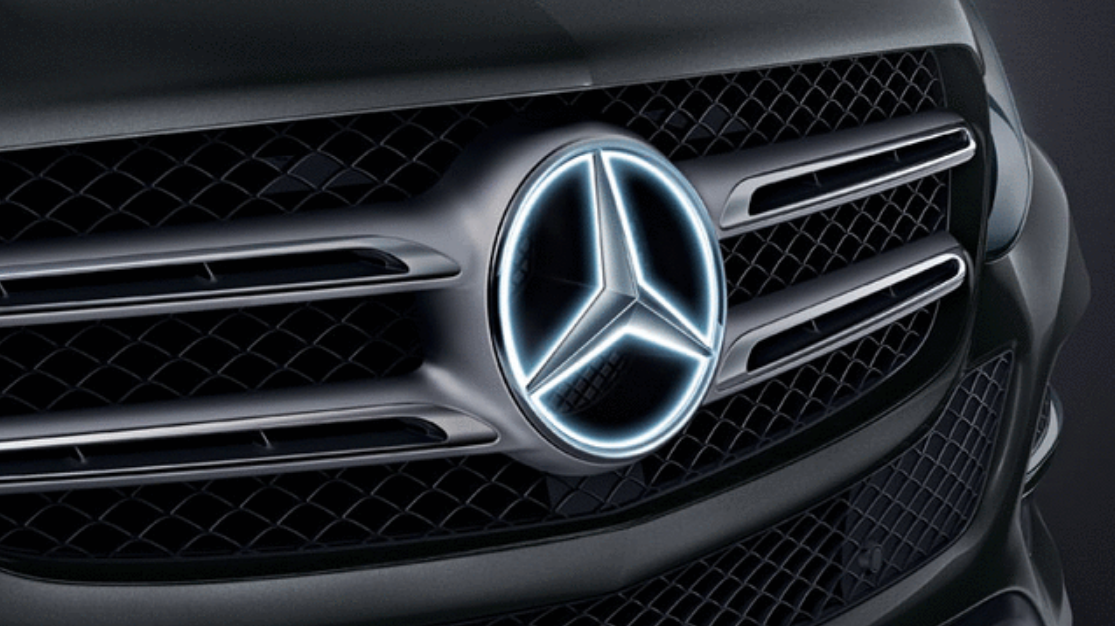
This Glowing Mercedes-Benz Star Is Not Grounded In Reality So Now There's A Recall - Jalopnik

z1pnhcmxk2k9wtnskath.png


The illuminated Mercedes-Benz star badge option has a problem with its electrical ground connection, according to a recall notice posted by the National Highway Traffic Safety Administration.

The issue could potentially lead to malfunctions of the car’s windshield wipers, left headlight or power steering, which sounds like it could possess your car.

The notice, dated October 9, says that up to 12,799 vehicles are potentially affected by an “incorrectly installed electrical ground,” listing five 2020 Mercedes-Benz models: GLE 350, GLE 450, GLE 580, GLS 450 and GLS 580 SUVs.

Here’s more detail from the NHTSA website:

Summary
Mercedes-Benz USA, LLC. (MBUSA) is recalling certain 2020 GLE 350, GLE 450, GLE 580, GLS 450, GLS 580 vehicles equipped with an optional illuminated Mercedes-Benz star logo in the front grill. The star logo’s electrical ground connection may not be installed properly, potentially affecting the function of other components that share the same ground connection, such as the power steering control unit, wiper motor, and/or the left headlight.
Remedy
MBUSA will notify owners, and dealers will relocate the ground connection, free of charge. The recall is expected to begin December 8, 2020. Owners may contact MBUSA customer service at 1-800-367-6372.
The notice also helpfully drives home the point that “If the power steering, wiper motor, or left headlight malfunction there could be an increased risk of a crash.” Indeed.


:whistling:

"SHINE BRIGHT LIKE A DIAMOND, BUT NOT LIKE A 'THREE-PRONGED SUPPOSITORY'...!"
 

How to Get Your Recalled Toyota Fuel Pump Fixed for Free - lifehacker

Toyota recently announced that they’ve added approximately 1.52 million vehicles to a safety recall the company issued earlier this year, bringing the total to 3.34 million.

A defective fuel pump is the reason for the recall, which impacts several makes and model years of both Lexus and Toyota vehicles.

Here’s what you need to know about the recall, and how to get your fuel pump fixed for free if your vehicle is affected.

Why are these fuel pumps being recalled?​

The recall was first issued in January 2020, and starting in May, Toyota began contacting customers who purchased vehicles with the faulty fuel pumps.

According to the manufacturer, the fuel pumps have a propensity to fail, which can cause the engine to stall while the vehicle is in motion, leading to an increased risk of a crash.

At this point, it’s unclear as to whether there are any known incidents caused by this issue, according to the Toyota website.

Full details of the issue & the vehicles affected in the recall at the link below:


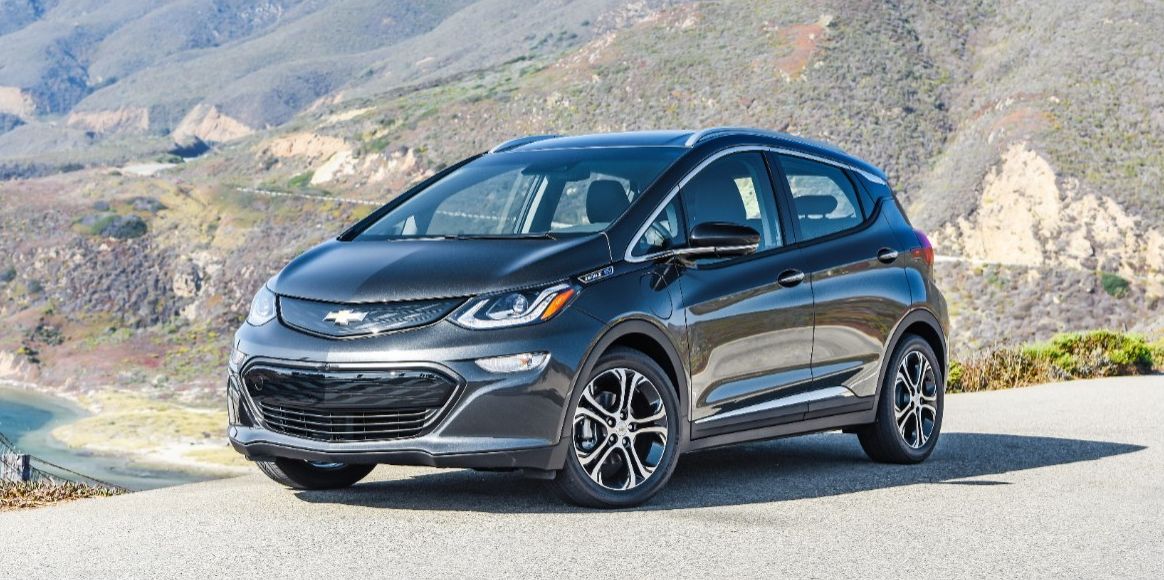
50,000 Chevy Bolt EVs Recalled; Owners Told Not to Park in Garages, Near Houses - caranddriver

More than 50,000 2017 through 2019 Bolt EVs have battery packs that could catch fire even while the vehicle is off and parked.

1605341805625.png

  • General Motors has announced a recall of 50,932 2017 through 2019 Chevrolet Bolt EVs in the U.S.
  • The problem is the chance of a fire in the high-voltage battery pack, which could occur even when the vehicle is stopped, parked, and not plugged in to charge.
  • GM said owners should park the vehicles outside and away from houses until repairs can take place.
Both the National Highway Traffic Safety Administration (NHTSA) and GM are investigating complaints from owners and have confirmed five instances of fires related to the problem.

NHTSA's investigation report indicates that the agency is also investigating 2020 model year Bolt EVs and gives a total of vehicles potentially affected of 77,842.

However, Chevrolet said, "The 2020 Bolt EV uses a different battery-cell design than the vehicles affected by this recall."

NHTSA's report on its investigation of three vehicles that caught fire—one each from 2017, 2018, and 2019 model years—said "fire damage appeared to be concentrated in the EV battery compartment area with penetration into the passenger compartment from under the rear seat.

The root cause of these fires is unknown. One of these incidents . . . reported smoke inhalation injuries."

In a consumer alert this afternoon, NHTSA said it has confirmed five fires and two injuries. In one case, the fire spread from the vehicle and "ignited a home."

Therefore, the agency says Bolt EV owners should park them away from houses and outdoors.

At the time of each of the reported incidents, Ortega said, the batteries were at full or nearly full charge.


Toyota And Lexus Recall 1.5 Million Cars Due To Fuel Pump Problems - Jalopnik​


1606021372056.png

Back in January, Toyota recalled about 700,000 cars due to fuel pump problems. Now, that recall has been expanded to 1.5 million units. Not ideal!

The defective part in question is a fuel pump provided by Denso, an automotive parts manufacturer. Toyota still hasn’t given a reason why the issue is happening, but it did note that the problem can cause the engine to stall.

Obviously that’s not great when you’re cruising down the highway, but it’s also a pain in the ass if you find your car isn’t running—or is running poorly—when you’re heading to work.

So, if your Toyota or Lexus has suddenly started running rough—or if a warning light has popped up on your dashboard telling you something’s going on with the pump—it’s high time to get it checked out.

If you’ve just bought one of the cars in question—which my family just did with a new Toyota RAV4—then you’re definitely going to want to make sure everything’s kosher.

The recall is expected to begin on December 23, so owners of the impacted vehicles will likely be notified before then—but if you own one of the problematic vehicles, you can run your VIN number through the NHTSA website to see if your car is one of those impacted.

As of right now, Toyota hasn’t mentioned anything about reimbursement, but the oldest model year involved here is from 2017, so most cars should still be under warranty.

The impacted Toyota models are as follows:
  • 2018-2019 4Runner
  • 2019-2020 Avalon
  • 2019 Corolla Hatchback
  • 2017-2019 Highlander
  • 2018-2020 Camry
  • 2020 Corolla
  • 2018-2019 Land Cruiser
  • 2017-2020 Tacoma
  • 2019-2020 RAV4
  • 2019-2020 Sequoia
  • 2017-2020 Sienna
  • 2019-2020 Tundra
And now for Lexus:
  • 2018-2020 ES350
  • 2017 GS200t
  • 2017-2019 GS350
  • 2019 GS300
  • 2018-2020 LC500h
  • 2019-2020 LS500
  • 2018-2019 GX460
  • 2017 IS200t
  • 2019 IS300
  • 2019 IS350
  • 2018-2020 LC500
  • 2018 LS500
  • 2019 LS500h
  • 2018-2019 LX570
  • 2017 RC200t
  • 2019 RC300
  • 2019 RC350
  • 2017 and 2019-2020 RX350
  • 2018-2020 RX350L
  • 2019 UX200
 

GM Agrees To Colossal Takata Airbag Recall - Jalopnik​

cs60gh2q046f8vqfswtf.jpg


GM said today it would be moving on from the Trump administration. Also today: GM said it would comply with a National Highway Traffic Safety Administration decision forcing GM to recall 5.9 million SUVs and trucks with Takata airbags in the U.S., costing GM an estimated $1.2 billion.

Were these events related? Probably not, but the timing is still funny.

This particular fight has been going on since 2016, after GM repeatedly petitioned NHTSA in an effort to not issue the recalls, saying that it thought GM cars with Takata airbags were safe. NHTSA and disagreed and issued its ruling Friday.

GM said it would comply in a statement:

The safety and trust of those who drive our vehicles is at the forefront of everything we do at General Motors. Although we believe a recall of these vehicles is not warranted based on the factual and scientific record, NHTSA has directed that we replace the airbag inflators in the vehicles in question. Based on data generated through independent scientific evaluation conducted over several years, we disagree with NHTSA’s position. However, we will abide by NHTSA’s decision and begin taking the necessary steps.
The GM recall applies to vehicles made in the 2007-14 model years from the so-called GMT900 family of trucks and SUVs, which include:

Cadillac Escalade ESV, Chevrolet Silverado 1500, GMC Yukon XL, GMC Sierra 1500, Chevrolet Silverado 2500/3500, Chevrolet Tahoe, Chevrolet Suburban, Chevrolet Avalanche, GMC Yukon, Cadillac Escalade, GMC Sierra 2500/3500 and Cadillac Escalade EXT.

With this, according to the AP, every car with a Takata airbag in it in the U.S. will have been recalled, which means that the end is in sight for the biggest recall in motor vehicle history here.

Well, maybe not: The AP also says that around one-sixth — or 11.1 million vehicles — of the 63 million vehicles in the U.S. that are currently under recall are still open, as of September. Get your recalls done!


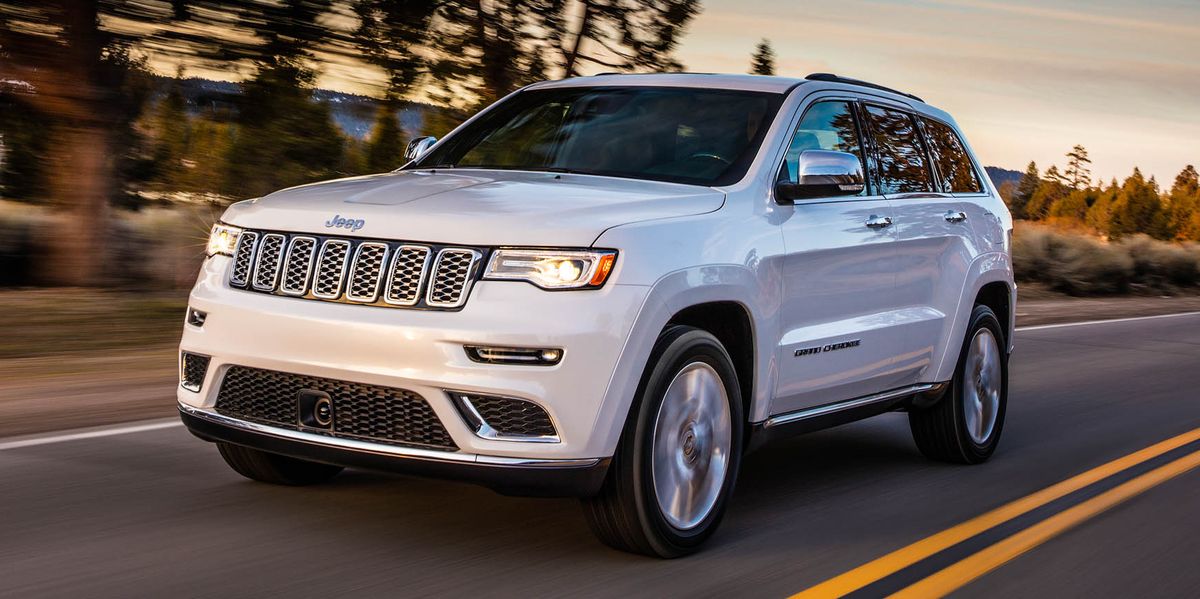
FCA Recalls 2014–2019 Jeep Grand Cherokee with EcoDiesel Engine - caranddriver​

The nearly 30,000 Grand Cherokees are being recalled because of a crack in an engine component that could lead to a fire.

1606819201113.png

  • Fiat Chrysler Automobiles (FCA) has issued a recall for 29,884 of its 2014–2019 Jeep Grand Cherokee SUVs with the 3.0-liter EcoDiesel engine.
  • The problem is with the exhaust-gas recirculation (EGR) cooler, which could crack and result in a fire.
  • Owners of the affected Grand Cherokees will be notified beginning on December 31, 2020.
 

Kia recalls 295,000 vehicles for engine fire risks - Autoblog

Some vehicles could get an entire engine replacement

1607231319237.png

Kia said on Saturday it is recalling 295,000 U.S. vehicles for engine fire risks.

The Korean automaker said the recall covers some 2012-2013 model year Sorento, 2012-2015 Forte and Forte Koup, 2011-2013 Optima Hybrid, 2014-2015 Soul, and 2012 Sportage vehicles because an engine compartment fire can occur while driving.

Dealers will inspect the engine compartment for fuel or oil leaks, perform an engine test and make any repairs including engine replacement, as necessary.

Kia said it is currently developing a Knock Sensor Detection System software update.

Last week, Kia and affiliate Hyundai agreed to a record $210 million civil penalty after U.S. auto safety regulators said they failed to recall 1.6 million vehicles for engine issues in a timely fashion.

The Korean automakers agreed to consent orders after the U.S. National Highway Traffic Safety Administration (NHTSA) said the automakers inaccurately reported some information to the agency regarding the recalls.

Kia’s civil penalty totaled $70 million, including an upfront payment of $27 million, requirements to spend $16 million on specified safety measures, and a potential $27 million deferred penalty.

The settlement covers recalls in 2015 and 2017 for manufacturing issues that could lead to bearing wear and engine failure.

In the new Kia engine recall, NHTSA opened an investigation in 2019 into non-crash fires in Kia and Hyundai vehicles.

The agency in July recommended Kia conduct recalls on certain models with a higher fire complaint rate, the automaker said.

Kia said "based on NHTSA’s recommendation" it had made the "decision to recall certain Kia vehicles as a preventative measure to mitigate any potential fire risk."

Hyundai on Friday recalled 129,000 U.S. vehicles because connecting rod bearings may wear prematurely, which over time can result in engine damage and increase fire risks.
 

Hyundai recalling 130,000 Santa Fe, Sonata Hybrid and Veloster models for potential engine failure - Autoblog

The fault is with the connecting rod bearings


1607231573790.png

Hyundai is recalling 130,000 U.S. vehicles for faulty engine connecting rod bearings that may wear prematurely, leading to engine failure.

Hyundai said the recalled vehicles will receive updated engine control software to help the knock sensor detect vibrations that could indicate a damaged connecting rod bearing.

Dealers will also conduct inspections and, if necessary, replace the engine.

The recall covers versions of the 2015–2016 Veloster, 2012 Santa Fe, 2011–2013 Sonata Hybrid, and 2016 Sonata Hybrid.

Specifically, the affected vehicles and engines are:

2012 Hyundai Santa Fe with the 2.4-liter Theta II four-cylinder engine

• 2011–2013 Hyundai Sonata Hybrid with the 2.4-liter Theta II four-cylinder engine

• 2015–2016 Hyundai Veloster with the 1.6-liter Gamma four-cylinder engine

2016 Hyundai Sonata Hybrid with the 2.0-liter Nu four-cylinder engine


For each, only those vehicles produced between certain dates have the issue. Hyundai says it will be sending owners letters notifying them of the recall in late January.

Hyundai and Kia recently agreed to pay a $210 million civil penalty for failing to recall 1.6 million vehicles for engine bearing issues in a timely fashion. That penalty was for recalls in 2015 and 2017.
 

Is Your Honda Part of the Big Recall? - Jalopnik

1608142934357.png

Lettuce recalls, while common as a passing breeze these days, aren’t really that big of a deal for the general consumer unless you’ve already gobbled up a bed of contaminated romaine.

Massive auto recalls are another dilemma entirely: If you’re affected by one, you’ve likely paid thousands, or signed on to a long-term lease for a car that can potentially put you or others in danger.

Unfortunately for 1.4 million Honda owners in the United States, that’s exactly what’s happening.

The automaker announced that it’s recalling 1.4 million vehicles for various mechanical and software issues, encompassing vehicles manufactured over an 18-year period, from 2002 to 2020.

The announcement makes for especially poor timing, as the country still grapples with the economic consequences of a rampant pandemic and winter weather threatens to make driving conditions more treacherous on a national level.

Here’s what you need to know about the vehicles affected, and what you should do if you drive one.

What’s being recalled​

The recall encompasses a sprawling list of Honda models. Here’s the number of each specific model recalled for various issues, according to a report in the Associated Press.

737,000 Accords from 2018 to 2020 have been recalled concerning a “programming flaw in a control computer can cause the rear camera, turn signals and windshield wipers to malfunction.”

430,000 Honda Civic Hybrids from 2012, the 2007 through 2014 Honda Fit, the 2013 through 2015 Acura ILX and the 2013 through 2015 Honda Accord. These recalls concern a faulty drive shaft that’s prone to breaking due to corrosion—an issue that can bode disastrous no matter the conditions on a road.

268,000 CR-Vs from 2002 through 2006 have been recalled due to a power window switch issue that can potentially lead to a fire.

As the AP writes: “Water can get into an open driver’s window and cause an electrical short, possibly touching off a fire. It’s the second recall for the same issue. The cars were recalled starting in October of 2012, but the repairs didn’t work. Honda says it has reports of 16 fires but no injuries.”

What you should do

First, an easy way to find out if you’re caught up in this mess is by consulting Honda’s recall website. By inputting your Vehicle Identification Number and model, you’ll be able to quickly see if your car is one of the 1.4 million dangerous automobiles cruising American highways.

Apart from that, there’s a bit of a waiting period, which only agonizingly stretches the problem. Owners will receive notifications in January and February, alerting them that their cars are ready to be serviced at their local Honda dealerships. January notifications will be mailed for owners of the 2018-2020 Accords, 2019 and 2020 Insights, and the 2002-2006 CRVs.

Owners of cars affected by the drive shaft issues will have to wait until February to receive the official word from Honda.

Fortunately, all recall maintenance is free of charge, but it doesn’t take away the initial sting of worrying about a car that might not be all that safe for the road.


2020 Ford Explorer recalled for the 10th time in a single year - Roadshow​

1608701814260.png

The 2020 Ford Explorer has not had an easy first year of life. Neither has its platform mate, the Lincoln Aviator.

On Monday, Ford issued yet another recall for both SUVs, and by the federal government's count, this is the 10th recall for the Explorer and the sixth for the Aviator.

Both SUVs have only been on sale for a single model year. Ford acknowledged the Explorer's rollout didn't exactly go swimmingly in the past.

The number of SUVs involved in the recall are rather small, but still, it's another problem Ford and its service centers need to address.

This time it's for potentially bad motor mounts. Over time, the motor mounts may loosen and disconnect from the engine altogether. If this happens, drivers will experience a sudden loss of power, which increases the risk of a crash.

Ford said it's not aware of any crashes or injuries involving the problem, however.

A total of 1,405 Explorer and Aviator SUVs from the 2020-2021 model years are included in the recall, and owners of the batch will need to bring their vehicle to a dealership for a fix. There, a technician will replace right-hand motor mount fasteners to keep everything where it should be. Expect mailed notices to send out this coming February.

Aside from the SUVs, Ford also issued another recall for its E-Series vans equipped with the 7.3-liter V8 engine.

This recall's definitely an oddball, but the automaker said the vans may not have proper insulation to keep heat away from the passenger compartment.

As the big V8 produces heat, it may transfer too much to the passenger compartments near the engine and can cause burns to passengers inside. Ford said it's not aware of any injuries related to the problem.

For this issue, Ford needs to 29,344 of the vans to return to dealers where a technician will check for gaps in insulation coverage. If they do find missing insulation, the tech will install the needed insulation to keep the extra heat out of the passenger compartment.

The automaker also said two features, elevated idle control and battery charge protect, can make the heat problem worse, so a tech will also update powertrain calibrations for heat management at the same time.

Ford didn't release a timeline for when notices will send out, but just be careful around various parts of the cabin in the meantime.

 
Top
Sign up to the MyBroadband newsletter
X