The Local & Global Car Defect & Recall Thread

VW Golf 8 Hit By Another Software Glitch, 56,000 Cars Recalled - Motor1.com​

1610538562709.png

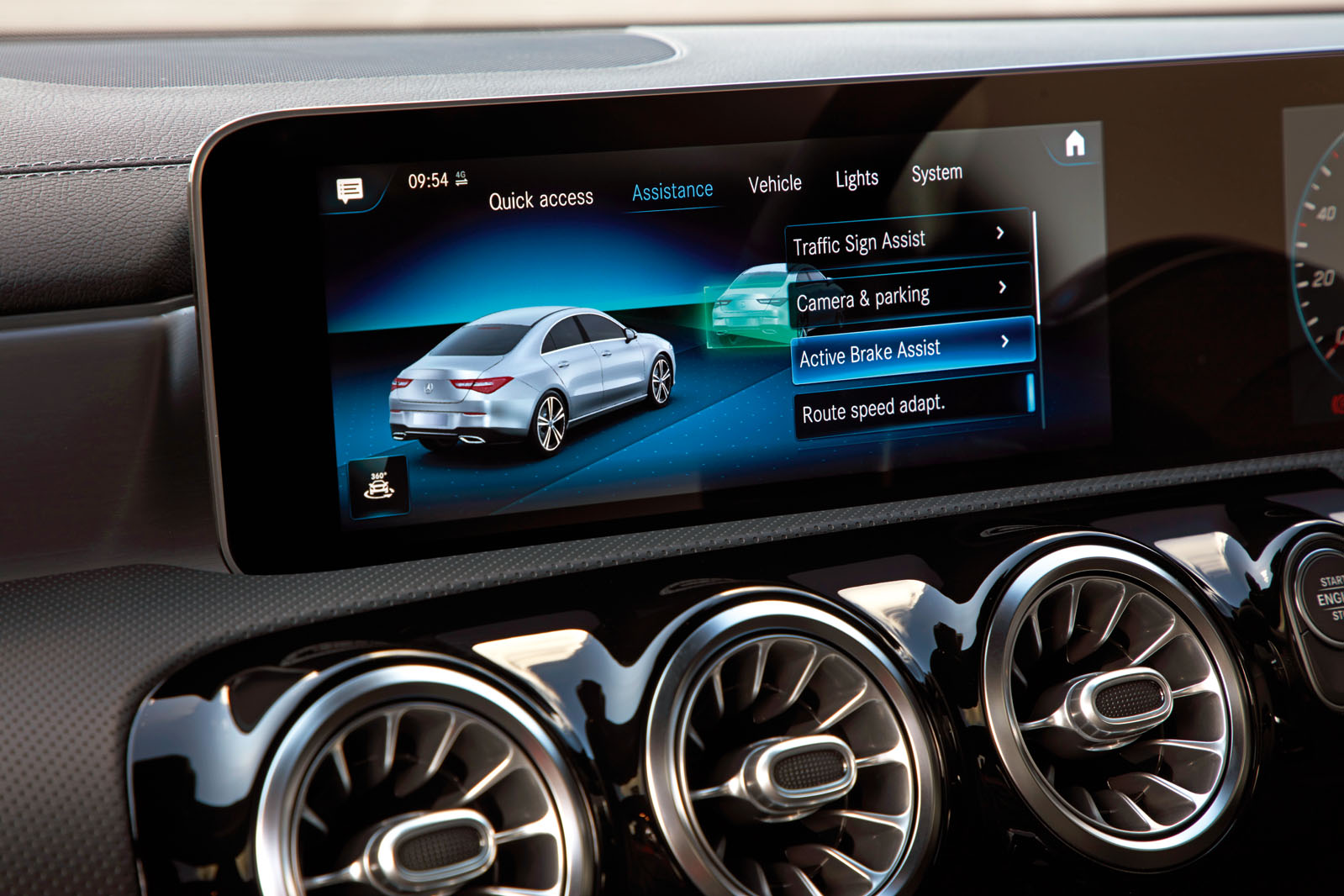
The eighth-generation Volkswagen Golf was off to a bad as a software problem related to the car’s emergency call function plagued the car’s launch last year in Europe.

It’s happening all over again as a separate issue – this time related to the infotainment system and reversing camera – is forcing VW to announce a voluntary recall.

A total of 56,000 Golf 8s are impacted by the “voluntary service measure” and VW explains the cars affected were built until June 2020.

Once again, it appears the early ones have the glitchy software, thus reinforcing the rule some people have about not buying cars during their first production year.

As some of you will remember, the ID.3’s market launch was actually delayed several months due to similar software issues.

 
Slideshow:

Revealed: the most recalled cars in Europe in 2020

We look at the most recalled European cars in the past 12 month. Is yours on the list?


Tesla asked to recall 158,000 cars for failing displays - The Verge​

The bricked screens can cause crashes, the National Highway Traffic Safety Administration says

1610619501394.png

The National Highway Traffic Safety Administration has asked Tesla to recall some 158,000 Model S and Model X vehicles that could suffer from failing display consoles, according to a letter published by the agency on Wednesday.

The failures of the so-called “media control units” in these vehicles can sever the owner’s access to their vehicle’s backup camera, climate controls, and Tesla’s Autopilot driver assistance system, increasing the risk of a crash, the safety agency says.

The problem at the heart of the defect that NHTSA wants Tesla to fix involves worn-out flash memory chips used in the displays of 2012-2018 Model S sedans and 2016-2018 Model X SUVs.

Each time an owner turns on one of these Teslas, it eats away at the total capacity of the the 8GB eMMC NAND flash memory chip onboard the NVIDIA Tegra 3 processor that powers the displays.

When that capacity is reached — usually about five to six years later, the agency says — the displays become bricked. Motherboard first reported on the issue in 2019.

Tesla confirmed to NHTSA that all units with this chip “will inevitably fail,” according to the agency, and also provided a statistical model showing projected weekly repairs lasting from 2020 to 2028, with the most failures happening in 2022.


Ford, Mazda ordered to recall 3 million vehicles with Takata air bag inflators - Autoblog​

The U.S. government's highway safety agency has rejected a request from Ford and Mazda to avoid recalling about 3 million vehicles with potentially dangerous Takata airbag inflators.

The National Highway Traffic Safety Administration (NHTSA) said Tuesday the ammonium nitrate propellant used to inflate the driver's airbags is showing signs of decay and poses a safety risk.

The companies now have 30 days to give the agency a schedule to notify owners and begin the recalls.

Vehicles included are:
Takata used ammonium nitrate to create a small explosion to inflate airbags in a crash. But the chemical can deteriorate over time when exposed to high heat and humidity and can burn too fast, blowing apart a metal canister and hurling shrapnel into drivers and passengers.

The airbags have caused at least 27 deaths worldwide, including 18 in the U.S. About 400 have been injured.

The problem caused the largest series of auto recalls in U.S. history, with at least 67 million inflators recalled by 19 automakers. A court-appointed monitor reports that as of early January, 50 million had been repaired or were otherwise accounted for. About 100 million inflators have been recalled worldwide.

All of the vehicles covered by the recall announced Tuesday have a moisture-absorbing chemical in the inflators that Ford and Mazda said made them safe. But the safety agency disagreed and denied the automakers’ petition to avoid the recall.

The Ford and Mazda inflators are the earliest generation made by Takata that used calcium sulfate as a drying agent.

In its decision denying the Ford petition, NHTSA wrote that the ammonium nitrate could degrade, a sign that it could explode too aggressively. “The evidence makes clear that these inflators pose a significant safety risk,” the agency wrote.

NHTSA has determined that 56 million other inflators with different moisture-absorbing chemicals are safe and do not need to be recalled.

The agency urges people to check for open recalls of their vehicles at https://www.nhtsa.gov/recalls. Owners should enter their 17-digit vehicle identification number, which usually is printed on state registration documents.


Now A Recalled Kona EV Has Caught Fire, And Hyundai Is Facing Questions - Jalopnik​


1611823537747.png

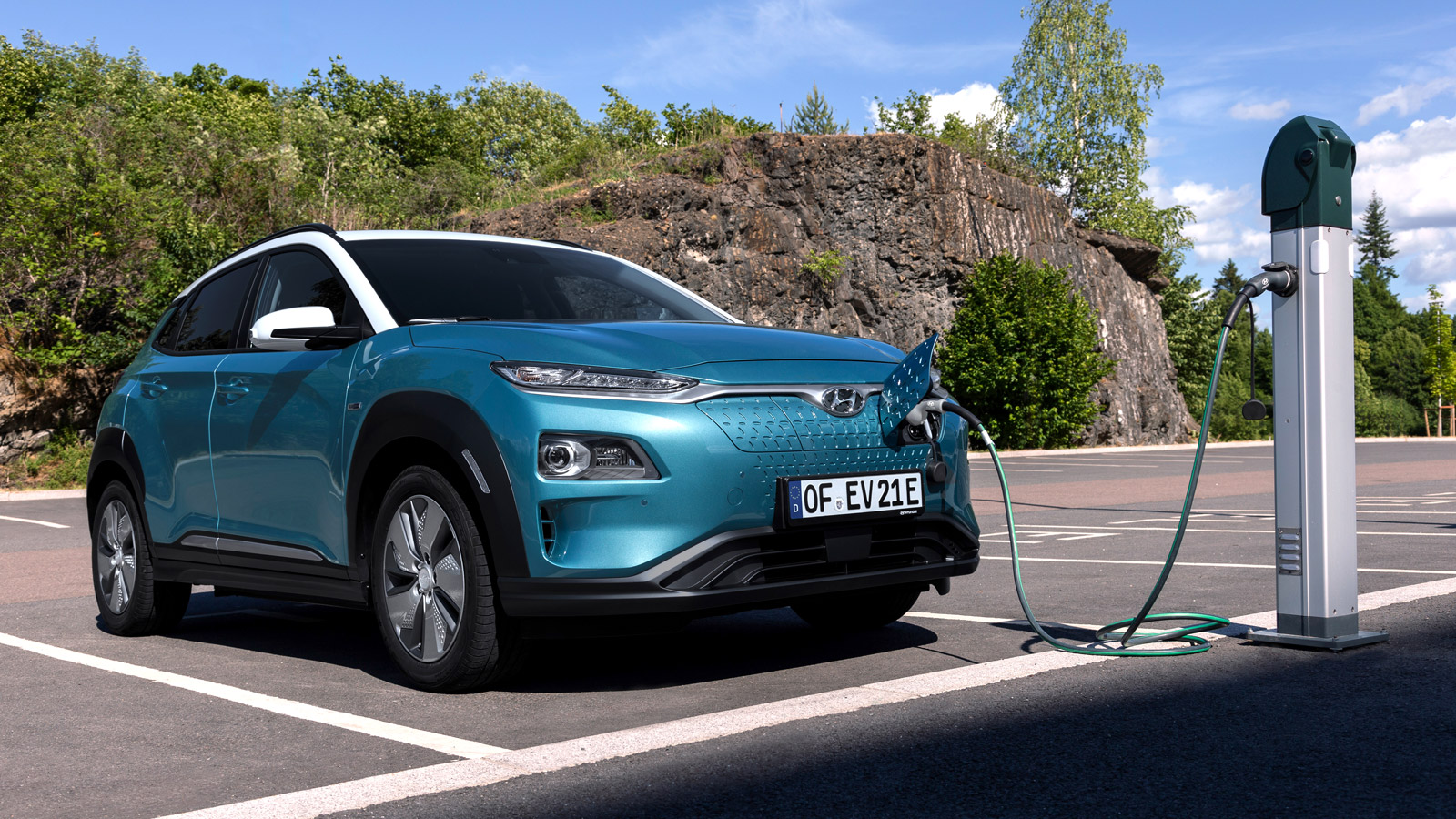
Late last year Hyundai issued a recall for the Kona Electric, affecting some 77,000 vehicles globally after 16 of them caught fire.

Over the weekend, yet another Kona EV suffered a similar fate in South Korea while charging at a station in Daegu, Reuters reported Monday.

The difference is, this particular car had already been recalled.

The incident is now under investigation by the Korea Transportation Safety Authority, according to the Korea Herald.

Normally, the country’s National Forensic Service would be deployed to look into matters such as these, however, the Kona EV’s troubled history, coupled with the fact this one went up in flames even after supposed repair, has escalated the issue.

The Transportation Safety Authority will also assess “the adequacy of the recall,” an official told Reuters.

Rather than replacing batteries as part of the recall, Hyundai only mandates flashing new software onto the affected vehicles, according to Reuters.

Some cars do receive new batteries if an inspection deems it necessary, though this one apparently returned to the road with only software changes.

The recalled Kona EVs were manufactured between 2017 and 2020, and it’s worth noting the car didn’t arrive in U.S. showrooms until 2019.


Porsche issues stop sale order on used vehicles with Sport Chrono Package - autoblog

It includes 911, Boxster, Cayman, Cayenne and Panamera models built between 2012 and 2016

1612240942120.png

Every once in a while, automakers are forced to issue what's known as a stop sale on vehicles in their fleets or sitting on dealership sales floors and lots. It's usually either a safety- or emissions-related issue that causes the sales pause, and it's almost always for brand-new, never-before-sold cars and trucks.

According to Business Insider, then, Porsche's current stop sale on vehicles equipped with its high-end Sport Chrono Package is rather odd.

Not only is the stop sale issued for older cars, it spreads across the automaker's entire lineup. It includes certain 911, Boxster, Cayman, Cayenne and Panamera models equipped with Sport Chrono built between 2012 and 2016.

That's a huge range of highly disparate vehicles with wildly different powertrain setups.

Apparently, in the most highly strung Sport Plus mode, some of these older Porsche models emit too much nitrogen oxide, which means they aren't legal to sell in the United States.

 
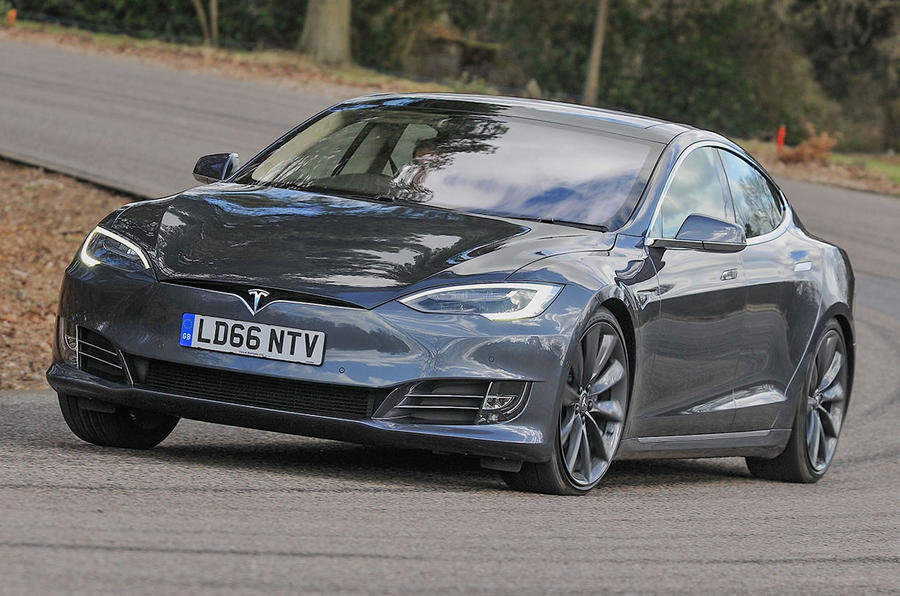
Tesla recalls 135,000 cars in US over software failure

Model S and Model X cars built before 2018 could lose digital display, rear-view camera and indicators

Tesla is recalling more than 130,000 cars in the US to fix software faults with the potential to cause an accident.

The National Highway Traffic Safety Administration first flagged the fault to Tesla on 13 January, requesting the firm to issue a recall notice after it was found that the affected models could demonstrate problems with their rear-view and reversing camera displays, indicators and windscreen demister.

Affected cars are the Model S produced from 2012 to 2018 and the Model X from 2016 to 2018 - a total of 134,951 cars. The NHTSA said the fault stems from a centre display memory device, which wears over time to the point that it can no longer "maintain the integrity of the file system, causing a failure in some of the centre display functions".

It has not yet been confirmed whether Tesla cars in other markets are affected, but Autocar understands that the firm will communicate with UK customers this week.

 
Tesla recalls 135,000 cars in US over software failure

Model S and Model X cars built before 2018 could lose digital display, rear-view camera and indicators

Tesla is recalling more than 130,000 cars in the US to fix software faults with the potential to cause an accident.

The National Highway Traffic Safety Administration first flagged the fault to Tesla on 13 January, requesting the firm to issue a recall notice after it was found that the affected models could demonstrate problems with their rear-view and reversing camera displays, indicators and windscreen demister.

Affected cars are the Model S produced from 2012 to 2018 and the Model X from 2016 to 2018 - a total of 134,951 cars. The NHTSA said the fault stems from a centre display memory device, which wears over time to the point that it can no longer "maintain the integrity of the file system, causing a failure in some of the centre display functions".

It has not yet been confirmed whether Tesla cars in other markets are affected, but Autocar understands that the firm will communicate with UK customers this week.

That is pretty bad, so its known that the flash memory will fail at some stage and the infotainment system will fail.
Its going to put a bit of a damper on used car sales for them along with the supercharging functionality not passing on to the new owner unless they purchase the software unlock.
 
Update: Tesla extends recall to UK Model S and Model X owners

Certain cars built before 2018 could lose digital display, rear-view camera and indicator functionality

Tesla has detailed a wide-reaching recall programme for certain Model S and Model X cars to fix software faults with the potential to cause an accident, and guidance will now be issued to UK owners of the affected models.

The recall was issued yesterday (2 February) for more than 130,000 cars in the US. It is unknown how many cars are affected in the UK, but owners will begin receiving the recall notice later this week.

The National Highway Traffic Safety Administration first flagged the fault to Tesla in the US on 13 January, requesting the firm to issue a recall after it was found that the affected models could encounter problems with their rear-view and reversing camera displays, indicators and windscreen demister.

Affected cars are the Model S produced from 2012 to 2018 and the Model X from 2016 to 2018. The fault stems from a centre display memory device - more specifically the "8GB embedded MultiMediaCard (eMMC) in the media control unit (MCU)" - which wears over time, resulting in "a persistent blank centre display that does not recover after restarting the touchscreen, loss of certain functionalities, and/or a vehicle alert signalling memory storage device degradation".


A Single Factory Worker Forced Subaru Into A Recall - Jalopnik

1612371509701.png

Recalls are usually the result of an engineering or design flaw, or a break down in manufacturing. It’s unusual that they are pinned on one poor factory worker.

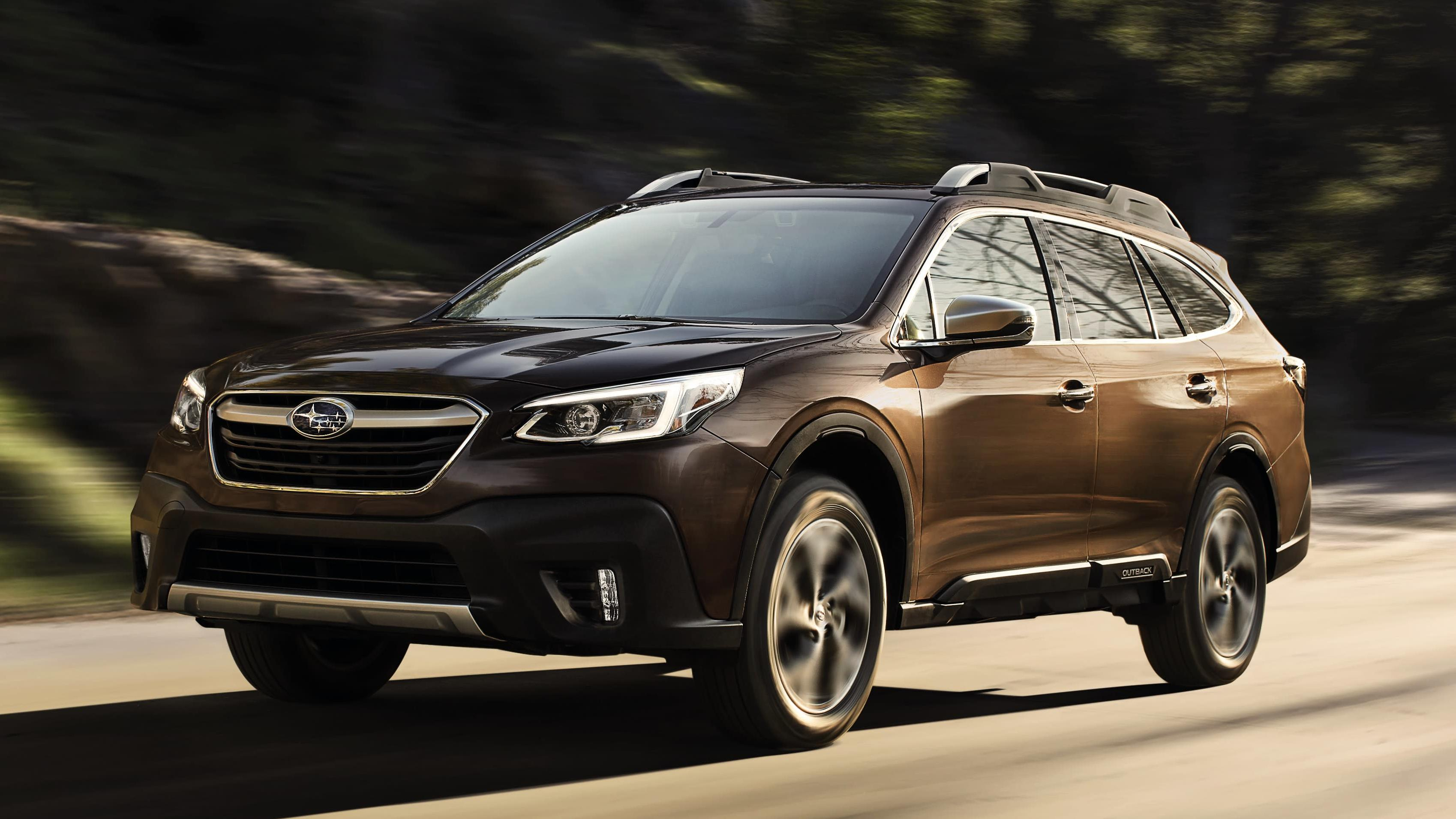
But such is the case for a Subaru recall issued recently that affects 383 Outbacks and Imprezas for the model year 2021.

Here’s how the relevant NHTSA document describes it (emphasis mine):

The CVT select lever cable nut may have been under torqued during vehicle assembly.
The basis for how the recall population was determined: Potentially affected vehicles were identified using vehicle production records. A single associate assigned to a specific production line working between the production dates specified (12/14/2020 – 12/21/2020) was found to be using an improper torque wrench technique. All vehicles potentially affected by this associate are included in the identified population.
[...]
If the CVT select lever cable nut was not properly torqued and loses retention, the gear select may not function properly. If the gear select does not function properly, there is an increased risk of crash.
It would be a poor day at work to come in and find out that you personally were responsible for a recall at the multinational automaker that you work for, but then again it would also be just another one of life’s unique experiences.

If you bought an Impreza or Outback last month check NHTSA’s website to see if you got one of the (un)lucky ones.


2021 Nissan Titan regresses in latest IIHS crash testing - Autoblog

It's better at avoiding accidents, but worse at enduring them

1612417541621.png

Conventional wisdom would have you think cars and trucks that have been updated or are all-new do better in crash tests than their predecessors.

That's not the case with the 2021 Nissan Titan, which scored lower in the Insurance Institute for Highway Safety's passenger-side small overlap test after changes to its underlying structure, the safety advocate says.

What was it that the Mopar folks used to say? If you can't Dodge it, Ram it? Well, maybe don't try that in a new Titan.

According to the announcement, Nissan made changes to the 2020 Titan's frame and several components of the cab, including the A-pillar, roof rail and lower sill. Part-way through the 2021 model year, more changes were made, including the addition of passenger-side knee airbags.

This all sounds like good news on paper, but it appears that some of those structural changes had unforeseen consequences.

"While the 2019 crew cab earned a Good rating in all six of the [IIHS]’s crashworthiness evaluations, the 2021 model earns an Acceptable passenger-side rating due to increased intrusion into the front seat passenger’s space," the organization said in its announcement.

"The rating also applies to the 2021 Titan extended cab. The 2020 models were not rated for passenger-side small overlap protection."

There's more bad news for the Titan, too, as revisions from Nissan along with IIHS's stricter 2021 requirements for lighting performance resulted in worse marks for the Titan's available headlights, both of which received the lowest "Poor" rating. In 2020, Nissan had at least one "Marginal" configuration.

There is some good news, though, especially if you still prefer the "Dodge it" approach to pickup driving.

Apparently the 2021 Titan is better at that, earning the best "Superior" ratings for both vehicle-to-vehicle and vehicle-to-pedestrian scenarios thanks to its updated suite of active safety systems.


Jeep recalls stick-shifted Wrangler, Gladiator due to clutch-frying software - Autoblog

42,887 units are affected in America

1612451759911.png

Jeep has issued a recall that applies to 42,887 examples of the Wrangler and the Gladiator equipped with a six-speed manual transmission. The company explained the clutch pressure plate can overheat and fracture.

As its name implies, the pressure plate is a part that puts pressure on the clutch disc. It's bolted to the flywheel, which is attached to the rear end of the crankshaft, and it's an important piece of the mechanism that transfers the engine's output to the transmission, and ultimately to the driven wheels. Without it, the power flow stops.

The affected off-roaders are equipped with a clutch pressure plate that can overheat and break, which can cause the clutch disc to fracture, and in rare cases start a fire.

Documents sent to the National Highway Traffic Safety Administration (NHTSA) point out the firm is aware of one accident and no injuries related to the recall.

36,692 units of the Wrangler, built between August 23, 2017, and January 22, 2021, are included in the voluntary recall; that's every stick-shifted fourth-generation model built. The campaign also includes 6,195 examples of the Gladiator made from December 21, 2018, to January 22, 2021. Both are equipped with the same pressure plate.

Jeep warned that drivers might get a whiff of burnt clutch before the pressure plate fails. While it wouldn't be far-fetched to assume the company will replace the clutch kit in affected vehicles, it explained that the parts operate exactly as they were designed to; interestingly, it's a software-related issue that's causing them to fail.

Owners of affected vehicles will consequently be asked to visit the nearest authorized dealership, where a technician will "add software to reduce engine torque capability when the clutch assembly temperatures rise to a level that may damage the inner pressure plate."

Jeep will begin notifying owners on March 19, 2021.

 
Mercedes-Benz recalling more than one million cars in US

Fault with eCall system is to blame for the recall; European models are also affected

Mercedes-Benz has been forced to recall more than one million cars in the US after it discovered a fault with the eCall system that automatically alerts emergency services in the event of a collision.

The problem could result in the wrong location being sent by affected cars, potentially leading to longer ambulance response times.

The issue also affects models outside of the US, although Mercedes is refusing to provide “any further details at this time” regarding specific models or the numbers affected.

It said that an over-the-air software update would be rolled out in due course and that it would stay “in close contact with the local authorities” in the meantime.

 
On February 4, Hyundai Australia recalled 93,572 Hyundai Tucson SUVs because there’s a potentially defective circuit board in the anti-lock brake system - in the engine bay - which could cause an electrical fire.

The vehicles in this recall were sold from 1 November 2014 to 30 November last year. So that’s six years and one month, inclusive, and no fires, not one, have been linked to the potential defect here in Australia.

So, this is an extreme low probability, but admittedly high consequence risk.

 
Hyundai to replace battery systems in costly new electric car recall

Hyundai says it will replace the battery systems in some 82 000 electric vehicles globally due to fire risks, a problem which combined with an earlier recall is likely to cost the carmaker an estimated $900 million (R13 million).

Most of the latest recall applies to its best-selling electric car, the Kona EV, which was first recalled in October for a software upgrade after a series of fires. However there are no implications for South African motorists as none of the company’s electric vehicles are currently sold here.

In January, one of the recalled vehicles caught fire and South Korean authorities launched a probe into whether the first recall had been adequate.

LG Energy Solution, a division of LG Chem Ltd which manufactures the batteries, said in a statement that Hyundai has misapplied LG's suggestion for fast-charging logic in Hyundai's battery management system and that the battery cell should not be seen as the direct cause of the fire risks.

 
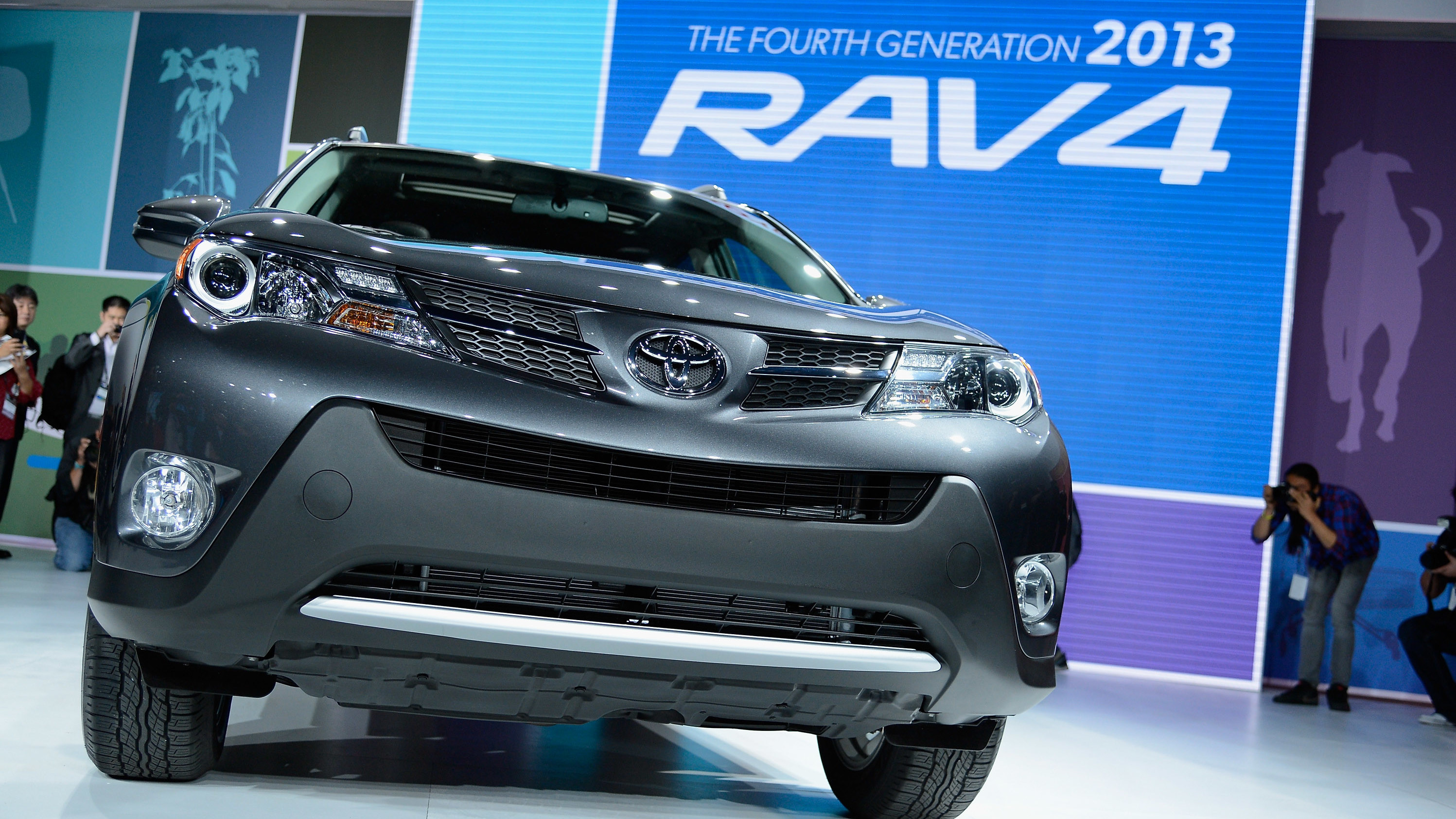
1.9 Million Toyota RAV4s Investigated For Catching Fire

Everyone’s favorite small SUV — America’s best-selling vehicle that’s not a pickup truck — is under investigation by NHTSA as of Monday. It could possibly lead to another recall for Toyota, Reuters reported.

The ubiquitous RAV4 is the subject of a new probe after 11 incidents of “non crash thermal events” have been reported, according to USA Today. Thermal events is just a fancy term NHTSA uses to refer to fires, and those in the affected RAV4s have been traced to the 12-volt batteries in the SUVs.

The probe affects as many as 1.9 million RAV4s from the 2013 to 2018 model years, which makes them the fourth-generation RAV4. Also, 11 incidents may not sound like much, especially given the amount of cars NHTSA is investigating, but the agency said that “the number of vehicle fires reported [...] is larger than for other similar vehicles,” per Reuters.

There are reports of the fires both while the car was in motion and while the car was stationary. I don’t know which is scarier, driving down the highway and suddenly seeing smoke from under the hood or sitting at home/school/work and peeking out the window to see your car in flames.


Ford Recalls Millions of Cars, SUVs, and Trucks to Replace Takata Airbags - Consumer Reports​

The automaker moves forward with recall plans after NHTSA denied a petition

1615610803709.png

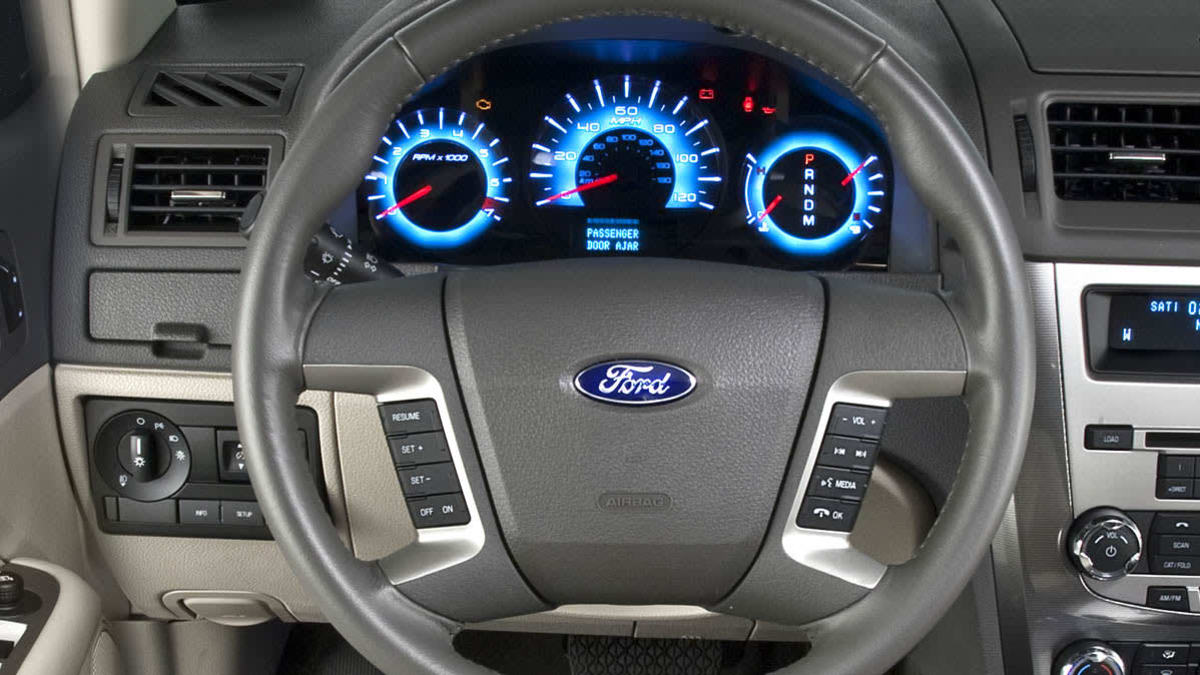
Ford is recalling about 2.6 million cars, SUVs, and trucks in the U.S. and its territories to replace driver-side Takata airbags.

The announcement comes after the National Highway Traffic Safety Administration denied the automaker’s petition in January to exempt several Ford and Mazda models from the recall process, including 2006-2012 Ford Fusion, Lincoln Zephyr and MKZ sedans; 2007-2010 Ford Edge and Lincoln MKX SUVs; 2006-2011 Mercury Milan sedan; 2007-2011 Ford Ranger pickup truck; and 2007-2009 Mazda B-Series pickup truck.

These models have long been a part of the massive Takata recall action.

In a statement, Ford said, “Unlike previously recalled Takata airbag parts, these driver-side airbags contain a moisture-absorbing desiccant and perform differently. Ford believes its extensive data demonstrates that a safety recall is not warranted for the driver-side airbag.” But since NHTSA denied the petition, Ford is proceeding to recall these vehicles.

Separately, Mazda announced that it will recall approximately 5,844 Mazda B-Series trucks. This twin to the Ranger was produced at Ford's Twin Cities Assembly Plant.

The Ford statement explained, "While this condition could result in serious injury or death, Ford is not aware of any reports of a rupture of an airbag with calcium sulfate desiccant."

Dealerships will replace the driver-side airbag inflator or airbag module, as needed. Owner notifications will begin the week of April 1, 2021.
 

Honda's latest fuel pump recall covers 761,000 vehicles worldwide - Autoblog

This isn't Honda's first recall for bad fuel pumps

1617250886424.png

Honda will recall around 761,000 vehicles worldwide to replace fuel pumps that could fail and lead to stalling engines.

This recall, which is described in the National Highway Safety Administration campaign number 21V215000, isn't the Japanese automaker's first recall for bad fuel pumps. It includes 628,000 vehicles sold in the United States.

Honda isn't aware of any crashes or injuries related to the issue.

This most recent recall includes models from both Acura and Honda, some from 2019 only and others stretching into the 2020 model year.

From Acura, some ILX, MDX, MDX Sport Hybrid, RDX and TLX models are included.

From Honda, the recall covers certain Accord (including the Hybrid), Civic (Coupe, Sedan and Hatchback and including the Si and Type R), Fit, HR-V, Odyssey, Passport, Pilot and Ridgeline.

Finally, some Honda CR-V models from 2018 and 2019 are also included.

Less than a year ago, Honda issued a recall over the fuel pumps of 136,057 vehicles in the U.S., some of which seem to overlap with this latest recall.

Back in 2019, two separate recalls covered well over half a million vehicles for other fuel pump-related maladies, though it's not clear if any or all of these issues are related.

With so many recalls over fuel pumps, it would be a good idea for owners of 2018-2020 Honda vehicles to enter their VIN numbers at either Honda's dedicated recall website or use the various tools provided by NHTSA.

 
Top
Sign up to the MyBroadband newsletter
X