The SA Vehicle Industry Thread

Toyota cuts production at even more plants due to semiconductor crisis​

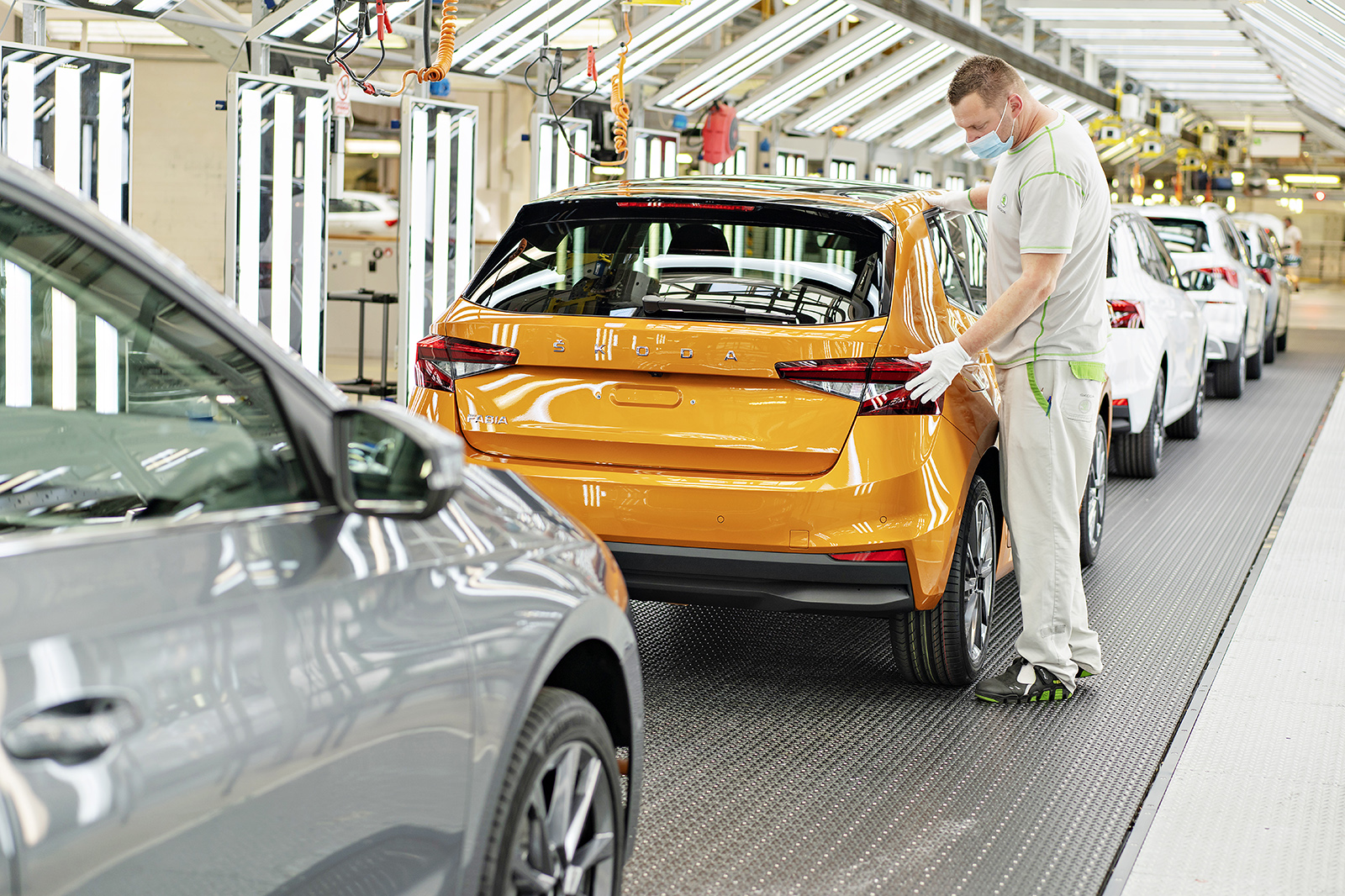
Toyota Japan has announced that it will be readjusting production plans for September and October this year. The manufacturer accredits this to a shortage of certain parts caused by the spread of COVID-19 in Southeast Asia.

Toyota confirms that its global production volume affected by these adjustments will be approximately 70 000 units (40 000 units overseas and 30 000 units in Japan) for September and 330 000 units (180 000 units overseas and 150 000 units in Japan) for October, compared to the production plan as of August.

Regarding the full-year production forecast for the fiscal year which ends on the 31st of March next year, Toyota confirms that it is adjusting the expected volume to nine million units due to the impact of the production cut. This is down from the 9,3 million unit forecast. Although the outlook for November and beyond is unclear, the brand confirms that current demand remains very strong. As a result, the production plan for November and beyond assumes that the previous plan will be maintained.

Key reasons for the production adjustment include a decline in operations at several suppliers local to the Asian plants due to the prolonged spread of COVID-19 and the impact of tighter semiconductor supplies. Toyota says that its plants and suppliers are taking thorough quarantine and vaccination measures in response to the pandemic in Southeast Asia but the spread of COVID-19 infections remains unpredictable which makes it difficult to maintain operations due to lockdowns at various locations. As a result of this, the brand is working to transfer production to other regions.

 
These are the 5 most fuel-efficient diesel vehicles you can buy in SA

• With fuel prices at record highs, South Africans are looking for the most fuel-efficient vehicles to buy.

• Earlier in September Wheels24 listed the most fuel-efficient petrol cars to buy.

• This time we look at the most frugal diesel new cars available in SA.

1. BMW 220d Coupé: 4.0-litres per 100km

2. Nissan Qashqai 1.5dCi Acenta Plus: 4.2-litres per 100km

3. Mahindra KUV100 Nxt 1.2 D75: 4.3-litres per 100km

4. Mercedes-Benz CLA220d: 4.4 litres per 100km

5. Volvo S90 D4: 4.4 litres per 100km


https://www.news24.com/wheels/fuel_...-diesel-vehicles-you-can-buy-in-sa-20210913-4
 
Toyota to cut production by 3% in 2021 due chip shortage

Toyota has cut its annual production target by 300 000 vehicles as rising Covid-19 infections slowed output at parts factories in Vietnam and Malaysia, compounding a global shortage of semiconductor chips.

"It's a combination of the coronavirus and semiconductors, but at the moment it is the coronavirus that is having the overwhelming impact," Kazunari Kumakura, an executive at the world's biggest carmaker, said after the company revised its production target.

Unlike other big global carmakers that were forced earlier to scale back production plans, Toyota had managed to avoid cuts to output because it had stockpiled key components along a supply chain hardened against disruption following north east Japan's devastating earthquake in 2011.

The Japanese carmakers' announcement is a further sign that no part of the global car industry has escaped the affects of a pandemic that has sapped sales and is hobbling their ability to take advantage of the recovery in demand that followed the initial waves of Covid-19.

Car sales in China in August fell by almost a fifth from a year earlier because there were fewer vehicles for people to buy.

 
Mercedes-Benz and BMW to keep high prices after semiconductor crisis

Due to the ongoing semiconductor crisis, manufacturers such as Mercedes-Benz and BMW have had to restrategise their product line-up to meet the increasing customer demand. Despite the pandemic not being over, consumers are finding themselves in a financial condition to start splashing out on these products.

According to a report from Financial Times as reported by Motor1, the semiconductor shortage could be considered as a blessing in disguise by both Mercedes-Benz and BMW. The two premium German brands have come to understand that potential customers are willing to pay more money for newer products and are willing to wait an extended time for delivery.

As a result of this, the two manufacturers could be looking at switching focus to bigger and more expensive cars that target higher profit margins rather than rely on traditional volume-based products in more compact segments. The goal is to sell fewer cars but make more money.

Harald Wilhelm, Chief Financial Officer at Mercedes’ parent company Daimler, admitted that “we will consciously undersupply demand level, and at the same time, we [will] shift gears towards the higher, the luxury end.”

This was echoed by Nicolas Peter who holds a similar role at BMW, who says that the brand has “seen a significant improvement in pricing power in the last 24 months” and the plan is “clearly to maintain… the way we manage supply to maintain our pricing power on today’s level.”

The two manufacturers now understand that consumers are willing to pay more money for luxury products, which is why they will not be reducing prices once the semiconductor supply chain stabilises.

 
BMW and Mercedes want to keep prices inflated even after chip crisis is over - report

In a relatively short space of time the world automotive market has gone from a situation of oversupply and pandemic-related low demand, to a scenario where demand has bounced back but new cars are in short supply thanks to the semiconductor chip shortage.

Although the chip shortage is bad news for the industry as a whole, there has been a silver lining for car companies in that the supply-demand situation means they no longer have to discount cars. In fact, buyers who really want cars seem to be willing to pay more and this is especially true at the premium end of the market.

In fact, it appears that Mercedes-Benz and BMW are keen to keep their prices inflated even after the chip crisis is over, as part of a broader move upmarket for the two German brands.

Mercedes CFO Harald Wilhelm recently told Financial Times that the company planned to “consciously undersupply demand levels” while also shifting gears towards the higher end of the market.

According to the publication BMW’s financial chief said he’s also keen to maintain the way the company manages its supply in order to maintain the current “pricing power” that it has enjoyed in recent times.

 
Mitsubishi to stop developing passenger car platforms by 2026?

Mitsubishi may soon be securing its affiliation with Nissan even more with a new strategy that’ll see it using its ally’s platforms for a series of new models. This adjustment is expected to take place closer to 2026.

According to Nikkei Asia, Mitsubishi aims to shift the research and development investment costs into electric vehicles and other technologies. The business publication says that this is an indicator of how manufacturers are struggling to maintain independent vehicle development due to the ever-increasing costs.

With this move, Mitsubishi would be the first Japanese manufacturer to terminate the development of platforms that is used for passenger cars that are sold in Japan. What it will maintain is development of interiors, exteriors and drive devices.

As of March this year, Mitsubishi offers eight different platforms. The brand is looking to half this by 2026 and expects to develop only two by itself for the Southeast Asian market. The other two would be co-developed with Nissan.

These two Japanese manufacturers are in an existing alliance with Renault with whom 40 per cent of their platforms are being shared. Now, Mitsubishi and Nissan are looking to refocus their relationship and start working more closely with one another.

Over the past two fiscal years, Mitsubishi Motors has suffered losses and has thus made the decision to discontinue unprofitable models such as the Lancer and Pajero.

 
Europe's uninspiring car sales turn ugly amid chip crunch

Motor vehicle sales are deteriorating in Europe, with months of meek recovery giving way to deliveries that no longer even measure up to last year's pandemic-depressed results.

New-car registrations fell 18% in August and 24% in July from year-ago levels, the European Automobile Manufacturers' Association said on Thursday. Sales are now up just 13% for the year, less than half the percentage increase posted at the year's halfway point.

Car production is being suppressed by the global semiconductor shortage that the chief executives of Volkswagen AG, Daimler AG and BMW AG have warned will linger well into next year. And if scarce inventory weren't enough to drive up prices, carmakers also are prioritising their most lucrative models as the number of vehicles they can produce is constrained.

"The chip shortage is causing production losses, and demand that's actually high can't be met," EY said in a note. "Traditional combustion vehicles have been hit the most, while the boom for plug-in hybrids and electric cars continues."

The July and August figures are the worst for the two months since the tail end of the Eurozone economic crisis in 2013. The declines were broad-based, with Europe's biggest car markets - Germany, France, the UK, Italy and Spain - all seeing double-digit drops each month.

 
Stock take: Experts drill into the motor industry's chip issues

Industry figures analyse the shortage of semiconductors, or chips, in the car sector

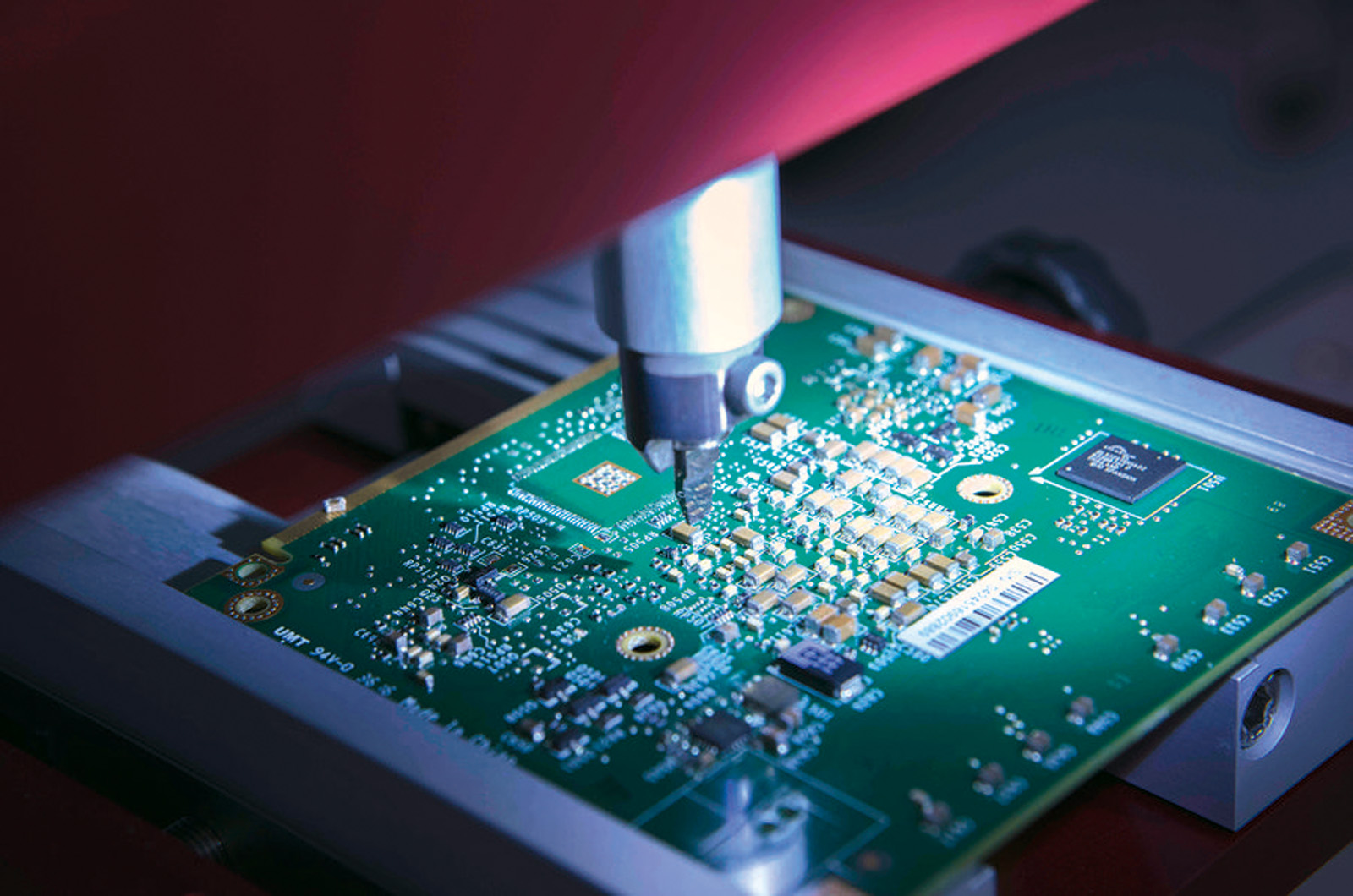
Twelve months ago, most people wouldn’t have heard of semiconductors. But now they dominate the topic of conversation for car makers, with the global shortage affecting factory production at most car firms.

It couldn’t have come at a worse time, just as the car world was trying to bounce back from the effects of the pandemic. Autocar Business Live recently ran a webinar on the topic, with guests Mike Hawes, CEO of the Society of Motor Manufacturers and Traders, and Ian Henry, an industry analyst and owner of AutoAnalysis.

Why are semiconductors so important to car manufacturers?

MH “It’s almost getting to the stage of what doesn’t it do. The obvious thing is what a driver will see, in terms of the infotainment and what’s behind that. But beneath the bonnet and beneath the shell of the vehicle, they are controlling thousands of systems.

“People associate it with the shift in autonomy and connectivity that’s taking place, and it’s also about engine management and emission controls, safety systems and increasingly – as we go towards electrified vehicles – power control technologies become critical. I think the averagecar has 1400-1500 chips and some of them are up to 3000 now. If there’s a shortage, you can see how endemic that is to the vehicle, never mind the industry.”

How did we get to this point?

IH “It began a bit over a year ago when we had all the shutdowns in the industry. Car companies cut their parts ordering across their whole supply chain because they didn’t want a build-up of stock.

“Then when production volumes began to pick up and the car companies went back to their suppliers, they discovered that because everyone was working from home and buying more phones and more laptops, the chip industry had switched capacity utilisation from the auto sector to tech. I think the car industry was caught having taken its eye off the ball.”

MH “Globally, the automotive industry takes about 15% of semiconductor output, whereas personal electronics are something approaching 50%. So you can see if you’re a semiconductor manufacturer, especially in a pandemic, where’s the safest bet in terms of your customer base.

“We hope at some stage that balance is going to shift. You can’t continue to buy TVs and screens and games and new phones while we’re all in lockdown. But, undoubtedly, there’s no easy answer. And I think in the sho

 
Inside the industry: Chip shortage comes as financial support dries up

Losses from pandemic shutdowns could be eclipsed by those caused by semiconductor shortage

That the car industry has deep pockets is not in doubt, whether it can emerge from the current semiconductor crisis unscathed less so – especially in a world considerably less equipped to cushion any pain in the wake of the pandemic.

In many regards, it’s a crisis of its own making: in simple terms, car makers cut orders for the chips when demand for cars was near zero at the start of the crisis and were shocked to find suppliers had found new customers in the gaming and electrical industries when they asked toresume business.

For now, the just-in-time bubble has burst catastrophically, the problems accelerated by earthquakes, floods and fires at various manufacturing locations around the world, and exacerbated again by rising Covid cases in Asia, where most chip manufacturing is centred.

It will fix in time – but will everyone survive? Analyst AlixPartners estimates the global chip crisis will cost the car industry £80 billion in revenue this year. That’s 3.9 million unmade cars globally. In the UK alone, the impact is estimated at around £10bn of lost revenue (around 350,000 lost registrations). Car makers working to often paper-thin margins don’t have much wiggle room.

Worse still, the problem is crystallising at a point when government support is being cut. Just as assistance, from tax breaks to furlough and more, is being withdrawn, so the horrid reality of running factories that cost billions to set up and maintain, with workforces running into the tens of thousands, is coming sharply into focus. Believe it or not, this crisis could cost the industry more than the initial coronavirus freeze.

 
Global car production estimates get biggest cut yet due to chip crisis

A forecaster whose production projections are cited by carmakers, suppliers and research analysts the world over just took its biggest chop yet to estimates that have been falling all year due to the global chip shortage.

IHS Markit slashed its production forecast for this year by 6.2% - or 5.02 million vehicles - and lowered its projection for next year by 9.3%, or 8.45 million cars and trucks. The researcher also trimmed its 2023 estimate by 1.1%, or 1.05 million units.

"This is the largest single adjustment to the outlook in what has been a turbulent past nine months," the research firm said Thursday.

The revisions reflect the challenge the auto industry has had coming to grips with one supply-chain disaster after another. First, the industry cut chip orders too deeply during last year's initial pandemic lockdowns, ceding its spot in line to sectors that saw demand surge when consumers were forced into quarantine. Then came winter storms in Texas, a factory fire in Japan and Covid-19 outbreaks in Southeast Asia.

The latest disruption originated in Malaysia, a hot spot for semiconductor packaging and testing. The government there has implemented rolling lockdown measures that may prevent the industry from returning to full capacity until late October, IHS said.

https://www.iol.co.za/motoring/indu...p-crisis-868a9e3e-0ab1-5f55-8d44-a809bfc77e28
 
Toyota Hilux vs Ford Ranger: Here’s which bakkie sold the most in August ’21

The month of August came to a conclusion three weeks ago but we finally have results for the double-cab bakkie race in South Africa with regards to the Ford Ranger and Toyota Hilux specifically. The information is based on what has been reported by Lightstone Auto.

Including the double-cab, extra-cab and single-cab body configurations, Lightstone confirms that the Toyota Hilux continues to lead the race with a total sales figure of 3 346 units while the Ford Ranger paces behind with a figure of 1 317 units.

The sales driver for the Toyota Hilux once again was the double-cab variant with a figure of 1 732 units sold. This was followed by the single-cab boasting a result of 1 055 units and the extra-cab with 548 units. The Ford Ranger’s most popular bodystyle was the double-cab as well with a reported sales figure of 1 059 units while the single- and extra-cab sold 106 and 152 units respectively.

Year-to-date, the Hilux is well in the lead with a total of 25 989 units reportedly sold. The Ranger challenges this with a result of 14 451 units.

With a combined sales figure of 933 units of August 2021 is Isuzu D-Max which sold 618 double-cabs, 665 single-cabs and 48 extra-cabs. The year-to-date figure for this model is reportedly 10 380 units.

 
NGO sues BMW and Mercedes-Benz for carbon emissions targets

An NGO by the name of Deutsche Umwelthilfe confirmed that it is taking BMW and Daimler to court for refusing to tighten their carbon emissions targets and give up fossil fuel-emitting cars by 2030. Neither of the companies have officially set an end date for ICE car production.

As reported by Reuters, the NGO provided both manufacturers with a set of demands which were to be met on the 20th of September. Included in this list was limiting production of internal combustion cars before 2030.

BMW and Daimler confirmed to Reuters on Monday that they had not accepted the NGO’s demands.

Daimler has already confirmed that it aims to produce purely electric vehicles by 2030 and provide an electric alternative for all models by 2025. BMW also wants at least half of its global sales to be fully electric by 2030 and reduce CO2 emissions per vehicle by 40 per cent in the same timeframe.

Both firms have stated that their targets are in line with the international Paris Agreement that focuses on tackling global warming.

The defendants argue that the companies’ goals aren’t enough to adhere to the German climate ruling and carbon emissions budgets set by the Intergovernmental Panel for Climate Change. The NGO wants both manufacturers to legally commit to ending production of fossil fuel-emitting cars by 2030 and to ensure the CO2 emitted by their activities before those deadlines does not go beyond their fair share.

https://www.carmag.co.za/news/industry-news/ngo-sues-bmw-mercedes-benz-emissions/
 
Mercedes-Benz delivery times extend to a year due to semiconductor crisis

After being forced to delay production for a short time, Mercedes-Benz is reportedly extending its product delivery time to one year. This notable delay is due to the ongoing semiconductor crisis that has been affecting manufacturers on a global scale.

As reported by Reuters, the German manufacturer Chief Executive Ola Kallenius told a German newspaper in an interview on Friday that “Demand is huge at Mercedes-Benz and at the same time there are unfortunately severe limitations,

“For some models the waiting times are longer than we would like, in some cases over a year.”

Kaellenius repeated a previous prediction that the troubles with chip supply plaguing automakers worldwide would continue into 2023, as structural problems as well as pandemic-induced lockdowns in key supplier countries persist.

 
Chip shortage will be solved by next year, Elon Musk believes

Tesla founder Elon Musk believes that the global semiconductor shortage, which is currently hitting car car companies particularly hard, would be overcome soon.

The chip drought is "short term, I think," the billionaire said in an appearance by video at Italian Tech Week in Turin.

"There are a lot of chip fabrication plants that are being built," Musk told the audience of start-ups, investment funds and tech entrepreneurs.

"I think we will have good capacity for providing chips by next year. I certainly hope so, but it appears that way."

A boom in electric vehicle sales and renewed activity following the lifting of coronavirus restrictions in many advanced economies has boosted demand for car parts.

 
BMW remains committed to the internal combustion engine

While the European car industry is showing a strong amount of dedication to the transition of electrified vehicle production, BMW has come out to say that it retains its commitment to the internal combustion engine. It notes the importance of electrification but highlights the concerns with regards to the rapid change-over.

Speaking to Automotive News Europe, Development chief, Frank Weber insists that the ICE at BMW will remain for quite some time.

“For electric mobility, the question is not when the combustion engine is ending. The question is: When is the system ready to absorb all those battery-electric vehicles? It’s about charging infrastructure, renewable energy. Are people ready? Is the system ready? Is the charging infrastructure ready? All of that.

“It has also to do with the fact that I have people working for me on combustion engines and I’m shifting them over time into electric. It makes no sense to make the transition overnight. I have to make sure that this transition works perfectly – for both social reasons and economic reasons. These are real big questions.

“You still need to invest to ensure that internal combustion engines comply with the newest emissions regulations,”

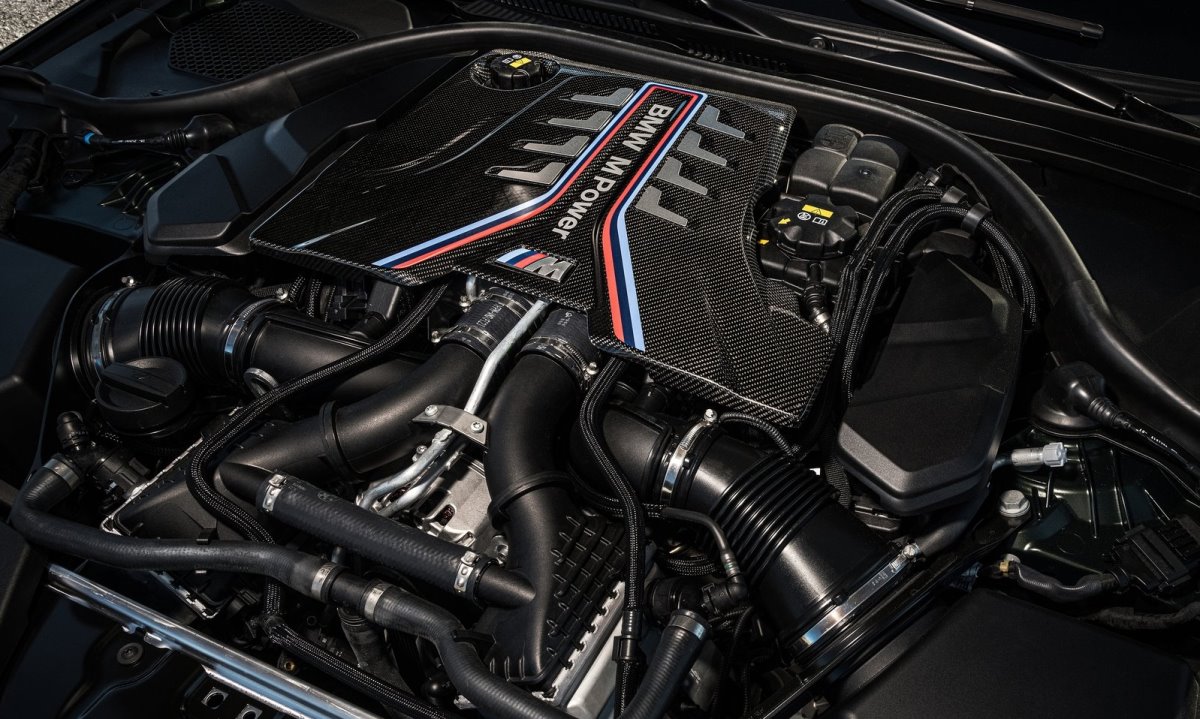
A big topic of discussion for BMW is the longevity of its V12 and V8 powertrains used in flagship models. Weber confirms “Regarding the Eurozone, Euro 7 is currently under discussion, and it is a discussion that is very difficult for us, not because of stringent emission values such as for NOX or CO2. This is not the critical point. We all have an interest that this Euro 7 regulation gets the best out of combustion engines.

 
These are the new cars with the cheapest parts in South Africa today

The Automotive Association has released its inaugural spare parts pricing guide which includes coverage for 63 different vehicles throughout 10 segments. The guide, wholly researched and published for the first time by the AA this year, covers pricing for service, maintenance and body repair parts.

“After careful consideration of the parts needed across these three sub-categories, we identified a number of common parts which consumers may need to consider over the lifetime of their vehicles. Based on this, we collected pricing from dealerships in Gauteng to ensure fairness in the comparisons across each of the different categories of vehicles we selected. In terms of the vehicles themselves, we looked at popular and where possible, similarly priced models in each category,” says the AA.

The lowest potential cost of ownership of the vehicles surveyed in each category is as follows:
  • Entry-level vehicles: Datsun Go – R74 024,80
  • Budget vehicles: Ford Figo 1,5 Titanium – R53 254,55
  • Compact family vehicles: Mazda CX-3 – R131 920,18
  • Family SUVs: Honda CR-V – R171 790,57
  • Executive SUVs: Alfa Romeo Stelvio – R179 210,39
  • Luxury SUVs: Range Rover Sport – R367 410,19
  • Adventure 4×4 vehicles: Ford Everest 2.0 BiT XLT – R117 037,19
  • LCV single-cab vehicles: Isuzu D-MAX – R79 038,56
  • LCV leisure double-cab vehicles: Ford Ranger 2,0SiT XLT – R96 083,00
These numbers are based on the cumulative Rand values of the service, maintenance and body repair parts. The AA notes that the retail price of some vehicles may already include a limited number of services and a selection of service and/or maintenance parts.

Based on servicing parts alone, the list is as follows:
  • Entry-level vehicles: Renault Kwid 1,0 Dynamique – R4 085,84
  • Budget vehicles: Ford Figo 1,5 Titanium – R3 347,78
  • Compact family vehicles: Peugeot 1,2 Active – R6 011,94
  • Family SUVs: Toyota RAV4 – R6 183,32
  • Executive SUVs: Alfa Romeo Stelvio – R9 538,53
  • Luxury SUVs: Lexus RX – R10 504,97
  • Adventure 4×4 vehicles: Isuzu MU-X – R7 444,50
  • LCV single-cab vehicles: Ford Ranger 2,2TDCi – R5 747,30
  • LCV leisure double-cab vehicles: Ford Ranger 2,0SiT XLT – R5 134,09
  • Electric cars: BMW i3 – R11 806,33
 
Volkswagen Wolfsburg production cut extends due to semiconductor crisis

Volkswagen will be extending it production cut at the Wolfsburg plant until the middle of October due to the semiconductor crisis. Key models assembled at this plant include the Golf and Tiguan.

According to Automotive News Europe, the semiconductor shortage is forcing the plant to cut its working hours which will affect the first two weeks of this month. Only one assembly line will run at the plant from the beginning of next month.

Manufacturers across the globe have been forced to cut or adjust production due to the shortage, which Volkswagen has said cost it a high six-digit number in lost vehicle production in the first half of the year. VW has been forced to stop or reduce output at Wolfsburg several times this year because of a shortage of chips.

Manufacturers such as Mercedes-Benz and Toyota have also been forced to reduce production due to this crisis which began due to shipping complications created by the COVID-19 pandemic.

 
Car parts prices: these are the best and worst models in each segment

If your warranty and service plan have expired, car parts prices can hit you hard when your trusty steed needs repairs or a scheduled service. And when it comes to pricing strategies for genuine parts, not all car companies play by the same rules.

Motoring journalist Malcolm Kinsey, who sadly passed away earlier this year, kept motorists informed about parts prices through his annual Kinsey Report but, in his absence, the Automobile Association (AA) has taken on the task of compiling a pricing report.

The AA Spare Parts Pricing Guide, released this week, ranks parts pricing in 11 different vehicle categories, from entry-level, right through to family SUVs, double cabs, and even electric cars. A total of 63 vehicles are included in the guide, which covers regular service parts as well as body repair parts.

 
SA’s Cheapest Cars to Repair based on Parts Pricing

The Automobile Association of SA has compiled its Spare Parts Pricing Guide. With comprehensive costings over 11 vehicle categories, this in-depth guide gives you a great idea of the cost of ownership.

The AA has put in some serious yards compiling this guide. It covers parts pricing for service parts, maintenance parts as well as body repair parts. These figures are important as it gives you an idea of the cost of ownership. Many consumers incorrectly assume that the price of the car is all you’ll pay, forgetting the servicing aspect.

Of course, the cost of ownership of an entry-level vehicle will be radically different from that of a high-end luxury SUV, so the AA has broken things down into categories.

“After careful consideration of the parts needed across these three sub-categories, we identified a number of common parts which consumers may need to consider over the lifetime of their vehicles. Based on this, we collected pricing from dealerships in Gauteng to ensure fairness in the comparisons across each of the different categories of vehicles we selected. In terms of the vehicles themselves, we looked at popular and where possible, similarly priced models in each category,” says the AA.

SA’s cheapest cars based on Lowest Rand value of total parts basket per category

As a yardstick, the lowest potential cost of ownership of the vehicles surveyed in each category is listed below. This is based on the cumulative Rand values of the service parts, the maintenance parts, and the body repair parts. It must be noted that the retail price of some vehicles may already include a limited number of services and a selection of service and/or maintenance parts. These are SA’s cheapest cars based on the lowest Rand value of total parts basket per category:
  • Entry-Level vehicles: Datsun Go – R74 024.80
  • Budget vehicles: Ford Figo 1.5 Titanium – R53 254.55
  • Compact Family vehicles: Mazda CX3 – R131 920.18
  • Family SUVs: Honda CR-V – R171 790.57
  • Executive SUVs: Alfa Romeo Stelvio – R179 210.39
  • Luxury SUVs: Range Rover Sport – R367 410.19
  • Adventure 4×4 vehicles: Ford Everest 2.0 BiT XLT – R117 037.19
  • LCV Single Cab vehicles: Isuzu D-MAX – R79 038.56
  • LCV Leisure Double Cab vehicles: Ford Ranger 2.0SiT XLT – R96 083.00
 
Top
Sign up to the MyBroadband newsletter
X