


-
- News
-
Categories
- 5G
- ADSL
- AI
- Banking
- Black Friday
- Broadband
- Broadcasting
- Business
- Business Telecoms
- Cellular
- Cloud and Hosting
- Columns
- Cryptocurrency
- Energy
- Enterprise
- Fibre
- Gadgets
- Gaming
- Government
- Hardware
- Industry News
- Internet
- Internet of Things
- Investing
- IT Services
- Motoring
- Reviews
- Science
- Security
- Smartphones
- Software
- Technology
- Telecoms
- Trending
- Wireless
- Press Office
- Forum
- Industry News
- What's Next
- Company hub
- Speed Test
- About us
- Advertise with us
- Contact
- Careers
-
Join the MyBroadband community
South Africa’s biggest forum. Discuss, discover, and connect with thousands of members.
-
Question of the Day: How much would you be willing to pay for a next-generation gaming console?
- Forums
- General discussions
- Motoring and Transportation: Cars, Bikes and Plane
- General Motoring News and Reviews
You are using an out of date browser. It may not display this or other websites correctly.
You should upgrade or use an alternative browser.
You should upgrade or use an alternative browser.
The SA Vehicle Industry Thread
- Thread starter FiestaST
- Start date

FiestaST
Honorary Master
How Ford SA has improved quality control at its Gauteng plant
We’ve all been there. Around the braai fire, and the discussion turns to cars and how person A,B and C won’t ever touch another product from manufacturer A, B and C.
Whether it’s something that’s a minor irritation or a massive failure, almost everyone has a story to tell.
Gone are the days that it can be written off as a “Monday” car because all manufacturers are fighting for your hard-earned cash and can’t afford to be the troublesome one.
With that in mind, we got a rare glimpse into how Ford South Africa manages the quality assessment of vehicles it sells locally.
To say it’s a data analyst's dream is an understatement because there’s data and then there is quality assessment data that engineers drill down to the minutest detail.
To give you an idea how much the quality control has improved at Ford, manufacturers refer to it as repairs per 1000, so, before the Silverton plant started producing the current Ranger, Everest and Raptor 10 years ago, 400 units per 1 000 was the average. Currently it stands at 84 per 1000, a really significant improvement.
Taking their queue from the plant in Thailand, Ford’s quality control director Kevin Heunis says that once 200 000 new Rangers a year start rolling out of the local plant next year the aim is to bring the number down to eight per 1 000 by the end of 2022.
Heunis says that with the improvements to the plant and the Special Economic Zone adjacent to it built as part of a R15 billion investment, that number is reachable.
“We are going to build our own chassis on site and have also built our own stamping plant, having taken our suppliers along with us. That way we have full control and any quality issues can be addressed immediately.
“And, with Just In Time Parts, we can source immediately from the supply chain with minimal delay.”
But it’s not just vehicles that have recently left the plant that Ford focuses on. Heunis says they are continuing to apply best practice to ensure that all Ford owners have peace of mind when it comes to ownership and quality control.
Every time a vehicle goes to a dealer for something to be repaired or replaced under warranty, they log it and track it. If a trend starts to form, it gets further attention from the engineers who then start to fault-find.

 www.iol.co.za
We’ve all been there. Around the braai fire, and the discussion turns to cars and how person A,B and C won’t ever touch another product from manufacturer A, B and C.
Whether it’s something that’s a minor irritation or a massive failure, almost everyone has a story to tell.
Gone are the days that it can be written off as a “Monday” car because all manufacturers are fighting for your hard-earned cash and can’t afford to be the troublesome one.
With that in mind, we got a rare glimpse into how Ford South Africa manages the quality assessment of vehicles it sells locally.
To say it’s a data analyst's dream is an understatement because there’s data and then there is quality assessment data that engineers drill down to the minutest detail.
To give you an idea how much the quality control has improved at Ford, manufacturers refer to it as repairs per 1000, so, before the Silverton plant started producing the current Ranger, Everest and Raptor 10 years ago, 400 units per 1 000 was the average. Currently it stands at 84 per 1000, a really significant improvement.
Taking their queue from the plant in Thailand, Ford’s quality control director Kevin Heunis says that once 200 000 new Rangers a year start rolling out of the local plant next year the aim is to bring the number down to eight per 1 000 by the end of 2022.
Heunis says that with the improvements to the plant and the Special Economic Zone adjacent to it built as part of a R15 billion investment, that number is reachable.
“We are going to build our own chassis on site and have also built our own stamping plant, having taken our suppliers along with us. That way we have full control and any quality issues can be addressed immediately.
“And, with Just In Time Parts, we can source immediately from the supply chain with minimal delay.”
But it’s not just vehicles that have recently left the plant that Ford focuses on. Heunis says they are continuing to apply best practice to ensure that all Ford owners have peace of mind when it comes to ownership and quality control.
Every time a vehicle goes to a dealer for something to be repaired or replaced under warranty, they log it and track it. If a trend starts to form, it gets further attention from the engineers who then start to fault-find.
How Ford SA has improved quality control at its Gauteng plant
We got a rare glimpse into how Ford South Africa manages the quality assessment of vehicles it sells locally.
FiestaST
Honorary Master
Audi production halt extended due to semiconductor shortage
Audi has made the decision to extend its production stops due to the ongoing semiconductor shortage. Most of the assembly lines at its Ingolstadt and Neckarsulm factories have been at a standstill this week.
According to Automotive News Europe, the decreased work plan was originally scheduled to end last Friday. This has been extended now been extended.
In Ingolstadt, the assembly line for the Audi Q2 crossover and A3 compact car will be at a complete standstill next week. This same line was stagnant last week as well.
The other two lines that focus on the Audi A3, A4 and A5 are running on at least some days, but only in one shift each. This consists of one Monday to Thursday on the early shift and another Tuesday to Thursday on the night shift.
At the Neckarsulm plant, production of the A4 and A5 will be paused while the A6, A7 and A8 models will be produced from Monday to Thursday. The A6 and A7 will only be produced in one shift each.

 www.carmag.co.za
Audi has made the decision to extend its production stops due to the ongoing semiconductor shortage. Most of the assembly lines at its Ingolstadt and Neckarsulm factories have been at a standstill this week.
According to Automotive News Europe, the decreased work plan was originally scheduled to end last Friday. This has been extended now been extended.
In Ingolstadt, the assembly line for the Audi Q2 crossover and A3 compact car will be at a complete standstill next week. This same line was stagnant last week as well.
The other two lines that focus on the Audi A3, A4 and A5 are running on at least some days, but only in one shift each. This consists of one Monday to Thursday on the early shift and another Tuesday to Thursday on the night shift.
At the Neckarsulm plant, production of the A4 and A5 will be paused while the A6, A7 and A8 models will be produced from Monday to Thursday. The A6 and A7 will only be produced in one shift each.
Audi production halt extended due to semiconductor shortage
Audi has made the decision to extend its production stops due to the ongoing semiconductor shortage. Most of the assembly lines at its Ingolstadt and Neckarsulm factories have been at a standstill this week.
www.carmag.co.za
FiestaST
Honorary Master
Forget the semiconductor, magnesium could be the car industry’s next big hurdle
By now you would have heard a lot about the semiconductor chip shortage and how it is currently crippling car production around the world, sending some factories into temporary closure and creating a general shortage of new cars.
But things could get even worse by the end of this year, according to industry analysts, thanks to a looming shortage of magnesium.
According to Mining.com, global carmakers are facing another potential crisis as a result of this shortage, which is being indirectly caused by China’s electricity crisis. China currently supplies around 85% of the world’s magnesium, and the power woes have reportedly forced authorities to shut down 35 of the country’s 50 magnesium smelters until the end of 2021.
Germany’s association of metal producers said this week that Europe’s magnesium stockpiles could be depleted by the end of November.
But why is magnesium so important to car production?
According to Jalopnik, magnesium is used in the production of many aluminium alloys, which are found in body panels, unibody structures, engine blocks, fuel tanks, axles and other crucial components. The particularly worrying part of all this is that there is no way to produce aluminium sheets without magnesium.
“Thirty-five percent of downstream demand for magnesium is automotive sheet - so if magnesium supply stops, the entire auto industry will potentially be forced to stop,” a Barclays analyst told the Financial Times recently.

 www.iol.co.za
By now you would have heard a lot about the semiconductor chip shortage and how it is currently crippling car production around the world, sending some factories into temporary closure and creating a general shortage of new cars.
But things could get even worse by the end of this year, according to industry analysts, thanks to a looming shortage of magnesium.
According to Mining.com, global carmakers are facing another potential crisis as a result of this shortage, which is being indirectly caused by China’s electricity crisis. China currently supplies around 85% of the world’s magnesium, and the power woes have reportedly forced authorities to shut down 35 of the country’s 50 magnesium smelters until the end of 2021.
Germany’s association of metal producers said this week that Europe’s magnesium stockpiles could be depleted by the end of November.
But why is magnesium so important to car production?
According to Jalopnik, magnesium is used in the production of many aluminium alloys, which are found in body panels, unibody structures, engine blocks, fuel tanks, axles and other crucial components. The particularly worrying part of all this is that there is no way to produce aluminium sheets without magnesium.
“Thirty-five percent of downstream demand for magnesium is automotive sheet - so if magnesium supply stops, the entire auto industry will potentially be forced to stop,” a Barclays analyst told the Financial Times recently.
Forget the semiconductor, magnesium could be the car industry’s next big hurdle
The car production crisis could get even worse by the end of this year thanks to a looming magnesium shortage, industry analysts say.
FiestaST
Honorary Master
Most Powerful New Cars in SA for Under R1-Million
So, you’re a petrolhead and you have R1-million to spend on the most powerful new cars on the market in South Africa, what are your options?
It’s no secret that new car prices are over the hill, but if you’re looking for the most powerful new cars for under R1-million in South Africa, then this list is for you!
Of course, for that money, you would be wise to scour the used car market where you are likely to find considerable more bang-for-buck!
Nonetheless, here are the 5 most powerful new cars you can buy right now for under R1-million in South Africa!
The cars on this list are ordered from the most powerful to the least powerful and prices are accurate as of October 2021.
Most Powerful New Cars For Under R1-Million in South Africa
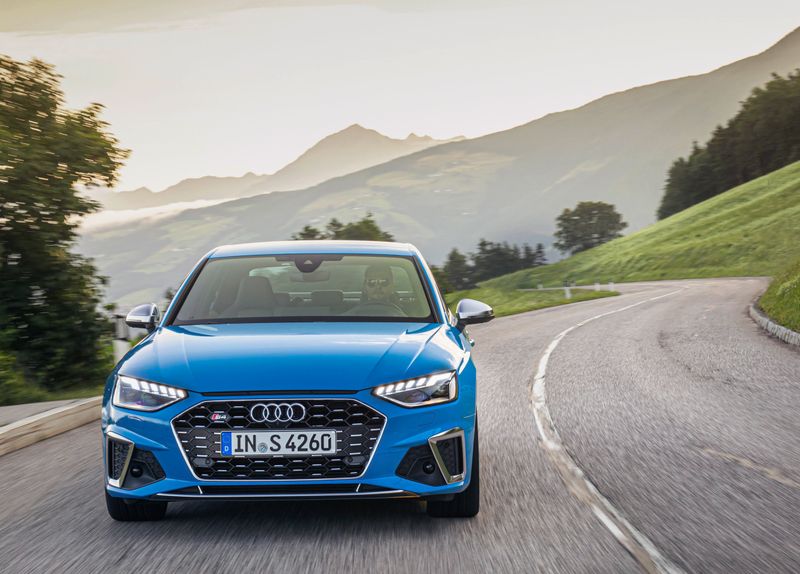
1. Audi S4 TFSI quattro – From R988 500
2. BMW M240i Coupe / Convertible – From R879 584 (Coupe) and R987 512 (Convertible)
3. Nissan 370Z – From R799 900
4. Audi TTS Coupe quattro – From R846 000
5. Honda Civic Type R -From R813 100
 www.cars.co.za
So, you’re a petrolhead and you have R1-million to spend on the most powerful new cars on the market in South Africa, what are your options?
It’s no secret that new car prices are over the hill, but if you’re looking for the most powerful new cars for under R1-million in South Africa, then this list is for you!
Of course, for that money, you would be wise to scour the used car market where you are likely to find considerable more bang-for-buck!
Nonetheless, here are the 5 most powerful new cars you can buy right now for under R1-million in South Africa!
The cars on this list are ordered from the most powerful to the least powerful and prices are accurate as of October 2021.
Most Powerful New Cars For Under R1-Million in South Africa
1. Audi S4 TFSI quattro – From R988 500
2. BMW M240i Coupe / Convertible – From R879 584 (Coupe) and R987 512 (Convertible)
3. Nissan 370Z – From R799 900
4. Audi TTS Coupe quattro – From R846 000
5. Honda Civic Type R -From R813 100
Most Powerful New Cars in SA for Under R1-Million
So, you’re a petrolhead and you have R1-million to spend on the most powerful new cars on the market in South Africa, what are your options?
FiestaST
Honorary Master
Toyota Hilux v Ford Ranger – Which bakkie sold the most in September ’21
The month of September may have ended a few weeks ago but we finally have results for the double-cab bakkie race in South Africa with regards to the Ford Ranger and Toyota Hilux specifically. The information is based on what has been reported by Lightstone Auto.
Including the double-cab, extra-cab and single-cab body configurations, Lightstone confirms that the Toyota Hilux maintains its lead of the race with a total sales figure of 2 642 units while the Ford Ranger lags behind with a figure of 1 169 units.
The sales driver for the Toyota Hilux remained the double-cab variant with a figure of 1 284 units sold. This was followed by the single-cab boasting a result of 918 units and the extra-cab with 440 units. The Ford Ranger’s most popular bodystyle was the double-cab as well with a reported sales figure of 1 013 units while the single- and extra-cab sold 90 and 66 units respectively.
Year-to-date, the Hilux is well in the lead with a total of 28 631 units reportedly sold. The Ranger challenges this with a result of 15 620 units.
www.carmag.co.za
The month of September may have ended a few weeks ago but we finally have results for the double-cab bakkie race in South Africa with regards to the Ford Ranger and Toyota Hilux specifically. The information is based on what has been reported by Lightstone Auto.
Including the double-cab, extra-cab and single-cab body configurations, Lightstone confirms that the Toyota Hilux maintains its lead of the race with a total sales figure of 2 642 units while the Ford Ranger lags behind with a figure of 1 169 units.
The sales driver for the Toyota Hilux remained the double-cab variant with a figure of 1 284 units sold. This was followed by the single-cab boasting a result of 918 units and the extra-cab with 440 units. The Ford Ranger’s most popular bodystyle was the double-cab as well with a reported sales figure of 1 013 units while the single- and extra-cab sold 90 and 66 units respectively.
Year-to-date, the Hilux is well in the lead with a total of 28 631 units reportedly sold. The Ranger challenges this with a result of 15 620 units.
Toyota Hilux v Ford Ranger - Which bakkie sold the most in September '21
The month of September may have ended a few weeks ago but we finally have results for the double-cab bakkie race in South Africa with regards to the Ford Ranger and Toyota Hilux specifically. The information is based on what has been reported by Lightstone Auto.
www.carmag.co.za
FiestaST
Honorary Master
Production at Volkswagen's Wolfsburg plant has dropped to 1958 levels - report
Volkswagen has produced just 300 000 cars at its main Wolfsburg plant so far this year, a company source with knowledge of the matter said, the lowest figure since 1958 and far behind its average output before the pandemic.
The plant, which makes cars from the Golf, Tiguan, and Seat brands among others, produced an average of 780 000 vehicles per year in the past decade and the company said in 2018 it aimed to boost this figure to a million.
But supply chain problems meant just under 500 000 vehicles made it off the assembly line in 2020. This year's output, first reported by Die Zeit weekly, is set to be even lower as the chip crisis sets in.
Volkswagen has previously said it would have a production shortfall in the high hundreds of thousands due to a lack of semiconductors, a problem plaguing carmakers worldwide which the company expects to last well into 2022.
A spokesperson said last week that discussions were underway to address the competitiveness of the Wolfsburg plant, which does not yet produce fully electric vehicles, particularly in the face of growing competition from new entrants such as Tesla.

 www.iol.co.za
Volkswagen has produced just 300 000 cars at its main Wolfsburg plant so far this year, a company source with knowledge of the matter said, the lowest figure since 1958 and far behind its average output before the pandemic.
The plant, which makes cars from the Golf, Tiguan, and Seat brands among others, produced an average of 780 000 vehicles per year in the past decade and the company said in 2018 it aimed to boost this figure to a million.
But supply chain problems meant just under 500 000 vehicles made it off the assembly line in 2020. This year's output, first reported by Die Zeit weekly, is set to be even lower as the chip crisis sets in.
Volkswagen has previously said it would have a production shortfall in the high hundreds of thousands due to a lack of semiconductors, a problem plaguing carmakers worldwide which the company expects to last well into 2022.
A spokesperson said last week that discussions were underway to address the competitiveness of the Wolfsburg plant, which does not yet produce fully electric vehicles, particularly in the face of growing competition from new entrants such as Tesla.
Production at Volkswagen's Wolfsburg plant has dropped to 1958 levels - report
Volkswagen has produced just 300 000 cars at its main Wolfsburg plant so far this year, a source says, the lowest figure since 1958.
FiestaST
Honorary Master
Renault to cut output by 500 000 cars this year due to chip shortage
Renault announced on Friday that it would cut output by 500 000 cars this year, more than double its previous forecast due to a crippling global semiconductor shortage, but the company maintained its profit outlook, helped by higher car prices and cost cuts.
During a presentation to analysts, Renault Chief Financial Officer Clotlide Delbos said the carmaker's visibility on the chip shortage in the fourth quarter was "still very poor because the information coming from suppliers is very unreliable."
Delbos said the chip shortage should ease a little by the end of the year with the end of a Covid-19 lockdown in Malaysia,central to global chip supplies, but said it would remain constrained throughout much of 2022.
When asked about other raw materials, she said Renault was not seeing shortages but was facing price increases.
The shortage of chips, used in everything from brake sensors to power steering to entertainment systems, has led carmakers around the world to cut or suspend production, pushing up vehicle prices.

 www.iol.co.za
Renault announced on Friday that it would cut output by 500 000 cars this year, more than double its previous forecast due to a crippling global semiconductor shortage, but the company maintained its profit outlook, helped by higher car prices and cost cuts.
During a presentation to analysts, Renault Chief Financial Officer Clotlide Delbos said the carmaker's visibility on the chip shortage in the fourth quarter was "still very poor because the information coming from suppliers is very unreliable."
Delbos said the chip shortage should ease a little by the end of the year with the end of a Covid-19 lockdown in Malaysia,central to global chip supplies, but said it would remain constrained throughout much of 2022.
When asked about other raw materials, she said Renault was not seeing shortages but was facing price increases.
The shortage of chips, used in everything from brake sensors to power steering to entertainment systems, has led carmakers around the world to cut or suspend production, pushing up vehicle prices.
Renault to cut output by 500 000 cars this year due to chip shortage
Renault is set to cut its output by 500 000 cars this year, more than double its previous forecast.
FiestaST
Honorary Master
Just how long will you have to wait for a new car?
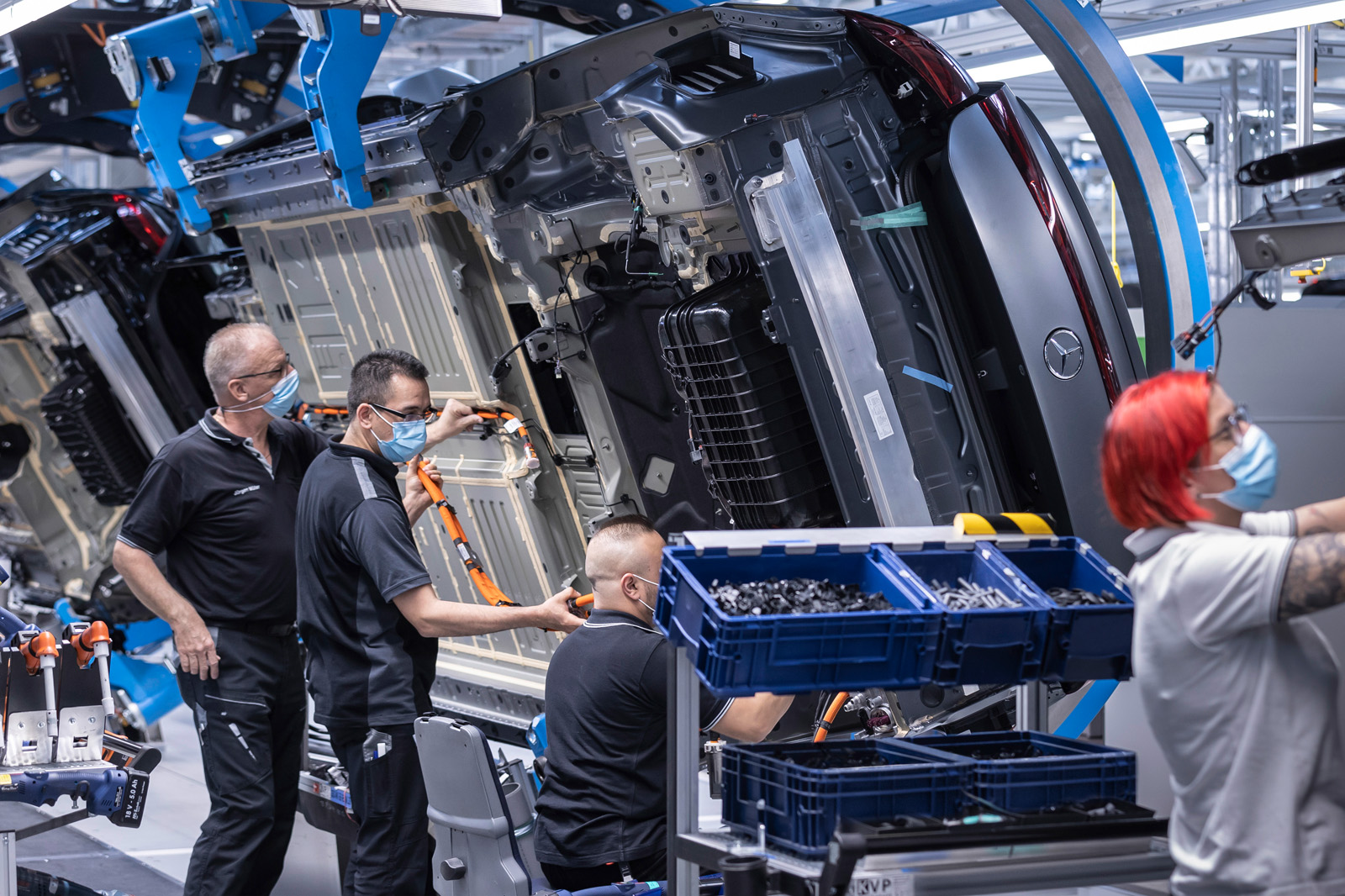
With dealers carrying only minimal stock, customers are having to wait up to a year for delivery of a new build
If you want a new Audi A3, you will be waiting until 2022 – and right now, dealers can’t say exactly when in the year. At least their opposites at Jaguar know precisely how long you will have to wait for a new I-Pace: 12 months.
New car delivery times are a familiar issue at the moment, with their roots in the Covid-19 pandemic; a global semiconductor shortage as manufacturers divert supplies to consumer electronics; a winter storm in Texas; runaway consumer demand; reductions in passenger flights (they carry a lot of cargo); and container ship challenges (the Ever Given that blocked the Suez Canal in March seriously disrupted schedules).
We’re talking about delivery times again because occasionally a reader contacts us in a stew about them, reminding us once again that big economic stories have a human dimension.
 www.autocar.co.uk
With dealers carrying only minimal stock, customers are having to wait up to a year for delivery of a new build
If you want a new Audi A3, you will be waiting until 2022 – and right now, dealers can’t say exactly when in the year. At least their opposites at Jaguar know precisely how long you will have to wait for a new I-Pace: 12 months.
New car delivery times are a familiar issue at the moment, with their roots in the Covid-19 pandemic; a global semiconductor shortage as manufacturers divert supplies to consumer electronics; a winter storm in Texas; runaway consumer demand; reductions in passenger flights (they carry a lot of cargo); and container ship challenges (the Ever Given that blocked the Suez Canal in March seriously disrupted schedules).
We’re talking about delivery times again because occasionally a reader contacts us in a stew about them, reminding us once again that big economic stories have a human dimension.
Just how long will you have to wait for a new car? | Autocar
With dealers carrying only minimal stock, customers are having to wait up to a year for delivery of a new build
www.autocar.co.uk
FiestaST
Honorary Master
Inside the industry: How much longer will the chip crisis last?
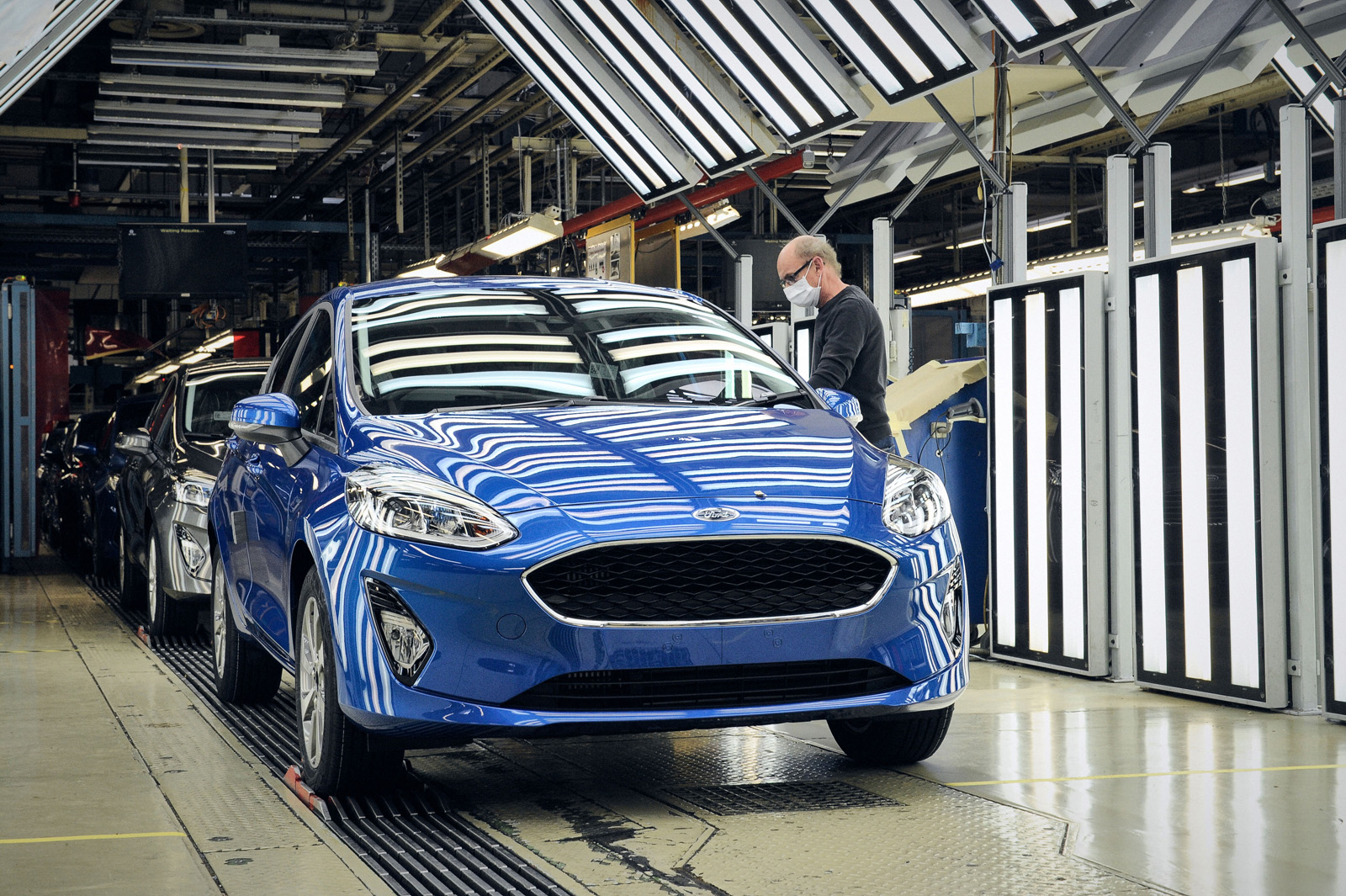
Semiconductor shortages have hit car manufacturing even worse than the pandemic has - will it get better soon?
When will it end? In regards to the shortage of semiconductors, that’s the multi-billion-dollar question that nobody seems able – or inclined – to pinpoint an answer for.
Car companies have long been championed for their logistics expertise so it seems improbable they haven’t modelled their way out of this one. But if they know, they aren’t saying, at least with any specificity, hamstrung by uncertainties in turbulent times. For an outsider, it’s extremely hard to determine anything beyond generalisms.
It’s made more complicated because each car maker has a range of different scenarios, dictated by their supplier arrangements, production capacity and more, and all hanging on factors outside of their control, both in terms of chip supply easing as a result of falling demand in other industries or contracting, be it the result of floods, fire, earthquakes or coronavirus flare-ups.
To that end, analyst LMC Auto has modelled out the inventory held by each manufacturer. It’s an inexact science but it reckons 2021’s build deficit stands at 1.2 million cars in western Europe, eclipsing the shortfall of 1.0m in the March-to-May period during which Covid first ravaged the region. In the crudest of terms, the chip crisis has now cost more in manufacturing numbers than the pandemic.
For customers – many anxiously tied into lease deals that in normal times would be easy to seamlessly replace, but that need orders logging now to get a place in queues up to 12 months long – these are doubly troubling times. Dealers, sometimes as much in the dark as customers, are caught in the middle, trying to manage expectations while working to the ebb and flow of manufacturer capacity.
 www.autocar.co.uk
Semiconductor shortages have hit car manufacturing even worse than the pandemic has - will it get better soon?
When will it end? In regards to the shortage of semiconductors, that’s the multi-billion-dollar question that nobody seems able – or inclined – to pinpoint an answer for.
Car companies have long been championed for their logistics expertise so it seems improbable they haven’t modelled their way out of this one. But if they know, they aren’t saying, at least with any specificity, hamstrung by uncertainties in turbulent times. For an outsider, it’s extremely hard to determine anything beyond generalisms.
It’s made more complicated because each car maker has a range of different scenarios, dictated by their supplier arrangements, production capacity and more, and all hanging on factors outside of their control, both in terms of chip supply easing as a result of falling demand in other industries or contracting, be it the result of floods, fire, earthquakes or coronavirus flare-ups.
To that end, analyst LMC Auto has modelled out the inventory held by each manufacturer. It’s an inexact science but it reckons 2021’s build deficit stands at 1.2 million cars in western Europe, eclipsing the shortfall of 1.0m in the March-to-May period during which Covid first ravaged the region. In the crudest of terms, the chip crisis has now cost more in manufacturing numbers than the pandemic.
For customers – many anxiously tied into lease deals that in normal times would be easy to seamlessly replace, but that need orders logging now to get a place in queues up to 12 months long – these are doubly troubling times. Dealers, sometimes as much in the dark as customers, are caught in the middle, trying to manage expectations while working to the ebb and flow of manufacturer capacity.
Inside the industry: How much longer will the chip crisis last? | Autocar
Semiconductor shortages have hit car manufacturing even worse than the pandemic has - will it get better soon?
www.autocar.co.uk
FiestaST
Honorary Master
Semiconductor shortage to extend well into 2022, US carmakers predict
General Motors and Ford reported lower profits on Wednesday as a global semiconductor crunch dented sales, prompting both US auto giants to caution that shortages would persist into 2022.
GM suffered significant sales declines across its markets including the United States and China, the result of depleted inventories due to the chip shortage that obliged plants to suspend manufacturing.
"The quarter was challenging due to continuing semiconductor pressures," GM chief Mary Barra said in a letter to shareholders.
Ford also reported lower profits, but revenues fell more modestly and the company pointed to a "significant" improvement in semiconductor availability in the latest quarter
Chip availability "markedly improved" from the prior quarter, even as supply "remains a challenge," Ford said in their earnings release.
 www.iol.co.za
General Motors and Ford reported lower profits on Wednesday as a global semiconductor crunch dented sales, prompting both US auto giants to caution that shortages would persist into 2022.
GM suffered significant sales declines across its markets including the United States and China, the result of depleted inventories due to the chip shortage that obliged plants to suspend manufacturing.
"The quarter was challenging due to continuing semiconductor pressures," GM chief Mary Barra said in a letter to shareholders.
Ford also reported lower profits, but revenues fell more modestly and the company pointed to a "significant" improvement in semiconductor availability in the latest quarter
Chip availability "markedly improved" from the prior quarter, even as supply "remains a challenge," Ford said in their earnings release.
Semiconductor shortage to extend well into 2022, US carmakers predict
Carmakers warn the semiconductor chip shortage could last well into 2022, but the situation is expected to improve in the second half.
FiestaST
Honorary Master
Paywall:
OPINION | There's real value for money in demo models: The good and bad about buying one
 www.news24.com
OPINION | There's real value for money in demo models: The good and bad about buying one
OPINION | There's real value for money in demo models: The good and bad about buying one | Life
Although demo vehicles usually have low mileage and sell for considerably less than brand new ones, some of them aren’t necessarily worth the money.
www.news24.com
FiestaST
Honorary Master
South Africa’s Used Car Market: Bakkies Driving Price Increases
Data reveals pricing trends in the used car market in South Africa. Take a look…
The latest data released by automotive portal Cars.co.za and car pricing experts getWorth reveals which brands and vehicles are driving prices upward in the South African used car market.
In the four years leading up to the first COVID19-related Lockdown, all used car price categories (limited to cars 2010 and newer, with list prices below R800 000) had displayed steadily and gently falling prices. Since the first Lockdown, however, and particularly since around August 2020, the normal downward trend has reversed and prices have risen in all value bands, though not by the same margin across the board.
“More recently, prices have started to stabilise, particularly in the very important R200 000 and R300 000 bracket,” says Colin Morgan, Chief Financial Officer of getWorth. “There remains, however, some upwards momentum in the R400 000 to R600 000 price bands, while the top end has dropped in recent months. Interestingly, cars priced below R100 000 have not risen to the same extent, but this segment does tend to fluctuate more.”
And which brands are still seeing price growth? “Bakkies are really important within the price-growth context,” says Cars.co.za’s Consumer Experience Manager, Hannes Oosthuizen. The Toyota Hilux, Ford Ranger and Isuzu D-Max/KB are consistently achieving Top 10 positions based on vehicle requests (leads) on Cars.co.za, and the demand for these vehicles is fuelling further growth. “The most recent data shows that prices for Toyota and Isuzu, in particular, have continued to rise, but that Ford is starting to stabilise.”
“Indeed, Single-Cab and Double-Cab bakkies have both shown strong price growth since the first Lockdown, but while Single-Cabs are still edging upwards, Double-Cabs have started to flatten off,” says Morgan.
Brands like Kia, Renault and Hyundai are edging closer to pre-Lockdown levels, while Volkswagen, Mercedes-Benz and Nissan are showing stronger growth relative to 2019.
Reflecting the general trend away from sedan vehicles, this body type has shown the lowest increases and actually still sits below 2019 levels. The vehicle type that most sedan buyers are shifting towards ⎼ SUVs ⎼ are showing slight promise of growth.
The Top 10 most-requested cars on Cars.co.za during October 2021

Data reveals pricing trends in the used car market in South Africa. Take a look…
The latest data released by automotive portal Cars.co.za and car pricing experts getWorth reveals which brands and vehicles are driving prices upward in the South African used car market.
In the four years leading up to the first COVID19-related Lockdown, all used car price categories (limited to cars 2010 and newer, with list prices below R800 000) had displayed steadily and gently falling prices. Since the first Lockdown, however, and particularly since around August 2020, the normal downward trend has reversed and prices have risen in all value bands, though not by the same margin across the board.
“More recently, prices have started to stabilise, particularly in the very important R200 000 and R300 000 bracket,” says Colin Morgan, Chief Financial Officer of getWorth. “There remains, however, some upwards momentum in the R400 000 to R600 000 price bands, while the top end has dropped in recent months. Interestingly, cars priced below R100 000 have not risen to the same extent, but this segment does tend to fluctuate more.”
And which brands are still seeing price growth? “Bakkies are really important within the price-growth context,” says Cars.co.za’s Consumer Experience Manager, Hannes Oosthuizen. The Toyota Hilux, Ford Ranger and Isuzu D-Max/KB are consistently achieving Top 10 positions based on vehicle requests (leads) on Cars.co.za, and the demand for these vehicles is fuelling further growth. “The most recent data shows that prices for Toyota and Isuzu, in particular, have continued to rise, but that Ford is starting to stabilise.”
“Indeed, Single-Cab and Double-Cab bakkies have both shown strong price growth since the first Lockdown, but while Single-Cabs are still edging upwards, Double-Cabs have started to flatten off,” says Morgan.
Brands like Kia, Renault and Hyundai are edging closer to pre-Lockdown levels, while Volkswagen, Mercedes-Benz and Nissan are showing stronger growth relative to 2019.
Reflecting the general trend away from sedan vehicles, this body type has shown the lowest increases and actually still sits below 2019 levels. The vehicle type that most sedan buyers are shifting towards ⎼ SUVs ⎼ are showing slight promise of growth.
The Top 10 most-requested cars on Cars.co.za during October 2021
- Volkswagen Polo
- Toyota Hilux
- Ford Ranger
- BMW 3 Series
- Mercedes-Benz C-Class
- Volkswagen Polo Vivo
- Volkswagen Golf
- Toyota Fortuner
- Toyota Corolla
- Isuzu KB/D-Max

Govt commits to local production of electric vehicles
 www.itweb.co.za
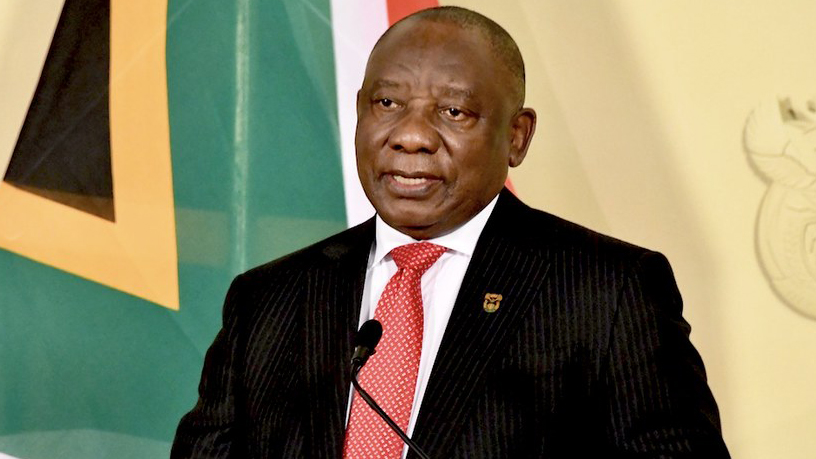
The South African government is paving the way for the local production of electric vehicles, as part of the new Automotive Production Development Programme, which came into operation in July.
This was the word from president Cyril Ramaphosa, during a keynote address at the launch of the Toyota Corolla Cross in KwaZulu-Natal last week.
Toyota Motors South Africa announced last week it had invested R2.6 billion in building the Corolla Cross hybrid vehicle range, the first hybrid vehicle to be manufactured on South African soil.
Ramaphosa highlighted the important contribution the local production of EVs will make to SA’s economy, noting Toyota Motors South Africa is setting a trend for more vehicle manufacturers to follow suit.
He pointed out that through the introduction of new policies, such as the Automotive Production Development Programme, government is committed to supporting the local EV market. It is making inroads to ensure SA develops production capacity in what is anticipated to be a growing part of the local automotive market, Ramaphosa stated.
The Automotive Production Development Programme calls for a globally competitive and transformed industry that actively contributes to the sustainable development of SA’s productive economy, creating prosperity for industry stakeholders and the broader society, he noted.
“We have identified three key priorities for climate action: for Eskom to reduce its carbon emissions, for electric vehicles to be produced in SA, and for the green hydrogen economy to be fast-tracked locally.
“Government published a draft paper for public comment on a roadmap to the production of fully-electric vehicles, which will be taken further based on the discussions with international partners and the local industry,” explained Ramaphosa.
Introduced by the Department of Trade, Industry and Competition, the Draft Auto Green Paper on the advancement of new energy vehicles in SA sets out a proposed roadmap to the local production of EVs and components in SA. This forms part of the implementation strategy of the Automotive Production Development Programme.
The purpose of the Green Paper is to establish a clear policy foundation that will enable the country to coordinate a long-term strategy that will position SA at the forefront of advanced vehicle and vehicle component manufacturing, the president added.
The Green Paper strategy is complemented by a consumption leg, and a focus on increasing competitiveness in the global race to transition from the internal combustion engine era into electro-mobility solutions and technologies.
According to Ramaphosa, once the public comments have been finalised, the paper will be taken to Cabinet for review prior to it being made into law.
“The launch of the Corolla Cross Hybrid is an important step on our path to transforming the car-making business into a green industry success story. The auto industry is one of the drivers of our localisation programme – it is a significant contributor to South Africa’s GDP and accounts for more than 100 000 jobs in assembly and component manufacturing.
“The seven local light vehicle producers in South Africa invested a record R9.2 billion in 2020, while the component sector invested R2.4 billion during the same period. These investments are made possible by an enabling policy regime in the form of the new Automotive Production Development Programme,” he added.
Automotive body, the National Association of Automobile Manufacturers of South Africa, has for years been urging government to create a favourable environment for the importation and local production of electric vehicles, as an important development for the automotive industry,
Also speaking at the event, Toyota South Africa CEO Andrew P Kirby noted the local production of components for the hybrid Corolla Cross was another important step in the success of the local vehicle production project – which will make a significant contribution to the country’s economy.
“The local development of this new vehicle has created 575 new jobs at our prospective plant and over 12 00 direct jobs in our component supply chain. Toyota South Africa has localised over 621 parts with 56 local suppliers. We’ve also on-boarded new tier one suppliers and 12 new tier two and tier three suppliers.”
The economic contribution from local suppliers for the Corolla Cross project is over R1.4 billion per year, Kirby added.
Govt commits to local production of electric vehicles
Government is making inroads in creating the production capacity for electric vehicles, as part of the Automotive Production Development Programme.
www.itweb.co.za
The South African government is paving the way for the local production of electric vehicles, as part of the new Automotive Production Development Programme, which came into operation in July.
This was the word from president Cyril Ramaphosa, during a keynote address at the launch of the Toyota Corolla Cross in KwaZulu-Natal last week.
Toyota Motors South Africa announced last week it had invested R2.6 billion in building the Corolla Cross hybrid vehicle range, the first hybrid vehicle to be manufactured on South African soil.
Ramaphosa highlighted the important contribution the local production of EVs will make to SA’s economy, noting Toyota Motors South Africa is setting a trend for more vehicle manufacturers to follow suit.
He pointed out that through the introduction of new policies, such as the Automotive Production Development Programme, government is committed to supporting the local EV market. It is making inroads to ensure SA develops production capacity in what is anticipated to be a growing part of the local automotive market, Ramaphosa stated.
The Automotive Production Development Programme calls for a globally competitive and transformed industry that actively contributes to the sustainable development of SA’s productive economy, creating prosperity for industry stakeholders and the broader society, he noted.
“We have identified three key priorities for climate action: for Eskom to reduce its carbon emissions, for electric vehicles to be produced in SA, and for the green hydrogen economy to be fast-tracked locally.
“Government published a draft paper for public comment on a roadmap to the production of fully-electric vehicles, which will be taken further based on the discussions with international partners and the local industry,” explained Ramaphosa.
Introduced by the Department of Trade, Industry and Competition, the Draft Auto Green Paper on the advancement of new energy vehicles in SA sets out a proposed roadmap to the local production of EVs and components in SA. This forms part of the implementation strategy of the Automotive Production Development Programme.
The purpose of the Green Paper is to establish a clear policy foundation that will enable the country to coordinate a long-term strategy that will position SA at the forefront of advanced vehicle and vehicle component manufacturing, the president added.
The Green Paper strategy is complemented by a consumption leg, and a focus on increasing competitiveness in the global race to transition from the internal combustion engine era into electro-mobility solutions and technologies.
According to Ramaphosa, once the public comments have been finalised, the paper will be taken to Cabinet for review prior to it being made into law.
“The launch of the Corolla Cross Hybrid is an important step on our path to transforming the car-making business into a green industry success story. The auto industry is one of the drivers of our localisation programme – it is a significant contributor to South Africa’s GDP and accounts for more than 100 000 jobs in assembly and component manufacturing.
“The seven local light vehicle producers in South Africa invested a record R9.2 billion in 2020, while the component sector invested R2.4 billion during the same period. These investments are made possible by an enabling policy regime in the form of the new Automotive Production Development Programme,” he added.
Automotive body, the National Association of Automobile Manufacturers of South Africa, has for years been urging government to create a favourable environment for the importation and local production of electric vehicles, as an important development for the automotive industry,
Also speaking at the event, Toyota South Africa CEO Andrew P Kirby noted the local production of components for the hybrid Corolla Cross was another important step in the success of the local vehicle production project – which will make a significant contribution to the country’s economy.
“The local development of this new vehicle has created 575 new jobs at our prospective plant and over 12 00 direct jobs in our component supply chain. Toyota South Africa has localised over 621 parts with 56 local suppliers. We’ve also on-boarded new tier one suppliers and 12 new tier two and tier three suppliers.”
The economic contribution from local suppliers for the Corolla Cross project is over R1.4 billion per year, Kirby added.
FiestaST
Honorary Master
New Car Sales in SA for October 2021
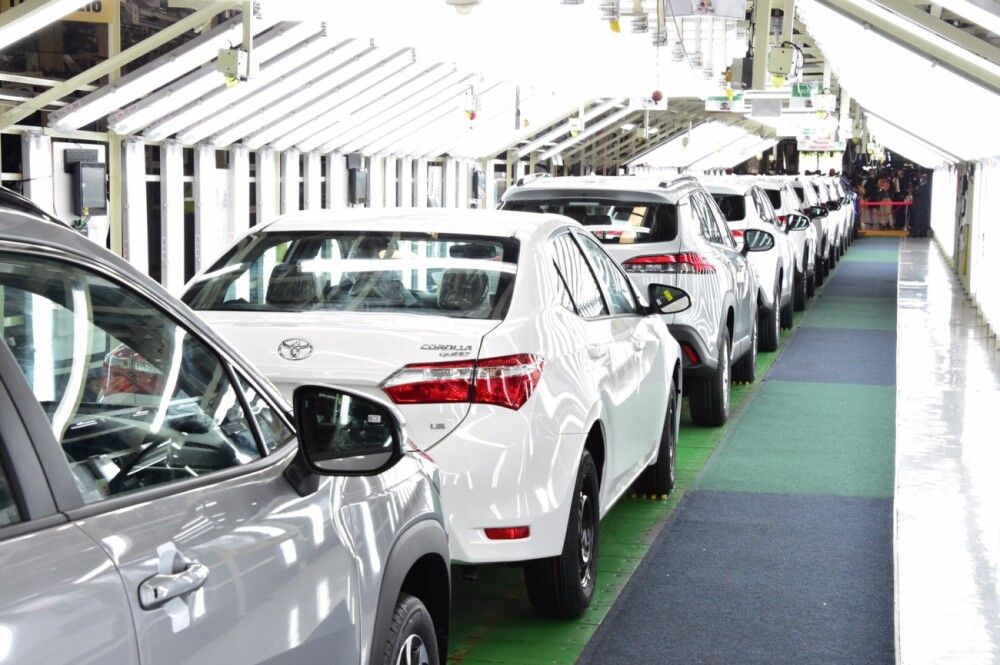
Take a look at new car sales in South Africa for October 2021 as released by naamsa | The Automotive Business Council.
The month of October 2021 was yet another tough month for new car sales in South Africa. Demand for new cars remains high but supply constraints, owing to the global chip shortage and supply chain delays, are preventing the local new car market from realising its full potential.
Nonetheless, new passenger car sales and light commercial vehicle (LCV) sales registered positive growth during the month but exports took yet another heavy knock as a result of a 3-week strike in the steel and engineering sector as well being severely impacted by load shedding.
New Car Sales in SA for October 2021
 www.cars.co.za

Take a look at new car sales in South Africa for October 2021 as released by naamsa | The Automotive Business Council.
The month of October 2021 was yet another tough month for new car sales in South Africa. Demand for new cars remains high but supply constraints, owing to the global chip shortage and supply chain delays, are preventing the local new car market from realising its full potential.
Nonetheless, new passenger car sales and light commercial vehicle (LCV) sales registered positive growth during the month but exports took yet another heavy knock as a result of a 3-week strike in the steel and engineering sector as well being severely impacted by load shedding.
New Car Sales in SA for October 2021
- Aggregate new vehicle sales of 41 035 units up by 6.1% (+2 341 units) compared to October 2020.
- New passenger car sales of 27 496 units up by 3.1% (+815 units) compared to October 2020.
- LCV sales of 11 188 units up by 15.9% (+1 535 units) compared to October 2020.
- Export sales of 23 685 units down by 30% (-10 159 units) compared to October 2020.
- Toyota – 9 928 units
- Volkswagen – 5 975 units
- Nissan – 3 059 units
- Hyundai – 2 804 units
- Suzuki – 2 593 units
- Renault – 2 480 units
- Kia – 2 343 units
- Haval – 2 330 units
- Ford – 2 148 units
- Isuzu – 1 934 units
New Car Sales in SA for October 2021
Take a look at new car sales in South Africa for October 2021 as released by naamsa | The Automotive Business Council.
FiestaST
Honorary Master
SA car sales | Market for new vehicles showed 'robust performance' during October
• More than 41 000 new vehicles were sold in October 2021.
• The market's performance was slightly lower than September.
• SA's new vehicle market is recovering well despite ongoing challenges.
Stock shortages continued to thwart South Africa's new-vehicle market during October 2021. However, the market continued to show a robust performance, despite the volumes being lower than September.
According to Naamsa, the Automotive Business Council, 41 035 new vehicles were sold during October, an increase of 6.1% over the same month last year. Although September sales were the second-best volume month this year, October sales were 4.9% lower than last month. It is also important to note the context of October sales within the four months this year that has sold more than 40 000 units.
The new vehicle market appears to be recovering strongly, demand out-stripping current supply constraints. The second half of the year has performed strongly since the mid-year lockdown restrictions.
 www.news24.com

• More than 41 000 new vehicles were sold in October 2021.
• The market's performance was slightly lower than September.
• SA's new vehicle market is recovering well despite ongoing challenges.
Stock shortages continued to thwart South Africa's new-vehicle market during October 2021. However, the market continued to show a robust performance, despite the volumes being lower than September.
According to Naamsa, the Automotive Business Council, 41 035 new vehicles were sold during October, an increase of 6.1% over the same month last year. Although September sales were the second-best volume month this year, October sales were 4.9% lower than last month. It is also important to note the context of October sales within the four months this year that has sold more than 40 000 units.
The new vehicle market appears to be recovering strongly, demand out-stripping current supply constraints. The second half of the year has performed strongly since the mid-year lockdown restrictions.
SA car sales | Market for new vehicles showed 'robust performance' during October | Life
Stock shortages continued to thwart new-vehicle sales during October 2021, but the local market showed great resilience.
www.news24.com
FiestaST
Honorary Master
SA vehicle sales hit a speed bump in October. These were the top-selling brands
The recent momentum we’ve seen in South African new vehicle sales slowed down last month as numerous factors put a dent in domestic and export sales, Naamsa reported.
Although overall vehicle sales were up by 6.1% versus the same month last year, last month's total of 41 035 vehicles was 4.9% lower than September’s sales.
However, bakkie and van sales rebounded, with LCV sales climbing by 15.9% year-on-year, versus 3.1% for conventional passenger cars and SUVs.
The latter sector was, however, given a much-needed boost by the resurging rental car industry, which accounted for 18.2% of all car sales last month, and 14.0% of overall sales. Dealer sales accounted for 82.5% of last month’s market, while government sales represented 2.1% and corporate fleets 1.4%.
Sadly export sales declined by 30.0% to 23 685 units, although the year-to-date figure is still 12.0% ahead of the same period in 2020.

 www.iol.co.za
The recent momentum we’ve seen in South African new vehicle sales slowed down last month as numerous factors put a dent in domestic and export sales, Naamsa reported.
Although overall vehicle sales were up by 6.1% versus the same month last year, last month's total of 41 035 vehicles was 4.9% lower than September’s sales.
However, bakkie and van sales rebounded, with LCV sales climbing by 15.9% year-on-year, versus 3.1% for conventional passenger cars and SUVs.
The latter sector was, however, given a much-needed boost by the resurging rental car industry, which accounted for 18.2% of all car sales last month, and 14.0% of overall sales. Dealer sales accounted for 82.5% of last month’s market, while government sales represented 2.1% and corporate fleets 1.4%.
Sadly export sales declined by 30.0% to 23 685 units, although the year-to-date figure is still 12.0% ahead of the same period in 2020.
SA vehicle sales hit a speed bump in October. These were the top-selling brands
The recent momentum we’ve seen in South African new vehicle sales slowed down last month. Here’s why:
FiestaST
Honorary Master
Starlet selling up a storm: these were the best-selling Toyotas in October 2021
How do you get a competent but underrated Suzuki hatchback to sell in the thousands? You simply add a Toyota badge, as the recent sales success of the Starlet has shown us.
Although Naamsa no longer releases individual vehicle sales figures to the media, Toyota has issued a statement listing its top-selling vehicles, and the Starlet, once again, emerged as the firm’s best-selling passenger car.
With 1 452 sales in October, the Toyota Starlet was also the country’s third most popular car, according to Wesbank, breathing down the neck of its arch-rival, the Volkswagen Polo Vivo, which found 1 571 new homes last month. Toyota sold 1 342 Starlets in September and 1 203 in August.
The Toyota Starlet, which starts at R220 800, is built by Maruti Suzuki in India and is almost identical to the Baleno, which is priced from R221 900.
The Starlet was not Toyota’s best-selling vehicle overall in October. However, with the Hilux and Hiace commercial vehicles attracting sales of 2 470 and 1 556 units respectively.
In fourth place overall, with an impressive 1 270 sales, was the Toyota Urban Cruiser compact SUV, which is another Suzuki-based product. It was followed by the Corolla Quest (802 units) and Fortuner (660). The Toyota Land Cruiser Pick-Up also enjoyed a consistently strong sales month, with 216 units sold.

 www.iol.co.za
How do you get a competent but underrated Suzuki hatchback to sell in the thousands? You simply add a Toyota badge, as the recent sales success of the Starlet has shown us.
Although Naamsa no longer releases individual vehicle sales figures to the media, Toyota has issued a statement listing its top-selling vehicles, and the Starlet, once again, emerged as the firm’s best-selling passenger car.
With 1 452 sales in October, the Toyota Starlet was also the country’s third most popular car, according to Wesbank, breathing down the neck of its arch-rival, the Volkswagen Polo Vivo, which found 1 571 new homes last month. Toyota sold 1 342 Starlets in September and 1 203 in August.
The Toyota Starlet, which starts at R220 800, is built by Maruti Suzuki in India and is almost identical to the Baleno, which is priced from R221 900.
The Starlet was not Toyota’s best-selling vehicle overall in October. However, with the Hilux and Hiace commercial vehicles attracting sales of 2 470 and 1 556 units respectively.
In fourth place overall, with an impressive 1 270 sales, was the Toyota Urban Cruiser compact SUV, which is another Suzuki-based product. It was followed by the Corolla Quest (802 units) and Fortuner (660). The Toyota Land Cruiser Pick-Up also enjoyed a consistently strong sales month, with 216 units sold.
Starlet selling up a storm: these were the best-selling Toyotas in October 2021
The Toyota Starlet is breathing down the neck of its arch-rival, the Volkswagen Polo Vivo. These were the top-selling Toyotas in October 2021:
FiestaST
Honorary Master
Here’s how many cars Toyota South Africa sold in October 2021
Toyota South Africa has confirmed a total unit sales count of 9 928 models for October 2021. With this, the local arm of the Japanese manufacturer represents 24,1 per cent of the total sales of 41 035 units reported by the National Association of Automotive Manufacturers of South Africa.
With this, Toyota South Africa maintains its position as market leader year-to-date. According to NAAMSA, “Out of the total reported industry sales of 41 035 vehicles, an estimated 33 842 units, or 82,5 per cent
The Toyota Hilux continues to charge ahead with a confirmed sales figure of 2 470 units. The brand also remains the most popular light commercial vehicle manufacturer, selling 4 438 units in October 2021. These included Land Cruiser pick-up (216) and the locally assembled HiAce taxi (1 556).
Other notable performers were the Starlet (1 452), Urban Cruiser (1 270), Corolla Quest (802) and Fortuner (660). These models helped Toyota achieve an impressive total of 5 267 units sold in the passenger segment.
www.carmag.co.za
Toyota South Africa has confirmed a total unit sales count of 9 928 models for October 2021. With this, the local arm of the Japanese manufacturer represents 24,1 per cent of the total sales of 41 035 units reported by the National Association of Automotive Manufacturers of South Africa.
With this, Toyota South Africa maintains its position as market leader year-to-date. According to NAAMSA, “Out of the total reported industry sales of 41 035 vehicles, an estimated 33 842 units, or 82,5 per cent
The Toyota Hilux continues to charge ahead with a confirmed sales figure of 2 470 units. The brand also remains the most popular light commercial vehicle manufacturer, selling 4 438 units in October 2021. These included Land Cruiser pick-up (216) and the locally assembled HiAce taxi (1 556).
Other notable performers were the Starlet (1 452), Urban Cruiser (1 270), Corolla Quest (802) and Fortuner (660). These models helped Toyota achieve an impressive total of 5 267 units sold in the passenger segment.
Here’s how many cars Toyota South Africa sold in October 2021
Toyota South Africa has confirmed a total unit sales count of 9 928 models for October 2021. With this, the local arm of the Japanese manufacturer represents 24,1 per cent of the total sales of 41 035 units reported by the National Association of Automotive Manufacturers of South Africa.
www.carmag.co.za
FiestaST
Honorary Master
New vehicle sales in South Africa slow but steady for October 2021
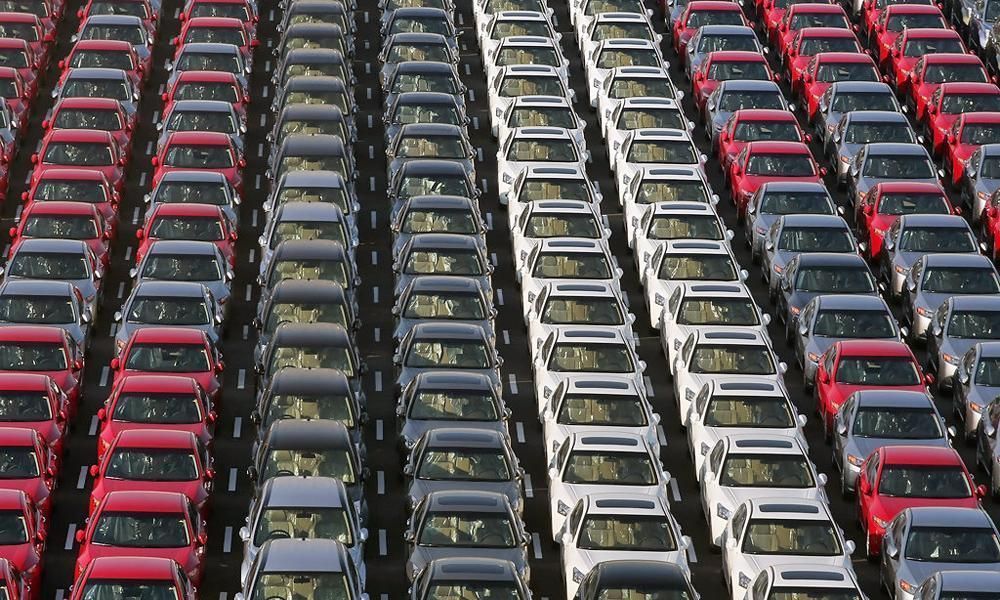
Naamsa confirms that new vehicle sales in South Africa are up for October 2021 but the increase in incremental compared to last month. This despite the three-week strike in the steel and engineering sector and the return of load-shedding which impacted the new vehicle market and vehicle exports.
Aggregate domestic new vehicle sales in October 2021, at 41 035 units, reflected an increase of 2 341 units, or 6,1 per cent, from the 38 694 vehicles sold in October last year. Export sales recorded a decline of 10 159 units, or 30,0 per cent, to 23 685 units last month compared to the 33 844 vehicles exported in October 2020.
Overall, out of the total reported industry sales of 41 035 vehicles, an estimated 33 842 units, or 82 5 per cent, represented dealer sales, an estimated 14,0 per cent represented sales to the vehicle rental industry, 2,1 per cent sales to government, and 1,4 per cent to industry corporate fleets.
The October 2021 new passenger car market at 27 496 units had registered an increase of 815 cars, or a gain of 3,1 per cent, compared to the 26 681 new cars sold in October 2020. The car rental industry supported the new passenger car market during the month and accounted for a sound 18,2 per cent of car sales in October 2021.
Domestic figures of new light commercial vehicles, bakkies and mini-buses at 11 188 units during October 2021 had recorded an increase of 1 535 units, or a gain of 15,9 per cent, from the 9 653 light commercial vehicles sold during October 2020.
 www.carmag.co.za
Naamsa confirms that new vehicle sales in South Africa are up for October 2021 but the increase in incremental compared to last month. This despite the three-week strike in the steel and engineering sector and the return of load-shedding which impacted the new vehicle market and vehicle exports.
Aggregate domestic new vehicle sales in October 2021, at 41 035 units, reflected an increase of 2 341 units, or 6,1 per cent, from the 38 694 vehicles sold in October last year. Export sales recorded a decline of 10 159 units, or 30,0 per cent, to 23 685 units last month compared to the 33 844 vehicles exported in October 2020.
Overall, out of the total reported industry sales of 41 035 vehicles, an estimated 33 842 units, or 82 5 per cent, represented dealer sales, an estimated 14,0 per cent represented sales to the vehicle rental industry, 2,1 per cent sales to government, and 1,4 per cent to industry corporate fleets.
The October 2021 new passenger car market at 27 496 units had registered an increase of 815 cars, or a gain of 3,1 per cent, compared to the 26 681 new cars sold in October 2020. The car rental industry supported the new passenger car market during the month and accounted for a sound 18,2 per cent of car sales in October 2021.
Domestic figures of new light commercial vehicles, bakkies and mini-buses at 11 188 units during October 2021 had recorded an increase of 1 535 units, or a gain of 15,9 per cent, from the 9 653 light commercial vehicles sold during October 2020.
New vehicle sales in South Africa slow but steady for October 2021
Naamsa confirms that new vehicle sales in South Africa are up for October 2021 but the increase in incremental compared to last month. This despite the three-week strike in the steel and engineering sector and the return of load-shedding which impacted the new vehicle market and vehicle exports.
www.carmag.co.za