The SA Vehicle Industry Thread

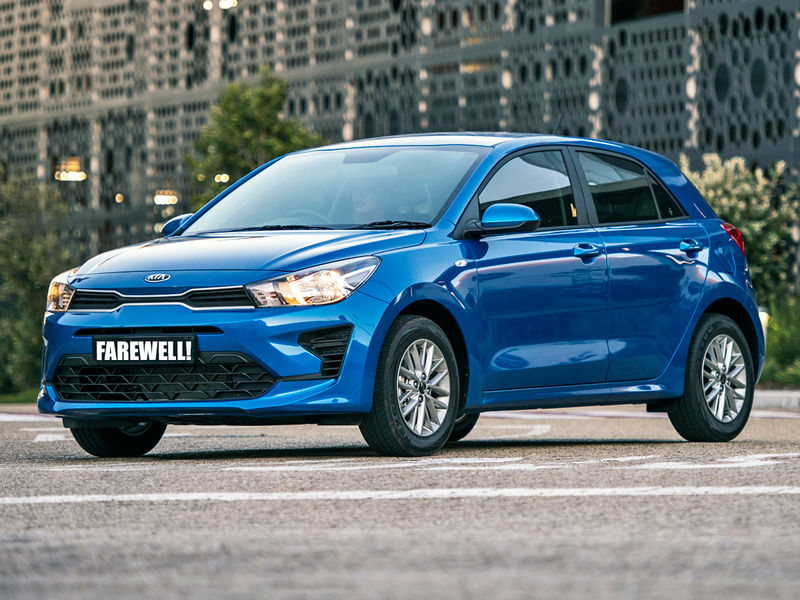
It’s Official: Kia Rio to Exit South Africa at End of 2023

First the Fiesta, then the Micra. Now this? Yes, the Kia Rio nameplate will exit South Africa at the end of 2023, after 22 years on the local market. Here’s why it’s leaving…

The Kia Rio nameplate will be “phased out” of the South African market towards the end of 2023, with the firm’s local division confirming the news in a statement to Cars.co.za.

So, what’s the thinking behind the decision to cull what has become one of the automaker’s most recognised badges in South Africa over the past 22 years? Well, Kia Motors South Africa effectively has no choice in the matter, as the next-generation model will not be produced in right-hand drive.

It’s the same reason the Soul was discontinued in SA back in 2019. As an aside, the C-segment Cerato was pulled from the local line-up towards the end of 2018, despite still being built in right-hand-drive form.
 
These are the cars that the SA government bought in 2022

Government Vehicle Sales: 2022

1. Isuzu D-Max - 1 784
2. Toyota Hilux - 1 731
3. Volkswagen Polo Sedan - 1 129
4. Volkswagen Polo Vivo - 683
5. Mahindra Scorpio Pik-Up - 571
6. Ford Ranger - 429
7. Renault Kwid - 368
8. Nissan Navara - 314
9. Nissan Almera - 288
10. Suzuki Dzire - 225
11. Toyota Quantum - 222
12. Toyota Urban Cruiser - 219
13. Suzuki Vitara Brezza - 204
14. Toyota Starlet - 187
15. Toyota Hiace - 176
16. Nissan NP200 - 164
17. Toyota Corolla Quest - 150
18. Suzuki Swift - 118
19. Suzuki Ertiga - 103
20. Honda Ballade - 99
21. Volkswagen Amarok - 94
22. Toyota Land Cruiser PU - 78
23. BMW 3 Series - 75
24. Volkswagen Transporter - 74
25. Toyota Fortuner - 67
26. Volkswagen Golf GTI - 65
27. Volkswagen Polo - 65
28. Audi A4 - 58
29. Suzuki Ciaz - 58
30. Mahindra Scorpio - 44

 
These are the cars that the SA government bought in 2022

Government Vehicle Sales: 2022

1. Isuzu D-Max - 1 784
2. Toyota Hilux - 1 731
3. Volkswagen Polo Sedan - 1 129
4. Volkswagen Polo Vivo - 683
5. Mahindra Scorpio Pik-Up - 571
6. Ford Ranger - 429
7. Renault Kwid - 368
8. Nissan Navara - 314
9. Nissan Almera - 288
10. Suzuki Dzire - 225
11. Toyota Quantum - 222
12. Toyota Urban Cruiser - 219
13. Suzuki Vitara Brezza - 204
14. Toyota Starlet - 187
15. Toyota Hiace - 176
16. Nissan NP200 - 164
17. Toyota Corolla Quest - 150
18. Suzuki Swift - 118
19. Suzuki Ertiga - 103
20. Honda Ballade - 99
21. Volkswagen Amarok - 94
22. Toyota Land Cruiser PU - 78
23. BMW 3 Series - 75
24. Volkswagen Transporter - 74
25. Toyota Fortuner - 67
26. Volkswagen Golf GTI - 65
27. Volkswagen Polo - 65
28. Audi A4 - 58
29. Suzuki Ciaz - 58
30. Mahindra Scorpio - 44

Not a single X5, 5/7 series etc. Seems legit...
 
Here’s How Many EVs and Hybrids Were Sold in SA in 2022

Exactly how many electric vehicles and hybrids were sold in South Africa in 2022? Let’s take a closer look at the sales figures…

According to figures released by Naamsa, sales of electric vehicles (EVs), traditional hybrids and plug-in hybrids in South Africa increased a whopping 431.7% year on year in 2022. Still, we should point out the final “new-energy vehicle” tally of 4 764 units represented a mere 0.88% of the country’s total new-vehicle market for the year.

As we’ve noted before, South Africa is still without a truly affordable electric car (though GWM’s Ora sub-brand may well change that in the near future), with the least expensive option currently being the 3-door Mini Cooper SE Hatch, which retails for R742 102. The cheapest hybrid, meanwhile, is Toyota’s locally built Corolla Cross 1.8 Hybrid XS, which kicks off at R442 400.

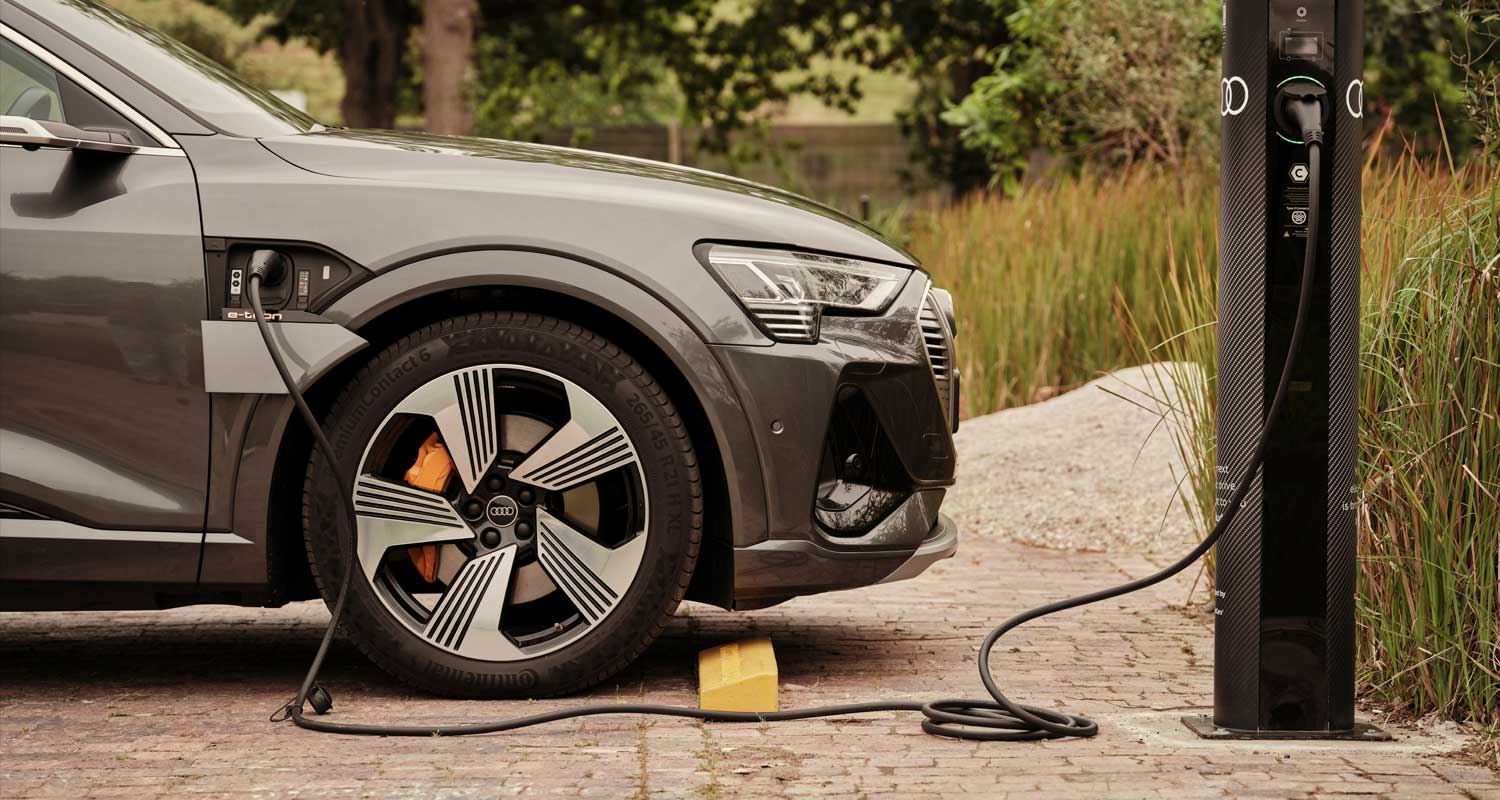
According to Naamsa, 502 fully electric vehicles were registered in South Africa during 2022, a figure that grew from 218 units in 2021. Fascinatingly, plug-in hybrid electric vehicles (PHEVs) were again less popular than fully electric models, with just 122 examples sold locally during the year.

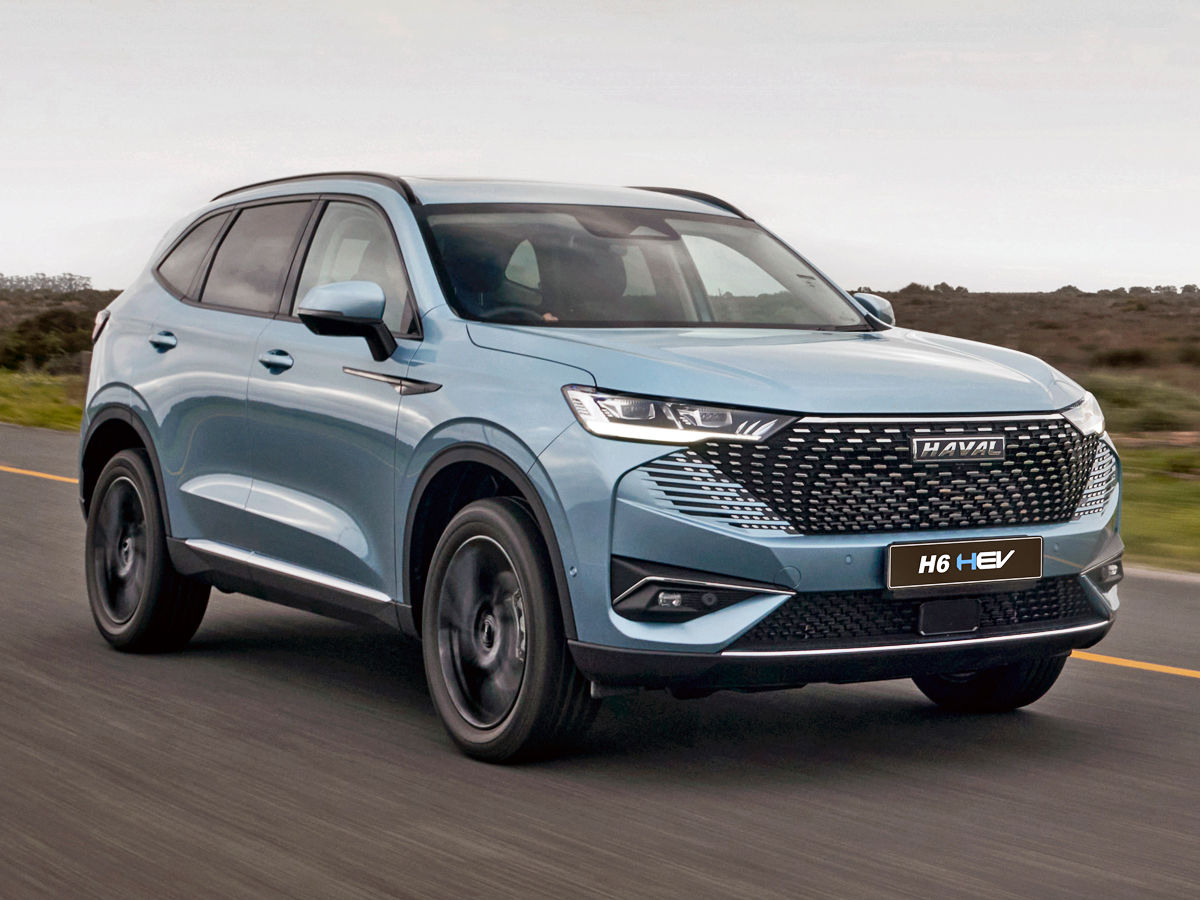
As expected, traditional hybrids – including the likes of dual-powered versions of the Corolla hatch and sedan, the aforementioned Corolla Cross and the RAV4, plus various Lexus models as well as the Honda Fit and Haval’s H6 and Jolion hybrids – accounted for the bulk of the so-called new-energy vehicle registrations, reflecting a sales total of 4 050 units for the year.

 
Here’s how hybrid and electric car sales have increased in SA since 2018

Catastrophic power grid woes aside, South Africa has been decidedly slow to transition to electric cars, which remain prohibitively expensive, but the country is certainly warming to hybrids.

South Africa’s Automotive Business Council, Naamsa, has released comparative sales data for hybrid and electric vehicles and it shows steady growth on all fronts.

A total of 502 fully electric vehicles were sold in South Africa in 2022, which is a 134% increase over the 218 units sold in 2021 and a 782% increase over the 58 cars that found homes five years earlier in 2018.

It seems even fewer South Africans are warming to plug-in hybrids (PHEV), which are often seen as the ideal bridge between ICE and EV for markets such as ours. Just 122 South Africans bought a PHEV last year, and this is an increase of just 37% over 2018.

But traditional self-charging hybrids are exploding in popularity, with 4 050 finding homes last year, representing a year-on-year gain of 546% and a 7 200% increase over 2018.

 
South Africa lacks solid commitment to electric car manufacturing, Naamsa warns

South Africa’s Automotive Business Council, Naamsa, has weighed in on the recent Budget Speech, expressing concern that the country could miss the electric car boat.

Although Naamsa generally welcomed Minister Enoch Godongwana’s 2023 plan, and recognised the balancing act that it needs to achieve, the motor industry body said it was disappointed that no solid commitment was made on the support programme for the manufacturing of New Energy Vehicles (NEV) and related components in South Africa.

“The minister did not provide any policy guarantees for the South African automotive industry’s inevitable transition to New Energy Vehicles notwithstanding SA’s commitments to just transition and decarbonisation strategies covered by the $8.5 billion (R155bn) allocation,” Naamsa said.

“The industry further reiterated that the delays with the promulgation of the NEV White Paper continues to pose as one of its biggest risks towards investment and retention of jobs in many of our local production lines.”

Naamsa said South Africa’s policy-makers needed to demonstrate tangible and deliberate plans to create and stimulate a competitive environment for the NEV market through various government support schemes for production.

 
A Chery knocks VW Polo from top 10: SA’s best-selling cars in Feb 2023

South Africa’s new-vehicle market registered yet another month of year-on year-growth in February 2023. Here’s a look at the best-selling vehicles, most popular brands and more…

In February 2023, South Africa’s new-vehicle market registered a marginal gain of 2.6% to 45 352 units, representing the 14th consecutive month of year-on-year growth (with some interesting movement on the list of best-selling vehicles, as you can see below). For the record, that figure is also 4.2% higher than January 2023’s industry-wide effort of 43 509 registrations.

Naamsa described February as a “firm and momentum-building” month for the local new-vehicle market. According to the organisation, 83.6% of total sales came via the dealer channel, with the rental industry accounting for 9.0%, the government 5.1% and corporate fleet buyers a further 2.3%.

The new passenger-vehicle market enjoyed a slight (1.1%) year-on-year improvement to 29 976 units, again bolstered by the efforts of the rental industry, which accounted for a significant 12.2% of these sales. Meanwhile, registrations of new light-commercial vehicles (including bakkies and minibuses) grew 5.5% compared with the same year in 2022, finishing the month on 12 972 units.

Finally, Naamsa noted year-on-year vehicle exports from South Africa declined a considerable 11.5% to 30 409 units in February 2023.

Lebogang Gaoaketse, Head of Marketing and Communications at WesBank, said February 2023’s figures pointed to the continuation of the market’s recovery “rather than outright growth”.

New vehicle sales summary for February 2023

- Aggregate new-vehicle sales of 45 352 units increased by 2.6% (1 128 units) compared to February 2022.
- New passenger-vehicle sales of 29 657 units increased by 1.1% (319 units) compared to February 2022.
- New light-commercial vehicle sales of 12 972 units increased by 5.5% (683 units) compared to February 2022.
- Export sales of 30 409 units decreased by 11.5% (3 943 units) compared to February 2022.

10 best-selling car brands in South Africa for February 2023


1. Toyota – 11 560 units

2. Volkswagen Group – 5 288 units

3. Suzuki – 4 309 units

4. Nissan – 3 172 units

5. Hyundai – 2 715 units

6. Ford – 2 499 units

7. Renault – 2 122 units

8. Isuzu – 2 057 units

9. Kia – 1 843 units

10. Haval – 1 538 units

10 best-selling vehicles in South Africa for February 2023

1. Toyota Hilux – 3 335 units

2. Ford Ranger – 1 806 units

3. Isuzu D-Max – 1 747 units

4. Toyota Corolla Cross – 1 683 units

5. Volkswagen Polo Vivo – 1 513 units

6. Suzuki Swift – 1 367 units

7. Toyota Hi-Ace – 1 342 units

8. Toyota Starlet – 1 311 units

9. Nissan NP200 – 1 292 units

10. Chery Tiggo 4 Pro – 962 units

 
South Africa’s Top 5 industry giants for February 2023

Here’s a Top 5 List of the best-selling brands in February 2023:

Toyota – 11 560
Volkswagen Group SA – 5 288
Suzuki Auto – 4 309
Nissan – 3 172
Hyundai – 2 715

 
February 2023 vehicle sales wrap: top selling bakkies, cars and SUVs

Motor industry authorities predicted slower growth for the South African new vehicle market in 2023, and the second month of the year delivered exactly that.

According to the Automotive Business Council (Naamsa), vehicle sales totalled 45 352 units in February, 2023 representing a modest increase of 2.6% versus the same month last year.

Things were somewhat sluggish on the passenger vehicle front, which saw 1.1% year-on-year growth, this in spite of strong support from the rental industry, which gobbled 12.2% of the sales’ pie.

On the sales charts, the recently upgraded Toyota Corolla Cross emerged as the nation’s most sought-after passenger vehicle, with 1 683 units finding homes.

The Volkswagen Polo Vivo followed in second (1 513), beating the Suzuki Swift (1 367) and Toyota Starlet (1 311).

South African car and SUV sales ranking: February, 2023

1. Toyota Corolla Cross – 1 683
2. Volkswagen Polo Vivo – 1 513
3. Suzuki Swift – 1 367
4. Toyota Starlet – 1 311
5. Chery Tiggo 4 Pro – 962
6. Volkswagen T-Cross – 889
7. Renault Triber – 815
8. Volkswagen Polo – 815
9. Toyota Corolla Quest – 798
10. Hyundai Grand i10 – 760
11. Haval Jolion – 737
12. Renault Kiger – 714
13. Suzuki Baleno – 656
14. Nissan Magnite – 551
15. Nissan Almera – 542
16. Toyota Fortuner – 524
17. Suzuki S-Presso – 501
18. Toyota Urban Cruiser – 486
19. Hyundai i20 – 482
20. Volkswagen Tiguan – 455
21. Kia Picanto – 453
22. Suzuki Ciaz – 450
23. Haval H6 – 441
24. Kia Sonet – 419
25. Hyundai Venue – 407
26. Renault Kwid – 405
27. Ford EcoSport – 356
28. Toyota Rumion – 342
29. Suzuki Vitara Brezza – 318
30. Ford Everest – 304.

 
10 best-selling bakkies in South Africa: February 2023

We’ve rummaged through February 2023’s sales figures to identify South Africa’s best- and worst-selling bakkies. Here’s what you need to know…

South Africa’s new-vehicle market registered 2.6% of year-on-year growth in February 2023 to end the month on 45 352 units. Gains in the light-commercial vehicle segment, meanwhile, were slightly higher at 5.5%, resulting in total sales of 12 972 units, mostly in the form of bakkies (along with a few minibus and panel-van units).

So, what happened on the list of SA’s best-selling bakkies? Well, the Prospecton-produced Toyota Hilux was again head and shoulders above the rest of the field, finishing February 2023 on a healthy 3 335 units. For the record, that’s an improvement of 566 units compared with its performance in January 2023. As an aside, Toyota SA Motors has just announced a specification update for the Hilux, with a focus on the Xtra Cab Legend models.

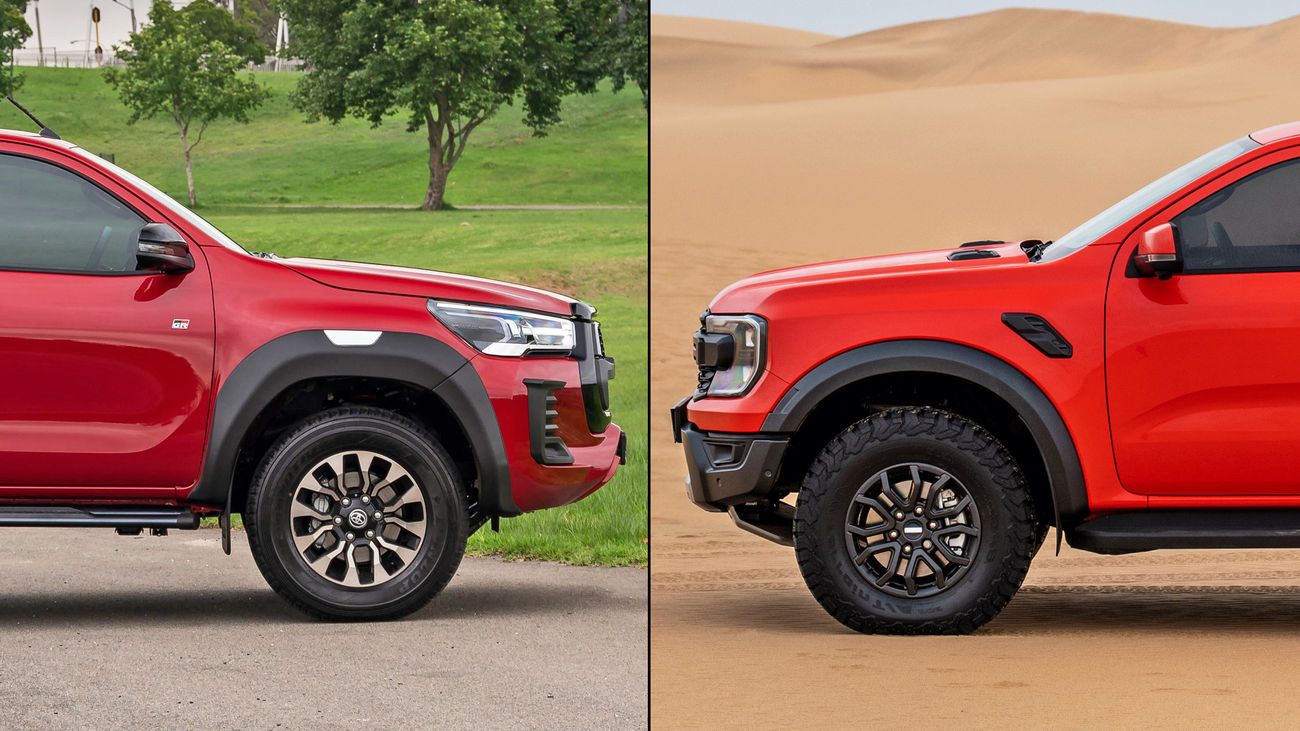
With the new generation of the Ford Ranger now very much online (though the single- and extended-cab models will technically hit the local market only at some point in March), the Silverton-built bakkie (as well as the imported Raptor) regained 2nd place, with 1 806 units registered during the month. That saw the Struandale-manufactured Isuzu D-Max (1 747 units) drop a spot to 3rd, despite improving by 474 sales, month on month.

10 best-selling bakkies in South Africa for February 2023

1. Toyota Hilux – 3 335 units

2. Ford Ranger – 1 806 units

3. Isuzu D-Max – 1 747 units

4. Nissan NP200 – 1 292 units

5. Mahindra Pik Up – 844 units

6. Nissan Navara – 581 units

7. Toyota Land Cruiser 79 – 393 units

8. GWM P-Series – 245 units

9. GWM Steed – 115 units

10. Mitsubishi Triton – 60 units

 
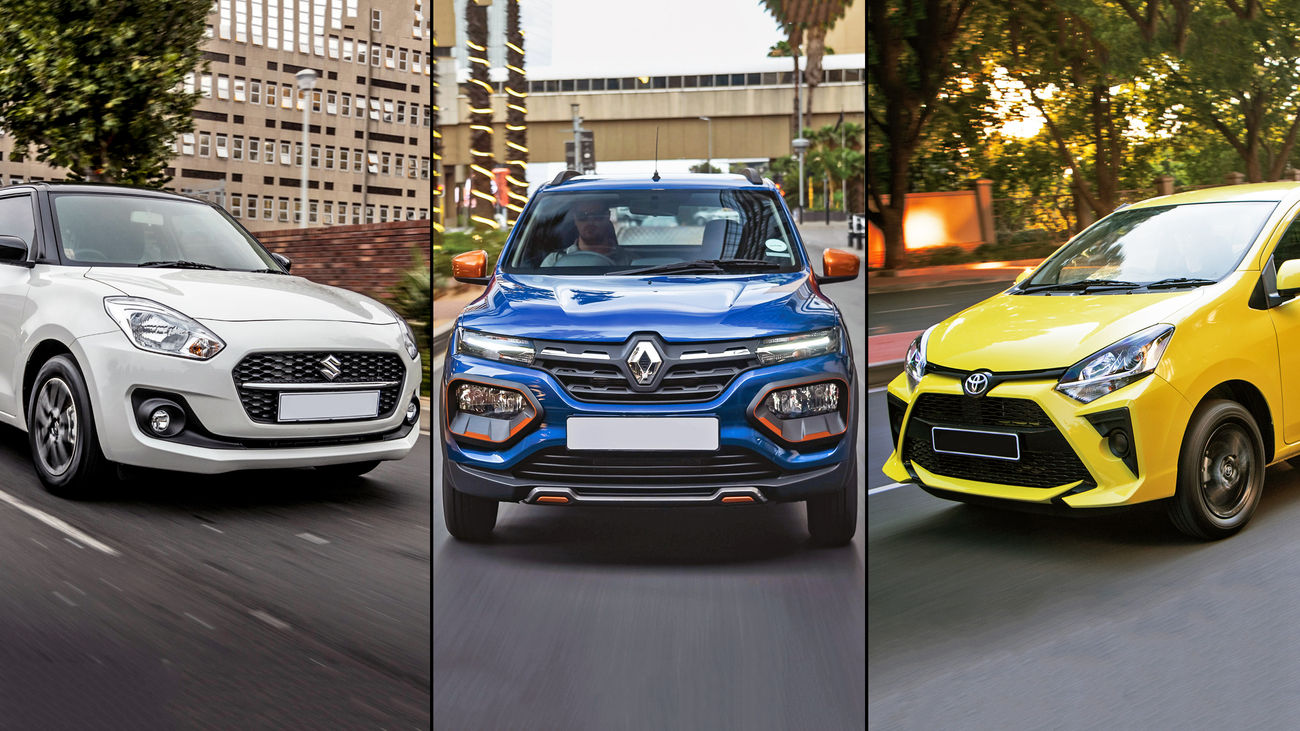
How well are SA’s cheapest cars selling? A look at the sales figures

Just 8 passenger-vehicle ranges starting at R200 000 or less remain in South Africa. How well are these budget cars selling? Let’s unpack the sales figures for SA’s cheapest cars

A mere 6 years ago, South Africa’s new-vehicle market contained as many as 42 passenger-car ranges with a starting price of less than R200 000. Today, that number stands at just 8. So, how well are the country’s cheapest cars selling?

Well, we tracked local registrations of this octet over the past 12 months – from the start of March 2022 to the end of February 2023 – to see how they rank. To qualify, the respective passenger-car range must start at R200 000 or less (note that even if some higher-spec derivatives come in above that figure, we’re still including them in this exercise, as model sales reported to Naamsa are unfortunately not broken down by derivative).

Before we explore the sales statistics of the nation’s cheapest cars, it’s interesting to note 7 of the 8 model ranges are shipped over from India, which is the leading country of origin in terms of vehicle imports into SA, and by quite some margin, too. In addition, it’s worth mentioning most of the vehicle ranges listed here benefit from a seasonal spike in sales owing to their popularity with rental-fleet buyers.

Sales of SA’s cheapest cars (up to R200k) over the past year

1. Suzuki Swift – 17 766 units

2. Renault Kwid – 8 978 units

3. Hyundai Atos – 6 233 units

4. Suzuki S-Presso – 5 243 units

5. Toyota Agya – 4 524 units

6. Suzuki Dzire – 3 216 units

7. Suzuki Celerio – 2 511 units

8. Mahindra KUV100 Nxt – 878 units

 
Top
Sign up to the MyBroadband newsletter
X