The SA Vehicle Industry Thread

The return of Fiat to SA? Stellantis signs accord for local manufacture

As part of the Dare Forward 2030 ambition, Stellantis has signed a framework agreement with South African stakeholders to manufacture vehicles locally, with ambitions to compete against the likes of Volkswagen and Toyota in the region.

A major announcement in the South African motoring industry, Stellantis has just signed a Memorandum of Understanding (MOU) with the Industrial Development Corporation (IDC) and the Department of Trade, Industry and Competition (the dtic) to develop a manufacturing facility in South Africa. The signing ceremony took place at the office of Mr. Ebrahim Patel, Minister of Trade, Industry and Competition, and was attended by Mr. TP Nchocho, CEO of the IDC, Mr. Samir Cherfan, Stellantis Middle East and Africa Chief Operating Officer, and Mr. Leslie Ramsoomar, Stellantis South Africa Managing Director.

 
Stellantis announces intention to build vehicles in South Africa

Stellantis, the global automotive giant that was formed when Fiat Chrysler merged with Peugeot Citroen in 2021, has announced its intention to establish a manufacturing plant in South Africa.

On Wednesday the carmaker signed a Memorandum of Understanding with the Department of Trade, Industry and Competition (DTIC) and the Industrial Development Corporation (IDC).

Samir Cherfan, who is the Stellantis Chief Operating Officer for Africa and the Middle East, said the announcement was an important step in the company’s “Dare Forward 2030” strategic plan for strengthening its leadership in the region and becoming a major player in South Africa.

The company said the local manufacturing plant would be set up in an as-yet-unnamed Special Economic Zone, with the aim of completing the project by 2025. Stellantis did not mention which vehicles would be produced here. We have reached out to the carmaker for comment and will update the story when new information becomes available.

Stellantis is currently a niche player on the local market, having sold an average of 358 vehicles a month in the past three months. Internationally it owns 14 brands, and in South Africa it currently markets Fiat, Alfa Romeo, Jeep, Opel, Peugeot and Citroen.

 
Stellantis Plans to Build Cars in South Africa

The Stellantis group has announced plans to set up a production facility in South Africa, with the first units billed to roll off the assembly line as early as 2025…

Multinational automotive group Stellantis has signed a Memorandum of Understanding (MoU) with the South African government to “develop a manufacturing facility” in the country.

The Netherlands-based corporation – which was formed in early 2021 with the merger of Fiat Chrysler Automobiles and the PSA Group – took part in a signing ceremony with South Africa’s Industrial Development Corporation (IDC) and the Department of Trade, Industry and Competition (DTIC).

In August 2022, Stellantis signed a similar MoU with Egypt’s government, before announcing a €300-million investment in its existing Kenitra manufacturing facility in Morocco in November 2022.

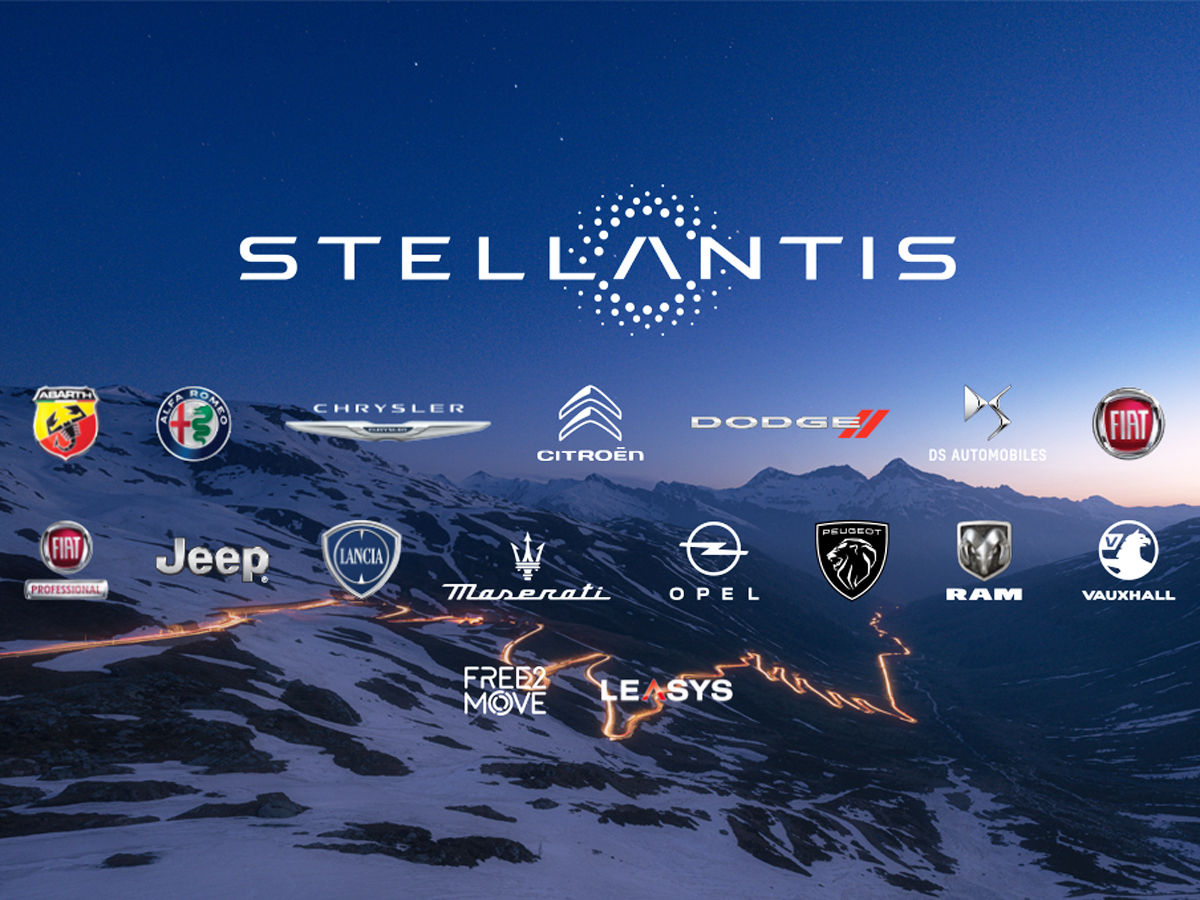
As a reminder, as many as 16 automotive brands fall under the Stellantis banner: Abarth, Alfa Romeo, Chrysler, Citroën, Dodge, DS, Fiat, Fiat Professional, Jeep, Lancia, Maserati, Mopar, Opel, Peugeot, Ram and Vauxhall.

Details are currently thin on the ground, but the group has stated the manufacturing plant is “planned for setup” in a Special Economic Zone (SEZ), with an aimed completion date of 2025. At present, South Africa has a pair of such zones with an automotive focus: the Tshwane Automotive SEZ in Gauteng and the Coega SEZ, with the latter located in Nelson Mandela Bay in the Eastern Cape. Whether Stellantis plans to build a new facility or make use of an existing one remains to be seen.

Interestingly, TP Nchocho, CEO of the IDC, described Stellantis as an “investment partner”, saying he looked forward to a “joint venture” with the company. It’s not yet clear which vehicles Stellantis plans to manufacture locally, though its brands with a presence in South Africa include Alfa Romeo, Citroën, Fiat, Jeep, Maserati, Opel and Peugeot.

 
Green hydrogen could save South Africa’s car industry

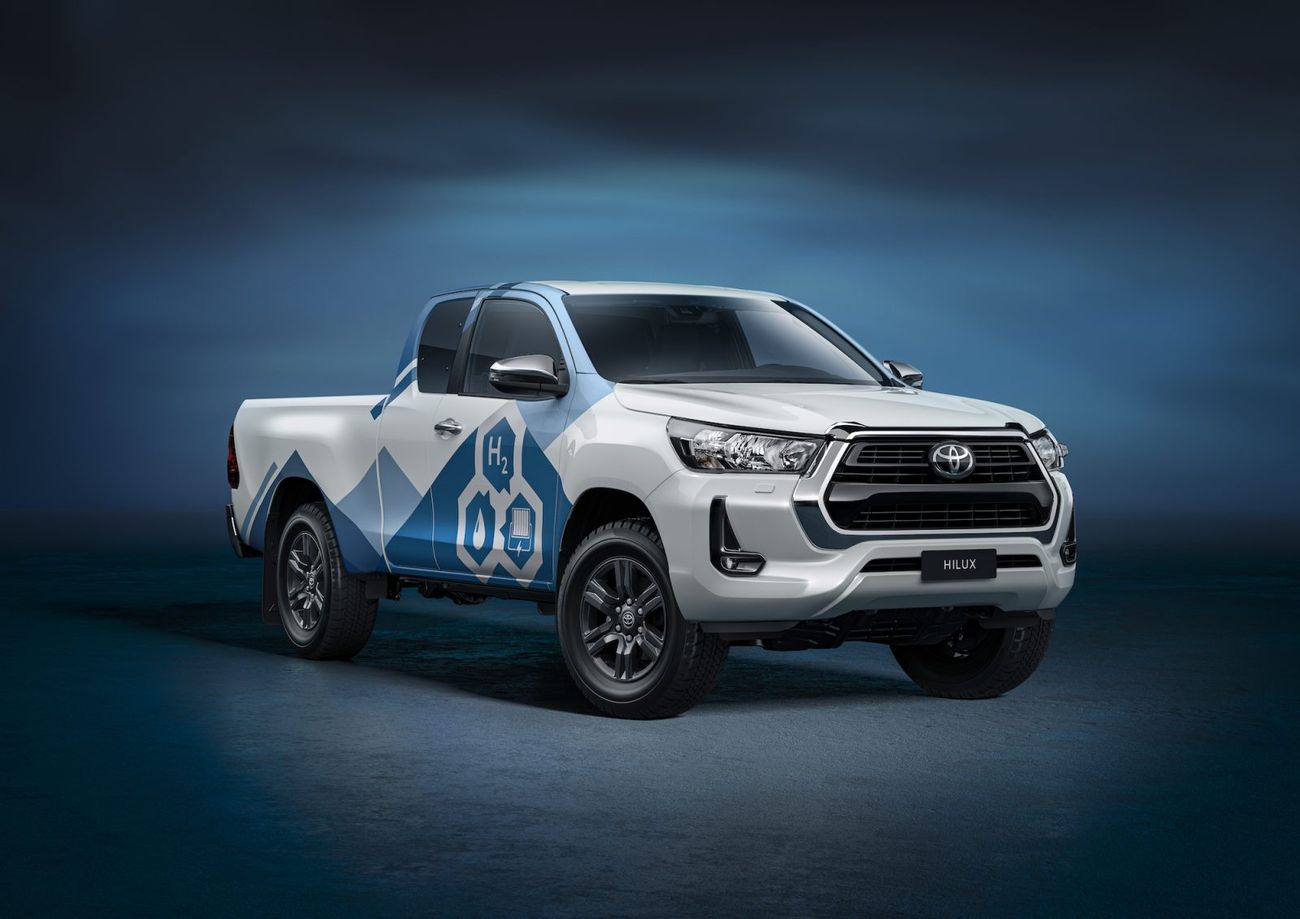
Green hydrogen has huge potential to power future vehicles. And South Africa could produce a lot of it. But would you drive a hydrogen-powered car… or bakkie?

For decades, the theory behind having a great automotive engine, was to have one that could contain the biggest possible bang.

Although hybrid/EV batteries are improving, liquid fuel still has superior energy density. But curiously, the specific liquid fuel that produces the biggest bang of all – hydrogen – is underutilised.

Don’t ever listen to any automotive powertrain debate without a degree of scepticism. Whether it’s the diesel lobby, battery-electric vehicle evangelists, e-fuel believers, or advocates for hydrogen. All engines, motors and energy sources incur an environmental cost.

 
SUV sales up 31% in 2022, accounting for almost half of SA’s passenger car volume

SUVs are in and your traditional hatchbacks and sedans are on the way out. Not all of us like that state of affairs, but that’s just the way it is.

But just how quickly are SUVs and crossovers gaining market share in South Africa? In 2021 SUVs overtook five-door hatchbacks as the most popular body type for the first time ever, and 2022 saw these high-riders gain even more market share.

According to data released by Hyundai, SUVs and crossovers accounted for 50.9% of the passenger car market last year, up from 45.2% the previous year. The overall SUV volume grew from 121 221 units to 159 294, out-shadowing five-door hatchbacks (109 061), whose share of the passenger car pie dropped from 38% to 34.8%.

The top-selling SUV in Mzansi last year was the Toyota Urban Cruiser. With a volume of 16 992 units, it followed the Volkswagen Polo Vivo and Suzuki Swift to become the nation’s third-best selling passenger vehicle. It remains to be seen whether its imminent successor will emulate this success, given that it’s bigger and will presumably be more expensive.


DE5DC2AD-01D1-4AA6-8332-4E41B5FE7B17.jpeg
 
Will Stellantis build a midsize Ram bakkie in South Africa?

There was much excitement in Mzansi this week following the announcement that Stellantis plans to build vehicles this country.

As announced on Wednesday, the global automotive giant has signed a Memorandum of Understanding with the Department of Trade, Industry and Competition, with a view to building a new assembly plant in South Africa by 2025.

While we do know that the plant will serve both local and export markets, at this stage Stellantis remains tight-lipped about which products might be built locally.

Which means that everything we state from here onwards is pure speculation. But if we piece together a few clues floating around the interwebs, we reckon there’s a good chance that the company will build a Ram bakkie locally.

Samir Cherfan, who heads up the Stellantis Middle East and Africa region, said the new manufacturing plant was an important step in the company’s “Dare Forward 2030” strategy for doubling its volume in this part of the world to over 1 million annual sales.

Stellantis CEO Carlos Tavares, while discussing the company’s earnings back in February, commented that the Ram and Jeep brands were enjoying strong results in the Middle East and Africa region, Carscoops reported.

Would it not make sense, in light of this, for Stellantis to build a Ram or Jeep product in South Africa? And while Jeep certainly can’t be ruled out, we reckon Ram is possibly the most solid bet, given the region’s affinity for bakkies.

 
Top 5 best performing Passenger brands – March 2023

The latest vehicle sales figures released by Naamsa for March 2023 provide insight into the current state of South Africa’s automotive industry.

The industry has been facing a multitude of challenges, including interest rate hikes, energy shortages, and slowing global and domestic growth, all of which have contributed to the modest performance of new vehicle sales and export sales.

The new passenger car market for March 2023, which saw 31 631 units sold, experienced a decline of 6,4% compared to the same period in the previous year. However, the light commercial vehicle market fared better, with 15 529 units sold in March 2023, an increase of 11,1% from March 2022.

Despite the challenges faced by the industry, Toyota maintained its position as the top-performing passenger car brand with 12 974 units sold in March 2023. The Volkswagen Group SA followed with 6 074 units sold, while Suzuki Auto, Hyundai Automotive South Africa, and Nissan rounded out the top five with 3 734, 3 010, and 3 012 units sold, respectively.

 
Light commercial vehicles sales for March 2023

South Africa’s light commercial vehicle segment has seen a significant uptick in performance in March 2023 compared to the previous year’s results.

The sale of light commercial bakkies rose to 39 130 for March 2023 (an increase of 3244 units). Local light commercial vehicle sales increased to 15 529 units from 13 973 while exports increased slightly from 10 578 to 10 107 units.

Top five light commercial vehicle brands:

Toyota (6 119 units)
Ford (2 334 units)
Isuzu (2 289 units)
Nissan (1879 units)
Mahindra (987 units)

 
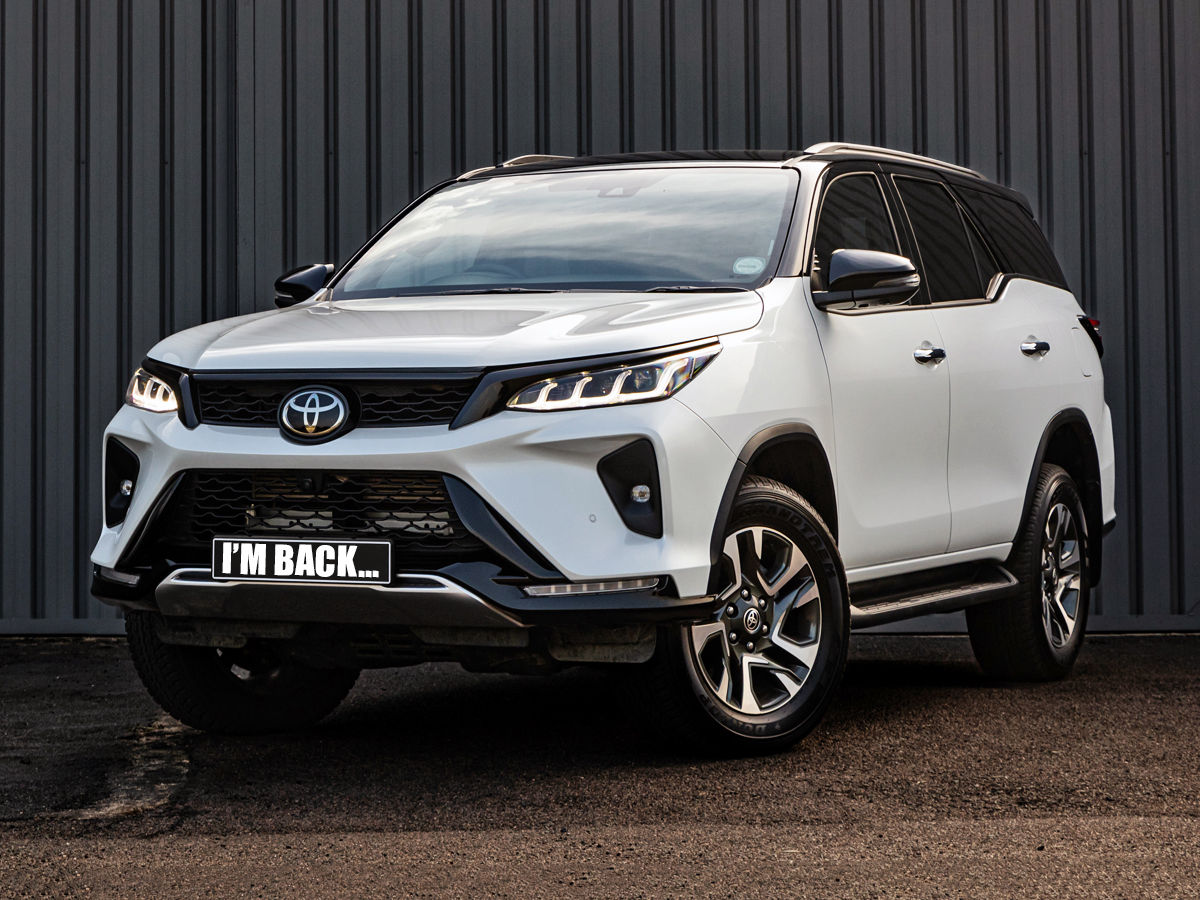
Toyota Fortuner bounces back! SA’s best-selling cars in March 2023

The South African new-vehicle market’s run of year-on-year growth has ended, with sales falling marginally to a still-impressive 50 157 units in March 2023. Here’s a look at SA’s best-selling vehicles, most popular brands and more…

In March 2023, South Africa’s new-vehicle market registered a marginal decline of 0.6% to 50 157 units, bringing to an end the industry’s 14-month streak of year-on-year sales growth. Still, the month’s sales tally represents a considerable 10.6% increase compared with February 2023’s effort and is interestingly also the first time the market has cracked the 50 000-unit mark in a year.

Naamsa described the industry’s performance in March 2023 as “modest”, saying this could at least in part be attributed to rising interest rates and the so-called “national shutdown” of 20 March, when “many dealers opted to close shop and vehicle manufacturers operating in hotspot metros also halted production”.

Out of the total reported industry sales of 50 157 vehicles, an estimated 43 801 units (or 87.3%) came via the dealer channel, with 6.1% representing sales to the rental industry, 4.1% to government and 2.5% to industry corporate fleets.

The new passenger-vehicle market decreased 6.4% to 31 631 units in March 2023, while sales of new light-commercial vehicles (including bakkies and minibuses) grew an encouraging 11.1% year on year to 15 529 units. After the opening quarter of the 2023, domestic sales stood at 139 437 units, representing an increase of 2.4% compared with the same period in 2022.

What about the export market? Well, Naamsa’s figures showed a 3.1% year-on-year increase to 34 134 units in March 2023, with the year-to-date number coming in at 84 774 units (or 4.2% down on the first quarter of 2022).

Lebogang Gaoaketse, Head of Marketing and Communications at WesBank, was upbeat, suggesting March 2023’s performance was worth celebrating.

“Despite the public holidays, March is a long sales month and this month’s performance mirrored what was the best-selling month last year. Both March 2022 and 2023 have been the only sales months to breach the 50 000-unit level since October 2019,” explained Gaoaketse.

Furthermore, according to WesBank, March’s increased volumes compared with February’s tally indicates “growth remains possible despite the headwinds of the continued energy crisis, rising interest rates and the pressures of inflation on household budgets”.

Gary McCraw, National Director of the National Automobil Dealers’ Association (NADA), was similarly optimistic, saying the fact total sales exceeded the 50 0000- unit barrier “was a positive sign, showing that there is still ongoing, pent-up demand for new vehicles”.

“The retail dealer network fared well in the circumstances, with many of them having closed over the Human Rights Day period. In fact, the dealers’ share of the new-vehicle market continues to hold up, with the March share of 87.3% being even better than the 83.6% share in February. On a year-to-date basis, the dealers have sold 2 230 more vehicles this year than in the same period in 2022 – 117 178 versus 114 948,” added McGraw.

New vehicle sales summary for March 2023

- Aggregate new-vehicle sales of 50 157 units decreased by 0.6% (-308 units) compared to March 2022.
- New passenger-vehicle sales of 31 631 units decreased by 6.4% (-2 157 units) compared to March 2022.
- New light-commercial vehicle sales of 15 529 units increased by 11.1% (1 556 units) compared to March 2022.
- Export sales of 34 134 units increased by 3.1% (1 026 units) compared to March 2022.

10 best-selling vehicles in South Africa in March 2023

1. Toyota Hilux – 3 920 units

2. Isuzu D-Max – 2 289 units

3. Ford Ranger – 2 247 units

4. Volkswagen Polo Vivo – 2 016 units

5. Toyota Corolla Cross – 1 839 units

6. Toyota Hi-Ace – 1 600 units

7. Toyota Fortuner – 1 409 units

8. Nissan NP200 – 1 404 units

9. Toyota Starlet – 1 276 units

10. Suzuki Swift – 1 248 units

 
Toyota Fortuner bounces back! SA’s best-selling cars in March 2023

The South African new-vehicle market’s run of year-on-year growth has ended, with sales falling marginally to a still-impressive 50 157 units in March 2023. Here’s a look at SA’s best-selling vehicles, most popular brands and more…

In March 2023, South Africa’s new-vehicle market registered a marginal decline of 0.6% to 50 157 units, bringing to an end the industry’s 14-month streak of year-on-year sales growth. Still, the month’s sales tally represents a considerable 10.6% increase compared with February 2023’s effort and is interestingly also the first time the market has cracked the 50 000-unit mark in a year.

Naamsa described the industry’s performance in March 2023 as “modest”, saying this could at least in part be attributed to rising interest rates and the so-called “national shutdown” of 20 March, when “many dealers opted to close shop and vehicle manufacturers operating in hotspot metros also halted production”.

Out of the total reported industry sales of 50 157 vehicles, an estimated 43 801 units (or 87.3%) came via the dealer channel, with 6.1% representing sales to the rental industry, 4.1% to government and 2.5% to industry corporate fleets.

The new passenger-vehicle market decreased 6.4% to 31 631 units in March 2023, while sales of new light-commercial vehicles (including bakkies and minibuses) grew an encouraging 11.1% year on year to 15 529 units. After the opening quarter of the 2023, domestic sales stood at 139 437 units, representing an increase of 2.4% compared with the same period in 2022.

What about the export market? Well, Naamsa’s figures showed a 3.1% year-on-year increase to 34 134 units in March 2023, with the year-to-date number coming in at 84 774 units (or 4.2% down on the first quarter of 2022).

Lebogang Gaoaketse, Head of Marketing and Communications at WesBank, was upbeat, suggesting March 2023’s performance was worth celebrating.

“Despite the public holidays, March is a long sales month and this month’s performance mirrored what was the best-selling month last year. Both March 2022 and 2023 have been the only sales months to breach the 50 000-unit level since October 2019,” explained Gaoaketse.

Furthermore, according to WesBank, March’s increased volumes compared with February’s tally indicates “growth remains possible despite the headwinds of the continued energy crisis, rising interest rates and the pressures of inflation on household budgets”.

Gary McCraw, National Director of the National Automobil Dealers’ Association (NADA), was similarly optimistic, saying the fact total sales exceeded the 50 0000- unit barrier “was a positive sign, showing that there is still ongoing, pent-up demand for new vehicles”.

“The retail dealer network fared well in the circumstances, with many of them having closed over the Human Rights Day period. In fact, the dealers’ share of the new-vehicle market continues to hold up, with the March share of 87.3% being even better than the 83.6% share in February. On a year-to-date basis, the dealers have sold 2 230 more vehicles this year than in the same period in 2022 – 117 178 versus 114 948,” added McGraw.

New vehicle sales summary for March 2023

- Aggregate new-vehicle sales of 50 157 units decreased by 0.6% (-308 units) compared to March 2022.
- New passenger-vehicle sales of 31 631 units decreased by 6.4% (-2 157 units) compared to March 2022.
- New light-commercial vehicle sales of 15 529 units increased by 11.1% (1 556 units) compared to March 2022.
- Export sales of 34 134 units increased by 3.1% (1 026 units) compared to March 2022.

10 best-selling vehicles in South Africa in March 2023

1. Toyota Hilux – 3 920 units

2. Isuzu D-Max – 2 289 units

3. Ford Ranger – 2 247 units

4. Volkswagen Polo Vivo – 2 016 units

5. Toyota Corolla Cross – 1 839 units

6. Toyota Hi-Ace – 1 600 units

7. Toyota Fortuner – 1 409 units

8. Nissan NP200 – 1 404 units

9. Toyota Starlet – 1 276 units

10. Suzuki Swift – 1 248 units

Love the look of the Izuzu D-max
 
10 best-selling bakkies in South Africa: March 2023

South Africa’s list of best-selling bakkies saw some movement (including on the podium!) in March 2023, plus the debut of a certain Ford-built Volkswagen pick-up. Let’s take a closer look at the sales figures…

Though South Africa’s new-vehicle market shrunk slightly year on year in March 2023 to a still-impressive 50 157 units, the light-commercial segment (which is dominated by bakkies) enjoyed 11.1% growth, finishing the month on 15 529 units (the highest figure achieved by this segment for more than a year). So, what happened on the list of SA’s best- and worst-selling bakkies?

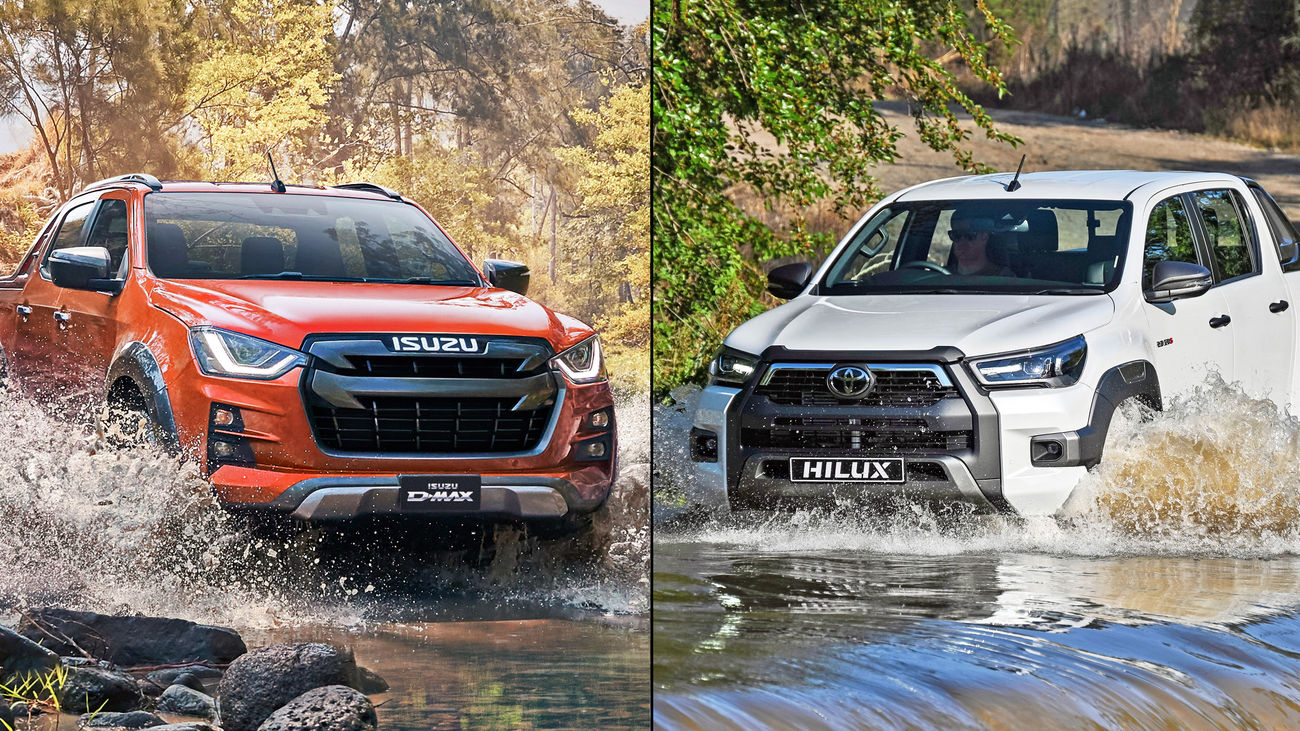
Well, no prizes for guessing the Prospecton-built Toyota Hilux was again out in front (just as it was in February 2023), with a considerable 3 920 units registered in South Africa during March 2023. Fascinatingly, however, the Struandale-produced Isuzu D-Max grabbed 2nd place with 2 289 units (500 of which represented sales to government), pushing the new Silverton-manufactured Ford Ranger (2 247 units) into a very close 3rd.

10 best-selling bakkies in South Africa for March 2023

1. Toyota Hilux – 3 920 units

2. Isuzu D-Max – 2 289 units

3. Ford Ranger – 2 247 units

4. Nissan NP200 – 1 404 units

5. Mahindra Pik Up – 966 units

6. Nissan Navara – 475 units

7. Toyota Land Cruiser 79 – 406 units

8. Volkswagen Amarok – 401 units

9. GWM P-Series – 372 units

10. GWM Steed – 118 units

 
Top
Sign up to the MyBroadband newsletter
X