The SA Vehicle Industry Thread

Microchip crisis: Intel to produce chips for manufacturers in 6-9 months

Currently, manufacturers across the globe have been struggling to source microchip semiconductors for their cars due to the shipping constrictions caused by the COVID-19 pandemic. This has resulted in massive backlogs at many production facilities. It has now been revealed that Intel will be stepping in to help alleviate the short supply but, it won’t be able to do so immediately.

Speaking to Reuters, Intel Corp chief executive officer Pat Gelsinger said the PC innovations firm has been talking to companies that design chips for automakers about manufacturing the required chips via Intel’s factory network. The goal is to produce chips within six to nine months.

Intel is one of the last companies in the industry that designs and manufactures its own chips. Last month, it announced that it would open its factories up to outside customers and build factories in the United States and Europe in a bid to counter the dominance of Asian chip manufacturers such as Taiwan Semiconductor Manufacturing and Samsung Electronics.

 
Ferrari to launch first EV in 2025

Supercar firm vows that its battery-powered machine will excite a new generation of fans

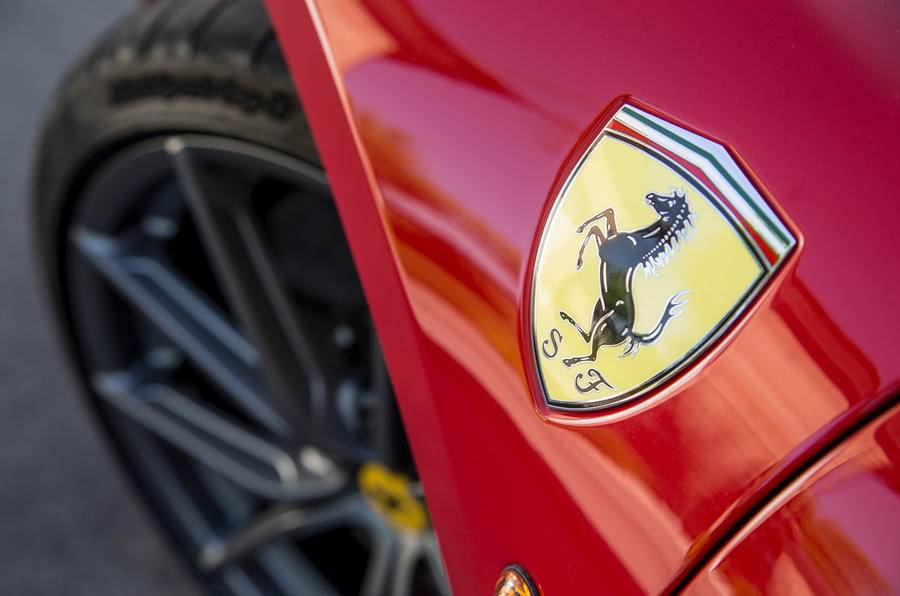
Ferrari will launch its first all-electric model in 2025, with company boss John Elkann promising the machine will “bring the uniqueness and passion” of the marque “to new generations”.

The supercar firm has been working on its first EV for some time, but has previously refused to commit to a launch date while it developed suitable technology.

But speaking during Ferrari’s annual general meeting, chairman Elkann said the firm plans to unveil the model in 2025. He added: “You can be sure this will be everything you dream the engineers and designers at Maranello can imagine for such a landmark in our history.”

He added that 2022 "will also be a year of important new product launches and particularly the Purosangue [Ferrari's first SUV], which is turning out to be something truly special."

 
Lamborghini breaks sales records: Celebrates best Q1 performance yet

Automobili Lamborghini has closed the books on its first quarter of this year with another record achieved. The Italian super sports car manufacturer delivered 2 422 cars from January to March this year, marking its best Q1 results in history.

The increase in sales was more than 25% over the same period last year and is 22% higher than the first quarter of 2019, which stands as the second best.

Automobili Lamborghini president and chief executive Stephan Winkelmann says the brand continues to respond to strong market demand with a growing appeal despite the ongoing market challenges and uncertainties.

“We have a very positive outlook ahead for this year, thanks to an order bank that has grown by 25% compared to the first quarter of 2020 and already covers nine months of production.

The Lamborghini super SUV, the Urus continues to be the most popular Lamborghini model in the world (1 382 units sold), followed by Huracán (753) and Aventador (287). Among the markets, the US, China and Germany have shown positive momentum at this early stage of the year.

 
Stock shortages to hamper South Africa’s vehicle market recovery

Although there are certain green shoots appearing in the South African vehicle market, the recovery looks set to be hampered by global stock shortages.

According to automotive retail giant Motus, new vehicle stock is still not freely available in South Africa and the premium segment remains tough, mainly due to stock mix.

“Consumers have an appetite for new vehicles, especially in the entry level, crossover and SUV segments and although we are seeing growth, we have not been able to convert all the interest into sales due to global new vehicle stock shortages,” said Motus Retail CEO Corné Venter.

Naamsa CEO Mikel Mabasa echoes these concerns, adding that structural constraints in the economy and growing debt are not helping the market.

“New vehicle sales in 2021 may be hampered by stock shortages of certain models in the coming months, caused by Covid-19 induced manufacturing supply chain disruptions, such as the current global shortage of semi-conductors, which are an important part of modern vehicles,” Mabasa said.

 
Jaguar Land Rover to halt production due to chips shortage

Output at two of Jaguar Land Rover's British car factories will be temporarily halted from Monday, due to Covid-19 supply chain disruption, including a lack of semi-conductors, the firm said on Thursday.

"We have adjusted production schedules for certain vehicles which means that our Castle Bromwich and Halewood manufacturing plants will be operating a limited period of non-production from Monday 26th April," the Tata Motors-owned company said.

The Covid-19 pandemic has driven up demand for semiconductor chips for use in electronics like computers, as people worked from home, and suppliers are struggling to adjust, hitting output at many carmakers. Trade flows have also been affected.

On Wednesday, automtive giant Stellantis said it would replace digital speedometers with more old-fashioned analogue ones in one of its Peugeot models, as the fallout continues.

Renault's finance chief said on Thursday that car production fell by tens of thousands of vehicles in the first quarter as a result of the shortage.

 
Honda hoping to go 100 percent electric by 2040

Honda is aiming to increase its ratio of electric vehicles and fuel cell vehicles to 100% of all sales by 2040, chief executive Toshihiro Mibe said on Friday.

Speaking at his first news conference since taking the helm of Japan's second-largest car company at the beginning of April, Mibe said the company supported the government's green goals.

"I believe it is the responsibility of an automaker to achieve our carbon-free goal on a 'tank-to-wheel' basis," Mibe said.

The company expects EVs and FCVs to account for 40% of sales by 2030 and 80% by 2035 in all major markets, including North America and China.

Honda's announcement of its electrification strategy comes after Prime Minister Yoshihide Suga vowed Japan would aim for a 46% cut in emissions by 2030 and look for ways to go even further, nearly doubling from its previous target.

 
Semiconductor shortage likely to cause production delays until 2022

The current microchip semiconductor shortage crisis is creating serious delays in production for many manufacturers. Daimler in particular announced that its shortage has hit deliveries in the first quarter this year and will further impact sales in the second quarter.

David Leggett, Automotive Analyst at GlobalData, a leading data and analytics company, claims that this shortage will affect automotive production well into 2022.

“Daimler’s warnings today are the latest in a long line of warnings and actions from vehicle companies being adversely impacted by shortages of semiconductor components. Without critical semiconductor components that govern multiple areas of vehicle functionality, vehicles are simply not able to be finished for sale,” Leggett says.

“The electronic content in modern vehicles is estimated to account for some 30 per cent of a bill of materials, with the prospect of that increasing to 50 per cent by 2030. As a result, automotive production is as reliant on computer chips as the consumer electronics industry.

“This problem will take some time to fix. Semiconductor wafer foundries are expensive facilities to build and lead times are long – six to nine months is the timeline commonly cited.

 
Renault gives up on diesel

Renault puts an end to dCi.

Renault is following the internal-combustion disinvestment trend, starting with diesel.

The company’s CEO, Luca de Meo, has confirmed that Renault is suspending its investment in any new diesel engines.

The result has been an offering of turbodiesel engines with strong performance and very good cruising economy, but none of this matters in a world of escalating emissions control.

Like many other European car companies, Renault no longer believes that there is a justifiable business case for diesel engine research and development.

As the targets for future emissions become impossibly strict, engineers are realizing the limits of their technical capabilities. And for Renault, that means no more diesel engine development.

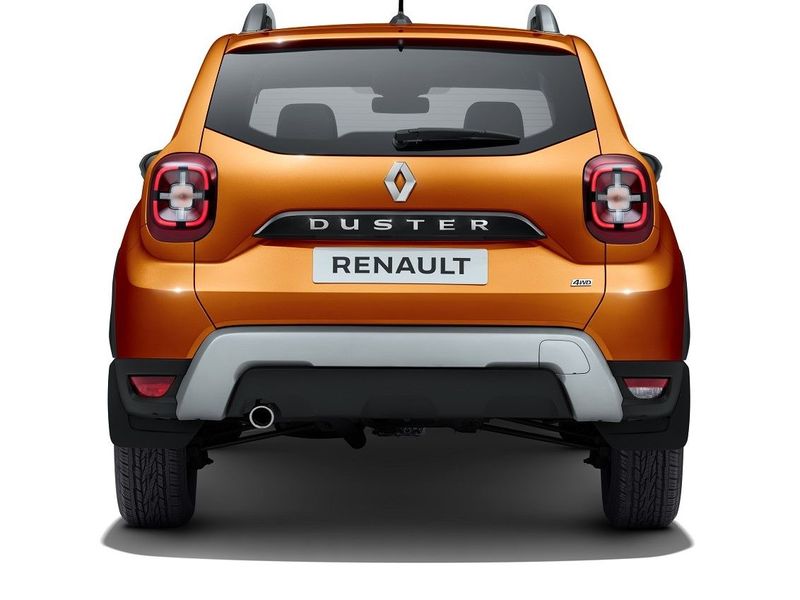
This is a shame, as the company’s 1.5-litre turbodiesel engine does excellent service in many markets, including South Africa. In the Renault Duster range, this 1.5 dCi is renowned for its nearly unbelievable fuel economy. The diesel engine won't immediately cease to exist, but there will not be any further improvements heading its way or a successor.

 
South Africa’s 10 best-selling vehicle brands: April 2021

April is a difficult sales month to put into perspective, but so far 2021 is turning out to be a better year for the automotive industry.

According to Naamsa, a total of 35 779 new vehicles were sold in South Africa last month, but it’s pointless comparing those numbers to April 2020 given that only 574 vehicles were sold during that first month of lockdown. For what it’s worth, April’s sales were 17,6 percent lower than in March 2021, although the configuration of the public holidays is likely the biggest factor in that downturn.

On a more positive note, South African vehicle sales for the first four months of 2021 are 28,3 percent above the same period last year.

The fact that Naamsa no longer lists individual vehicle sales in its monthly report means that for now we can only list the best selling brands overall.

Expectedly Toyota topped the charts with 8810 sales, while Volkswagen was second with a tally of 6017. Hyundai followed in a distant third place with 2632 sales, just ahead of Ford (2 471), Suzuki ( 2244) and Nissan (1 727).

BEST-SELLING VEHICLE BRANDS: FEBRUARY 2021

Toyota: 8 810 sales
Volkswagen: 6 017
Hyundai: 2 632
Ford: 2 471
Suzuki: 2 244
Nissan: 1 727
Isuzu: 1 638
Renault: 1 432
BMW: 1 199
Kia: 1 133

According to Naamsa, 88 percent of domestic vehicle sales took place through the dealer channels, while the vehicle rental industry accounted for 7,5 percent of sales, followed by government (2,4 percent) and corporates (2,1 percent).

 
New Car Sales in South Africa for April 2021

Due to the hard Covid-19 lockdown experienced in 2020, April 2021’s new car sales may appear rosy, but the automotive industry remains under considerable pressure…

Naamsa, the Automotive Business Council, today released new car sales figures for the month of April 2021. However, due to the lockdown in April 2020, drawing conclusions based on year-on-year data is pointless as the automotive industry was near-as-dead with only 574 new vehicles sold during April 2020.

In an effort to make any meaningful sense of the numbers, April 2021’s performance has been benchmarked against March 2020 data. As such, it’s clear that the automotive industry is still in the doldrums and recovery to pre-Covid levels will take at least another 3 years...

New Car Sales in South Africa: April 2021

- Aggregate new vehicle sales of 35 779 units down by 17.6% (-7 649 units) compared to March 2020.

- New passenger car sales of 22 911 units down by 13.9% (-3 688 units) compared to March 2020.

- New Light Commercial Vehicle (LCV) sales down by 24.3% (-3 485 units) compared to March 2020.

- Export sales of 26 522 down by 32.2% (-12 619 units) compared to March 2020.

 
Here’s what South Africa’s vehicle sales looked like in April 2021

“April new vehicle sales told an inspiring story of the South African motor industry’s resilience, while also providing a harsh reminder of the bleak outlook experienced a year ago,” says Lebogang Gaoaketse, the head of marketing and communication at WesBank Vehicle and Asset Finance.

With April 2020 sales essentially at a standstill as motor retailers were closed, the rejuvenated picture a year later, while reassuring, remains under pressure, he says.

According to the Automative Business Council (Naamsa), the new vehicle market grew 6.133.3% in April compared to April last year. However, the reality was a little more subdued when considering that April 2021’s 35 779 sales were 17.6% lower than last month – 7 649 units less than March.

“April sales are difficult to interpret within the context of lockdown,” Gaoaketse says. “On balance, April sales lost less against March than March sales had gained against February, meaning the market remains in its state of slow recovery. March sales had increased 18.4% over February.“

Here are South Africa’s Top 6 best-selling vehicles in April 2021

Passenger cars

1) Volkswagen Polo – 2 294 sold

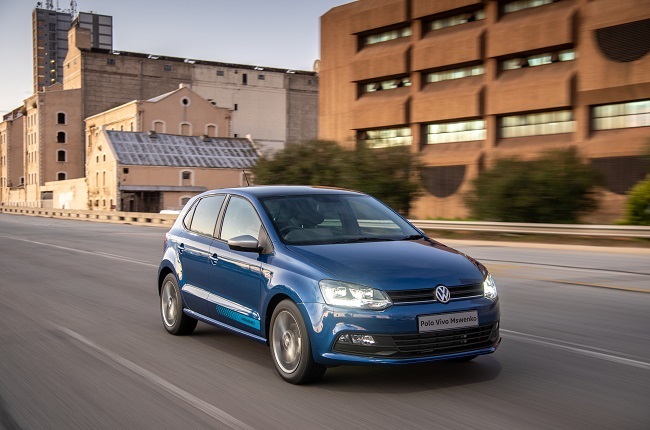
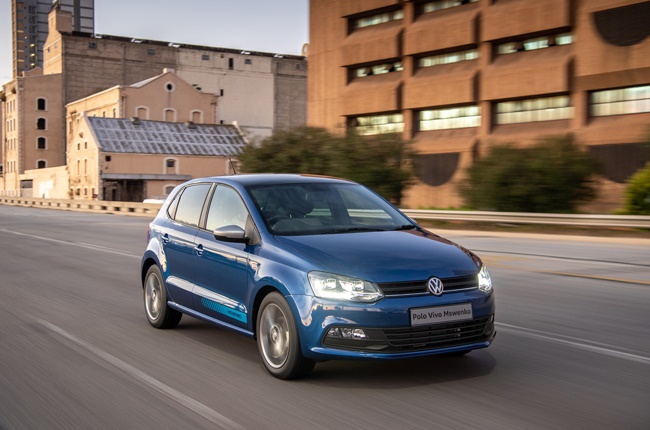
2) Volkswagen Polo Vivo – 1 849 sold

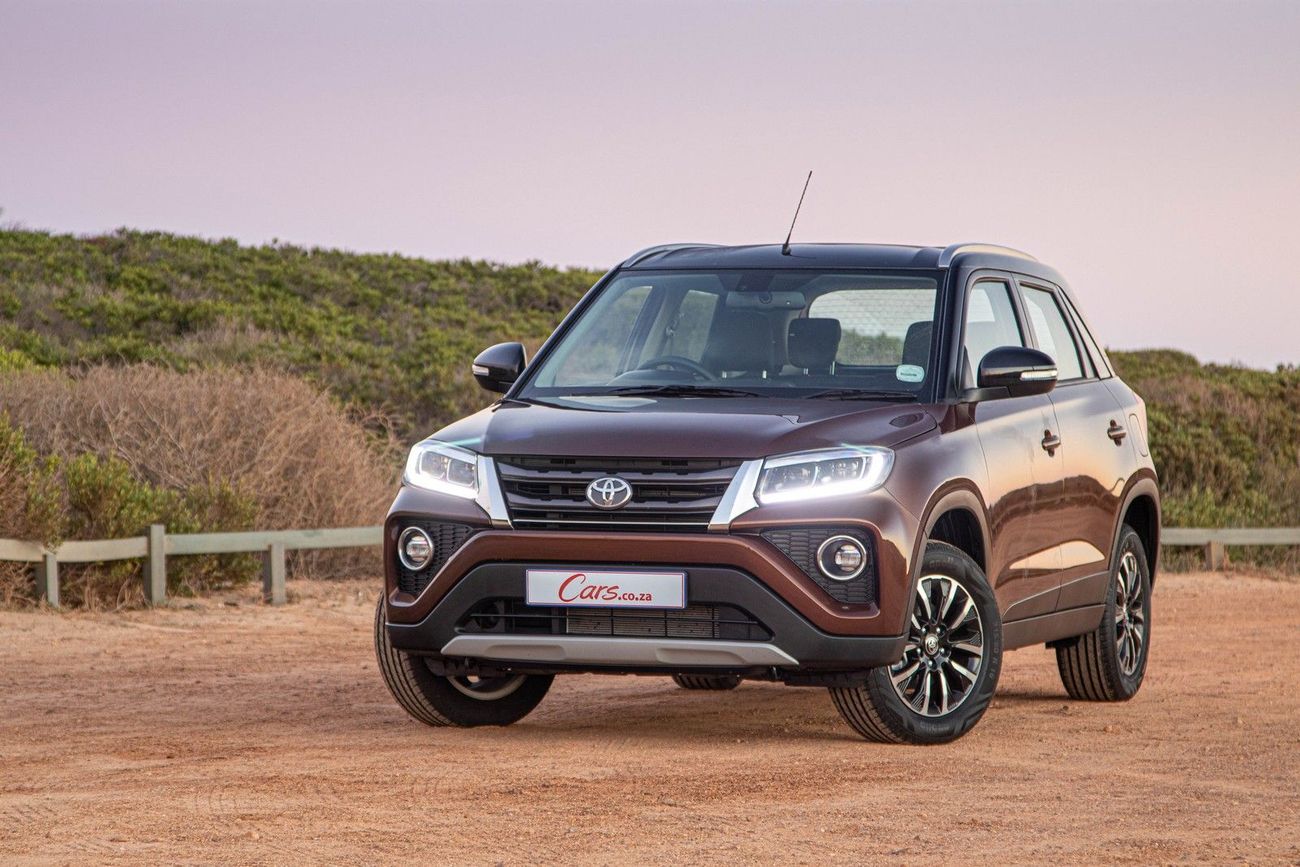
3) Toyota Urban Cruiser – 796 sold

Light Commercial Vehicles

1) Toyota Hilux – 3 163 sold

2) Ford Ranger – 1 705 sold

3) Isuzu D-Max – 1 402 sold


Snip.JPG
 
Stiff new car price increases indicate tougher times to come for South Africans

It’s bad news for prospective car buyers: new vehicle prices rose by almost three times the current inflation rate in the first quarter of the year, and is expected to continue to increase in the coming months.

At the same time, the prices of used vehicles increased in real terms for the first time since 2010, which suggests ongoing hardship for consumers and a motor industry struggling to recover from the financial effects of the Covid-19 pandemic.

MARGINALLY BETTER PERFORMANCE

According to the latest TransUnion SA Vehicle Pricing Index (VPI), total financial agreement volumes in the passenger vehicle market increased marginally (3%) in Q1 2021 over the same period in 2020, with new vehicle finance deals down 5% and used vehicles up by 7.4%.

At the same time, vehicle prices rose for a fourth successive quarter, with the VPI for new vehicles moving to 8.8% in Q1 2021 from 4% in Q1 2020.

The used vehicle VPI rose to 3.7%, from 1.4% a year ago.

The VPI measures the relationship between the increase in vehicle pricing for new and used vehicles from a basket of passenger vehicles which incorporates 15 top volume manufacturers.

The index is created using vehicle sales data from across the industry.

 
New car prices outpacing general inflation – TransUnion

South African new vehicle prices rose at nearly three times the general inflation rate during the first quarter of 2021. This is according to the latest Vehicle Pricing Index (VPI) that was released by TransUnion this week.

The first quarter VPI rose to 8.8 percent, versus 4.0 percent during the same period of 2020, although it is down from the 9.6 percent recorded in the fourth quarter of last year. Consumer Price Inflation (CPI) was recorded at 3.1 percent during Q1 2021.

“New vehicle price increases are above inflation and we expect this to increase further in the upcoming months,” TransUnion said.

However an upside is that purchasing power appears to be improving, with figures from financial institutions showing that more buyers are moving from the sub-R200 000 bracket into the R200 000 to R300 000 price range.

However, demand patterns are expected to continue shifting from new to used vehicles as prices rise in real terms. For the record the first quarter Vehicle Price Index for used vehicles stood at 3.7 percent, versus 1.4 percent a year earlier.

 
Car companies brace for a bumpy ride as chip shortage expected to intensify

Auto parts suppliers warned of more production cuts at major automakers as a global semiconductor chip shortage worsens before easing in the second half of the year and aiding in a partial recovery of lost sales.

The chip shortage came at an inopportune time for automakers as demand rebounded from pandemic lows due to low interest rates and consumers' preference for personal transport amid the health crisis.

"We've embedded a 3% reduction in industry production to factor in what we're anticipating and expecting as further announced downtime that hasn't been publicly announced at this point," Lear Corp Chief Financial Officer Jason Cardew said. "We have line of sight on a more meaningful reduction (in production) in the second quarter than IHS Markit and others are projecting."

Ford Motor Co, a major customer for Lear and peers including BorgWarner and Magna International, has said the chip shortage would halve its vehicle output in the second quarter.

 
Top
Sign up to the MyBroadband newsletter
X