The Toyota Supra Thread

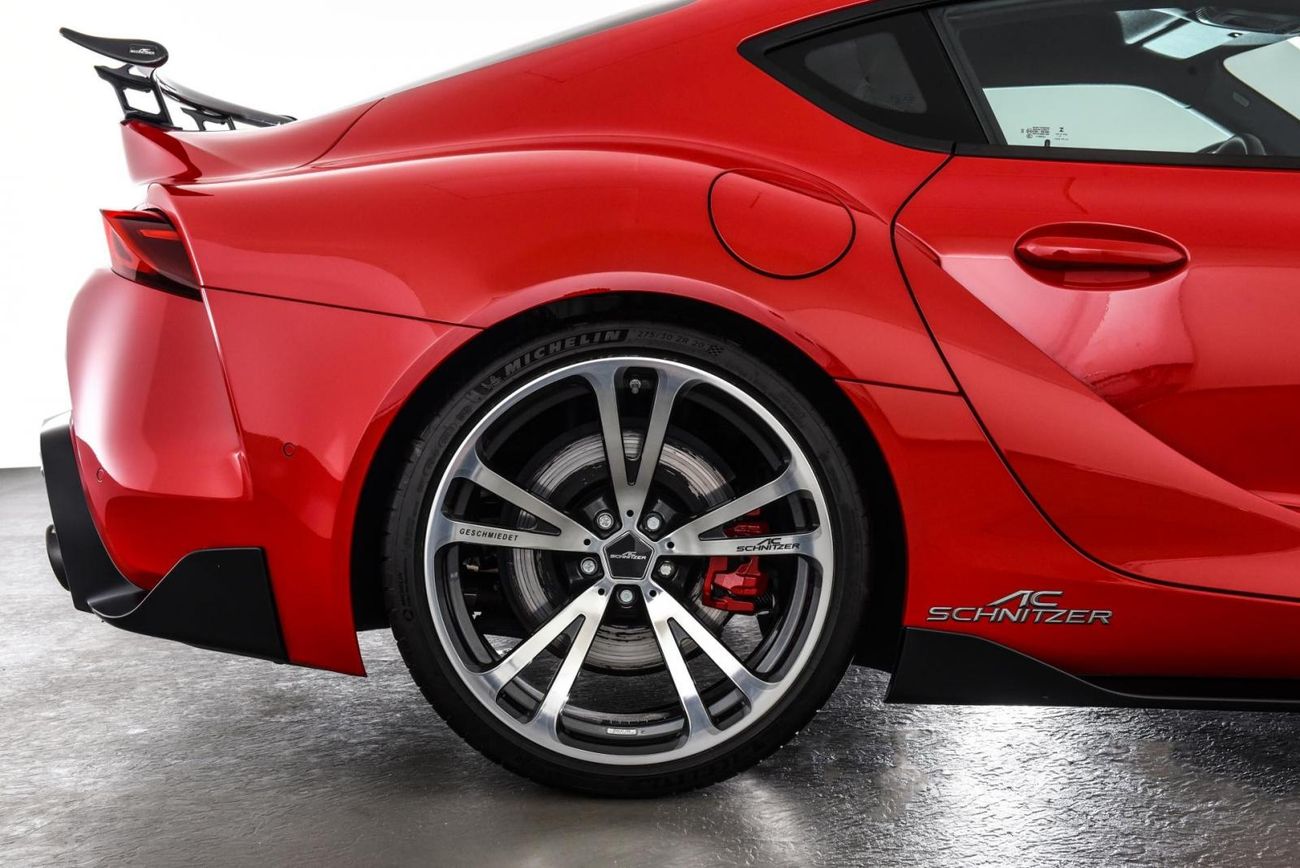
AC Schnitzer gives a boost to new Supra and Z4

The self-confessed petrolheads at AC Schnitzer normally spend their time tinkering with German cars, as they are a German tuning company after all. But given how closely related the new Toyota Supra is to the BMW Z4, the team simply could not resist getting up close and personal with the reincarnated version of Toyota’s iconic sports car.

Meet the Toyota GR Supra by AC Schnitzer.

Most importantly, it’s quicker than the standard model, with the tuner having developed a performance upgrade that raises the BMW six-cylinder turbo engine’s outputs to 294kW and 600Nm, up from the standard car’s 250kW and 500Nm. Best of all, for added peace of mind, AC Schnitzer offers a three-year warranty for the sub-assembly.

 
BMW Tuner Works on Toyota Supra

AC Schnitzer is a tuning house renowned for its work on BMW's products, but now it has turned its attention to the BMW-powered Toyota Supra. What?!

We've seen many BMW products fettled and enhanced by AC Schnitzer over the years, but in some bizarre news, AC Schnitzer has worked some magic on the Toyota Supra. Granted, the Supra has a BMW-sourced engine in it and AC Schnitzer will know exactly what to do with it, but it's still a bizarre event.

The modifications are extensive, with the engine, handling and visuals all been given the AC Schnitzer touch. First up, the engine where the 3.0-litre straight-6 turbocharged has been tuned from 250 kW/500 Nm to 294 kW and 600 Nm. There's no mention how AC Schnitzer has accomplished this, but we'd guess there's a reflash of the ECU's software as well as some work done to the plumbing. There's a sportier rear silencer, which looks good and will likely sound good too.

The chassis and suspension have also been tweaked with the addition of an RS coil-over setup which allows for height/rebound/compression adjustments so the customers can tweak to their heart's content. The new suspension setup means the AC Schnitzer Toyota Supra sits 2.5cm lower than standard, which in turn helps with the centre of gravity and cornering ability.

 
Toyota launches new heritage division with reproduced Supra parts

Japanese firm supports owners of older models with new line of high-quality aftermarket components

Toyota has launched a new GR Heritage Parts Project designed to support owners of its classic models with period-correct, high-quality aftermarket components.

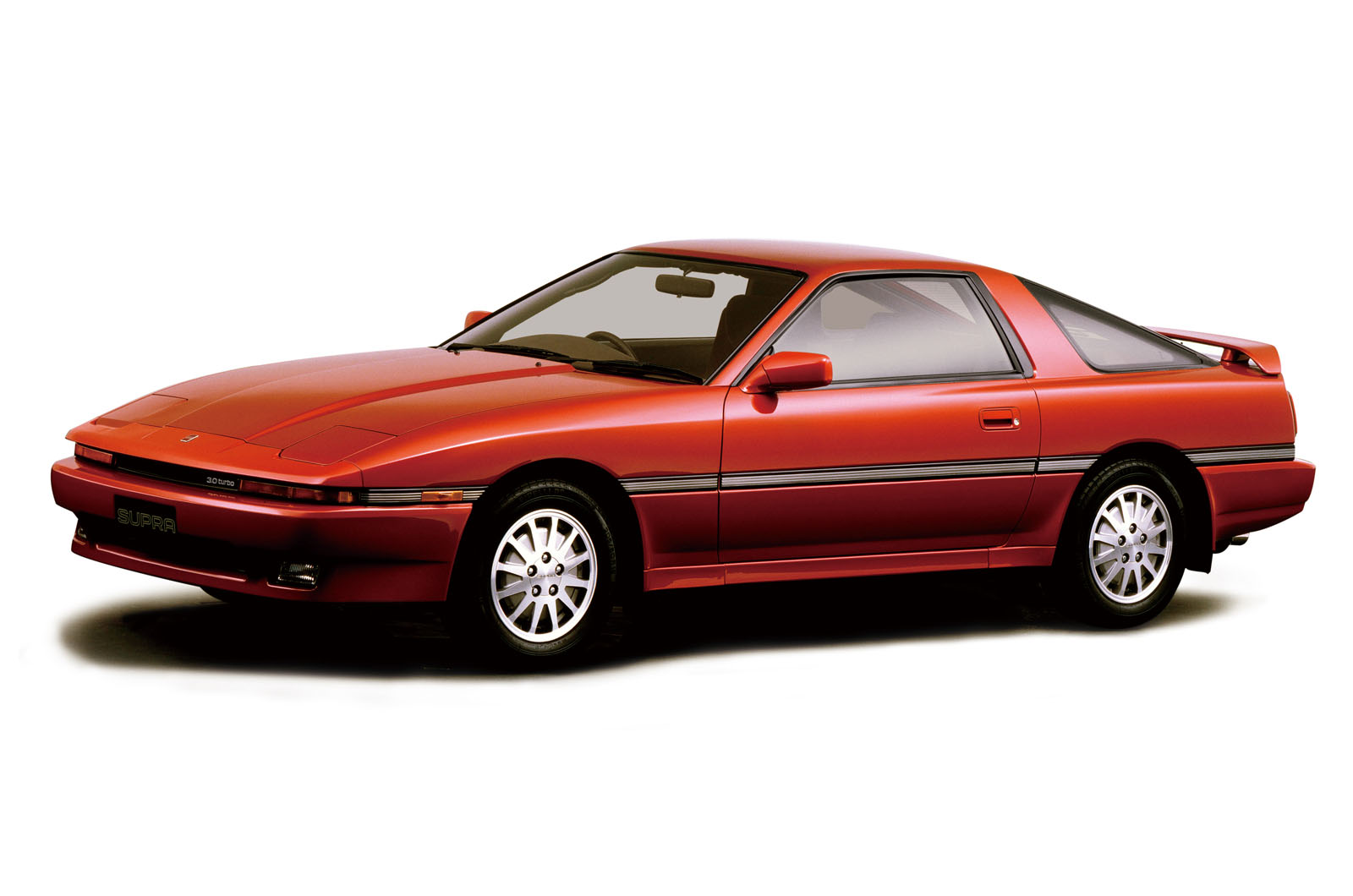
The project will initially produce parts for the iconic A70 Supra, produced from 1986-1993, and its A80 successor, which was on sale until 2002.

The components are available in Japan, North America and Europe, and can be ordered via a new Heritage tab on the firm’s Gazoo Racing website. The firm also says customers will be able to order heritage parts through main dealers, in the same way as parts for newer models.

The company says the products will differ slightly according to region, but parts now available for the A70 Supra include door handles, fuel sender gauges, weatherstrips, badging and propshafts. A80 Supra owners can purchase headlight clusters, door handles and brake boosters.


Supra 1.jpgSupra 2.jpg
 
Toyota Supra 2.0L Turbo

One year on from the world debut of the GR Supra at the 2019 North American International Auto Show in Detroit, Toyota announced details of the first extension of its sports car range with the introduction of a new 2.0-litre turbocharged engine.

Offered in addition to the established 3.0-litre, straight-six turbo unit, this new powerplant will deliver dynamic benefits as well as bringing GR Supra to a wider customer base.

The GR Supra, the first global model to be developed by TOYOTA GAZOO Racing, is a pure-bred sports car, with a front engine/rear-wheel drive configuration, compact, two-seater design and dimensions that achieve the "golden ratio" for optimum handling. The new 2.0-litre engine widens its market appeal and, being lighter and more compact than the 3.0-litre unit, improves the car's inertia characteristics and chassis balance for even sharper handling.

New 2.0-litre turbo engine

The new 2.0-litre engine is an in-line, four-cylinder unit fitted with a single twin-scroll turbocharger and coupled to an eight-speed ZF automatic transmission. It delivers genuine sports car performance and a rewarding experience for the driver: maximum power is 258 DIN hp/190 kW and peak torque output is a muscular 400 Nm, enabling acceleration from standstill to 100 km/h in just 5.2 seconds and a maximum (governed) speed of 250 km/h.

Exhaust CO2 emissions are 135 to 144 g/km (NEDC correlated figures), 156 to 172 g/km (WLTP data).

Dynamic benefits

The smaller size and reduced weight of the new engine bring specific dynamic benefits to the GR Supra. Where the entry-level model is concerned, the car tips the scales 100 kg lighter than its 3.0-litre counterpart. And because the engine is more compact, it is positioned closer to the centre of the vehicle, helping secure an ideal 50:50 front-rear weight balance.

This contributes to the car's responsiveness, agility and confidence-inspiring handling.

"To achieve agile steering and stable cornering, we worked very hard to reduce the new car's weight, while aiming for a 50:50 weight balance," said GR Supra Chief Engineer Tetsuya Tada. "This presented us with huge challenges, but we did not want to compromise on our targets."

Notably, the new 2.0-litre GR Supra achieves the same "golden ratio" for optimum handling performance, a quality defined by the ratio between the car's wheelbase and track dimensions. For all GR Supra models, this ratio is 1.55, within the ideal range.


Supra 2.0L Turbo 1.jpgSupra 2.0L Turbo 2.jpgSupra 2.0L Turbo 3.jpgSupra 2.0L Turbo 4.jpgSupra 2.0L Turbo 5.jpgSupra 2.0L Turbo 6.jpgSupra 2.0L Turbo 7.jpgSupra 2.0L Turbo 8.jpgSupra 2.0L Turbo 9.jpgSupra 2.0L Turbo 10.jpg
 
Even Toyota admits the new 2.0-litre Supra handles better than the faster one

New Supra gets BMW’s four-cyl turbo engine. Sheds 100kg. Less is more?

You wait decades for a new Toyota Supra, and then two come along at once. We’ve had the 3.0-litre straight-six turbo, and now there’s this. The Toyota GR Supra with 2.0-litre turbo 4-cyl power.

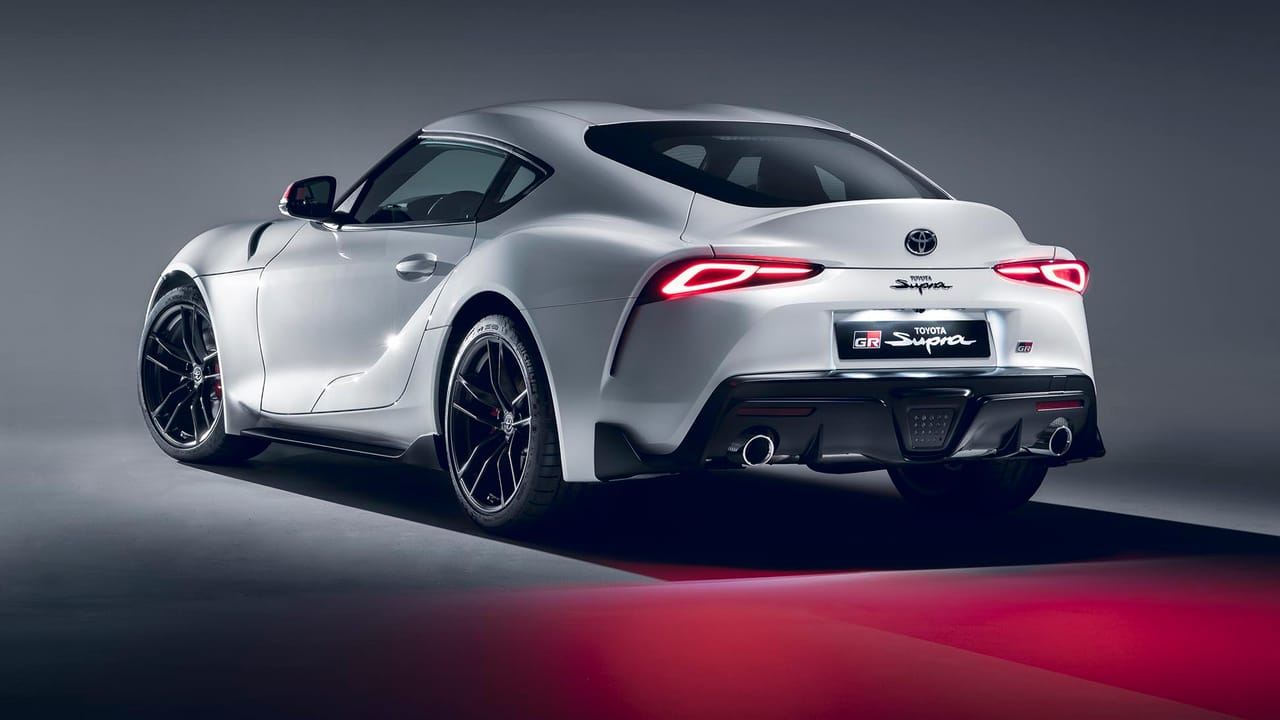
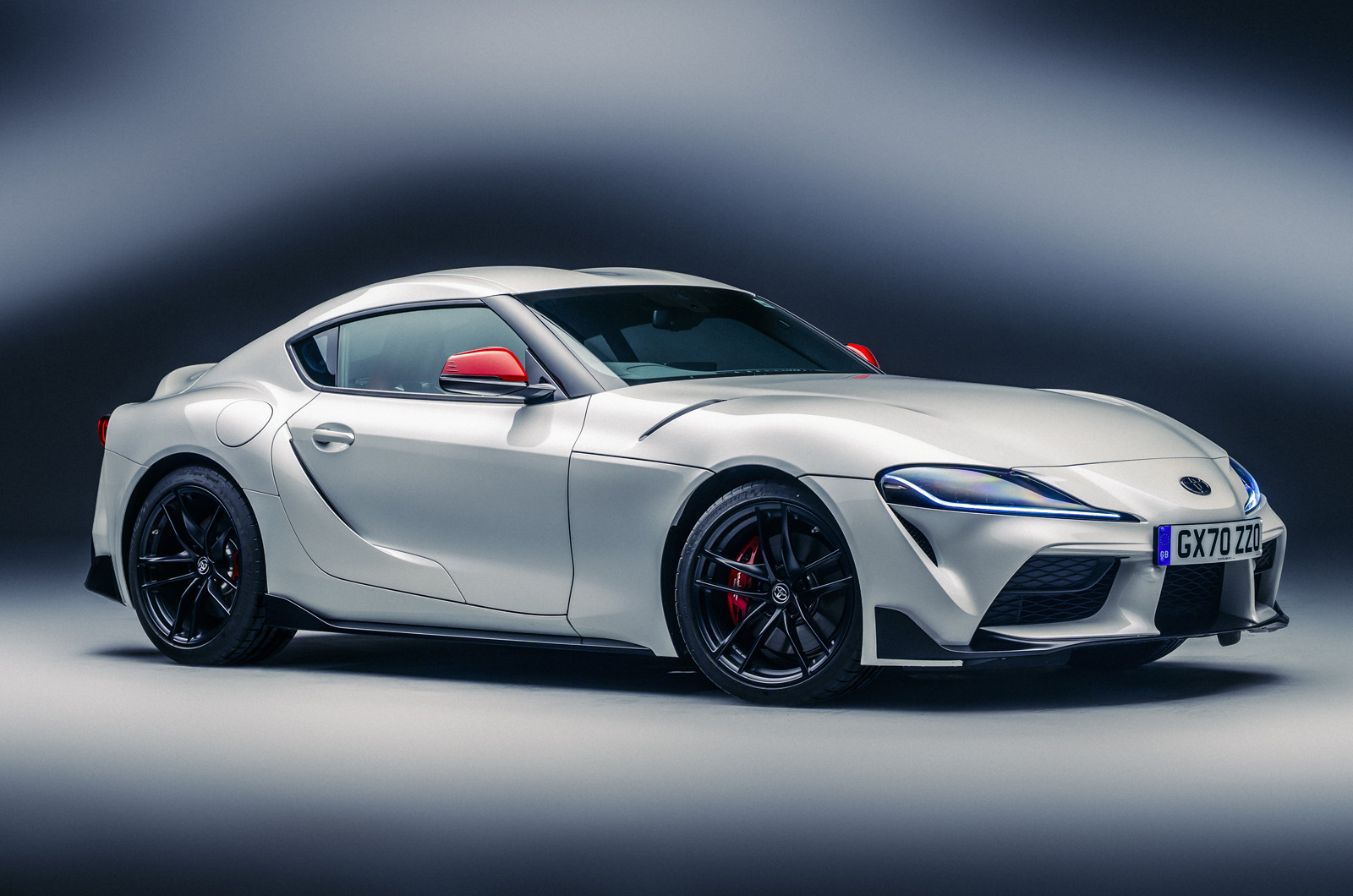
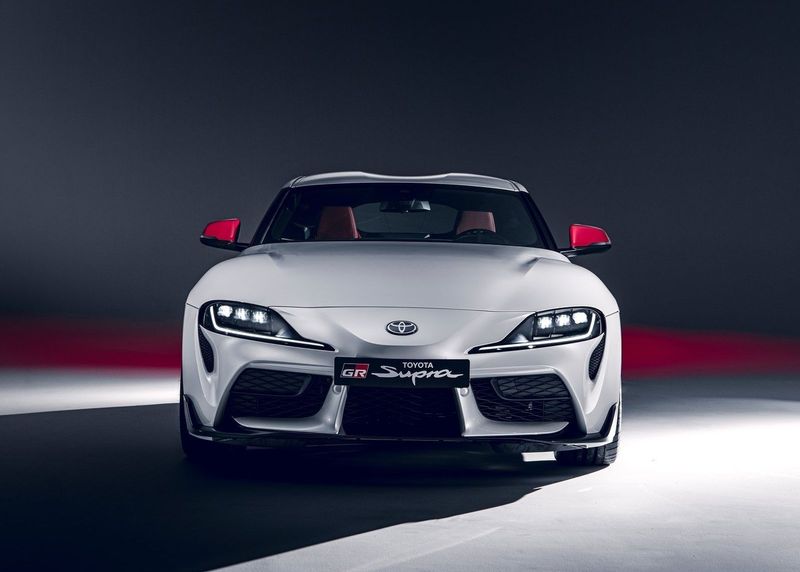
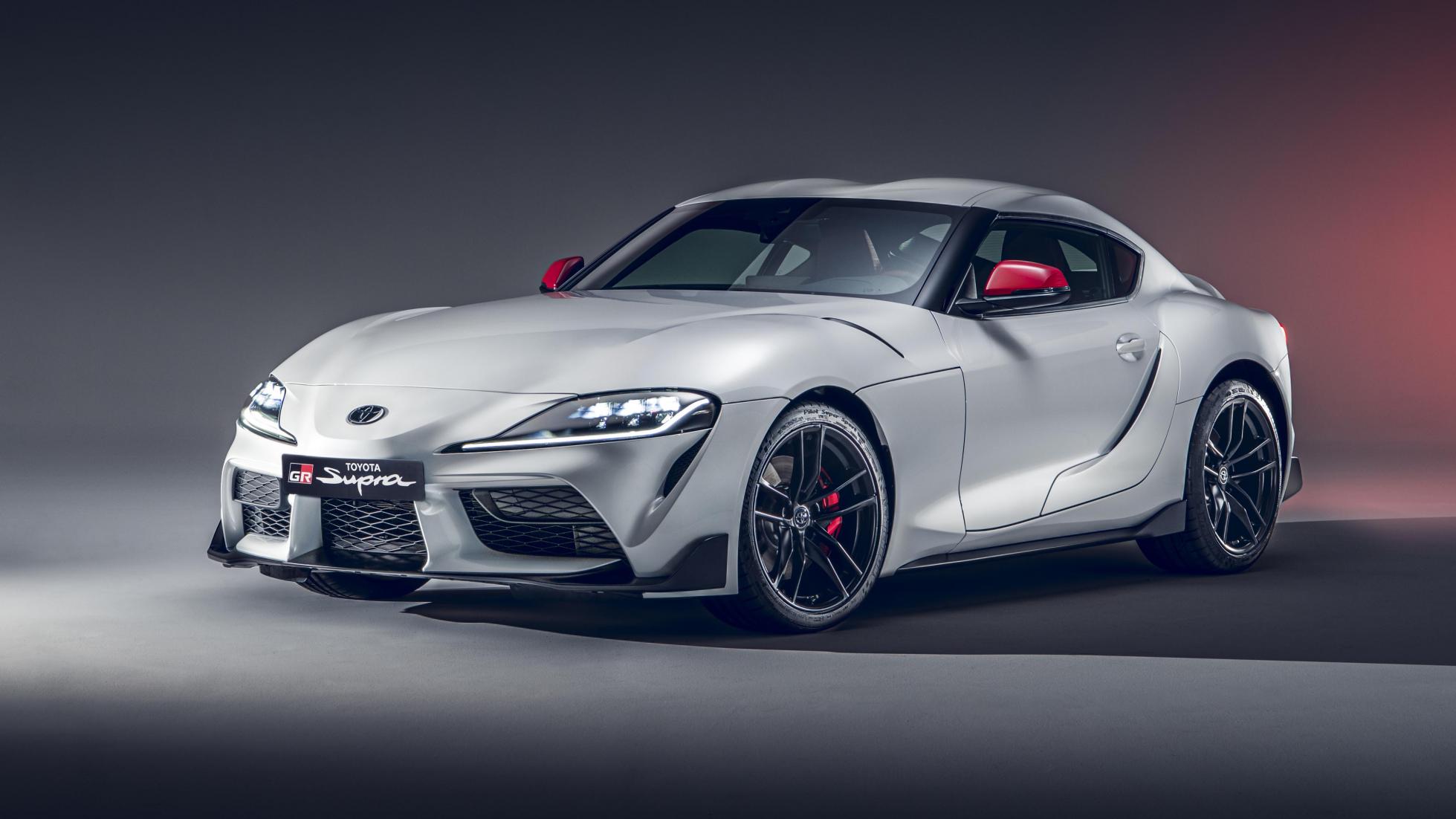
Don’t go looking for tell-tales on the outside. There aren’t any. Same exhausts, no ‘2.0’ badges. The Supra in the pictures is one of 200 ‘Fuji Speedway’ editions which upgrade the alloys up from 18-inchers to 19s and add more splashes of red and white than a Where’s Wally convention.

Instead, look under the bonnet. There, you find a 2.0-litre engine with a solitary turbo, delivering 254bhp and 295lb ft. That all still lands at the rear wheels alone via a standard-fit eight-speed automatic gearbox because – like the BMW Z4, which also has a choice of four or six cylinders – the Supra remains auto-only.

It’s quick enough, this My First Supra: you’ll go from 0-62mph in 5.2 seconds and top out at a limited 155mph. The Supra 3.0-litre shaves a massive 1.1sec from that 0-62mph sprint (it’s got 335bhp and 368lb ft), but hits the same 155mph buffers.

 
Toyota launches new entry-level 2.0-litre GR Supra in Europe

Turbocharged four-cylinder engine offers 258bhp and improved dynamics; no UK launch for now

Toyota will bring a new entry-level variant of its GR Supra sports car to Europe, powered by a 258bhp four-cylinder engine.

Like the 3.0-litre straight six already offered in the Supra, the new turbocharged 2.0-litre motor is taken from BMW’s sports car engine line-up. It sends 255bhp and 295lb ft to the rear wheels through an eight-speed ZF automatic gearbox, while emitting between 156 and 172g/km of CO2.

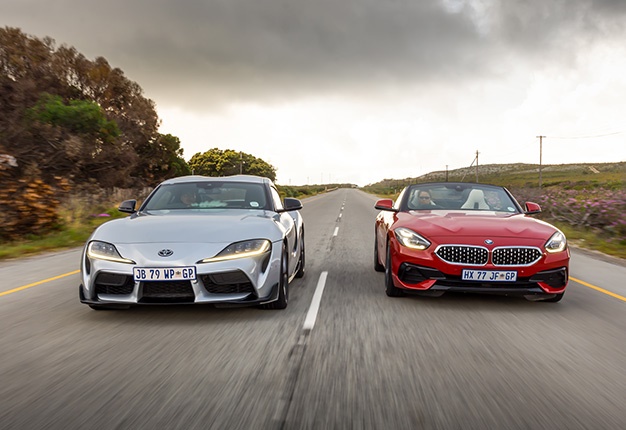
Despite the 80bhp power deficit compared with the 3.0-litre model, the 2.0-litre Supra’s 0-62mph time is just 0.8sec slower at 5.2sec, and it can be expected to match the 149mph top speed of the BMW Z4 sDrive30i, which uses the same engine.

Toyota says the new engine is more compact and 100kg lighter than the 3.0-litre unit, so it can be mounted further towards the middle of the car for 50/50 weight distribution. This, it is claimed, “improves the car’s inertia characteristics and chassis balance for even sharper handling”.

 
Toyota Reveals Baby Supra

Almost a year after its reveal, Toyota has announced details around its 2.0-litre Supra.

While we'd happily fork out the cash for a Toyota Supra with its BMW-sourced 3.0-litre straight-6 turbo motor, there were rumours floating around that there'd be other engines for the Supra and we were interested.

The new mill is a 2.0-litre turbocharged 4-cylinder motor developing a reasonable 190 kW and 400 Nm. Power goes to the rear axle via an 8-speed ZF-sourced automatic and 0-100 kph is dispatched in a claimed 5.2 seconds, with a limited top speed of 250 kph. Not bad, on paper at least.

Here's where things get interesting as Toyota is claiming this model is 100 kg lighter than the 3.0 and due to the engine's positioning closer to the centre, helps secure the fabled 50:50 weight balance. So while this 2.0-litre Supra may not be as fast as its bigger brother, it should be an absolute joy to drive, exactly what this car is all about. "To achieve agile steering and stable cornering, we worked very hard to reduce the new car's weight, while aiming for a 50:50 weight balance," said GR Supra Chief Engineer Tetsuya Tada. "This presented us with huge challenges, but we did not want to compromise on our targets." The best part? Visually, it's identical to the bigger-engined version.

What you see here is the Fuji Speedway edition and there'll be just 200 units earmarked for European customers. It features this shimmering white finish, with contrasting 19-inch matt back alloy wheels and red door mirror housings. Toyota says that since the 5th generation Supra's debut, over 1 150 units have been sold in Europe. SA sales have been small, with just 4 sold over the December 2019 period.

 
New four-cylinder Toyota Supra detailed (but ‘no plans’ for SA launch)

Toyota has confirmed a four-cylinder Supra for Europe but the firm’s local arm says there are “no plans” to bring the new base model to South Africa.

The new entry-level Supra draws its urge from a (BMW-sourced) turbocharged 2,0-litre, four-cylinder petrol engine rather than the 3,0-litre straight-six used by the flagship variant.

Interestingly, the Japanese brand says the new powerplant – which generates 190 kW and 400 N.m (just like the unit in BMW’s Z4 sDrive30i offered in some markets) – will “deliver dynamic benefits” while also exposing the GR Supra to a “wider customer base”.

Toyota says since the four-pot is “lighter and more compact” than the six-cylinder engine, the Supra’s “inertia characteristics and chassis balance” are improved, resulting in “even sharper handling”. Indeed, the company claims the entry-level Supra is some 100 kg lighter than its 3,0-litre sibling.

The 2,0-litre engine features a single twin-scroll turbocharger and is mated to an eight-speed ZF automatic transmission as standard. The sprint from standstill to 100 km/h takes a claimed 5,2 seconds while top speed is electronically limited to 250 km/h.

Toyota South Africa Motors tells CARmag.co.za there are “no plans” to offer the new 2,0-litre variant in SA, saying it believes the 3,0-litre model “suits the local market best”.

 
Toyota Admits The 2.0-Litre Supra Handles Better Than 3.0-Litre Version

Toyota decided to reveal not one but two new Supra variants with different sized powerplants.

We have seen and tested the 3.0-litre straight-six turbo variant and now the four-cylinder 2.0-litre turbo is available*.

This new powerplant produces 254 hp (190 kW) and 400 Nm which will get the little sports car to 100 km/h in 5.2 seconds and run to a limited top speed of 250 km/h. The 3.0-litre version completes the same sprint 1.1 seconds faster but will also hit the top speed limit at 250 km/h.

 
Promoted | Toyota GAZOO RACING: the road to Monte Carlo

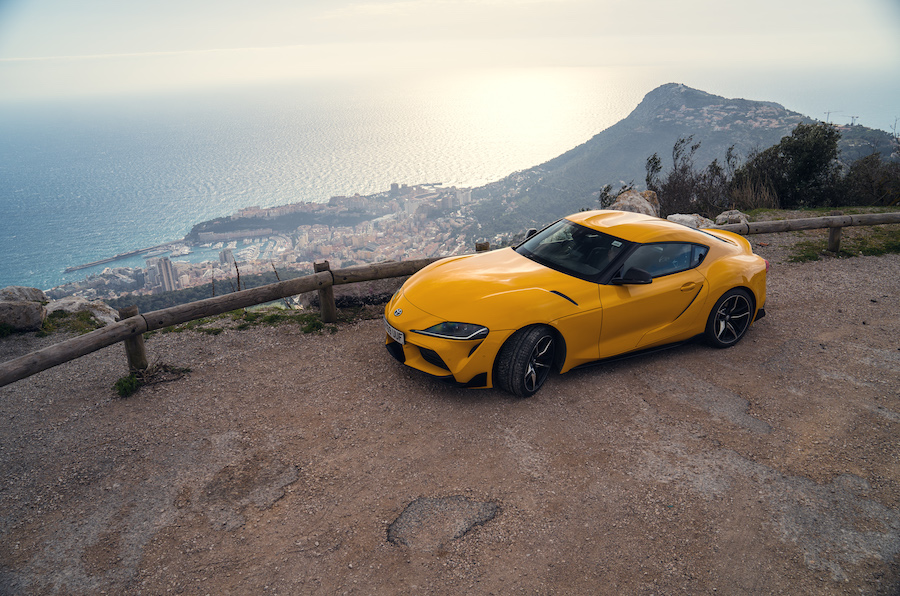
Join us in the Toyota GR Supra as we drive across Europe to Rallye Monte Carlo, in order to find out all about Toyota’s new performance brand


Supra 1.jpgSupra 2.jpgSupra 3.jpgSupra 4.jpgSupra 5.jpg
 
Top
Sign up to the MyBroadband newsletter
X