Clearly, Johnson and Cummings want to move quickly. As we’ve seen over the last three years, Parliament is quite capable of permanent drift, with no majority for any decision bar delaying a decision. Allowing Remainers to continue leisurely plotting until a second referendum could be held would have been fatal to the Conservative party. Therefore, Downing Street came up with a two-stage process to force the pace. First, there was the insistence of leaving on the 31st October, “do or die”. This prompted some more leisurely plotting by the Remainers, confident that a no-deal Brexit could be stopped by Parliament despite Boris’ bluster. This group was then promptly thrown into disarray by the move to prorogue Parliament, the equivalent of issuing a “put up or shut up” challenge to opponents who were capable of neither.
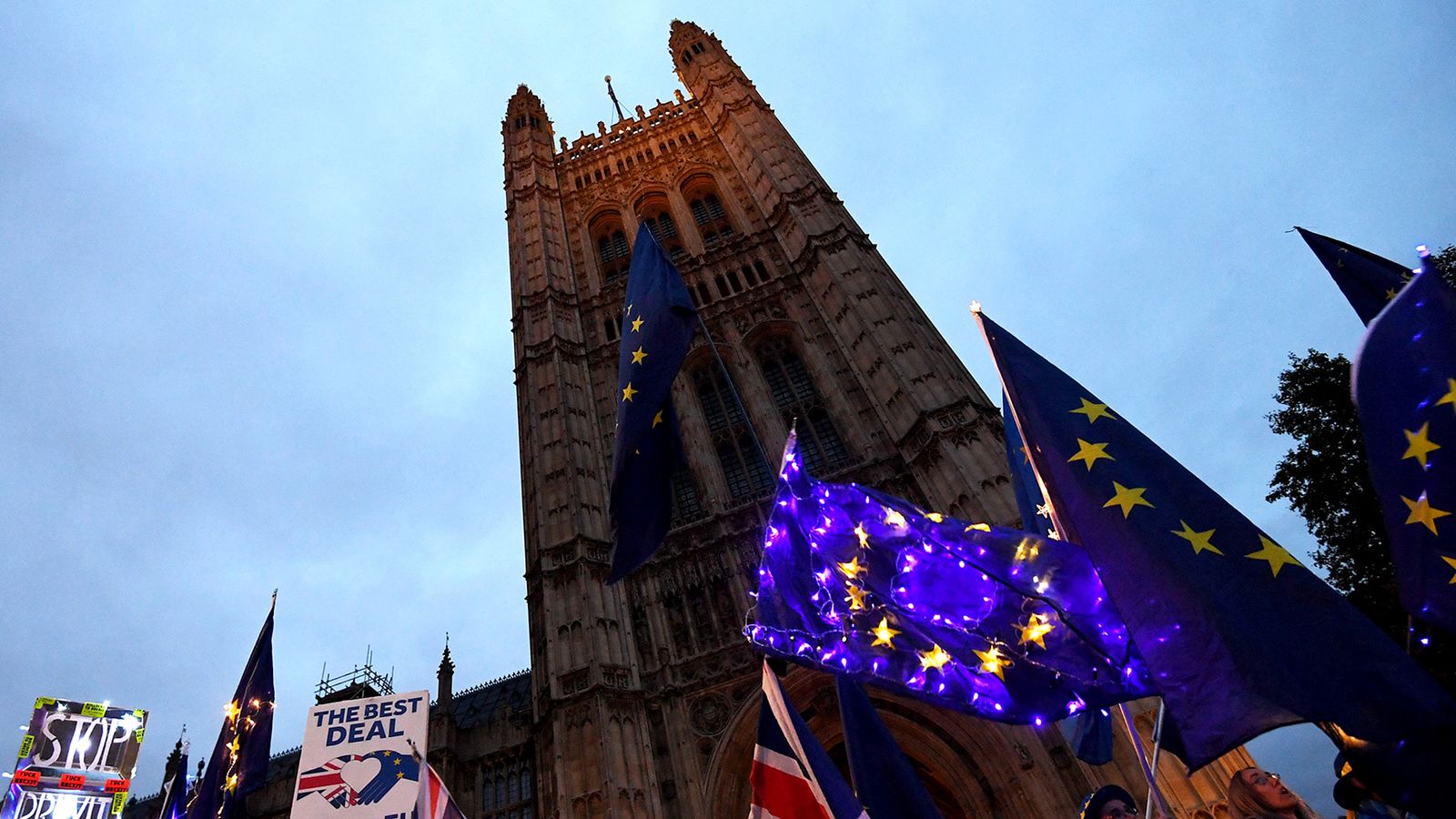
Instead, various opponents of no-deal started taking actions quickly and predictably. From a Brexiteer standpoint, all the right people were furious. There were street protests, inflated rhetoric about a “coup”, angry MPs on television and no fewer than three separate court cases brought (had they been right, surely one would have been enough). But in fact, the prorogation made little practical difference. Parliament was able to push through legislation that prevented a no deal Brexit and then declined to have an election – some coup! But the result was that all the people desperate to stop Brexit voluntarily went on 24-hour news channels for a week in order to broadcast that fact. Under observation, Labour’s Schrodinger’s Cat-like Brexit position is now close to collapsing into a solid Remain position.
Johnson will be denied an October election, though. Faced with being required by law to request an extension from Brussels, it is more likely that he would resign as Prime Minister. Were he to do so, it would make sense to wait until after the party conference season. There’s no reason to take the risk (no matter how slender) of allowing Jeremy Corbyn to hold a conference in the position of acting Prime Minister. He would also have the chance of holding his Queen’s Speech on the 14th October. Were he to resign as PM shortly afterwards, just prior to the EU Council on the 17th October, that would leave just a few days for an acting government (of national disunity) to be formed and to seek an extension from the EU. Opponents in a hurry are more likely to make a mistake. For example, in extremis, it might turn out that Jo Swinson is prepared to back Jeremy Corbyn as a caretaker PM despite her protests otherwise. How will that play in Tory/Lib Dem marginals?
So, while a PM having to resign would normally seem like an ignominious defeat, it would allow the Conservatives the opportunity of campaigning as the insurgent Brexit-focused opposition to what would be a poorly stitched-together Remain-focused government, the constituent parts of which would all be campaigning independently and fighting like rats in a sack about who gets to be the person that triumphantly leads the UK back into the EU. In such circumstances, it is possible that Johnson could be returned as Prime Minister with a chunky majority.
That might seem far-fetched, but consider this – has anything happened last week or this week to harm Boris Johnson’s chances in a “People vs Parliament” General Election? Has anyone behaved radically differently to how might have been predicted beforehand? Arguably Corbyn’s refusal to go for an election was a surprise, but it hardly harms Johnson’s cause.
Most significantly, have Boris’s chances of delivering Brexit on the 31st October changed? Not if you believe that the chance of him doing so was always effectively zero. However, voters will have heard his clear desire to do so and they have subsequently witnessed him being blocked by Parliament. It was always going to be near impossible to get either a deal or no-deal through this parliament, but he needed the obstacles to doing so to be formalised and his opponents have duly obliged. Having until the end of January to negotiate Brexit will probably be quite useful as well.
Of course, we don’t yet know how this will play out. It could still go catastrophically wrong for Boris. But if he returns in triumph as Prime Minister then it will be because Dominic Cummings was right and the task of delivering Brexit was, in fact, rocket science.