FiestaST
Honorary Master
Is Isuzu’s 6-cylinder turbodiesel hiding in plain view?
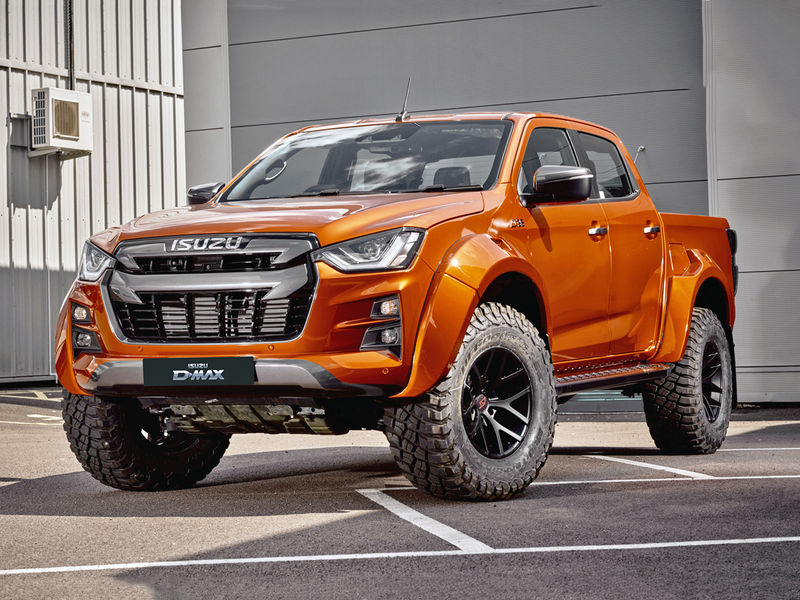
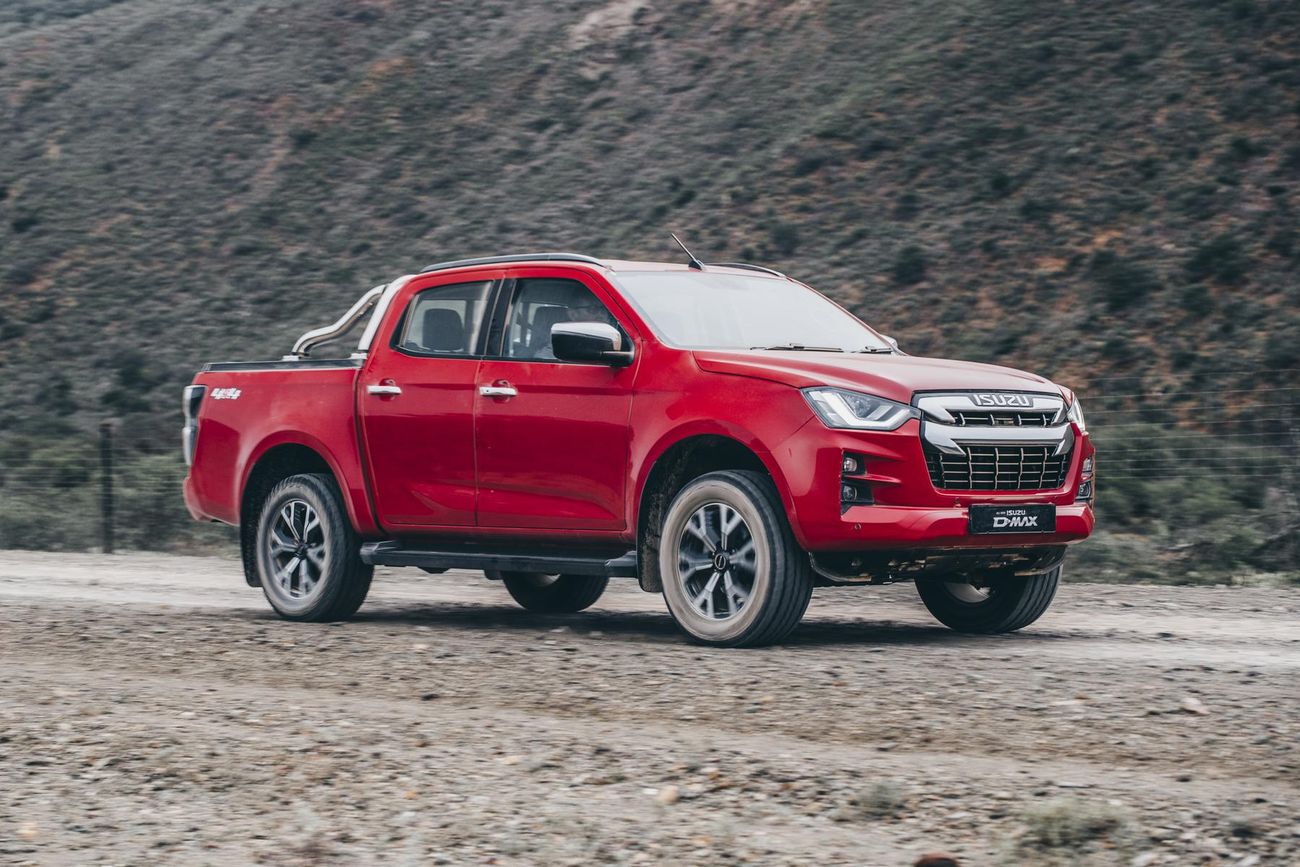
Few automotive brands are quite as committed to diesel powerplants as Isuzu, but the brand lacks a 6-cylinder engine to compete with those of its rivals’ flagship bakkies. However, an Isuzu D-Max with a 6-cylinder mill might well happen – thanks to Mazda.
Japanese automotive manufacturers are uncommonly good at engine innovation. They might not always make engines that produce the best specific power outputs (something German brands have been obsessed with), but never underestimate Japanese powertrain development or engineering ingenuity.
Examples? There are so many. Think of the durability of Japanese engines in legendary off-road vehicles such as the Toyota Land Cruiser and Nissan Patrol. And the Lexus LF-A’s joint-venture Toyota/Yamaha 4.8-litre V10, arguably the most significant naturally-aspirated engine this century.
The Japanese car brands produce astoundingly good tiny engines too. When Ferrari was trumpeting its F355’s amazing 5-valve per cylinder technology in the mid-1990s, Toyota democratised it with the 20-valve 4A-GE 1.6-litre engines in the Corolla RSi and RXi – again, thanks to Yamaha.
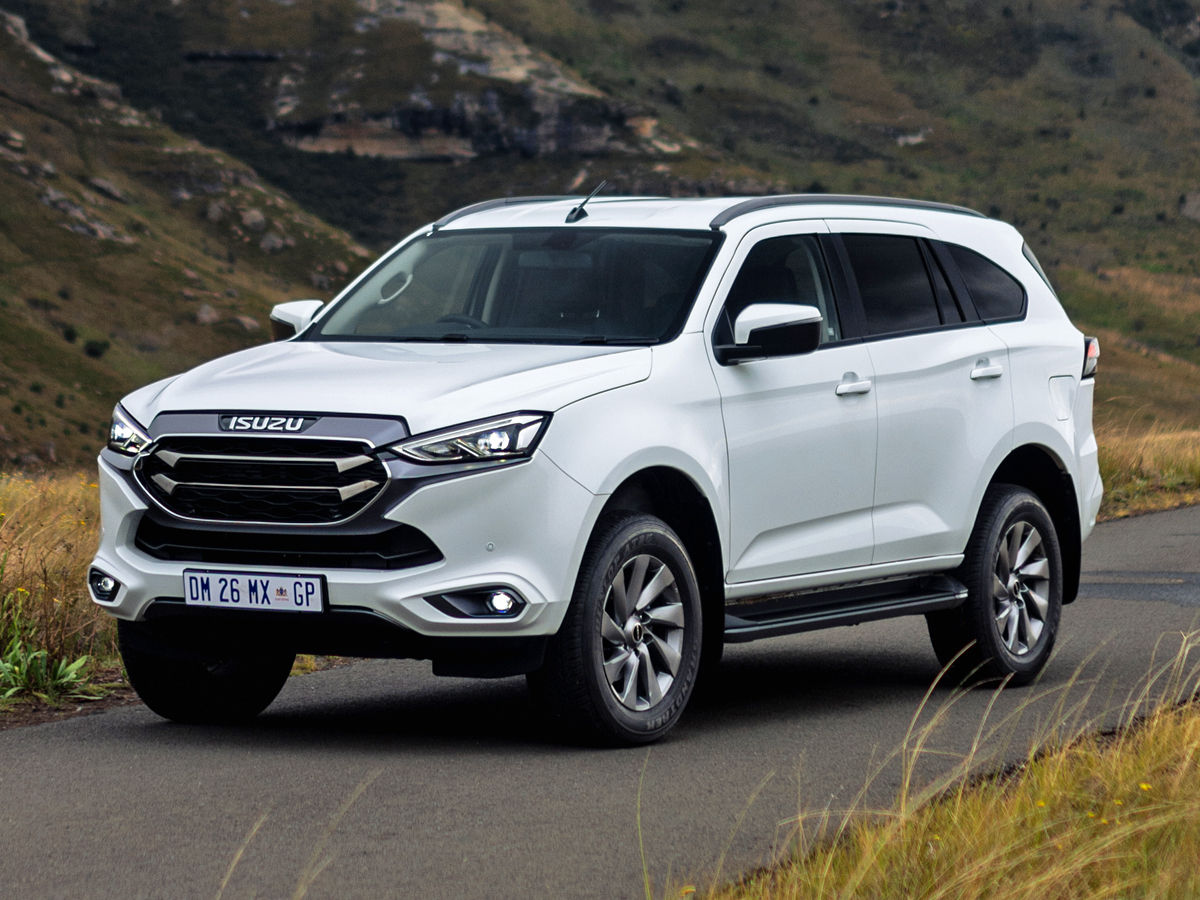
Indeed, Japanese engineers are great at designing daring powertrains. Isuzu, however, is rather different to its peers: its global product range consists of bakkies and associated ladder-frame platform SUVs that are powered by workhorse turbodiesel engines. By virtue of its position, Isuzu faces a unique challenge.
In theory, if you believe government regulators and futurists, diesel will not be around as a vehicle powertrain option for much longer. That’s bad news for Isuzu, isn’t it?
 www.cars.co.za
Few automotive brands are quite as committed to diesel powerplants as Isuzu, but the brand lacks a 6-cylinder engine to compete with those of its rivals’ flagship bakkies. However, an Isuzu D-Max with a 6-cylinder mill might well happen – thanks to Mazda.
Japanese automotive manufacturers are uncommonly good at engine innovation. They might not always make engines that produce the best specific power outputs (something German brands have been obsessed with), but never underestimate Japanese powertrain development or engineering ingenuity.
Examples? There are so many. Think of the durability of Japanese engines in legendary off-road vehicles such as the Toyota Land Cruiser and Nissan Patrol. And the Lexus LF-A’s joint-venture Toyota/Yamaha 4.8-litre V10, arguably the most significant naturally-aspirated engine this century.
The Japanese car brands produce astoundingly good tiny engines too. When Ferrari was trumpeting its F355’s amazing 5-valve per cylinder technology in the mid-1990s, Toyota democratised it with the 20-valve 4A-GE 1.6-litre engines in the Corolla RSi and RXi – again, thanks to Yamaha.
Indeed, Japanese engineers are great at designing daring powertrains. Isuzu, however, is rather different to its peers: its global product range consists of bakkies and associated ladder-frame platform SUVs that are powered by workhorse turbodiesel engines. By virtue of its position, Isuzu faces a unique challenge.
In theory, if you believe government regulators and futurists, diesel will not be around as a vehicle powertrain option for much longer. That’s bad news for Isuzu, isn’t it?
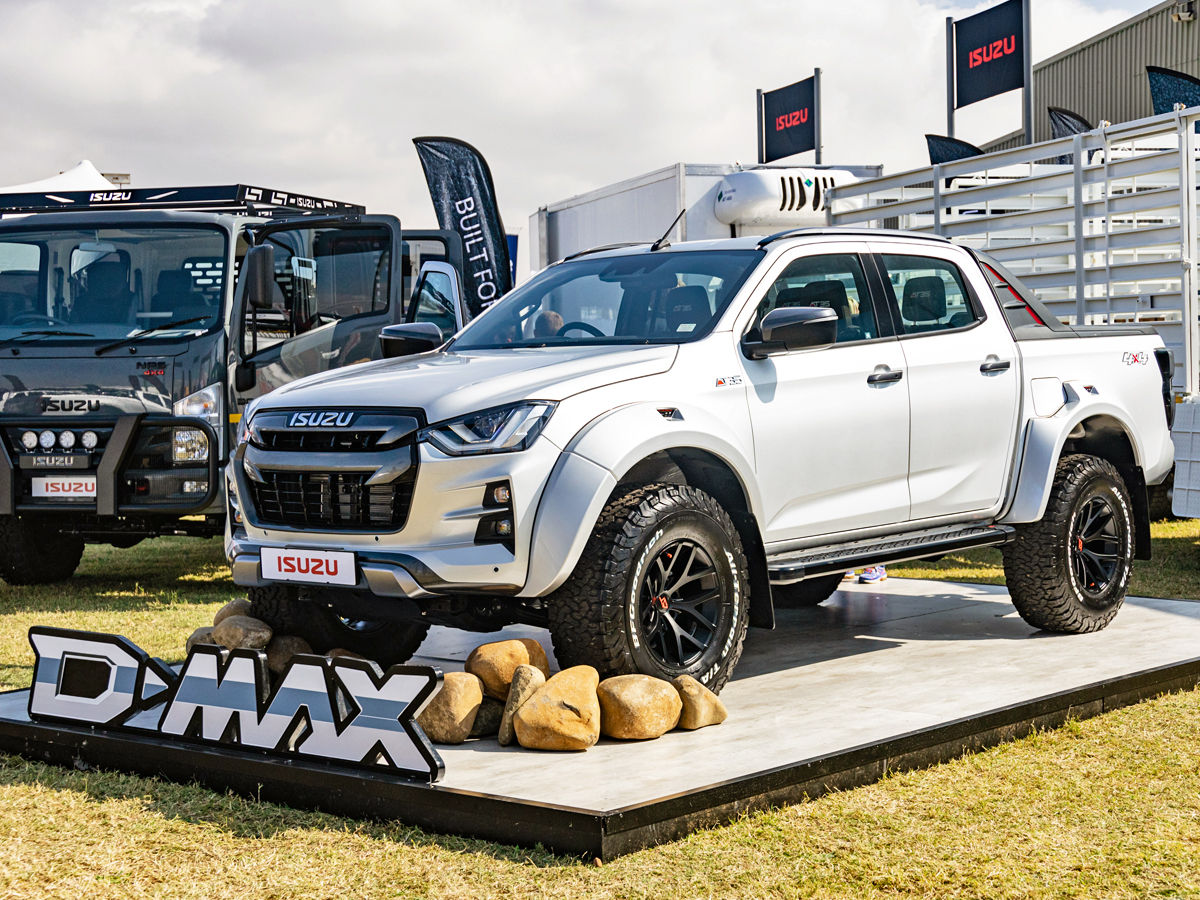
Isuzu bakkies need six-cylinder diesel power. But where will it come from?
Isuzu must give D-Max more power, to compete with its V6 turbodiesel rivals. But funding new diesel R&D is tricky.