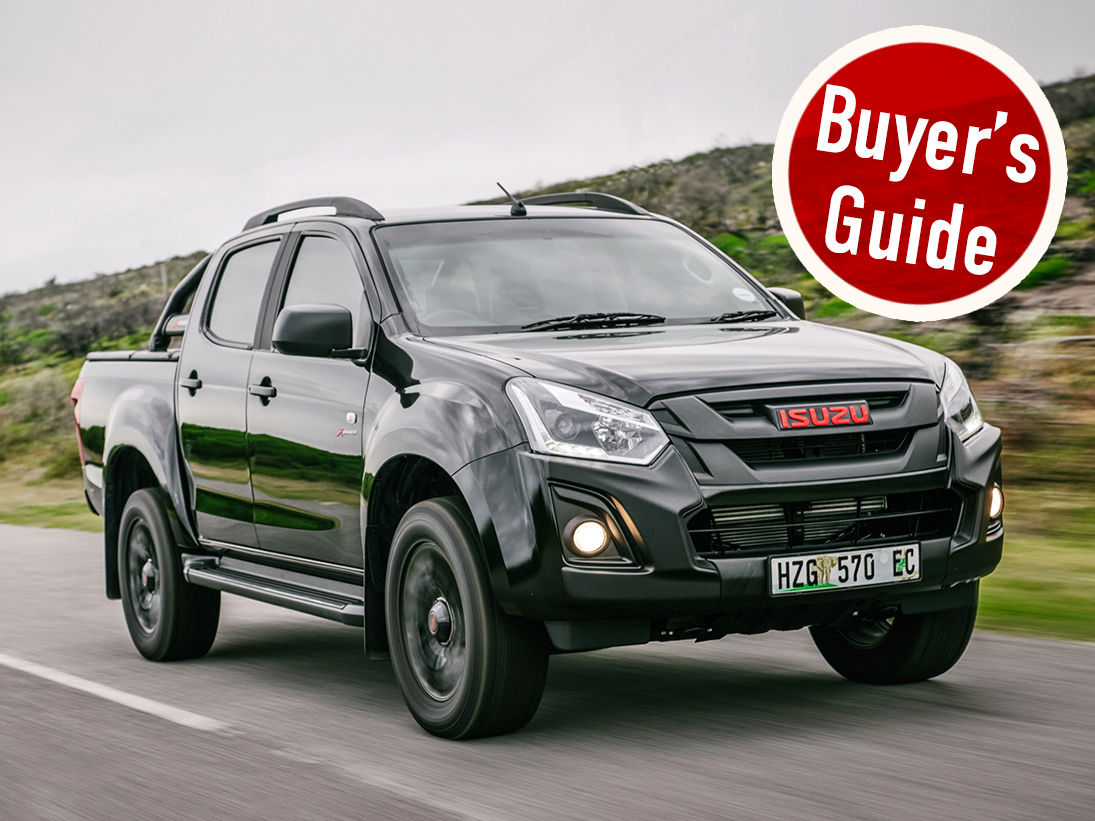
Isuzu KB and D-Max (2013-2021) Buyer’s Guide
Verdict
It’s important to reiterate here that Isuzu’s RT-generation model – even in its later guises – doesn’t stand out in the leisure bakkie crowd. It simply lacks the sophistication and refinement of many of its rivals, instead majoring in practicality over luxury, for the most part.
That said, if you’re the type of bakkie owner whose vehicle is expected to work hard
and play hard, the Isuzu starts to make sense as something of a middle ground. Though the engines are all rather coarse, the trade-off is virtually bulletproof reliability (when properly maintained, of course). And while the cabin is by no means the last word in luxury and technology, it’s certainly hardwearing and space in the rear of the double cab is appreciable.
Naturally, the big-name alternatives here are the likewise locally built
Toyota Hilux and
Ford Ranger, but you’d pay far more for those on the used market (particularly in the case of the Hilux). There’s also the somewhat underappreciated
Nissan Navara, while the
Volkswagen Amarok offers the allure of V6 turbodiesel grunt and SUV-like driving manners (but, again, it will cost you considerably more to purchase). We’d also be remiss if we didn’t mention the highly capable but often-overlooked
Mitsubishi Triton here.
Those seeking a single-cab workhorse already know the KB and D-Max are arguably the best choices out there. But it’s not nearly as cut and dried for this generation of Isuzu bakkies when it comes to double cabs in the leisure space. Yet, as we’ve outlined above, there are significant potential advantages – chiefly in the reliability department – that come with sacrificing some powertrain refinement and a handful of premium touches. In that respect, the Isuzu is as honest and straightforward an offering as you’ll find in this space. And there’s certainly a market for that.
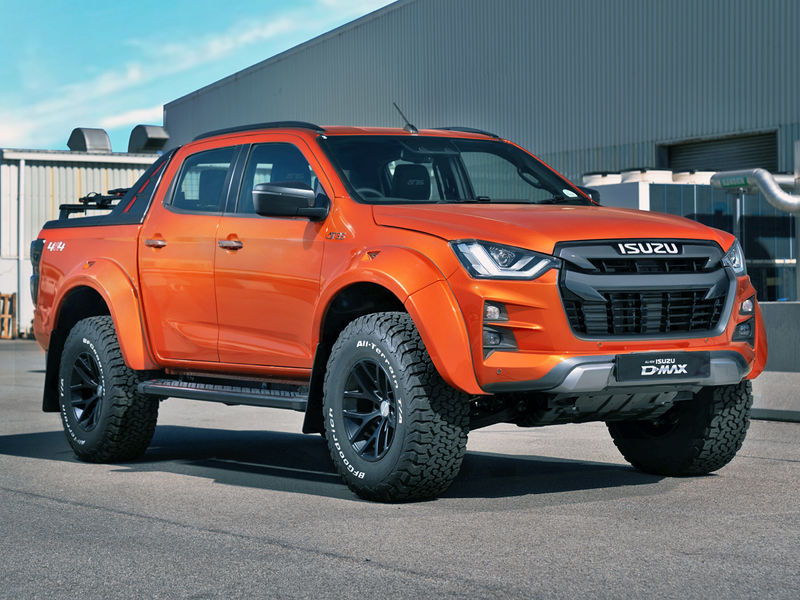
Looking at buying a used Isuzu KB or D-Max? Here's everything you need to know about the range and what to look out for.

www.cars.co.za



 www.carmag.co.za