The Local & Global Car Defect & Recall Thread

Ford recalls 737,287 vehicles, citing oil leaks and trailer brake issues - Autoblog​

The 2022 Maverick, F-150 and more are included in today's recall dump

1648885423391.png

Ford has just issued a couple of large recalls for a range of products. In total, the recall count between the two we’ll cover here is just over 737,000 vehicles.

First up, we have a recall issued for certain 2020-2022 Ford Escapes and certain 2021-2022 Ford Bronco Sports. Only versions of these models with the 1.5-liter turbocharged three-cylinder are included in the recall, and the final tally is 345,451 cars between the two models.

These cars are being recalled due to a potential oil leak issue. Ford’s recall documents explain that the engine oil separator housing installed on these vehicles “may crack and develop an oil leak.”

If this happens, Ford says the leaking oil could leak onto other engine components, increasing the risk of an engine fire.

Ford isn’t aware of any injuries or deaths as a result of the oil leak issue. The recall procedure will involve Ford dealers inspecting the oil separator for damage, and replacing it free of charge if needed. Owner notifications are meant to begin on April 18.

The second recall covers trucks and SUVs across a wide spectrum for Ford, as it’s all to do with the trailer braking software installed to these vehicles.

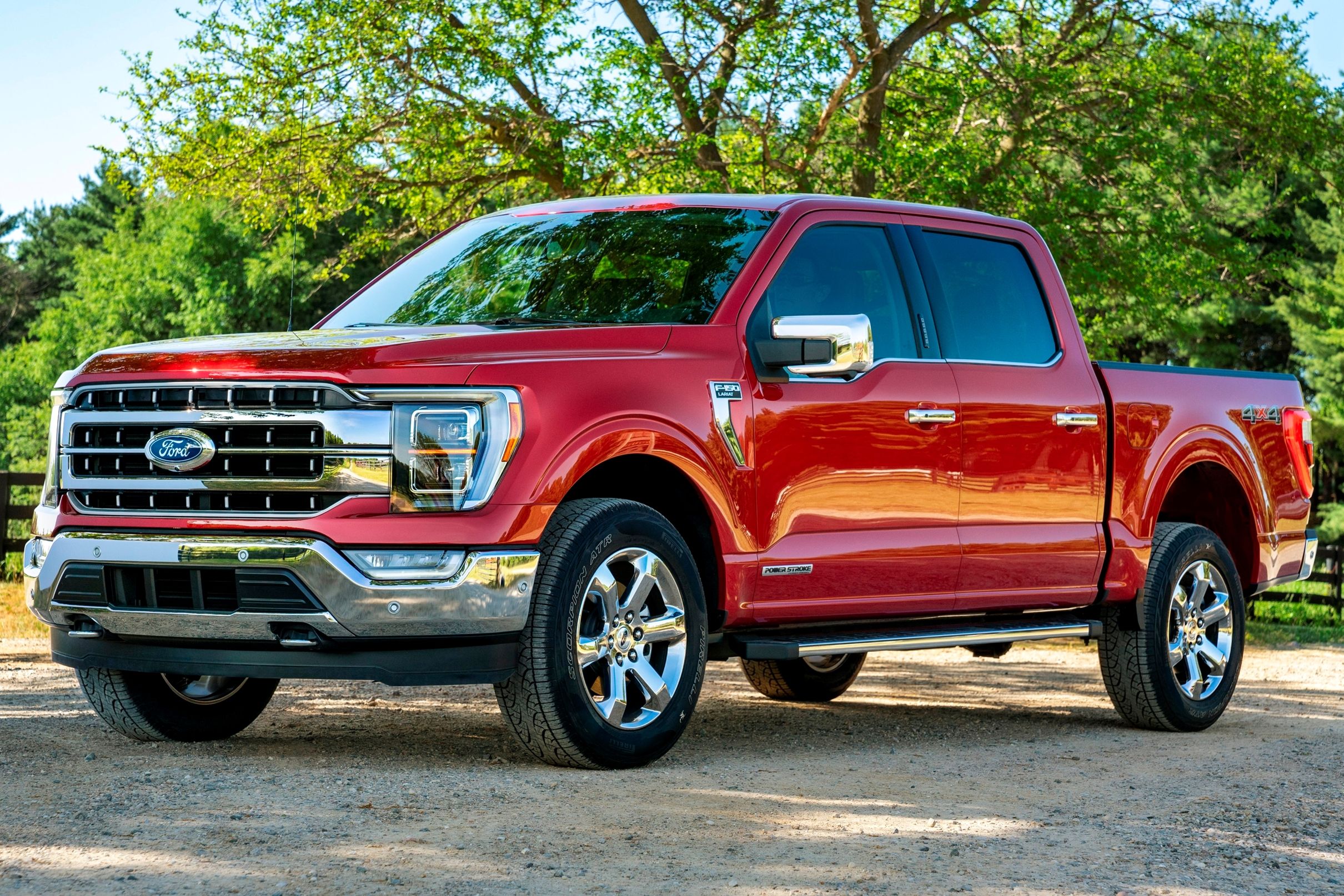
Affected vehicles include the 2021-2022 Ford F-150, 2022 Ford Maverick, 2022 Ford Expedition, 2022 Lincoln Navigator and many levels of 2022 F-Series Super Duty, including the F-250, F-350, F-450 and F-550. This recall encompasses 391,836 vehicles in total.

A software error in the trailer brake program could result in the trailer brake controller not properly applying the trailer brakes “when towing a trailer equipped with an electric or electric-over-hydraulic brake.”

As one might expect, Ford says this could result in longer stopping distances than you’d otherwise expect, increasing the risk of a crash.

To fix the issue, you’ll need to bring your vehicle into the dealership where Ford will flash new software to the truck. Ford says owner notifications will go out on April 18 this year.


Volkswagen to recall more than 100,000 cars on fire risk - Reuters​

1648891824547.png

Volkswagen Group (VOWG_p.DE) will have to recall more than 100,000 plug-in hybrid vehicles globally due to the risk of fire, said a spokesperson for the German carmaker.

Some 42,300 owners of Volkswagen Passat, Golf, Tiguan and Arteon models worldwide will be notified.

Volkswagen brand Audi has to recall 24,400 vehicles, while Seat and Skoda are also affected.

There is a risk of fire in vehicles that connect a conventional combustion engine to an electric drive and are charged through a socket due to an insufficiently insulated high-voltage battery, added the spokesperson on Thursday.

German daily Bild citedthe KBA regulator as saying "inadequate fastening of the engine design cover can lead to contact with hot parts and subsequently to fire", adding that 16 such cases had been reported in Germany.

The recall affects Volkswagen brands VW, Audi, Seat and Skoda, Bild said.

 
Volkswagen recalls over 200 000 ID.3 and ID.4 models

Volkswagen recently presented its new generation 3,0 software update for its modular electric drive matrix (MEB) models such as the ID.3 and ID.4.

Alongside an updated software system is the integration of “over-the-air” – also known as “OTA” updates – but this only applies to models still in development. VW announced that existing models would need to return to workshops for a hands-on software installation. It was also said that a new 12-volt battery would be installed for free, the reason being that the old battery would not be able to cope with the energy requirements needed in the generation 3,0 update.

The models will first need an installation of the firm’s version 2,4 software before they’ll be eligible to receive the generation 3,0 software. According to VW, over 200,000 customers will need to have their vehicles brought in. Customers will be contacted from Easter onwards. The gen-3 software update is scheduled to release sometime within the second quarter of 2022 via an OTA update.

Established EV manufacturers such as Tesla have utilised over-the-air updates across the model ranges for years. These OTA’s are especially significant due to their ease of deployment and efficacy. Tesla can send automatic software updates to existing models without needing them to be brought into a workshop for every update. The benefit of using an OTA update system is that it allows manufacturers to continuously maintain and improve the existing software.

 
A single Bugatti Chiron has been recalled over a single loose screw

Some would call it pedantic but we’re sure any driver would want their hyper-car which is capable of ludicrous speeds to be correctly assembled and fastened according to the most stringent safety standards. A single Bugatti Chiron has since been recalled over a loose screw which could compromise its crash protection.

The early Chiron model, which was assembled on the 17th of November in 2017 was issued for recall by the National Highway Traffic Safety Administration. The directive states that one of two screws of the front frame support has a torque rating of 9 N.m as opposed to the recommended 19 N.m.

After an internal investigation of their extensive database, Bugatti found that this sole model required a recall to get the said screw up to spec. The French manufacturer has stated they will handle the transportation of the engineering marvel to its nearest authorised workshop to assess and tighten the problem screw to its required specification.

The NHTSA state that the loose screw of the US located hypercar could potentially reduce structural integrity of the 400 km/h creation in the event of a collision and thus increase risk of injury for occupants.


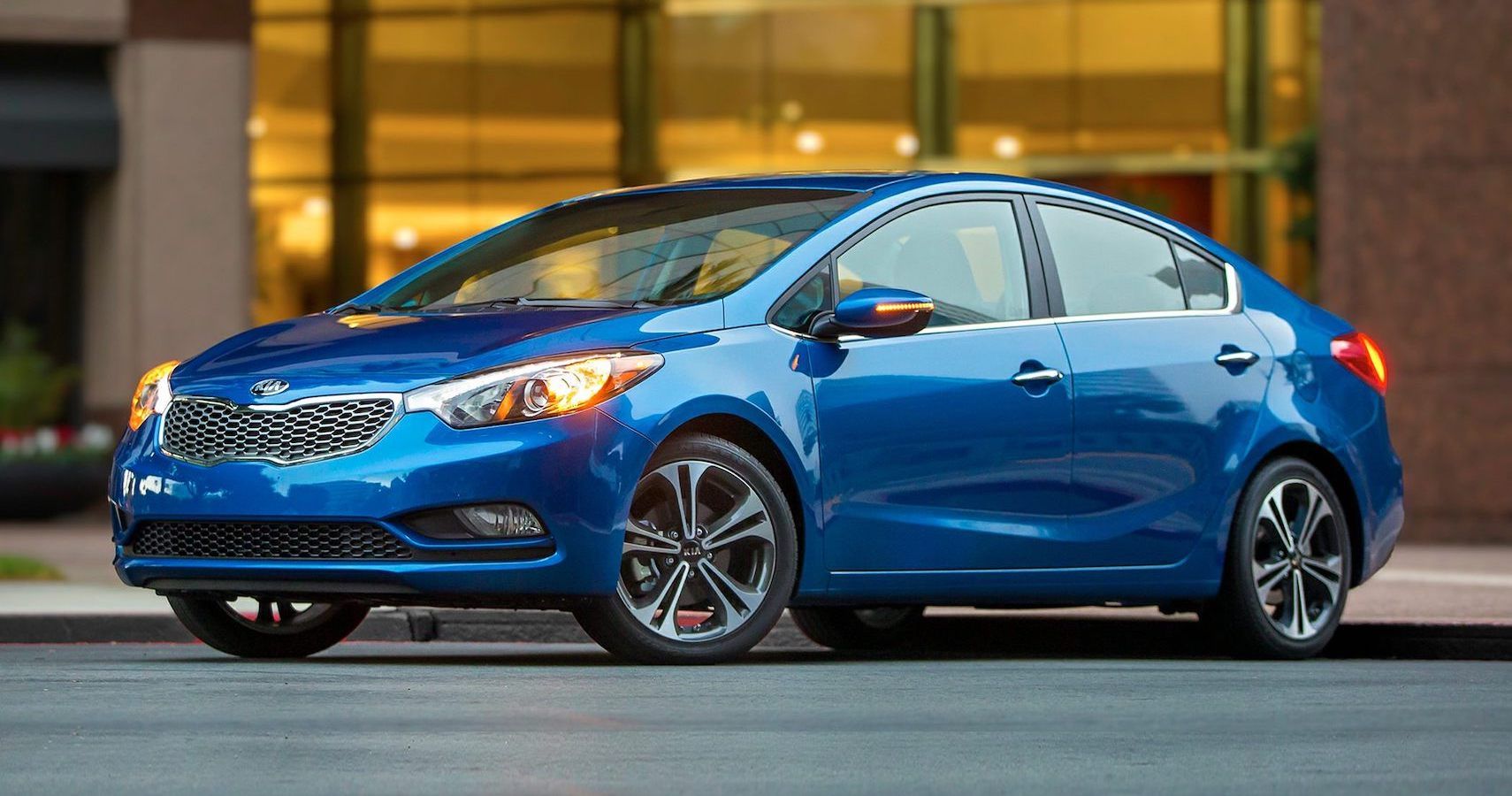
8 Glaring Problems With Kia Cars No One Tells You About - Hotcars​

The Korean brand has lately been dominating the market with a combination of quality and low prices, but owning a Kia isn't all sunshine and rainbows.

1649995778995.png

Kia has built a good reputation for itself over the years with the production of reliable vehicles of all kinds. The large variety of Kia models available today ensures that there's something for everyone.

Whether you are looking for gas-powered models or hybrids, Kia has got you covered with some of the best-rated vehicles in their respective segments.

With models scattered all over the world, there are just as many people excited about the brand as there are those disappointed with their ownership experience.

If you plan on getting a Kia vehicle, this piece is like a heads-up about what you might experience. But then, bear in mind that most of these problems are not specific to Kia, so you might want to cut the brand some slack.

That said, here are 8 glaring issues with Kia vehicles that no one might have told you about.


Your safety matters – unless it costs too much - Hagerty UK​

1650529727548.png

What originally began as a recall of 4,000 Hondas, in the US in 2008, has erupted into more than 100 million vehicles being caught up in this scandal. In the UK, more than 3.43 million vehicles are affected.

The Driver and Vehicle Standards Agency (DVLA), which is leading the recall in the UK, told Hagerty that the figure of affected vehicle changes, and because of this it would have to issue a Freedom of Information request to establish the latest tally, which we have requested.

In an age when dealers are told to shred history files because of GDPR rules, you have to hope any future buyer of a used car pays attention to the outstanding recall section of the DVSA’s MOT checker page, or letters landing on their doormat. In America, some haven’t, and it has cost them their lives.

Such was the scale of the Takata recall that the giant of Japanese industry was brought to its knees, filing for bankruptcy protection in 2017.

Analysts at the time estimated the claims of death, injuries and economic losses would amount to £11 billion.

What was the root cause of its downfall? Profit. According to investigative reporting by The New York Times, in the late 1990s Takata figured out a way to make airbags cheaper, using ammonium nitrate as a propellant.

It offered the new product to companies including General Motors, which in turn, reports the newspaper, asked existing suppliers to match Takata’s price. After examining Takata’s airbag, they refused, saying it was dangerous.

Sure enough, it was.

 
Ferrari recalling over 2200 cars in China due to brake risk

Ferrari has issued a recall plan with Chinese regulators over potential brake problems in its vehicles, an official notice said on Friday.

The recall affects 2222 vehicles over a brake fluid issue, said a notice by China's State Administration for Market Regulation (SAMR).

This figure is almost the total number of cars Ferrari sold in mainland China, Hong Kong and Taiwan over the past three years, based on the company's annual report.

"Vehicles covered by this recall... could see a higher risk of brake fluid leakage, resulting in reduced braking performance or brake failure, posing a safety hazard," SAMR said.

The recall covers a portion of imported 458 Italia, 458 Speciale, 458 Speciale A, 458 Spider, 488 GTB and 488 Spider series cars that were built between March 2, 2010 and March 12, 2019, the regulator said.

It added that these vehicles should be driven with caution, and should be stopped immediately if a low brake fluid level warning light appears.

Ferrari will replace the problematic car parts free of charge for the cars covered by the recall, the notice said.


Ford Recalls F-Series, Navigator and Expedition Models Over Embarrassing Issue - Carbuzz​

The recalls keep rolling in for the Blue Oval.

1650775365774.png

1650775597015.png

Earlier this year, Ford recalled more than 280,000 examples of the 2016-2018 F-150, along with 2016-2017 Navigator and Expedition models after it found that vehicles equipped with the 3.5-liter EcoBoost engine could suffer from a loss of braking power.

As per the National Highway Traffic Safety Administration (NHTSA), a faulty brake master cylinder could cause brake fluid to leak from the front wheel circuit into the brake booster.

Unfortunately, these models have been subjected to yet another recall - only this time, a whopping 652,996 examples are affected. Rather worryingly, the windshield wipers may break, causing them to fail.

The NHTSA pins the blame on worn wiper arm spline tooling core inserts at the supplier, noting it has resulted in an "insufficient spline tooth height, which can cause the arm attachment to strip when used with certain wiper motors with higher torque."

It's not just the aforementioned vehicles that are affected. 381,797 examples of the larger F-250, F-350, F-450, and F-550 pickups are part of the recall, too.

The idea of flailing wiper arms is, at first thought, comical. However, the chances of having an accident increase drastically if your wipers aren't operable. The recall report states that the wiper could become inoperable or worse, detach completely.

Thankfully, just 1% of the 652,996 are estimated to have this issue. Ford will notify owners by mail, instructing them to take their SUVs/trucks to a nearby dealer for inspection. The front windshield wiper arms will be replaced at no cost to the customer.

While no accidents, injuries, or deaths have been reported in relation to the recall, Ford has said it's received over 750 complaints about defective wiper arms.


Tesla Issues New Model 3 Recalls in Both the U.S. and China - Gizmodo​

62,868 cars are being recalled in total over software safety issues affecting the speed display.

1651293647302.png

From fart horns to pre-programmed rolling stops, Tesla is no stranger to recalls.

Now, the company is pulling about 48,184 Model 3s in the United States and 14,684 of its Model 3 cars in China and because of software safety concerns.

The problem is that the cars don’t display a unit, along with the speed, when they’re in “Track Mode.” So, it becomes unclear if the car is operating in say, kilometres or miles per hour— making the speed itself more difficult to interpret.

“Driver(s) may not know how fast the vehicle is traveling without the mph or km/h unit display, increasing the risk of a crash,” said the U.S. National Highway Traffic Safety Administration in a recall notice dated April 18, but released April 29, according to Reuters.

And, on Friday, China’s State Administration for Market Regulation announced their recall explaining the same issue.

The U.S. recall affects certain Model 3 Performance vehicles manufactured from 2018-2022, and the recall in China applies to Model 3s with production dates between January 12, 2019 and March 25, 2022.

To fix the problem, Tesla will issue a free, over-the-air software update, according to the NHTSA. And owners of the cars will be notified by letters mailed on June 6.


Tesla Issues Recall for CPU Overheating on Touchscreen Display - Gizmodo​

Tesla said it’s issuing a patch after feds announced a recall of 130,000 modern Tesla models, showing just how common remote updates to vehicles have become.

1652243874871.png

Patches continue to roll out for Tesla cars heading into late spring for the latest 2021 and 2022 models. This time, the problem is reportedly due to touchscreen display CPUs that are running too hot, forcing them to malfunction.

The U.S. National Highway Traffic and Safety Administration sent a letter to Tesla Monday demanding a safety recall of 130,000 Tesla 3, S, X, and Y models from its 2021 and 2022 lines.

The administration under the Department of Transportation stated that the infotainment system’s CPU may overheat, prompting it to lag or restart which could prevent the center screen from showing features like rear-view camera, gear selection, or warning lights.

The company said it has had 59 field reports of the issue since January but have not had any reports of crashes related to the problem.

Tesla said it has already started free over-the-air software updates to improve CPU temperature management starting May 3. Affected Tesla owners will be receiving letters in the mail after July 1.


Mercedes Says Stop Driving Your 2006-2012 SUV Because the Brakes Might Fail - Jalopnik​

Nearly 300,000 ML-, GL- and R-class models are affected, says Mercedes-Benz

1652421140698.png

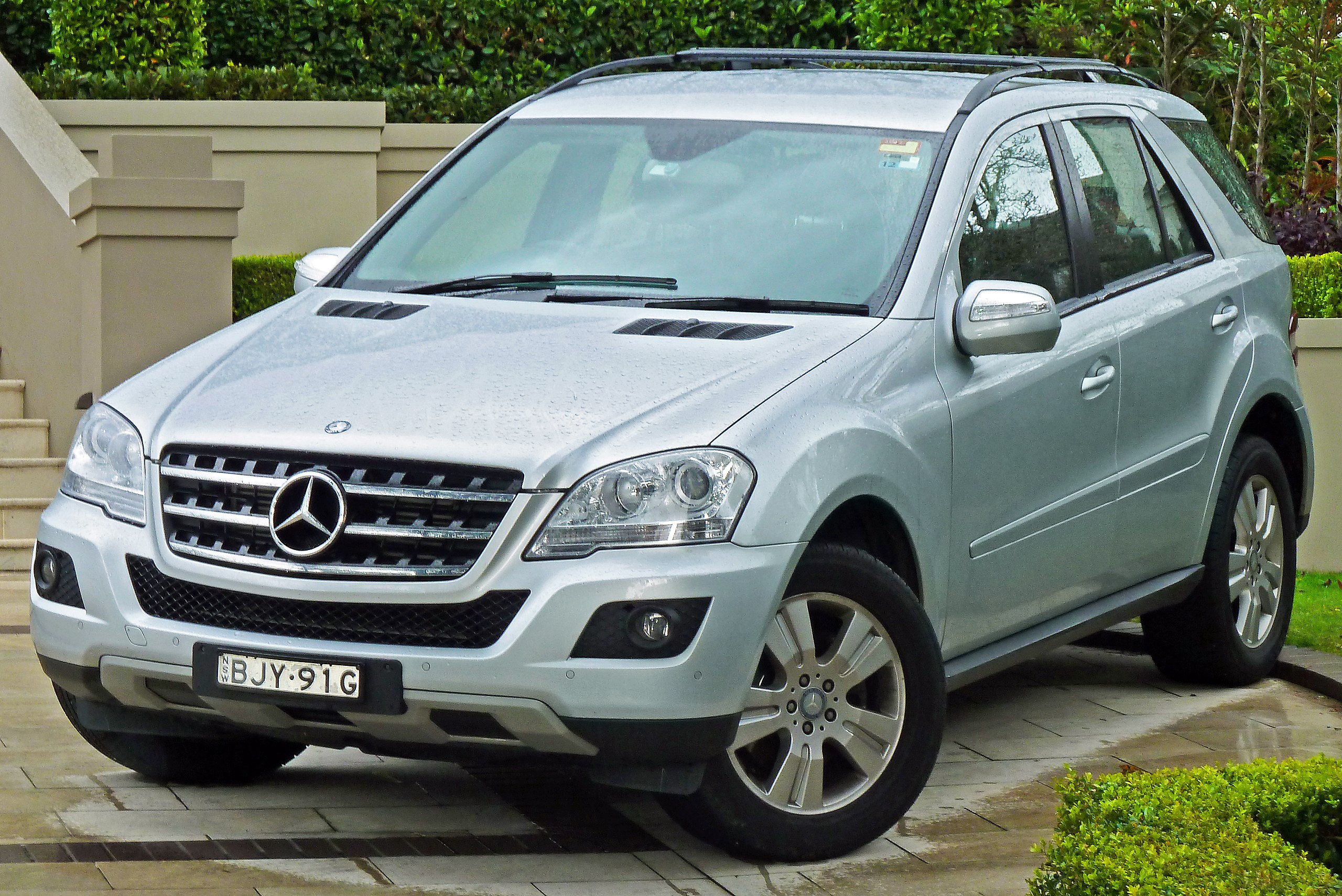
Mercedes-Benz is recalling nearly 300,000 GL-, ML- and R-Class crossover SUVs that were made between 2006 and 2012. According to a release from the German marque, there could be a potential issue with the vehicle’s brakes.

Owners of the impacted models are being told not to drive them until the repair or inspection can be performed for free.

The automaker says “advanced” corrosion in a joint area of the brake booster housing may cause it to fail. Basically, water can get under a rubber sleeve installed around the brake booster housing, which can cause severe corrosion, creating a vacuum leak at the booster.

As the problem advances, braking performance can degrade, potentially severely. The foot-operated parking brake is not affected by the potential problem.

According to Consumer Reports, drivers may notice a change in brake pedal feel and/or a hissing noise when applying the brakes. Both of these situations can obviously lead to a potential for crashes and injuries.

Mercedes-Benz points out that no crashes, injuries or deaths have have been attributed to the problem described in the recall.

CR reports the investigation began in July 2021 after a report came from outside the U.S. about the issue. They alerted the National Highway Traffic Safety Administration about the recall on May 5.

When you bring your recalled car to the dealer, technicians will inspect the housing. If there are no signs of corrosion, you can go on your merry way. If there is any indication of corrosion, however, additional tests will be performed to make sure the brakes are up to snuff and safe for operating your Benz.

Affected vehicles can then drive for two more years before returning for another inspection. If your vehicle fails the test, your brake booster will be replaced for free.

Mercedes-Benz is offering free towing to owners of affected cars to make sure they can safely get their vehicles checked at the dealer.


Hyundai and Kia's Coolest EVs Recalled for Rolling When Parked - Jalopnik​

A software issue can cause the Hyundai Ioniq 5 and Kia EV6 to momentarily shift out of park, potentially rolling away.

1652975987175.png

Hyundai and Kia are facing another recall, and this time it isn’t due to engine fires. That’s mostly because the two vehicles being recalled don’t have engines.

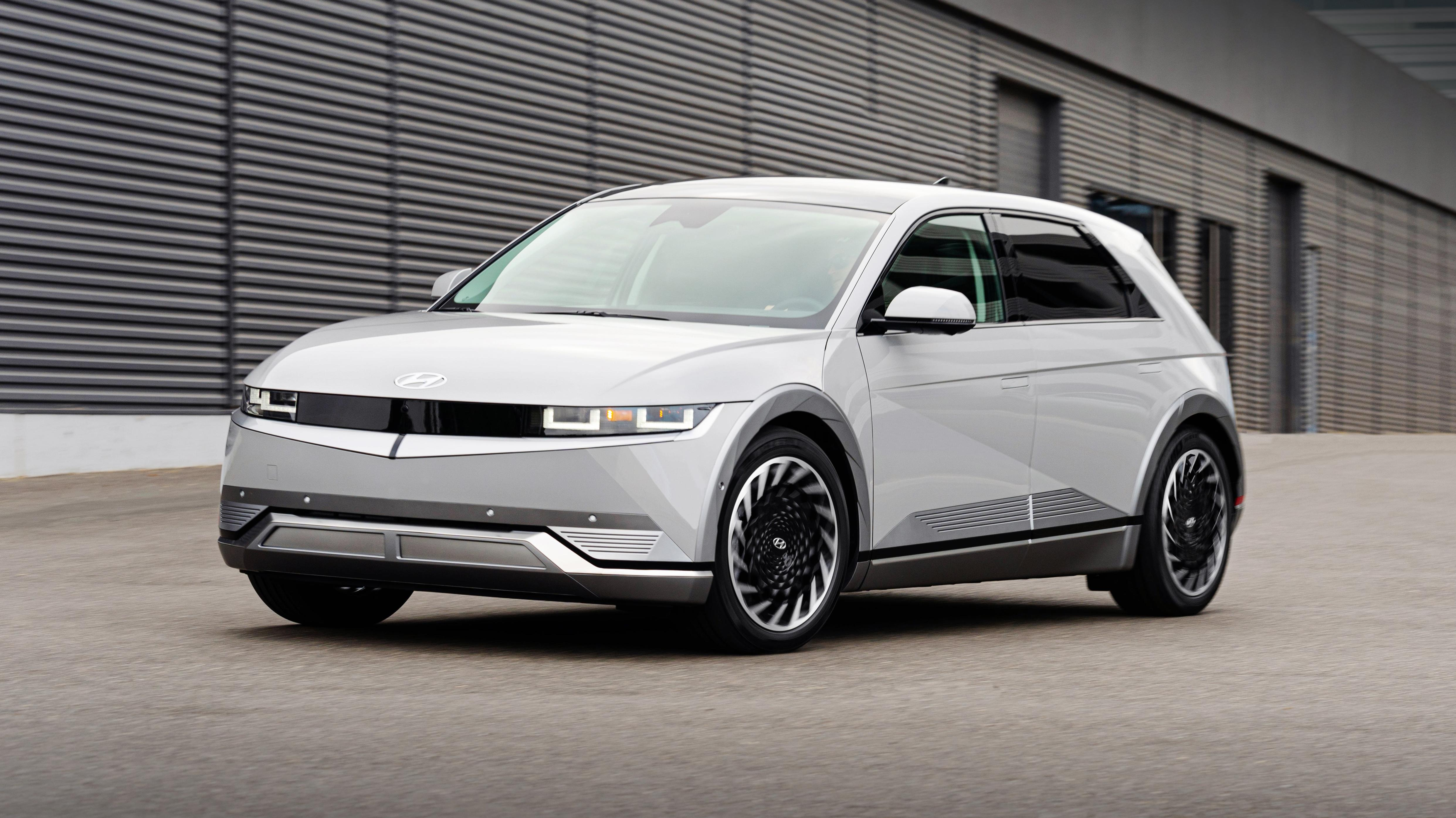
That’s right, the Hyundai Ioniq 5 and Kia EV6 are being recalled because of an issue with the parking pawl software. It has been dubbed the “Vehicle Rollaway from Software Error” recall.

If you dig into the NHTSA’s website, you can find a description of exactly what’s wrong with the cars (they both have the same issue):

“The shift-by-wire system in the subject vehicles contains a Shifter Control Unit (“SCU”) and electronic parking pawl actuator. A voltage fluctuation may occur with the vehicle off and in the Park (P) position, which could impact the command signal from the SCU to the parking actuator, resulting in momentary disengagement of the parking pawl and potential vehicle rollaway.”

Basically, an error in the SCU is causing the parking pawl actuator to disengage.

The issue was first brought to the attention of the NHTSA on May 2nd. All in all, it impacts all 9,014 Kia EV6s and 10,729 Ioniq 5s.

Oddly, while both cars have the same issue, the remedies recommended by the individual brands are different.

Hyundai recommends owners use the Electronic Parking Brake when parking until the fix can be done at a dealer, free of charge.

Kia, on the other hand, recommends drivers park their EV6s on flat surfaces whenever possible until they can be fixed.

That being said, they both have the same fix: updating the Shifter Control Unit software at the dealer. Hyundai owners can expect a letter in the mail around July 10, while Kia owners won’t have to wait that long. They should be getting mail around May 25 about what to do next.

These may not be the only vehicles impacted by the issue, either. The 2023 Genesis GV60 and G80 EVs both use the same faulty system. Those two cars haven’t hit U.S. dealers yet, and odds are the fix will be done before they do.

The twin brands do point out there are no confirmed crashes or injuries linked to the SCU issue. However, four rollaway incidents have happened in South Korea.


Hyundai Recalls Cars for Exploding Seat Belt Pretensioners - Jalopnik​

The recall affects around 230,000 Hyundai Elantra and Accent models.

1653479653003.png

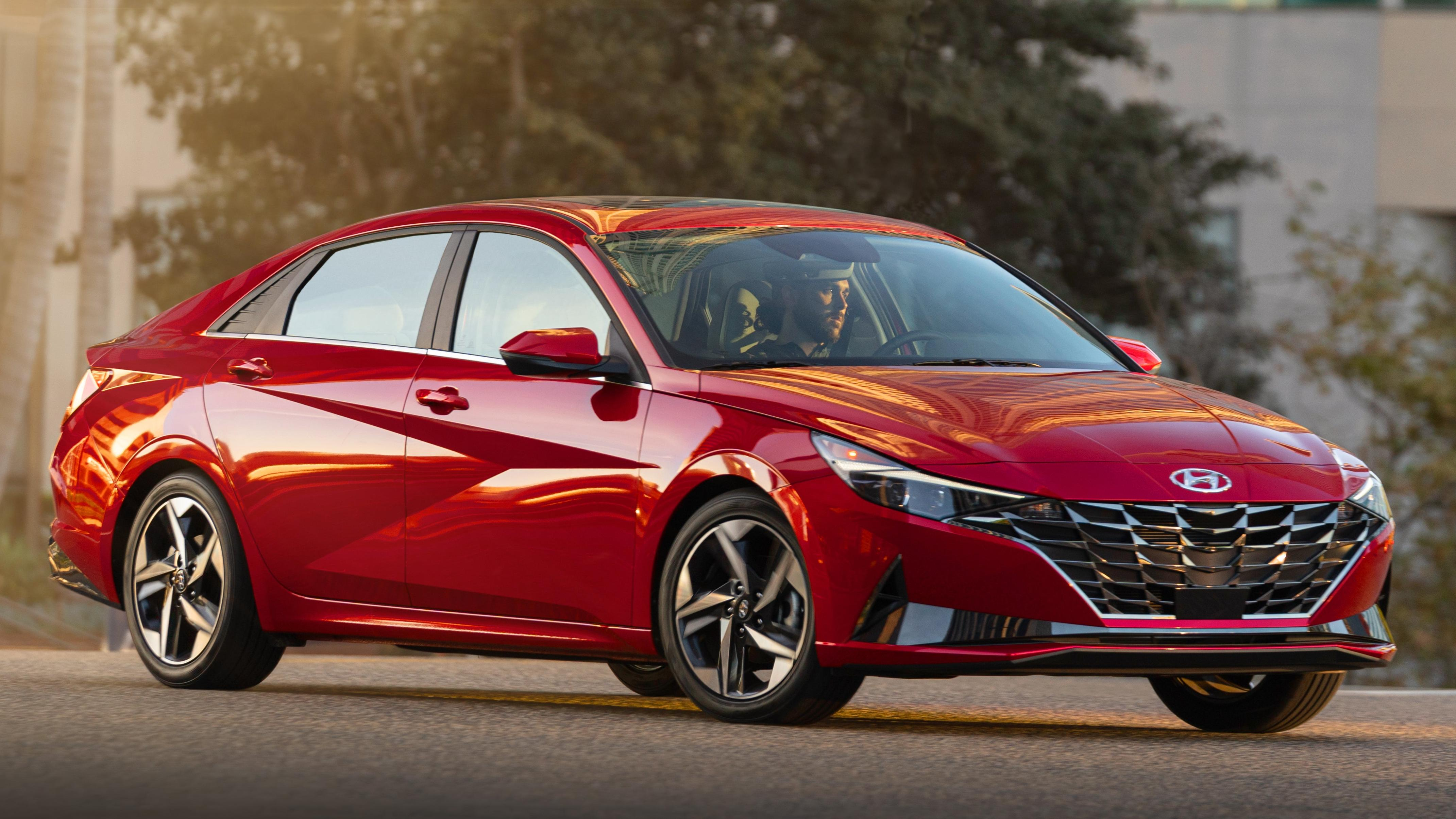
Hyundai filed documents last week with the National Highway Traffic Safety Administration indicating the company would recall some 230,000 Elantras and Accents for a somewhat unusual problem: a seat belt pretensioner that can explode.

Hyundai said it’s aware of three incidents involving malfunctioning seat belt pretensioners. The first is described thusly:

On September 15, 2021, [NHTSA’s Office of Defects Investigation] informed HMA’s NASO of a crash incident involving a model year 2021 Hyundai Elantra vehicle where the driver-side seat belt pretensioner allegedly deployed abnormally causing metal fragments to enter the rear cabin and resulting in injury to an occupant’s leg.

NHTSA was notified of the incident by a law firm representing the operator of the incident vehicle. The law firm also notified HMA’s external counsel on the same day, who then alerted HMA’s Legal department of the incident.

The second incident, meanwhile, involved a 2020 Elantra in Puerto Rico, while the third involved a 2022 Elantra in Singapore. A subsequent investigation led Hyundai to pinpoint the cause of the issue.

On March 28, 2022, investigative teams from NASO, HMC, and the supplier inspected the Puerto Rico incident Accent vehicle and found the crash pulse and duration data retrieved from the EDR compared similarly to the Singapore incident Elantra vehicle’s crash data. Based on this information, HMC determined that the pretensioners used in the subject Elantra and Accent vehicles could exhibit unique deployment characteristics when compared to other models using the same pretensioners. The differences are largely attributed to variation in the pretensioner’s load limiter specifications and vehicle-specific air bag control unit (“ACU”) logic, with crash severity/duration also being a contributing factor.

In April 2022, Hyundai retained Exponent, a third-party engineering firm, conduct metallurgical analyses on the connection between the micro gas generator and pretensioner used in the subject Elantra and Accent vehicles and identify potential areas of stress and fracture initiation sites during deployment.

On April 20, 2022, NASO provided an update of Hyundai’s investigation to NHTSA’s ODI. On April 25, 2022, HMC informed NASO of recent testing by design affiliates and the supplier that were successful in replicating the abnormal deployment condition in the subject Elantra and Accent vehicles.

HMC also informed NASO of a potential remedy which would secure the micro gas generator connection with a cap and eliminate stress sites that could potentially increase the risk of an abnormal deployment. In subsequent testing, Exponent was able confirm the effectiveness of the cap in mitigating this risk.

On May 11, a final decision was made on the recall, which affects 2019-2022 Hyundai Accents and 2021-2023 Hyundai Elantras. Hyundai said it will notify owners by July 15, and dealers will install the fix for free.

I, for one, did not have “exploding seat belt pretensioners” on my recall bingo card, but maybe you did, in which case congrats.


Every Lucid Air Has Been Recalled Again, This Time for Faulty Instrument Cluster Wiring - Jalopnik​

More than 1,100 Air sedans are covered in this recall, which may be more than twice the number delivered so far.

1653540997239.png

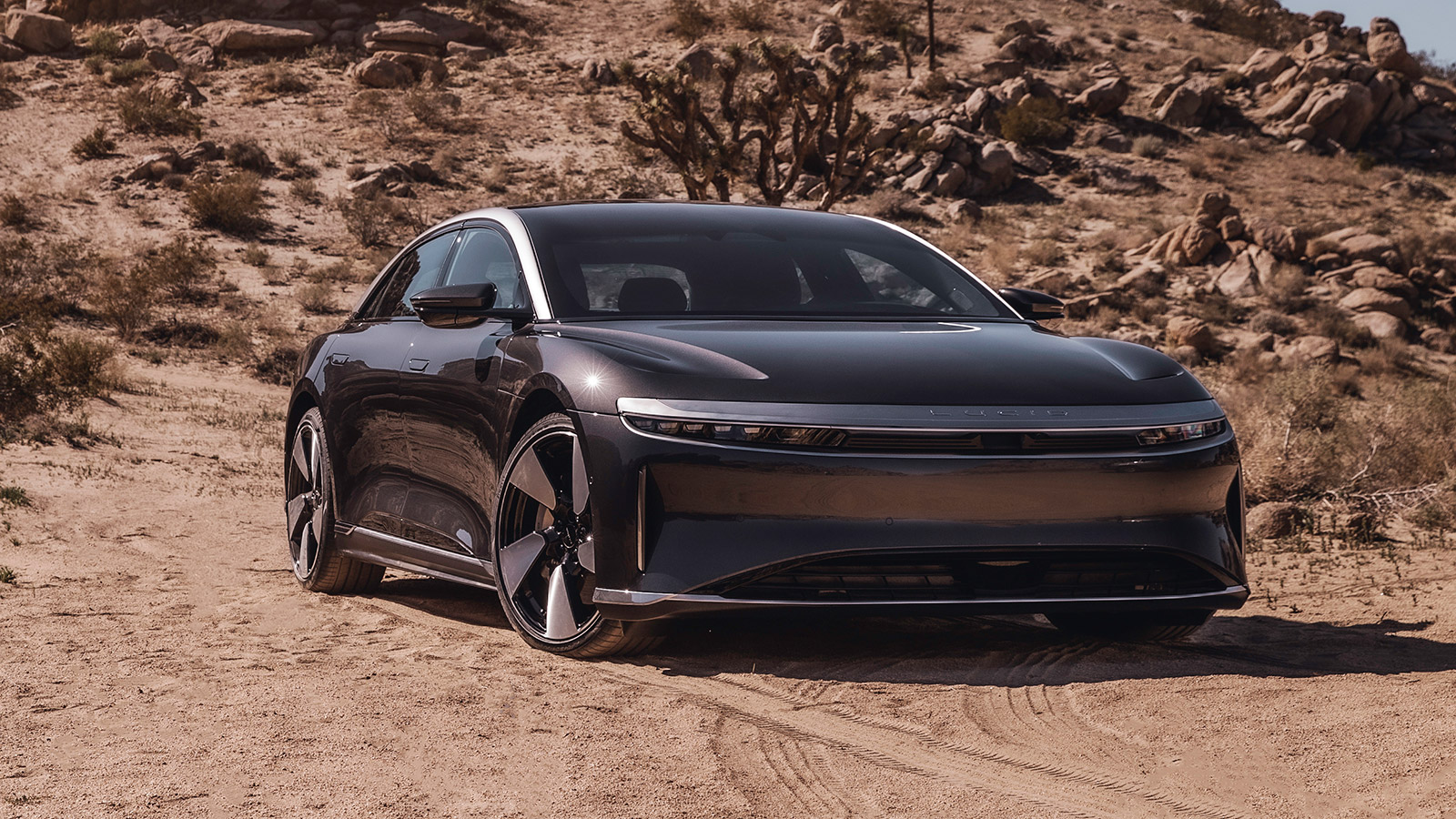
Lucid has recalled every single one of its 2022 Air sedans for improperly secured instrument cluster display wiring harnesses that could prevent the panel from functioning properly.

Should that happen, the screen won’t be able to convey valuable information, like how fast you’re going or whether the turn signals are on, putting the car in breach of Federal Motor Vehicle Safety Standards. And so, recalled it must be.

This campaign covers 1,117 sedans, which isn’t a lot, and Lucid estimates that fewer than one percent of them — 11 cars — are likely to exhibit the issue.

But if you consider that the company has only delivered roughly 500 vehicles up to now according to its last two quarterly earnings reports, that means that every Air on the road plus those manufactured but not yet in driveways is mired in this recall.

It marks the Air’s second recall after its first in February pertaining to the snap ring below the front strut damper. In that situation, 203 cars were summoned, which probably covered every Air that had been delivered at that point in time, too.

At least in both cases, Lucid has said it’s unaware of any instances of these components failing in customers’ vehicles at the time the recalls were issued.

The EV maker expects to mail notices to customers on June 20, per the National Highway Traffic Safety Administration’s recall acknowledgment letter.

Lucid says in an NHTSA report that it established a manufacturing “clean point” in early May, and all vehicles that rolled off the production line since that date were built with wiring harnesses that are not susceptible to chafing in the same way and don’t require additional securing.


Ford stops Mustang Mach-E deliveries ahead of safety recall without fix for now - Electrek​

1655269933563.png

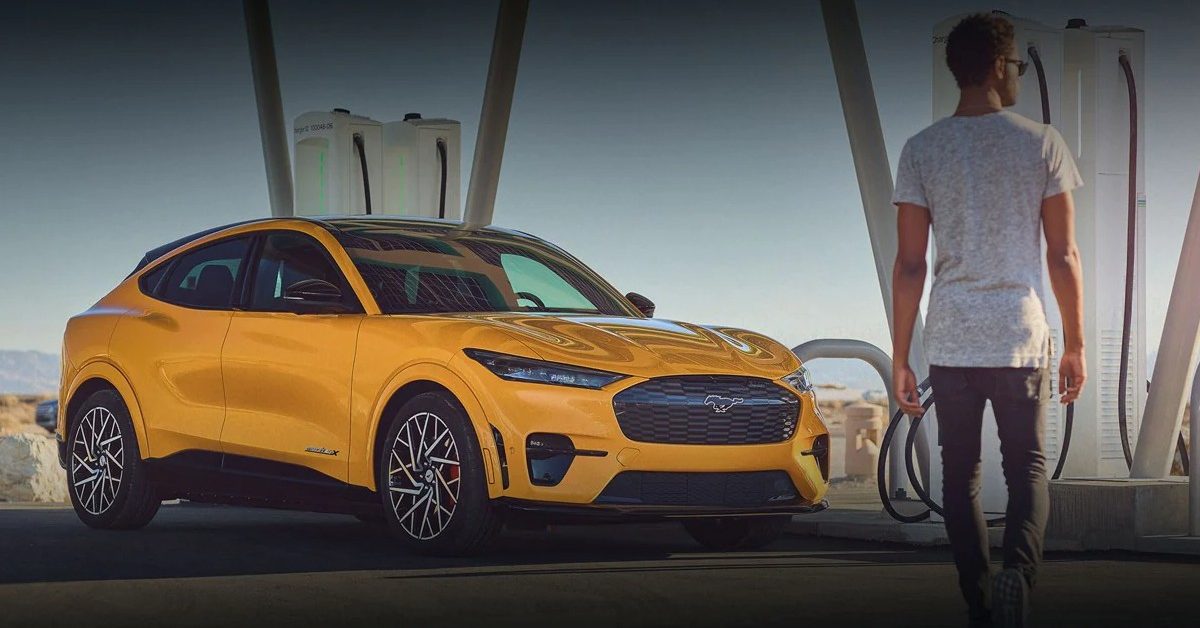
Ford has told its dealerships to stop delivering Mustang Mach-E as it found a defect in recent models. It doesn’t have a fix yet, but it is preparing a safety recall.

The automaker has given advance notice of an upcoming recall to its dealerships, asking them to stop deliveries of the Mustang Mach-E 2021 and 2022 model years.

Ford says that “certain 2021-2022 Mustang Mach E’s produced at Cuautitlan between May 27, 2020 and May 24, 2022” are affected.

The issue is with the high voltage battery main contactors; they may overheat and may shut down the powertrain.

Ford wrote in its dealer communication:

1655269973977.png

In the meantime, Ford dealerships cannot deliver any Mustang Mach-E nor give test drives in the electric vehicle.


Ford Recalls Vehicles Due to Under-Hood Fire Risk - CNET​

The automaker recalls some Escape and Lincoln Corsair SUVs and some Maverick small pickups, and it expands an earlier recall of certain Expedition and Lincoln Navigator SUVs.

1657429999319.png

Ford Motor Co. is reportedly recalling 100,000 vehicles -- some Escape and Lincoln Corsair SUVs and some Maverick small pickups -- because of a risk of under-hood fires.

It's also expanding an earlier recall of Expedition and Lincoln Navigator SUVs because of a different problem that can cause under-hood fires, even when those vehicles are parked and turned off.

In the new recall, some 2020 through 2022 model year Escapes, Lincoln Corsairs and Mavericks with 2.5-liter hybrid or plug-in hybrid powertrains have a problem where, if the engine fails, fuel and oil vapor can leak onto hot parts and catch fire, according to media reports Friday.

Ford will reportedly notify owners of the affected Escapes, Lincoln Corsairs and Mavericks beginning Aug. 8, and Ford dealers will address the problem by making alterations that lower under-hood temperatures to a safe level.

Globally, there have been 23 reports of fires while engines were on, but no injuries, the company reportedly said about the new recall.

Regarding the expansion of the earlier recall, owners of the affected Expedition and Lincoln Navigator SUVs should park them outside and away from structures, Ford said in a release Friday.

The company said it's gotten 21 reports of under-hood fires, including five since the earlier recall. It said it was aware of one reported injury.

Both Ford and the National Highway Traffic Safety Administration have pages where you can check to see if your vehicle is affected by a recall.

The expansion of the earlier recall covers just over 66,000 Expedition and Lincoln Navigator SUVs in the United States manufactured between July 27, 2020, and Aug. 31, 2021.

The earlier Ford SUV recall, in May, applied to just more than 39,000 Expedition and Lincoln Navigators with a 2021 model year and build dates between Dec. 1, 2020, and April 30, 2021.

Ford said it thinks it's identified the source of the problem with the Expeditions and Lincoln Navigators.

The company "believes the cause of these vehicle fires can be traced to a change in manufacturing location by a supplier during the COVID-19 pandemic," it said in its release.

"Printed circuit boards produced at this facility are uniquely susceptible to a high-current short and were supplied to Ford and installed in Expedition and Navigator SUVs produced during the recall window."

The company said it expects parts to be available for a repair beginning in early September. It said it began contacting customers on Friday about the repair.

Ford couldn't immediately be reached for additional comment.


Rumour: Ford issues 'Field Service Action' for its diesel models - Team-BHP​

The EcoSport, Figo, Aspire and Freestyle are said to be facing emissions and oil life-related issues.

1659021129390.png

Ford is believed to have issued a 'Field Service Action' for the diesel variants of the EcoSport, Figo, Aspire and Freestyle models.

Diesel variants of the EcoSport, Figo, Aspire and Freestyle manufactured between August 2019 and August 2021 have been recalled for emissions and oil life-related issues.

It is said that service centres would replace the catalytic converter and O2 sensor. The cars will also get the latest PCM firmware, which should resolve oil life-related issues.

Ford owners can check if their vehicle is part of the service campaign by entering the Vehicle Identification Number (VIN) on the Ford website.


Ferrari Recalls Over 23,000 Cars Because of a Potentially Serious Brake Issue - The Robb Report​

The notice affects cars built between 2005 to 2022.

1659773523270.png

You might want to get your Ferrari checked out. The Prancing Horse is recalling 23,555 vehicles because of a potentially serious brake issue, according to CNET Roadshow.

An official report submitted to the National Highway Traffic Safety Administration last month listed affected models dating back to 2005.

Select Ferraris built over the last 17 years may have a brake fluid reservoir cap that doesn’t vent properly, according to the recall notice.

Improper ventilation can cause a vacuum to form in the reservoir that can trigger a leak that stops the brakes from functioning properly or at all.

Luckily, it sounds as if the fix should be a breeze. If your car is affected, simply contact your nearest authorized Ferrari dealership. They will replace the defective cap and update the car’s software, at no cost to you.

Recalling 23,555 vehicles might not be a big deal for a big, multi-national automaker, but it is for a brand like Ferrari, which produces its high-performance works of automotive art in much smaller numbers.

That’s part of why so many vehicles are affected by this recall. The notice lists 13 different models produced between 2005 and 2022.

These include the 430 (2005 to 2009), 612 Scaglietti (2005 to 2011), California (2009 to 2017), FF (2012 to 2016), F12 (2013 to 2017), LaFerrari (2013 to 2017), F60 America (2016), GTC4 Lusso (2017-2020), 488 Pista (2019-2020), Portofino (2019 to 2022), Ferrari 812 (2020 to 2022), F8 (2020 to 2022) and Roma (2020 to 2022).

Of the affected vehicles, only about 1 percent are believed to have the defect.

This isn’t the first time Ferrari has faced a similar issue in recent years. Late last year, the company recalled nearly 10,000 vehicles because of the same issue.


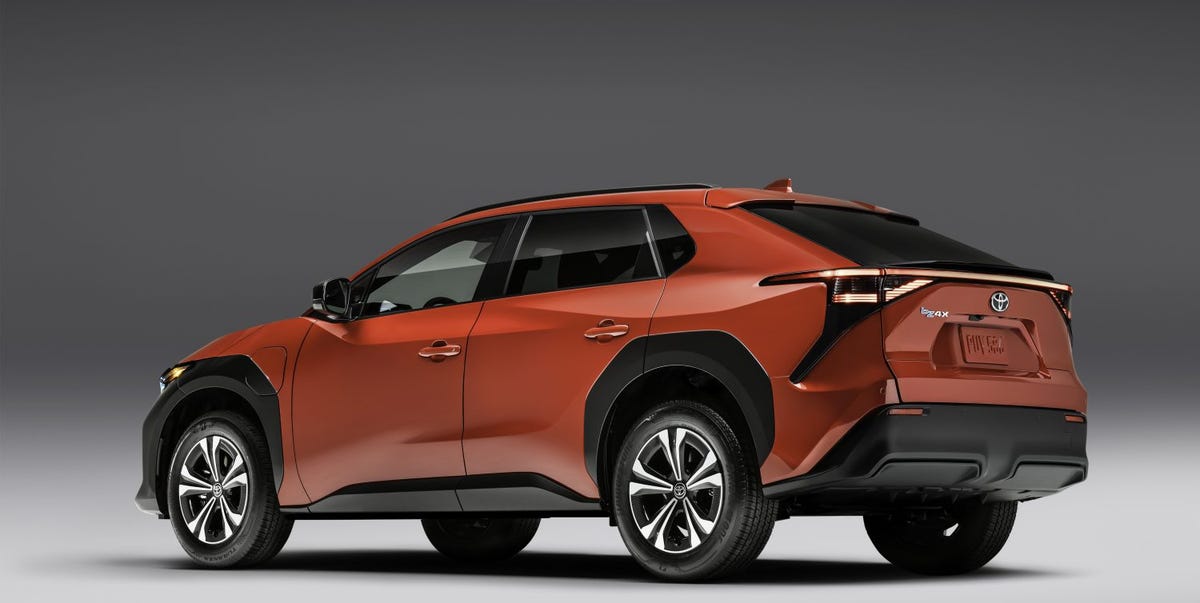
Toyota Offers to Buy Back bZ4X EVs with Wheels That Might Fall Off - Car and Driver​

A recall was announced in June and affects 258 units of the new model. It also involves several hundred Subaru Solterra EVs, but those have not yet reached customers.

1659969125661.png

  • Toyota announced a recall for the bZ4X electric vehicle in June, acknowledging that wheels might detach from the car because of malfunctioning hub bolts and asking customers to stop driving the vehicle.

  • The automaker had been offering free loaners to affected bZ4X owners, but the deal has now been increased with more sweeteners as well as a new offer: Toyota will buy back the bZ4X outright.

  • Only 258 bZ4X EVs were sold before the recall was announced, but the vehicle has an outsize role to play in Toyota's slow embrace of all-electric vehicles.
Read the full report at the link below:

 
Top
Sign up to the MyBroadband newsletter
X