The Local & Global Car Defect & Recall Thread

VW and Audi Recall 1,216 Vehicles Over Exploding Airbags - Jalopnik​

This recall isn’t related to the Takata airbag recalls that affected tens of millions of vehicles.

1660220879885.png

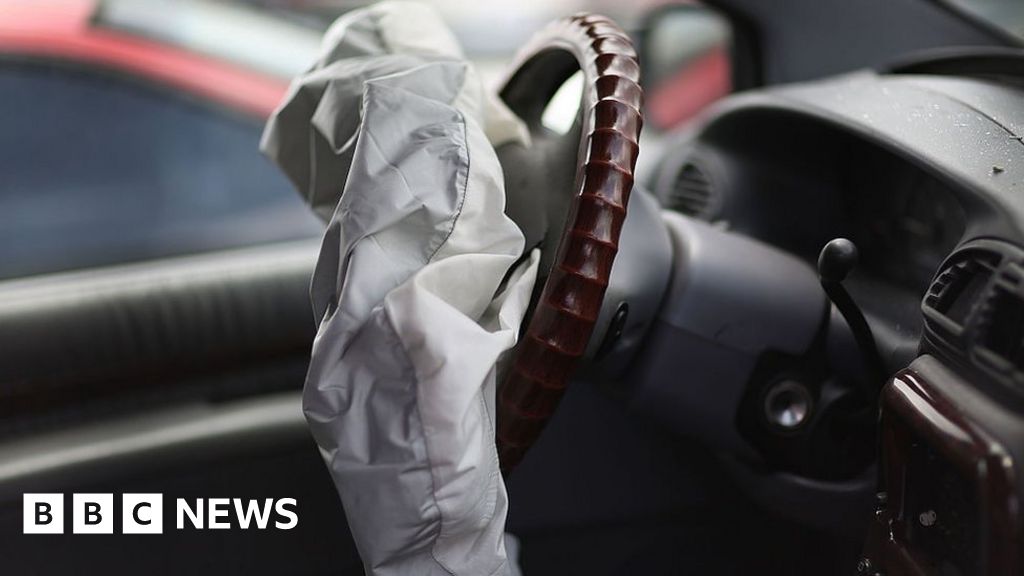
Volkswagen and Audi are recalling 1,216 models from the 2016 model year over concerns that the airbags could explode, sending shrapnel into the cabin and injuring vehicle occupants.

This recall specifically affects the 2016 Audi A3 Cabriolet, A3 E-Tron, A3 Sedan, R8, S3 Sedan, TT Coupe, TT Roadster, Volkswagen E-Golf, Golf, Golf GTI, Golf R and Golf Sportwagen models.

Despite the similarity to the massive Takata airbag recalls that have plagued the industry for more than a decade, this recall is unrelated.

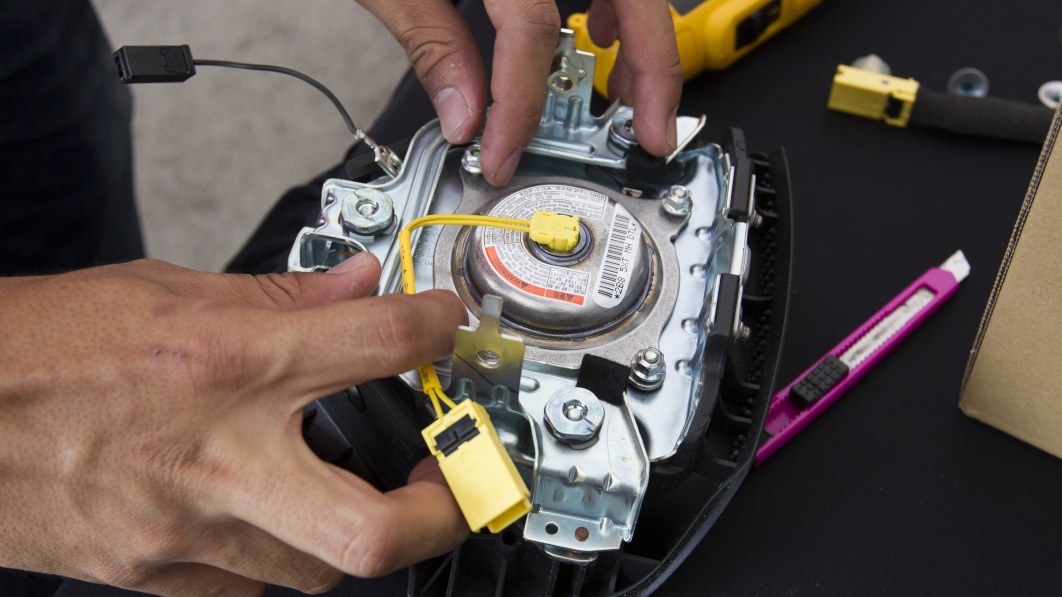
The fix for this recall involves the complete replacement of the front passenger airbag module. Like all recalls, this work will be performed at no cost to the vehicle owner.

VW and Audi expect to begin notifying owners of affected vehicles on or around September 23, 2022.
 

NHTSA Is Probing 1.7 Million Fords and Lincolns After Brake Hose Recall - Jalopnik​

The agency says brake hoses could rupture and leak fluid without warning.

1660369156964.png

Automotive safety regulators are probing into a 2020 Ford recall. The National Highway Transit Safety Administration is looking into whether a fix FoMoCo did for front brake hoses rupturing prematurely is up to snuff.

According to Reuters, the company said it would cooperate with the probe into 1.7 million vehicles. The safety agency says many complaints reported brake hoses are rupturing and leaking brake fluid with little to no warning.

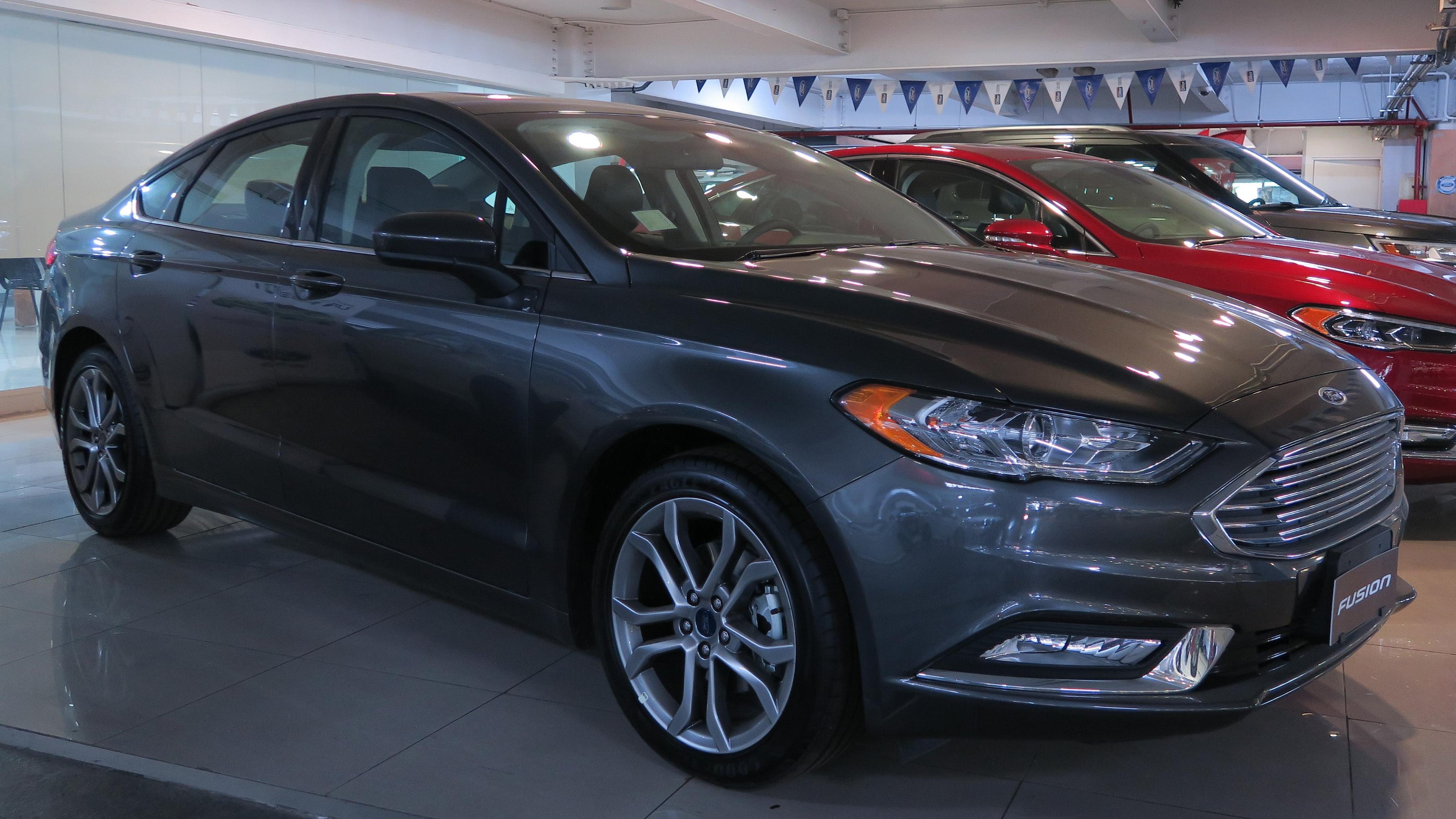
The National Highway Traffic Safety Administration (NHTSA) is opening a recall query into 1.7 million U.S. Ford 2013-2018 model year Fusion and Lincoln MKZ cars after receiving 50 complaints alleging front brake hose failures.

Ford recalled 488,000 Ford Edge and Lincoln MKX vehicles in 2020 in the United States for brake hose failures.

So far, the agency says it only knows of one alleged crash as a result of the ruptured brake line issue, which Automotive News says could lead to “increased stopping distances.”

The agency has launched the investigation — known as a “recall query” — for further assessment and to determine whether more vehicles should be recalled.

With a safety probe, the agency will assess the scope and severity of the potential defect and other possible safety-related issues.

Most NHTSA investigations start as preliminary evaluations, in which agency engineers request information from the manufacturer, including data on complaints, injuries and warranty claims. The manufacturer also can present its view regarding the alleged defect and may issue a recall.

After the evaluation, NHTSA will either close the investigation or move into the next phase. If a safety-related defect exists, according to NHTSA, the agency might send a “recall request” letter to the manufacturer.

Ford’s bad recent reputation for quality can’t seem to catch a break.

 
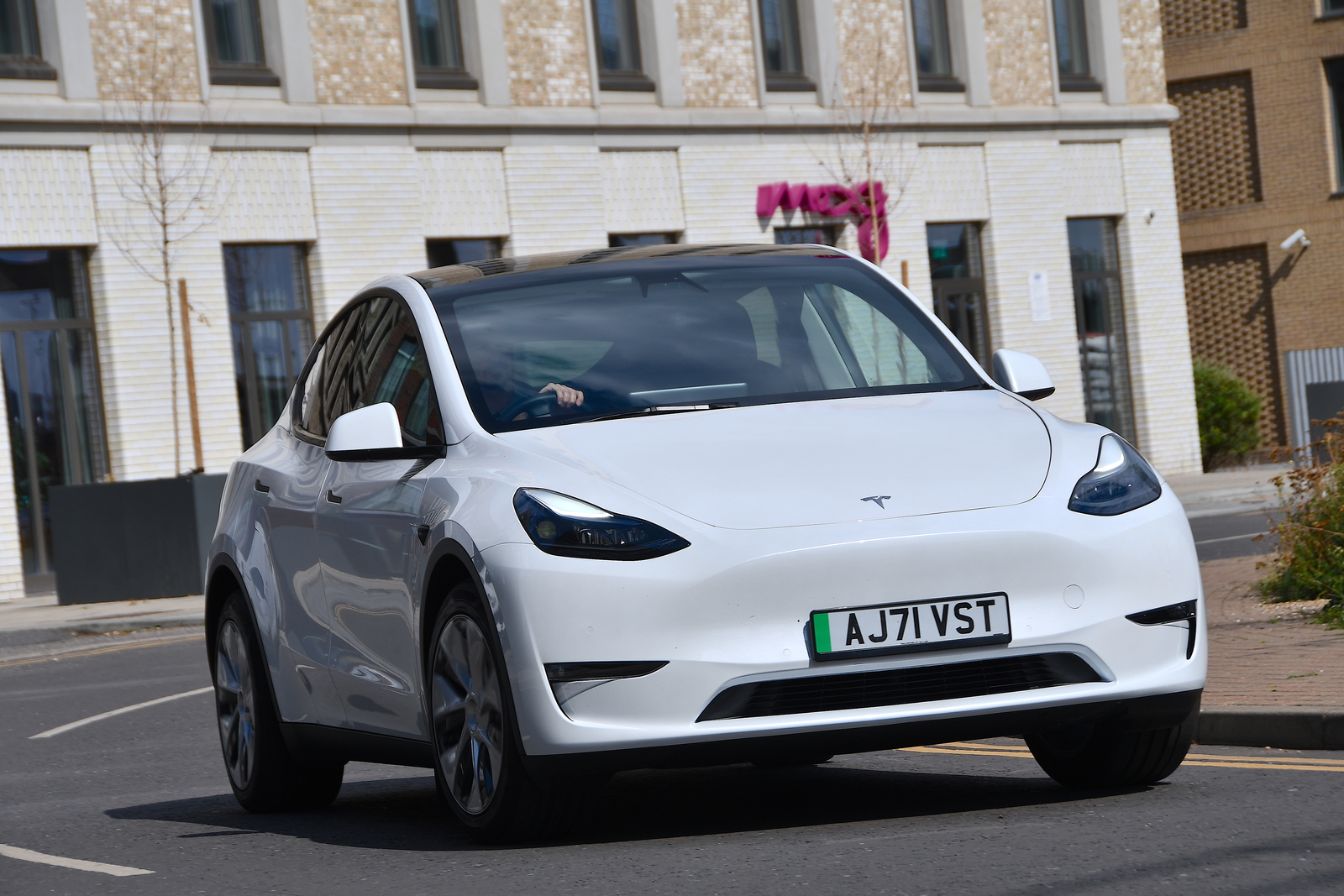
Over a Million Teslas Recalled For Possibly Pinchy Windows

An over-the-air update will fix an issue where Tesla windows don't recognize an object in their way.

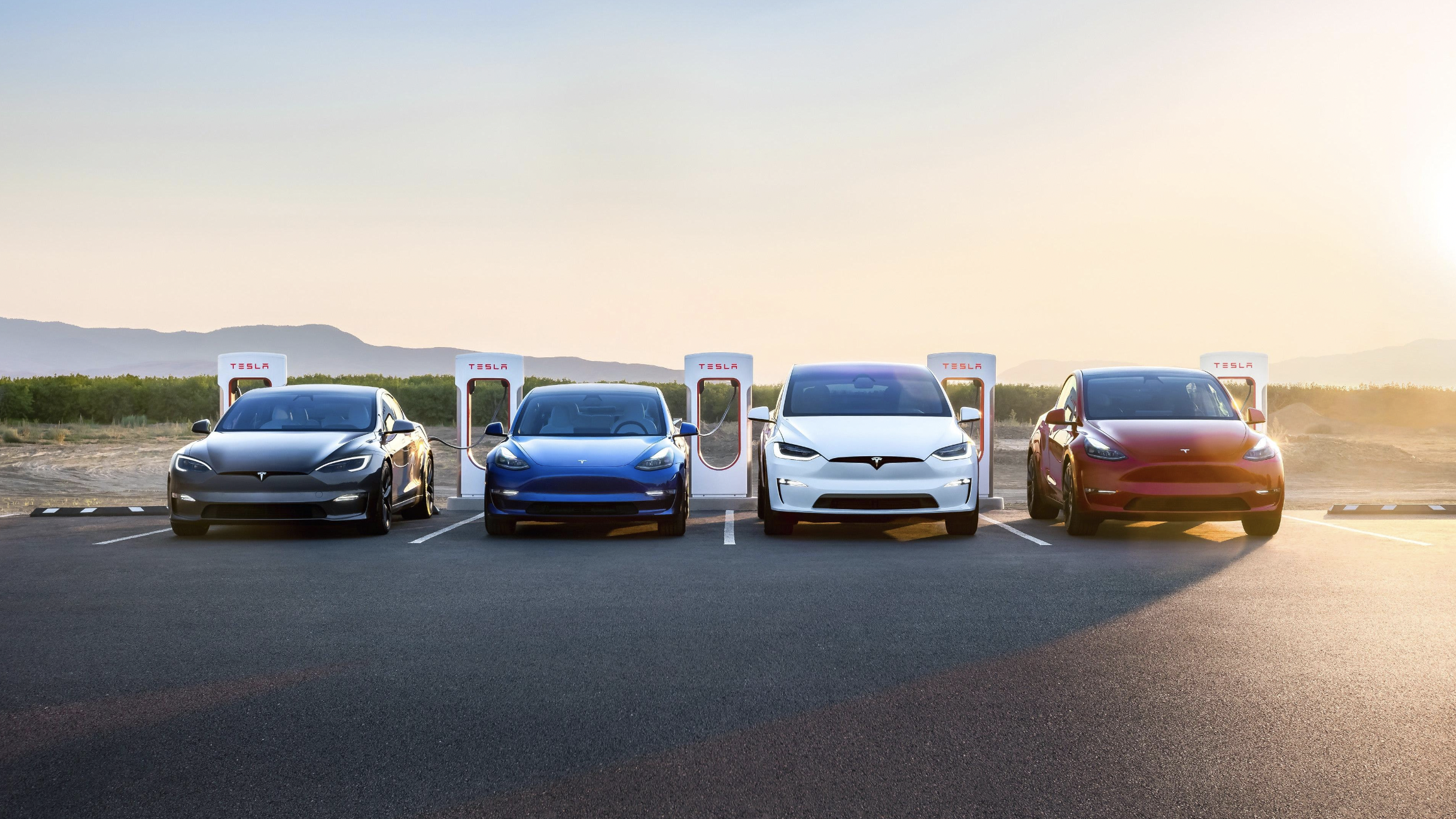
Tesla is recalling over 1 million vehicles in the United States because of an issue with the window automatic reversal system. Reuters reports the system may not work correctly when it detects an obstruction, so it can increase the risk of injury.

That being said, Reuters says Tesla is “not aware of any warranty claims, field reports, crashes, injuries, or deaths related to the recall.”

Basically, the National Highway Traffic Safety Administration says a closing window without the reversing safeguard may end up pinching a driver or passengers’ li’l fingers before it retracts. Imagine guillotining your pinky finger on a Tesla window. That’s a rough go of it.

All and all, around 1.1 million vehicles are impacted. Tesla has told the NHTSAit was going to perform an over-the-air update to remedy the issue on some 2017-2022 Model 3s, 2020-2021 Model Ys, and 2021-2022 Model S and Xs. The outlet reports that the NHTSA says these vehicles failed to comply with the requirements of a federal motor vehicle safety standard for power windows.


Stellantis Issues Stop-Drive Warning for 276,000 Chrysler, Dodge Vehicles - Jalopnik​

First-generation LX car owners of Dodge Challenger, Charger, Magnum and Chrysler 300 products, asked to stop driving after Takata airbag causes two deaths.

1667548755978.png

The Takata airbag debacle is still affecting vehicles after all these years. Numerous automakers have issued warnings and recalls over the dangerous airbags. Now Stellantis is issuing a warning to owners of its vehicles.

In a statement released Thursday, the company is voluntarily issuing a stop-drive warning campaign to owners of its first generation of LX platform cars.

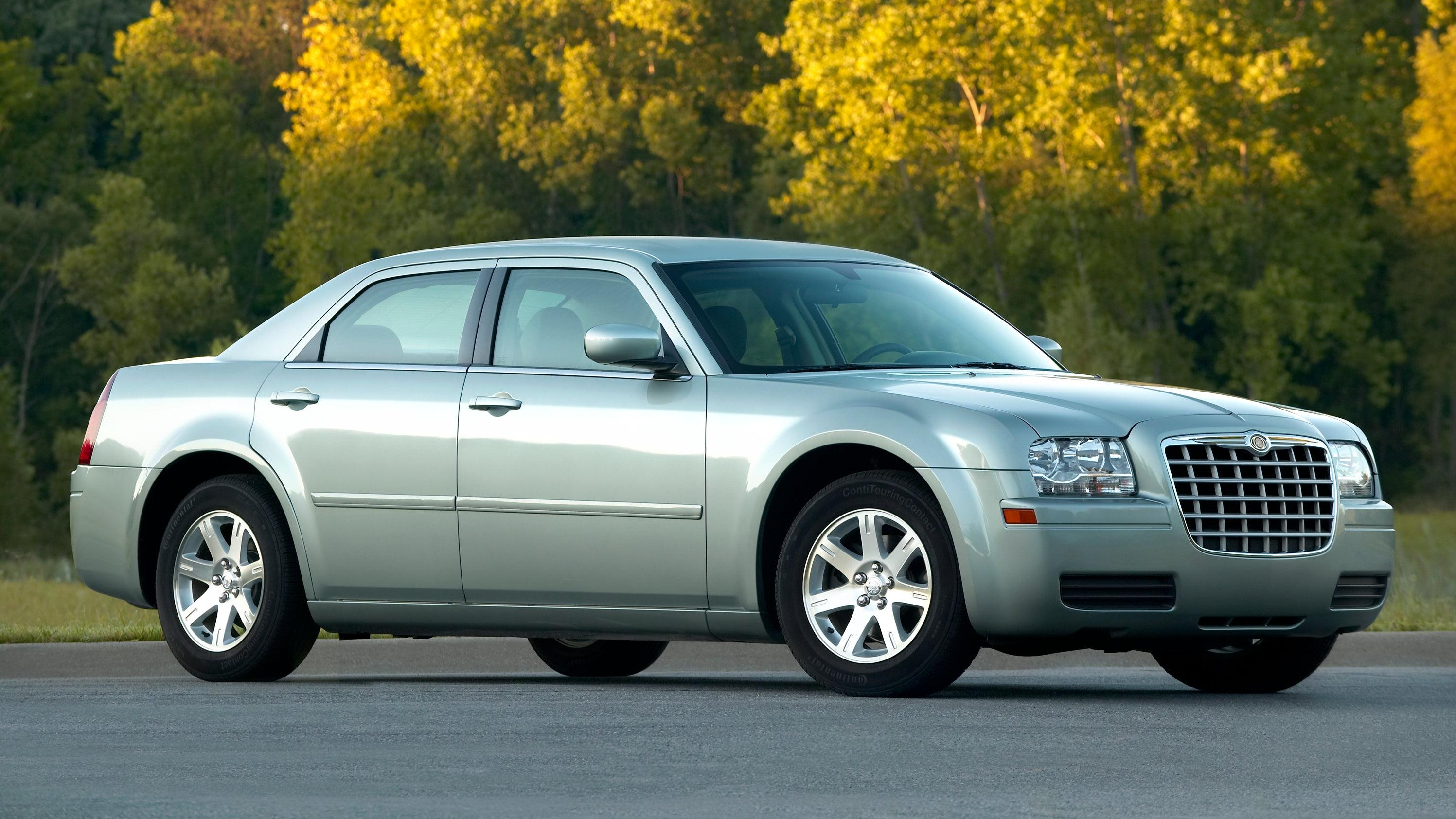
The stop/drive warning affects some 276,000 vehicles, specifically the 2005-2010 Dodge Magnum, Dodge Charger, Challenger, and the Chrysler 300.

Stellantis issued the statement after two people were killed by airbags in a 2010 Charger. Automotive News says a third death is suspected but hasn’t yet been confirmed.

From Stellantis:

Owners or custodians of these vehicles will be contacted directly, advised to stop driving their vehicles and urged to obtain the necessary service, which continues to be available free of charge at any certified FCA-brand dealer.

FCA – the first automaker to migrate from Takata to an alternate source of replacement parts – has sufficient inventory of new air bags to meet demand.

The longer these particular vehicles remain unrepaired, the greater the risk of an air-bag rupture, in event of a crash. Free replacement driver-side air bags have been available for this population since 2015.


The NHTSA is aware of the situation. The agency is telling owners to use its recall checking tool on its site to obtain information and to check whether or not their vehicle has an open recall.

 
Slideshow:

The world’s largest ever automotive recalls

Recalls are always a surprise, but so are the reasons behind them - here are the biggest

https://www.autocar.co.uk/slideshow/world’s-largest-ever-automotive-recalls
 
Audi Recall Due To Liquid Spill On Seat Causing Power Loss

Recalls are very normal these days as manufacturers need to make sure their cars are not going to cause an accident or harm the occupant(s).

This is a rather bizarre recall for Audi but according to CarScoops, more than 50,000 vehicles have been recalled over a power loss issue caused by spilled liquids in the rear seats of the vehicle.

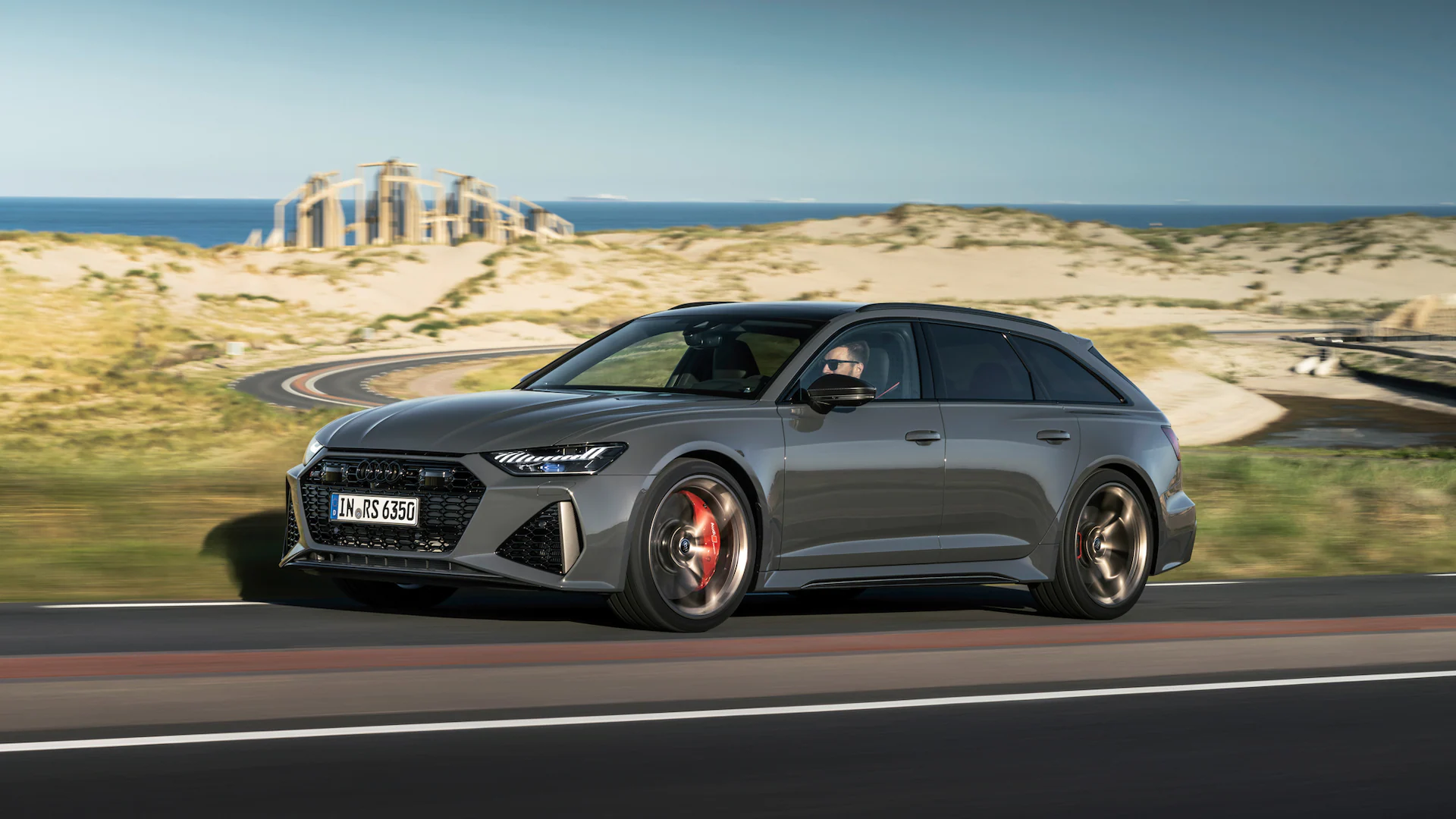
The models affected are the A6, A7, S6, RS6, and RS7 2018 to 2022. When liquid is spilled on the rear seats of these models, it can reach the car’s gateway module installed underneath. This can damage the electronics inside, throwing the gateway module into emergency or limp mode which limits engine power. Steering and braking are unaffected, but the sudden loss of power can increase the likelihood of a crash.


Ram Recalls 1.4 Million Pickup Trucks Because the Tailgate May Open While Driving - Jalopnik​

Stellantis and the NHTSA say the loose tailgates could lead to serious injury to other drivers.

1670947616665.png

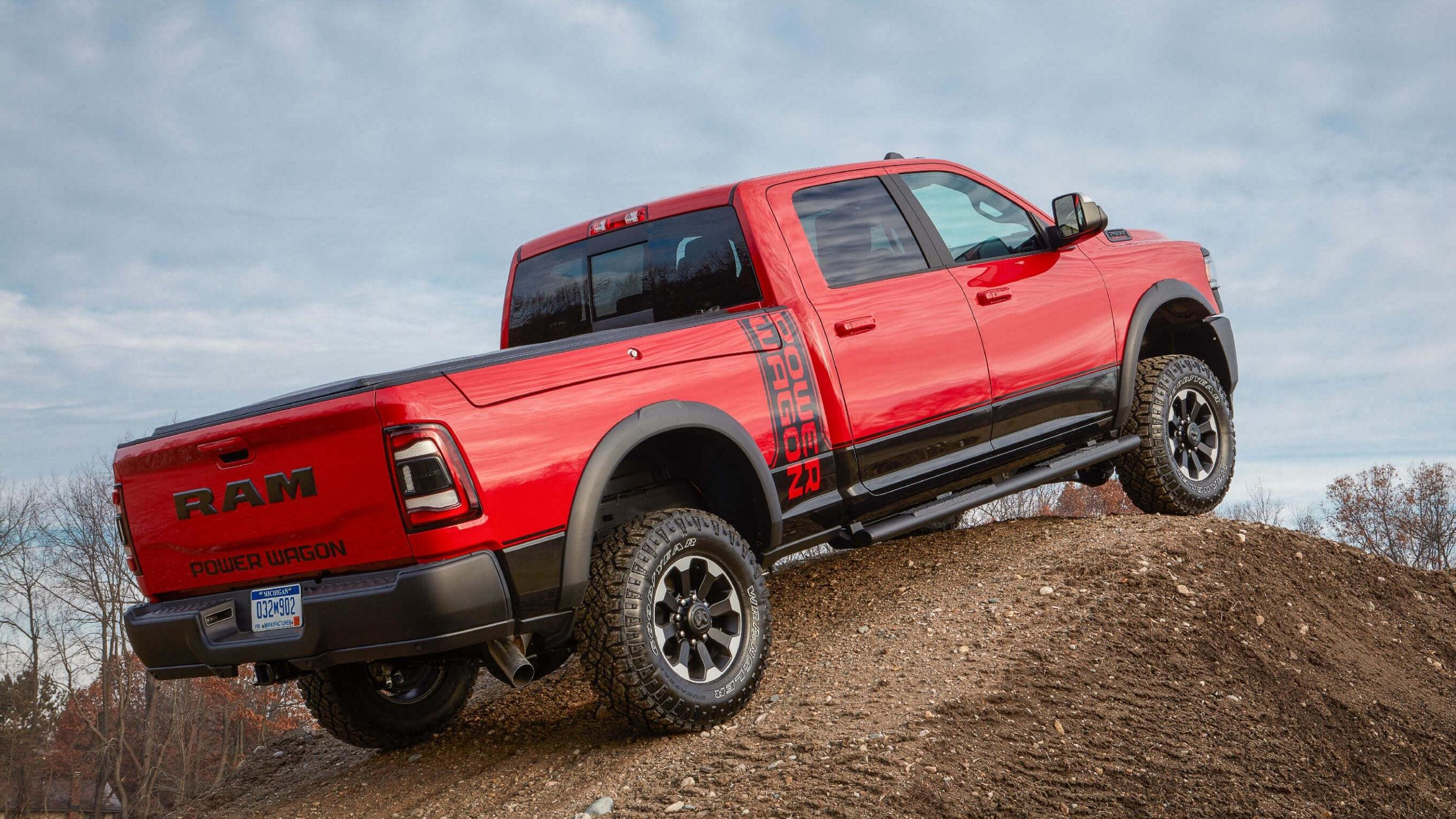
Stellantis is recalling just about 1.4 million Ram pickups around the world because the truck’s tailgates may not properly latch and could open while driving. It could lead to whatever you have in your bed falling out onto the road and possibly becoming a hazard to other drivers. That’s less than ideal for most people.

According to an acknowledgment letter to the National Highway Traffic Safety Administration, Ram will be recalling over a million 2019-2022 Ram 1500, 2500, and 3500 pickup trucks.

Automotive News reports that 1.23 million vehicles will be impacted in the U.S. alone, but a further 120,000 in Canada, 26,000 in Mexico and 27,000 others outside of North America bring that total north of 1.4 million affected vehicles.

That may sound like a lot – and it is – but it also only equals about 1 percent of all Rams that have this issue.

The automaker says it has no reports of crashes or injuries related to the unlatching tailgates, but the company has received over 800 warranty claims and other reports due to a loose tailgate.

The reason for the faulty tailgate comes down to the trucks being built with one or both of their tailgate strikers misaligned. Because of that, the remedy to the issue will simply be dealers inspecting the alignment and adjusting if they are a bit out of whack.

Stellantis says it opened an internal investigation into the issue back in July of 2021 and since then the automaker has “continuously monitored field data for potentially related incidents.”

Automotive News reports that Stellantis is coming in at number four in the total number of recalls issued, with 38 incidents covering over 3 million vehicles. Coming in at number one is Ford with over 8.6 million vehicles recalled.

 
Slideshow:

Revealed: the most recalled cars in Europe in 2022

Recalls are often nasty surprises, especially when cars have to return to the fatherland this often


Maruti Suzuki recalls 17,362 cars due to faulty airbags - Team-BHP​

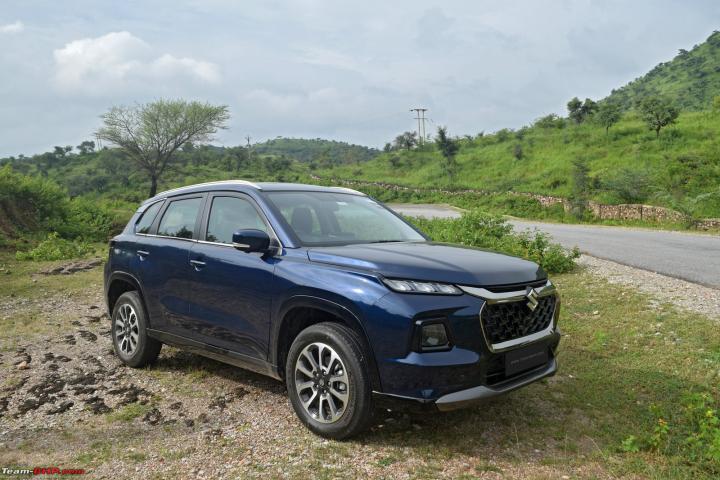
Models that are affected by this recall include the Alto K10, S-Presso, Eeco, Brezza, Baleno and Grand Vitara.


Maruti Suzuki has recalled seven of its model over faulty airbags. These include the Alto K10, S-Presso, Eeco, Brezza, Baleno and Grand Vitara.

According to the company, 17,362 vehicles manufactured between December 8, 2022, and January 12, 2023, have been affected by this recall.

It is said that these cars could have a defective airbag controller unit. Maruti stated that the defective airbag controller could result in the non-deployment of the airbags and seat belt pretensioners in the event of a crash.

To rectify this, the carmaker will inspect and replace the affected part free of cost.

Maruti Suzuki has also warned customers from using the suspected vehicles until the defective part is replaced.


Toyota recalls Glanza & Urban Cruiser Hyryder over faulty airbags - Team-BHP​

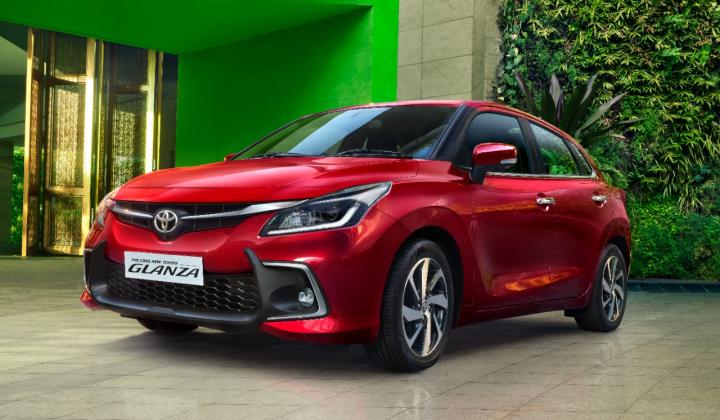
Close to 1,400 units of the Toyota Glanza and Urban Cruiser Hyryder have been affected by this recall.


Earlier this week, Maruti Suzuki recalled over 17,000 cars due to faulty airbags. Now, Toyota has followed suit by announcing a recall for the Glanza and Urban Cruiser Hyryder.

1,390 units manufactured between December 8, 2022, and January 12, 2023, have been affected by this recall.

These vehicles are said to have faulty airbag controllers, which could result in the non-deployment of the airbags in the event of a crash.

Under the recall, Toyota will replace the faulty component on the affected vehicle free of cost. The carmaker will be reaching out to owners of the affected car individually.

The company has also requested customers to 'minimize the usage of the vehicles' until the part is replaced.

 
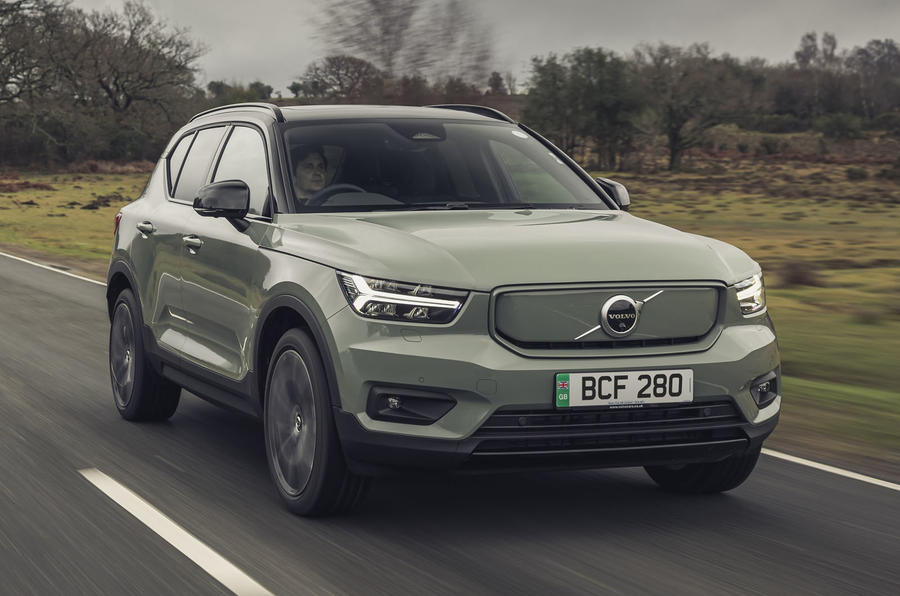
Volvo recalls over 100,000 cars due to automatic safety brake issues

Brand's entire range affected by issue; global recall impacts 10,000 cars in UK

More than 100,000 Volvo models have been recalled worldwide over potential issues with automatic safety brakes that affect the firm’s entire range.

This problem, which the car maker has confirmed is “rare”, affects the electronic braking support function, such as when the system takes over in the event of an emergency. It does not impact when the driver manually brakes via the brake pedal.

Cars affected include 2023 models of the Sino-Swedish firm’s entire range.

In total, 106,691 cars have been recalled globally, with 10,197 cars affected in the UK. Owners will be contacted, the firm told Autocar, with a free software update to fix the problem.

 
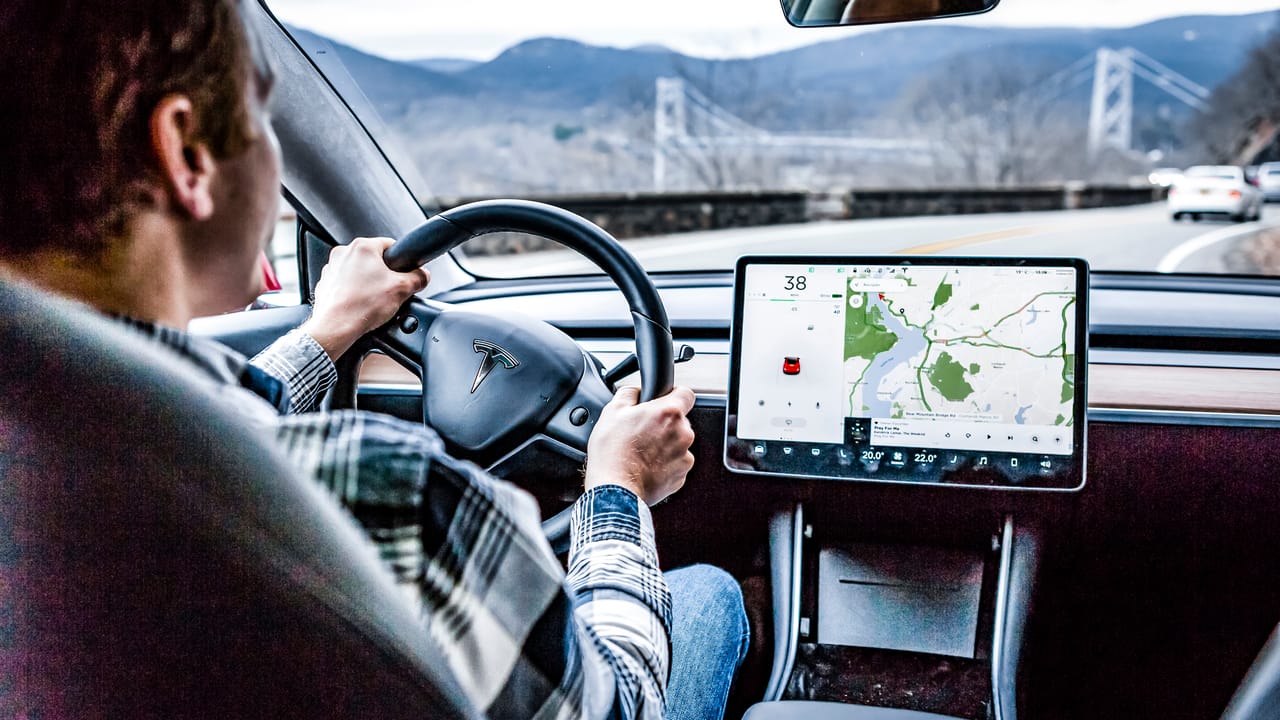
Tesla recalls 363,000 cars in the US over self-driving software

The recall affects every Tesla Model S, Model 3, Model Y and Model X in the country equipped with the software

Tesla has recalled nearly 363,000 cars in the US to revise its Full Self-Driving Beta software after US regulators said the system could cause crashes or act “in an unlawful or unpredictable manner”.

The recall, which affects every Tesla Model S, Model 3, Model Y and Model X in the US equipped with the software, has been issued by the country’s National Highway Traffic Safety Administration (NHTSA).

The NHTSA said the software – which enables cars to autonomously change lanes, park, slow or accelerate based on traffic signs and lights, and, in the future, automatically steer through city streets – would allow cars to “exceed speed limits or travel through intersections in an unlawful or unpredictable manner”, which would “increase the risk of a crash".

It also said the software would allow a car to “enter a stop-sign-controlled intersection without coming to a complete stop or proceeding into an intersection during a steady yellow traffic signal without due caution”.

Tesla's FSD software is a $15,000 option in the US. Following the announcement yesterday, shares for the technology firm and car maker, led by billionaire Elon Musk, dropped by 1.6% to $210.76.

 
Tesla recalls 363,000 cars over Full Self-Driving software concerns

Cue an over-the-air update to fix several versions of the Model 3, Model Y, Model S and Model X

Almost 363,000 Teslas in the US are facing a recall notice, amid concerns that the firm’s Full Self-Driving software could force affected cars to behave in an ‘unpredictable manner’ that ‘increases the risk of a crash’. Oh dear.

According to reports, the National Highway Traffic Safety Administration (NHTSA) met with Tesla last month to raise concerns about the feature, which has caused what we shall neutrally describe as controversy over the last few years.

In its recall summary, the NHTSA said: “The FSD Beta system may allow the vehicle to act unsafe around intersections, such as traveling [sic] straight through an intersection while in a turn-only lane, entering a stop sign-controlled intersection without coming to a complete stop, or proceeding into an intersection during a steady yellow traffic signal without due caution.

“In addition, the system may respond insufficiently to changes in posted speed limits or not adequately account for the driver's adjustment of the vehicle's speed to exceed posted speed limits.”


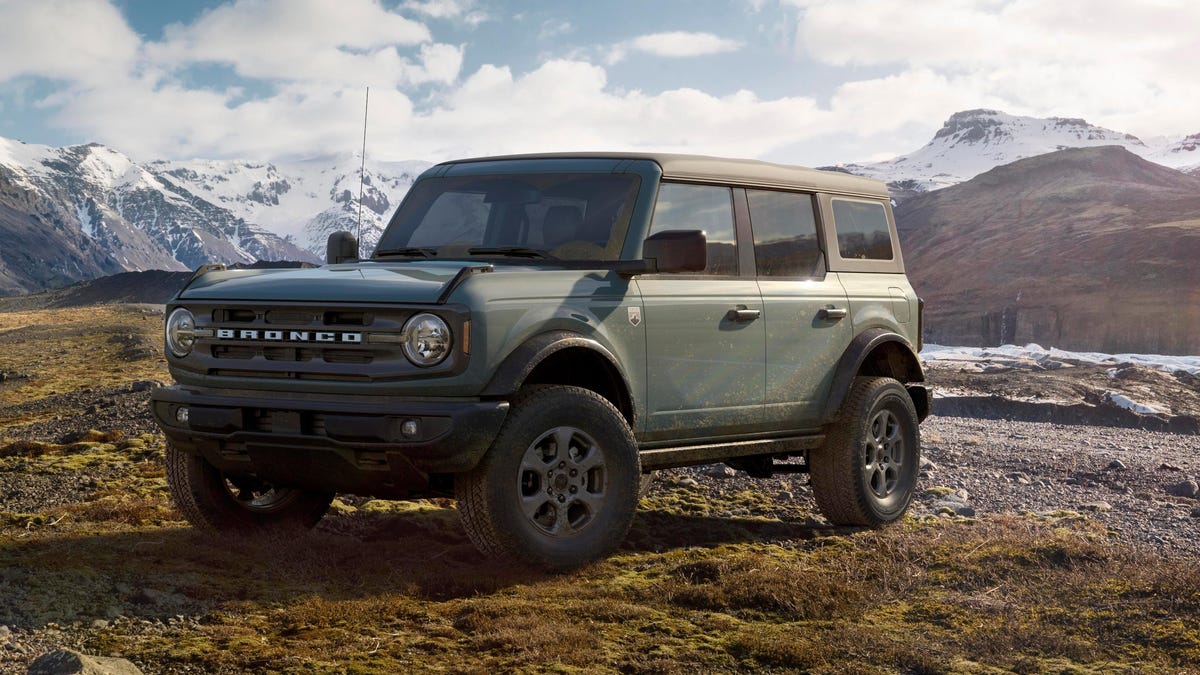
Ford to Recall Bronco, Mustang, Explorer, F-150, and Aviator Over Roll Away Risk​

The issue stems from a loose fastener in the 10R80 10-speed automatic transmission that can disable the parking pawl.
Ford’s 10-speed automatic transmission, known internally as the 10R80, is pretty amazing. The ability to pack 10 forward gears into the space that a decade ago couldn’t hold more than six is a serious engineering feat.

Unfortunately for Ford and its customers, that engineering feat has a serious problem.

According to a notice sent to dealers by Ford on February 13 and found by members of the Bronco6G forum, a bolt inside the transmission can come loose and render the parking pawl inoperable, which could lead to an incident where the vehicle could roll away.

This issue affects all models which use the 10R80, including the 2022-23 Ford Mustang, Bronco, F-150, Explorer and the 2023 Lincoln Aviator.

This transmission was co-developed with General Motors, though the GM version is built in a different plant, and no issues have yet been reported. The Ford transmissions were built at both the Livonia, Michigan, and Sharonsville, Ohio, transmission plants.

The severity of this issue and the likelihood that this repair will require a lot of labor to correct has led Ford to issue an order stopping the delivery of vehicles to customers, and an order for dealers not to demo any vehicles to potential customers.

Ford expects to start mailing notices to owners of existing vehicles on or around February 27. Owners who have questions can contact Ford’s customer service department at 1-866-436-7332. Ford’s number for this recall is 23S06.

Ford is still looking for a fix for this issue. Still, it’s always a good idea for owners of vehicles with automatic transmissions to apply the parking brake in addition to using the park position on their gear selector to prevent rolling away and reduce wear and tear on the transmission.


Ford Warns Customers To Stop Driving Bronco And Ranger As Wheels Could Detach - CarBuzz​

1131250.jpg


Ford has warned owners of certain Ranger and Bronco models not to drive their vehicles as improperly tightened lug nuts on the driver's side could cause the wheels to fall off.

The recall involves 1,434 models in total, with 992 of those being Bronco SUVs and the remaining 442 units being Ranger pickups. In both cases, certain 2022 and 2023 models are affected.

While recalls are often issued before any incident occurs, Ford admitted that there was at least one report of a detached wheel that made contact with another vehicle.

Fortunately, the automaker is not aware of any injuries pertaining to what could be an incredibly dangerous event. This latest recall follows a dismal 2022 where Ford issued more recalls than any other manufacturer.

According to the safety call report, the automated tool that is typically used to torque road wheel lug nuts on the driver's side was out of action for repair in February.

During that time, a backup manual process was used to torque the lug nuts. This change resulted in some lug nuts on the left side (both front and rear wheels) not being torqued correctly.

The automated tool that performed the same job on the right side of the vehicle was not affected, so the risk of wheel detachment does not extend to wheels on the right side.

A vibration or noise could signal loose lug nuts, but we'd advise owners to take Ford's warning seriously and arrange for the vehicle to be checked before driving it, a process that will be handled free of charge.

While wheel and tire detachment aren't exactly common, the risk of an accident, when it occurs, is high for both the driver of the affected vehicle and other road users in the vicinity.

Plus, the thought of one of the Bronco's available 35-inch tires hurtling toward you on the highway doesn't exactly elicit warm and fuzzy feelings.

The Toyota bZ4X and related Subaru Solterra were affected by almost exactly the same wheel detachment issue. In that case, the issue dragged on for months before Toyota announced a fix. In the period while the EV was still under recall, sales stalled and Toyota even went as far as to offer a buyback option to affected customers.

For Ford, the frequency of recalls only adds to the Blue Oval's continuing quality issues that have led to production pausing at some plants. Last year, even the company's CEO admitted that it would take a few years before the situation improves.

 
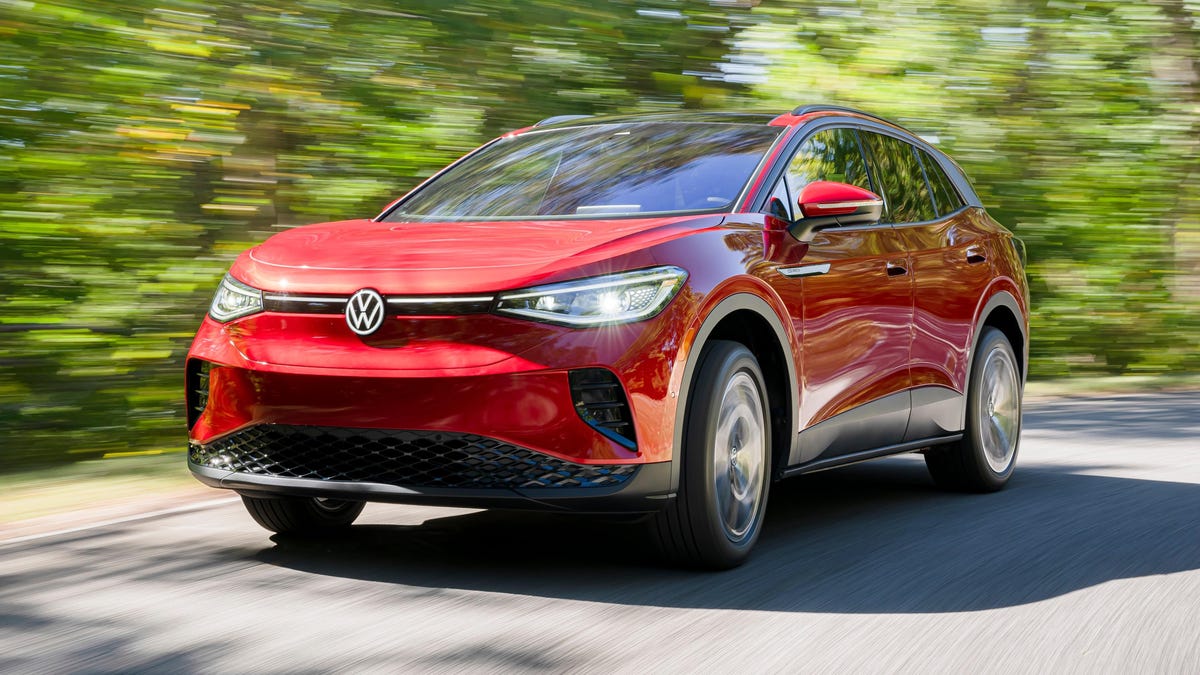
Volkswagen ID.4 Recalled Because The Doors Could Swing Open When Driving

If water gets into the door lock mechanism, you better get ready for it to possibly pop open going around a corner.

Volkswagen is recalling 35,325 ID.4 electric crossovers because of a slight issue where the doors just happen to pop open unexpectedly while driving at low speeds. The National Highway Traffic Safety Administration recall report says the affected vehicles were built in Zwickau, Germany for the U.S. market between December 2020 and December 2022.

Door handles on these ID.4s may not have been built to factory specifications for protection against water getting in. According to NHTSA, if water gets in, it could damage the printed circuit board and lead to malfunctions causing an “open command” to the door lock.

But wait, there’s more! The ID.4’s door could then unexpectedly open if it’s “subject to high lateral forces at speeds below 9 mpg.” Basically, if you take a turn too quickly in your ID.4 with all of its 200-ish horsepower, your door may swing open. That – as you may have guessed – is not a good thing. NHTSA says it could put not only the occupants inside the vehicle at risk, but it could also hurt people outside the car as well as damage objects nearby if it swings open.

There isn’t too much of a warning that something like this could happen, either. NHTSA says that the only real tell is an audible clicking noise – similar to the sound of doors being locked or unlocked. However, if you’ve got the radio on or something of that nature, it would be pretty easy to miss the noise completely, and then be very surprised when your door swings open.

 
Another major (different) airbag recall:
The National Highway Traffic Safety Administration (NHTSA) said ARC Automotive's airbag inflators had ruptured and caused injury on several occasions due to a safety defect.

ARC replied that the agency's findings did not support a large-scale recall.
ARC's products are used by several top automakers, including BMW, General Motors, Hyundai and Kia.

GM on Friday agreed to recall almost one million vehicles. The driver of a GM-made SUV sustained facial injuries from a ruptured air bag this March.
 

NHTSA demands recall of 67 million airbag inflators made by ARC Automotive - Autoblog​

Supplier ARC Automotive rejected the U.S. regulator's request, documents show

08a83ec0-f18d-11ed-bbdf-9215f28af1fd


The National Highway Traffic Safety Administration (NHTSA) demanded the recall of 67 million airbag inflators because it believes there is a safety defect, but auto supplier ARC Automotive Inc rejected the U.S. regulator's request, documents released on Friday show.

The auto safety agency said the inflators pose an unreasonable risk of death or injury.

Even as ruptures mount, "ARC has not made a defect determination that would require a recall of this population," NHTSA said in its demand letter to the Tennessee-based company.

"Air bag inflators that project metal fragments into vehicle occupants, rather than properly inflating the attached airbag, create an unreasonable risk of death and injury."

ARC airbag inflators are in General Motors, Chrysler-parent Stellantis, BMW, Hyundai Motor, Kia Corp and other vehicles. GM on Friday agreed to recall nearly 1 million vehicles with ARC air bag inflators after a rupture in March resulted in facial injuries to a driver.

ARC rejected NHTSA's tentative conclusion that a defect exists saying it is based upon seven field ruptures in the United States. NHTSA "then asks ARC to prove a negative – that the 67 million inflators in this population are not defective" that were produced over 18 years. The company said it will continue to work with NHTSA and automakers to evaluate ruptures.

NHTSA in 2016 upgraded a probe of more than 8 million airbag inflators made by ARC after a driver was killed in Canada in a Hyundai vehicle and has been investigating more than seven years.

NHTSA initially opened an investigation in July 2015 following two reported injuries.


Jaguar is recalling I-Pace electric SUVs because the batteries can catch fire—and telling owners to park them outside in the meantime - FORTUNE​

AP23151486020484-e1685614219896.jpg


Jaguar is recalling more than 6,000 I-Pace electric SUVs in the U.S. due to the risk of the high-voltage battery catching fire, and it’s telling owners to park them outdoors.

The recall is the latest in a series of electric vehicle battery recalls because of the potential for fires.
Documents posted Wednesday by the U.S. National Highway Traffic Safety Administration say the recall covers all of the SUVs from the 2019 through 2024 model years.

In an email, Jaguar said customers should park away from structures until recall repairs have been completed, and where possible, they should charge outdoors. Owners with questions should contact a dealer if they have any concerns, the company said.

The documents say the vehicle batteries were made by LG Energy Solution, which is under investigation by the NHTSA after five automakers issued recalls due to possible defects that could cause fires or stalling.

The NHTSA opened the probe in April of 2022 covering more than 138,000 vehicles with the South Korean company’s lithium-ion batteries.

General Motors, Mercedes-Benz, Hyundai, Stellantis and Volkswagen have issued recalls since February of 2020, most due to internal battery failures that can increase the risk of fires.

The agency said it will write to LG and other companies that might have bought similar batteries to make sure recalls are being done when needed.

LG Energy Solution, based in Seoul, South Korea, noted that Jaguar is updating the battery-managing software on the vehicles while the incidents that led to the recall are being investigated.

“LG Energy Solution continues to closely work with our client Jaguar Land Rover to ensure that the investigation is concluded,” it said in a statement Thursday.

 
Top
Sign up to the MyBroadband newsletter
X