


bennyblanco
Well-Known Member
Shouldn't be a problem for Stellantis South Africa considering they probably only sold like 5 of these this year......
South Africa’s biggest forum. Discuss, discover, and connect with thousands of members.

 www.arenaev.com


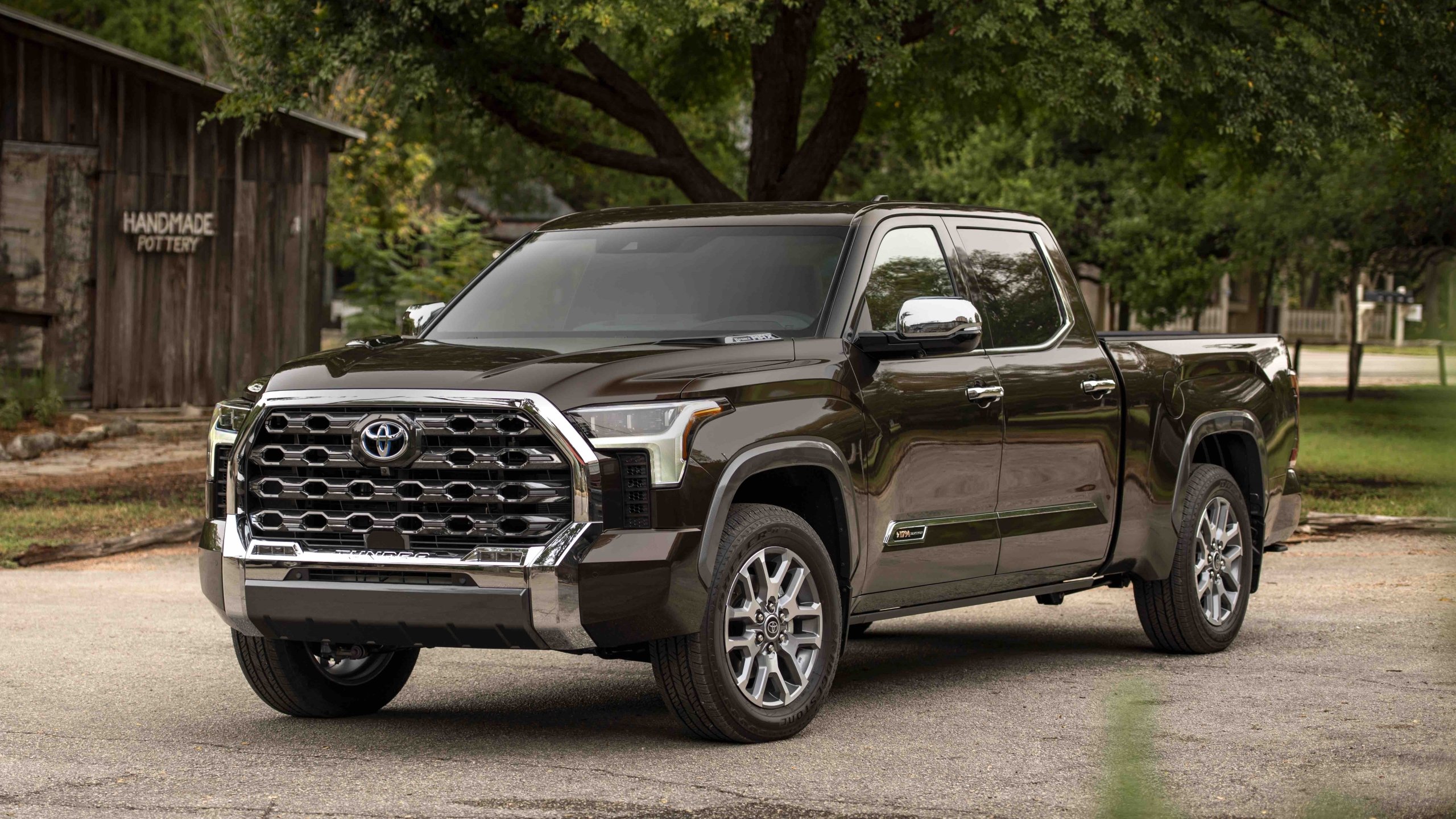
The time is nigh for the great Toyota engine swap. Undoubtedly one of the largest and most expensive recalls in the automaker’s history, Toyota dealerships are heading into December as prepared and as anxious as they can be.
In May, Toyota announced a recall of its 3.5-liter twin-turbo V6. The affected models are the 2022 and 2023 Toyota Tundra pickups and Lexus LX SUVs. The issue was engine failure due to metal debris contaminating the circulating oil. The reason this debris, called swarf, existed in the first place was because internal passages within the engine block or cylinder heads were not thoroughly cleaned during the assembly process.
The obvious fix would be to remove the engine for disassembly, cleaning, and reassembly, followed by reinstallation. Sounds simple, but it’s a labor-intensive and time-consuming repair. Instead, Toyota opted to replace the engines entirely.
However, the size of the recall (102,292 vehicles), the complexity of the repair (some 13 to 21 hours of work), and the resources needed (technicians, service bays, loaner cars) make this course of action equally daunting.
According to Automotive News, from the get-go, Toyota’s planning process “has been to try and reduce complexity for our technicians,” said Kent Rice, Toyota Group vice president of quality. “We’ve spent a lot of time consulting different groups, including dealer councils, and they have been really helpful in their feedback.”
Toyota wants to streamline its repair efforts and make engine replacements as easy as possible for dealerships and technicians. If the recall repairs run as hoped, the benefits are twofold: an efficient (and cost-saving) recall repair and new skills training for junior technicians.
 www.thedrive.com

In a dealer bulletin, General Motors has issued a stop-sale order and agreed to a full recall of every full-size pickup and SUV powered by its troublesome L87 6.2-liter V8 produced for the 2021-2024 model years. This comes after widespread owner reports of complete engine failure piled up over the last year, creating a service crisis at dealership and prompting an NHTSA investigation in January.
Seen in one of two related bulletins shared on the gmc-trucks.com forums, GM offered the following guidance for dealers with 6.2-liter models in inventory:
“General Motors has decided that a defect which relates to motor vehicle safety may exist in certain 2021 – 2024 model year Cadillac Escalade and Escalade ESV, Chevrolet Silverado 1500, Suburban, and Tahoe, and GMC Sierra 1500, Yukon, and Yukon XL vehicles equipped with the 6.2L V8 gas engine (RPO L87). The connecting rod and/or crankshaft engine components in these vehicles may have manufacturing defects that can lead to engine damage and engine failure. If the engine fails during vehicle operation, the vehicle will lose propulsion, increasing the risk of a crash.”
Vehicles that pass inspection are to be refilled with a higher weight oil (0W-40 versus the standard 0W-20), a new oil fill cap, an “owner’s manual insert,” and may be returned to inventory.
When reached for comment, a GM spokesperson provided the following statement: “GM will voluntarily recall certain 2021-2024 Chevrolet Silverado 1500, Tahoe, Suburban, GMC Sierra 1500, Yukon, Yukon XL, Cadillac Escalade and Escalade ESV models equipped with 6.2L L87 engines to resolve manufacturing issues affecting some engines. The safety and satisfaction of our customers are the highest priorities for the entire GM team, and we’re working to address this matter as quickly as possible.”
Earlier this year, the National Highway Traffic Safety Administration opened a “Preliminary Evaluation” targeting 2019-2024 GM trucks and SUVs equipped with the L87, citing nearly 350 customer complaints lodged with the agency.
As you’ve probably already concluded, 2025 models appear to be exempt from this. A source says that the 6.2-liter V8s in 2025-model-year trucks and SUVs are the product of updated tooling which eliminates the underlying issue.
That’s good news for shoppers who are looking for a 2025—at least on the surface—but it appears that the V8 situation has gummed the works up a bit.
While there are plenty of 2025 GM trucks and SUVs in current dealer inventories, 6.2-liter examples are thin on the ground, only slightly outnumbering the trucks available with diesels. This suggests that GM is still crunching a backlog of customer replacement engines alongside the units being assembled for new stock.
 www.thedrive.com

2025 is shaping up to be memorable for various reasons, but for Ford, it’s mostly been about recalls. Forget the ongoing drama over Trump tariffs; the real headline has been a steady stream of safety issues.
Earlier this month, Ford pulled back about 270,000 Expeditions and Navigators due to concerns over possible brake failure. That wasn’t a one-off either—it followed major recall waves in April, March, and February.
And now? Ford has just alerted the NHTSA about another massive recall involving nearly 1.1 million vehicles. It’s turning into a tough year in Dearborn.
This recall boils down to a software bug that messes with the rearview camera. Basically, when you shift into reverse, the image might lag, freeze up, or not show at all.
Ford's documentation clearly explains the issue, and they’ve confirmed it after reproducing it in testing. According to Reuters, at least one minor crash with property damage has been linked to the glitch.
If you're affected, expect a notice from Ford in June 2025. The fix? A software update, either at the dealership or through an over-the-air download, is entirely free.
The catch is, the update isn’t ready just yet. Ford says it should roll out sometime between July and September 2025.
 www.howtogeek.com

If there’s one thing people count on from Toyota, it’s rock-solid reliability. These are the vehicles that rack up miles like trophies and rarely flinch.
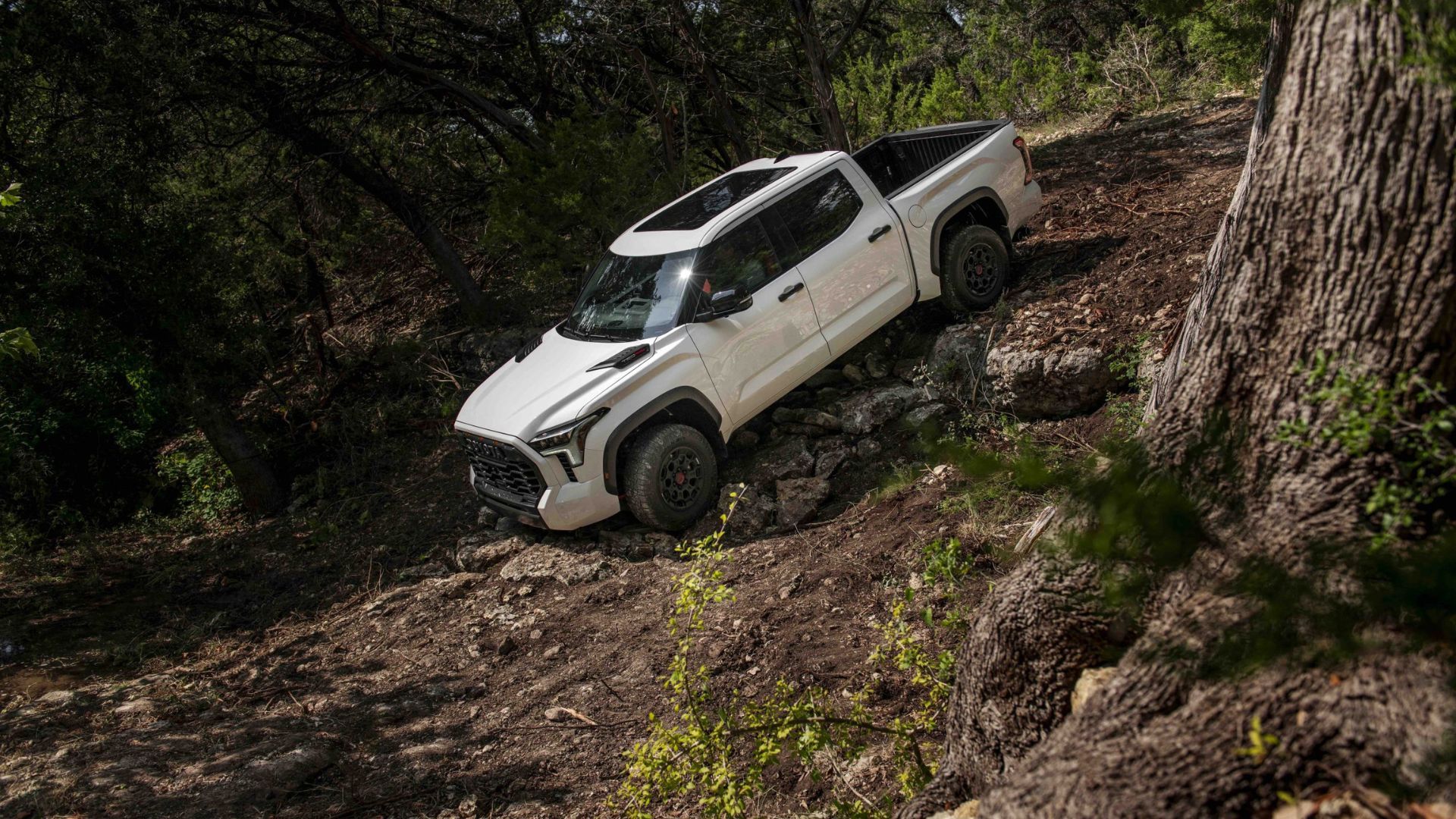
But hey, even legends have off days. Toyota just announced a major recall of its full-size Tundra pickup—proof that perfection’s a high bar for anyone.
This recall affects over 443,000 Toyota Tundra and Tundra Hybrid trucks from model years 2022 through 2025. That’s a hefty number of pickups, but thankfully, the problem at hand isn’t catastrophic.
We’re not talking fireballs from mirror adjustments or transmissions going full Michael Bay. Instead, it’s a much smaller gremlin: the reverse lights might not turn on when you’re backing up.
Still, it’s not something to shrug off. Without those lights, drivers lose visibility at night, and pedestrians or nearby cars might not realize a truck is moving in reverse.
The culprit? Moisture sneaking into the light housings and slowly corroding the electrical connections—annoying, but fixable.
 www.howtogeek.com

