


-
- News
-
Categories
- 5G
- ADSL
- AI
- Banking
- Black Friday
- Broadband
- Broadcasting
- Business
- Business Telecoms
- Cellular
- Cloud and Hosting
- Columns
- Cryptocurrency
- Energy
- Enterprise
- Fibre
- Gadgets
- Gaming
- Government
- Hardware
- Industry News
- Internet
- Internet of Things
- Investing
- IT Services
- Motoring
- Reviews
- Science
- Security
- Smartphones
- Software
- Technology
- Telecoms
- Trending
- Wireless
- Press Office
- Forum
- Industry News
- What's Next
- Company hub
- Speed Test
- About us
- Advertise with us
- Contact
- Careers
-
Join the MyBroadband community
South Africa’s biggest forum. Discuss, discover, and connect with thousands of members.
-
Question of the Day: Do you get motion sick?
- Forums
- General discussions
- Motoring and Transportation: Cars, Bikes and Plane
- General Motoring News and Reviews
You are using an out of date browser. It may not display this or other websites correctly.
You should upgrade or use an alternative browser.
You should upgrade or use an alternative browser.
The Xiaomi EV Thread
- Thread starter FiestaST
- Start date
FiestaST
Honorary Master
FiestaST
Honorary Master
FiestaST
Honorary Master
Xiaomi EV rides high on strong demand with 28,000 vehicles delivered last month
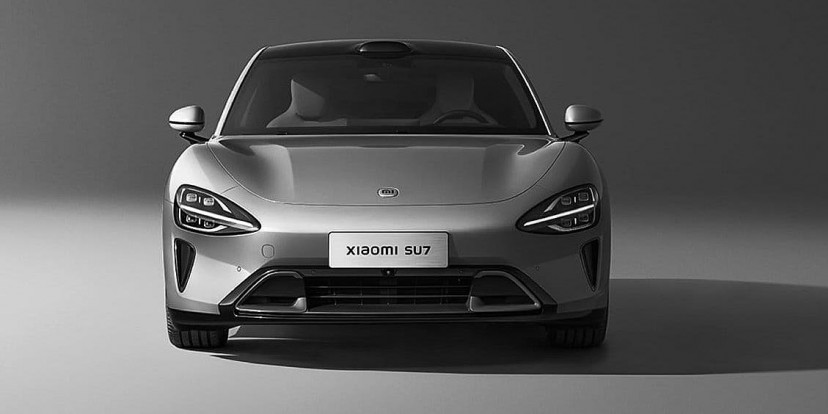
Xiaomi EV, the electric vehicle arm of the technology giant Xiaomi, announced on the social media platform Weibo that it delivered over 28,000 vehicles in April. This is the seventh consecutive month with Xiaomi EV's monthly deliveries going over the 20,000 mark. While this figure is slightly below the "over 29,000 units" reported in March, it still shows the huge demand the company is experiencing.
The Xiaomi SU7, officially launched on March 28, 2024, has positioned itself as a direct competitor to the Tesla Model 3, although it is as large as the Model S. It is offered in three distinct versions: the Standard, Pro, and Max. The Standard variant starts at a competitive price of approximately €26,800 (RMB 215,900), while the Pro and Max versions are priced at RMB 245,900 (€30,500) and RMB 299,900 (€37,170), respectively. Deliveries for the Standard and Max models started in April 2024.
Expanding its electric vehicle lineup, Xiaomi EV also unveiled the SU7 Ultra on February 27. This high-performance electric sedan has 1,548 horsepower and is based on the design of the regular SU7. The SU7 Ultra is priced starting at RMB 529,900 (€65,700), with deliveries already underway since March. Xiaomi EV has plans to broaden its offerings with the introduction of the YU7, an electric SUV anticipated to arrive in June or July.
The strong demand and consistent delivery numbers can't hide the fact that Xiaomi EV is having problems with production capacity. According to reports from CnEVPost, customers ordering the new SU7 now face a delivery wait of approximately 40 weeks. This is a big jump from the initial waiting period of around 30 weeks when the model was first launched last year, and it suggests growing order backlogs.
 www.arenaev.com
Xiaomi EV, the electric vehicle arm of the technology giant Xiaomi, announced on the social media platform Weibo that it delivered over 28,000 vehicles in April. This is the seventh consecutive month with Xiaomi EV's monthly deliveries going over the 20,000 mark. While this figure is slightly below the "over 29,000 units" reported in March, it still shows the huge demand the company is experiencing.
The Xiaomi SU7, officially launched on March 28, 2024, has positioned itself as a direct competitor to the Tesla Model 3, although it is as large as the Model S. It is offered in three distinct versions: the Standard, Pro, and Max. The Standard variant starts at a competitive price of approximately €26,800 (RMB 215,900), while the Pro and Max versions are priced at RMB 245,900 (€30,500) and RMB 299,900 (€37,170), respectively. Deliveries for the Standard and Max models started in April 2024.
Expanding its electric vehicle lineup, Xiaomi EV also unveiled the SU7 Ultra on February 27. This high-performance electric sedan has 1,548 horsepower and is based on the design of the regular SU7. The SU7 Ultra is priced starting at RMB 529,900 (€65,700), with deliveries already underway since March. Xiaomi EV has plans to broaden its offerings with the introduction of the YU7, an electric SUV anticipated to arrive in June or July.
The strong demand and consistent delivery numbers can't hide the fact that Xiaomi EV is having problems with production capacity. According to reports from CnEVPost, customers ordering the new SU7 now face a delivery wait of approximately 40 weeks. This is a big jump from the initial waiting period of around 30 weeks when the model was first launched last year, and it suggests growing order backlogs.
Xiaomi EV rides high on strong demand with 28,000 vehicles delivered last month
Strong delivery figures for the Xiaomi SU7 prove growing consumer appetite for new electric vehicles, but the long waiting times also reveal the production challenges the company faces.
www.arenaev.com
FiestaST
Honorary Master
Xiaomi unleashes full power of SU7 Ultra after customer backlash
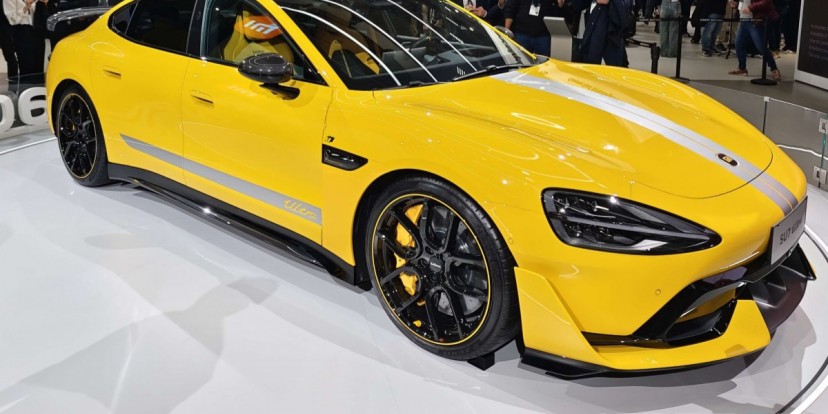
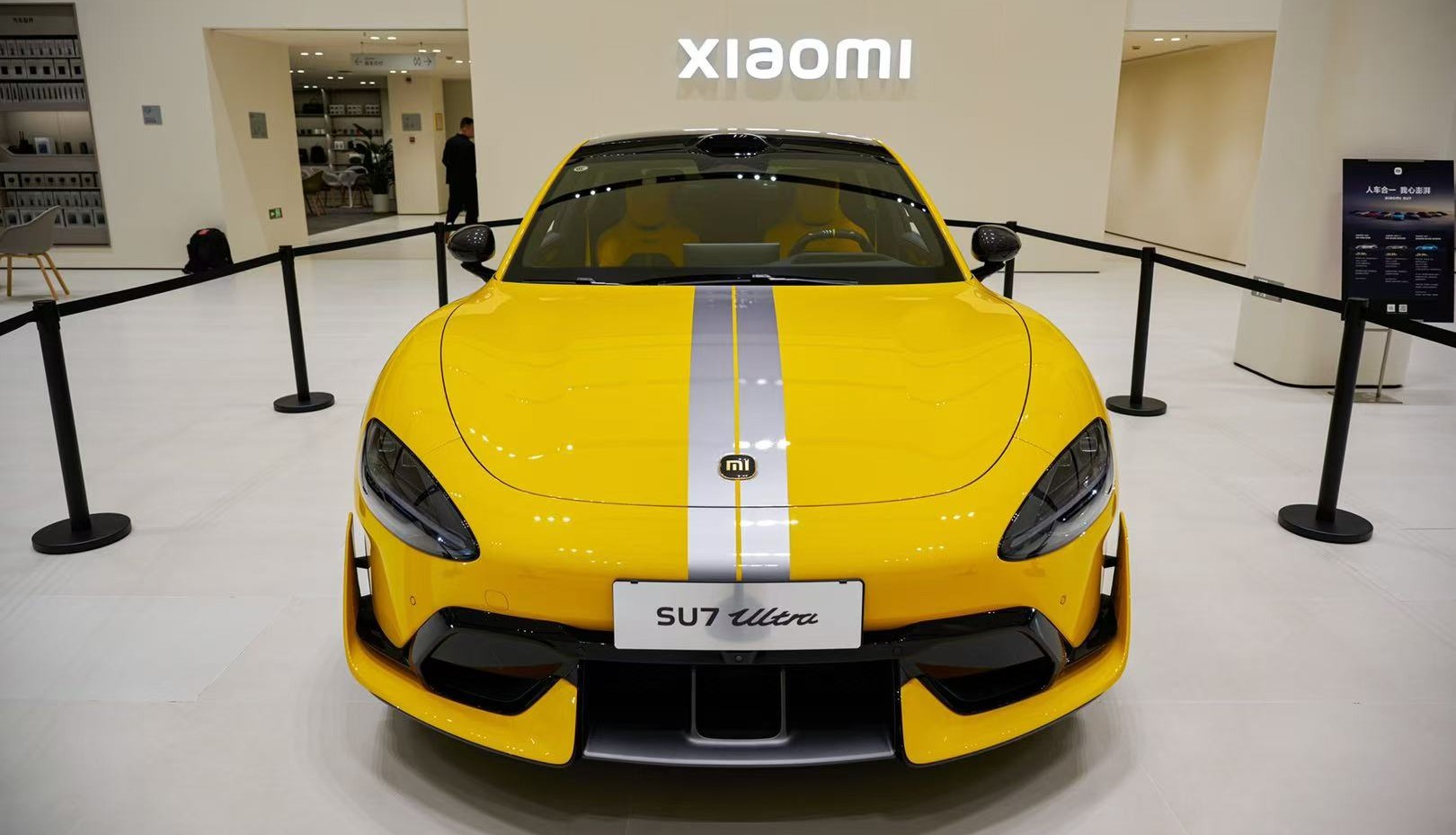
The Xiaomi SU7 Ultra, the tech giant's high-performance electric sedan, is now delivering its originally advertised power after the latest software update. Following its launch, some owners of the flagship EV discovered that a software setting limited the car's output to 900 horsepower despite the vehicle's capability to produce significantly more. This sparked immediate disappointment among buyers who had paid for the top-tier performance.
The SU7 Ultra had already made a strong impression in the automotive world. A test version of the car impressively outperformed the Tesla Model S Plaid. A pre-production SU7 Ultra prototype achieved a remarkable lap time of 6 minutes and 46.874 seconds at the challenging Nürburgring circuit. This result puts the 1,500+ horsepower Xiaomi ahead of supercars like the Rimac Nevera, Corvette ZR1, Viper ACR, and Porsche 918.
Given these impressive feats, the revelation that the commercially available SU7 Ultra was restricted by nearly 650 horsepower through software came as a significant letdown to early adopters. The online backlash from SU7 Ultra owners was swift and vocal. In response to this pressure, Xiaomi decided to remove the performance-limiting software. In a public statement, the company acknowledged its misstep, stating, "We appreciate the passionate feedback from our community and will ensure better transparency moving forward."
Xiaomi's U-turn means that SU7 Ultra owners can now experience the full potential of their wild EV. This situation exposes a growing challenge for automakers shifting to "software-defined vehicles." Companies might see opportunities in offering features and performance upgrades through OTA updates, but many consumers still view their cars purely as hardware.
 www.arenaev.com
 carnewschina.com
The Xiaomi SU7 Ultra, the tech giant's high-performance electric sedan, is now delivering its originally advertised power after the latest software update. Following its launch, some owners of the flagship EV discovered that a software setting limited the car's output to 900 horsepower despite the vehicle's capability to produce significantly more. This sparked immediate disappointment among buyers who had paid for the top-tier performance.
The SU7 Ultra had already made a strong impression in the automotive world. A test version of the car impressively outperformed the Tesla Model S Plaid. A pre-production SU7 Ultra prototype achieved a remarkable lap time of 6 minutes and 46.874 seconds at the challenging Nürburgring circuit. This result puts the 1,500+ horsepower Xiaomi ahead of supercars like the Rimac Nevera, Corvette ZR1, Viper ACR, and Porsche 918.
Given these impressive feats, the revelation that the commercially available SU7 Ultra was restricted by nearly 650 horsepower through software came as a significant letdown to early adopters. The online backlash from SU7 Ultra owners was swift and vocal. In response to this pressure, Xiaomi decided to remove the performance-limiting software. In a public statement, the company acknowledged its misstep, stating, "We appreciate the passionate feedback from our community and will ensure better transparency moving forward."
Xiaomi's U-turn means that SU7 Ultra owners can now experience the full potential of their wild EV. This situation exposes a growing challenge for automakers shifting to "software-defined vehicles." Companies might see opportunities in offering features and performance upgrades through OTA updates, but many consumers still view their cars purely as hardware.
Xiaomi unleashes full power of SU7 Ultra after customer backlash
Facing customer dissatisfaction over a software-imposed power limit, Xiaomi has released an update unlocking the full potential of their high-performance electric sedan, the SU7 Ultra.
www.arenaev.com
Xiaomi backtracks on SU7 Ultra's performance restrictions after owners’ outcry
Xiaomi reversed an update limiting its SU7 Ultra's 1548 HP output after owner backlash, highlighting tensions between performance and safety in high-powered EVs
carnewschina.com
FiestaST
Honorary Master
Xiaomi signs partnership agreement with Nurburgring
Chinese tech giant Xiaomi is making a big push into the electric car market and has now forged a partnership with Germany's legendary Nurburgring race track. This will allow Xiaomi to use the iconic track as a platform for development and promotion.
The partnership includes the naming of a new "Xiaomi curve" on the Grand Prix circuit, specifically turn 12, a challenging left-hand bend following the Michael Schumacher S or the Goodyear Spange on the shorter sprint layout. Additionally, Xiaomi's presence will be visible on the Nordschleife, the longer and more demanding circuit, with a large advertising installation situated between the Aremberg and Fuchsrohre sections.
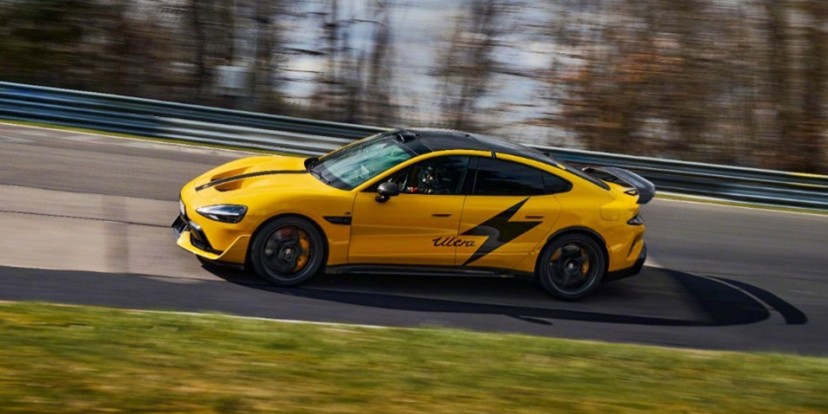
This comes as the production version of Xiaomi's high-performance electric sedan, the SU7 Ultra, is taking on the Nurburgring challenge. Back in October, a prototype of the SU7 Ultra clocked an impressive lap time of 6:46.874, reportedly making it the fastest four-door car to ever tackle the circuit. The production model, launched in China in late February with a staggering 1,548 horsepower, has a starting price of just over €65,800. Xiaomi's founder and CEO, Lei Jun, recently announced that the production of SU7 Ultra is once again testing its mettle on Nürburgring.
Beyond setting lap records, Xiaomi is now officially part of the testing and development activities at the Nürburgring. For 16 weeks each year, the track serves as a crucial hub for automotive manufacturers and suppliers to refine their vehicles and components. Xiaomi will now leverage this opportunity to advance its electric car technology.
 www.arenaev.com
Chinese tech giant Xiaomi is making a big push into the electric car market and has now forged a partnership with Germany's legendary Nurburgring race track. This will allow Xiaomi to use the iconic track as a platform for development and promotion.
The partnership includes the naming of a new "Xiaomi curve" on the Grand Prix circuit, specifically turn 12, a challenging left-hand bend following the Michael Schumacher S or the Goodyear Spange on the shorter sprint layout. Additionally, Xiaomi's presence will be visible on the Nordschleife, the longer and more demanding circuit, with a large advertising installation situated between the Aremberg and Fuchsrohre sections.
This comes as the production version of Xiaomi's high-performance electric sedan, the SU7 Ultra, is taking on the Nurburgring challenge. Back in October, a prototype of the SU7 Ultra clocked an impressive lap time of 6:46.874, reportedly making it the fastest four-door car to ever tackle the circuit. The production model, launched in China in late February with a staggering 1,548 horsepower, has a starting price of just over €65,800. Xiaomi's founder and CEO, Lei Jun, recently announced that the production of SU7 Ultra is once again testing its mettle on Nürburgring.
Beyond setting lap records, Xiaomi is now officially part of the testing and development activities at the Nürburgring. For 16 weeks each year, the track serves as a crucial hub for automotive manufacturers and suppliers to refine their vehicles and components. Xiaomi will now leverage this opportunity to advance its electric car technology.
Xiaomi signs partnership agreement with Nurburgring
Chinese tech giant Xiaomi partners with the Nürburgring, showcasing their commitment to the electric vehicle market with trackside branding and ongoing development of their SU7 electric car.
www.arenaev.com
FiestaST
Honorary Master
Xiaomi SU7 faces quality concerns, some owners sue the company
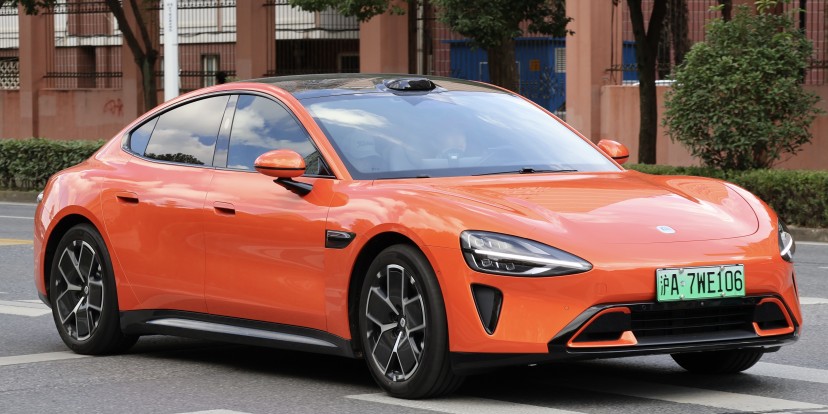
Despite impressive sales figures, the Xiaomi SU7 is not getting any praise for quality. The 2025 Q1 China Automobile Quality Ranking for large battery electric sedans placed the SU7 last among 29 Chinese models. This ranking, compiled by the state-run China Automobile Quality Network, indicates a higher risk of potential defects and a greater number of owner complaints relative to sales for the Xiaomi EV.
The China Automobile Quality Network, a platform overseen by the China Market Supervision Administration, tallies reports from car owners detailing vehicle faults and issues. These reports are then converted into penalty points, with a higher score signifying lower quality.
The Xiaomi SU7 received a concerning 239 penalty points, a full 56 points above the average for its segment. In contrast, the GAC Hyptec GT sedan topped the ranking with 149 points, followed by the Voyah Passion (152 points) and the Avatr 12 (153 points). Even established European-bound EVs like the Nio ET7 and ET9 scored significantly better, landing in the middle of the list with 183 points. Other models ranking higher than the SU7 include the Zeekr 001 (185 points), Lotus Emeya (185 points), BYD Han (194 points), and the Denza Z9 GT (214 points).
New reports of over 400 Xiaomi SU7 Ultra owners banding together to sue the company are only adding to the trouble Xiaomi faces. These owners have allegedly pooled RMB 3,000 (approximately €374) each to cover legal expenses. As always, the authenticity of online chat records detailing this action is tricky to prove, but the development shows growing dissatisfaction among owners of Xiaomi's premium electric sedan. The core of the dispute centers on an optional carbon fiber front hood priced at RMB 42,000 (around €5,250). This component was marketed as featuring functional "dual air ducts" designed to improve aerodynamics and cooling.
 www.arenaev.com
Despite impressive sales figures, the Xiaomi SU7 is not getting any praise for quality. The 2025 Q1 China Automobile Quality Ranking for large battery electric sedans placed the SU7 last among 29 Chinese models. This ranking, compiled by the state-run China Automobile Quality Network, indicates a higher risk of potential defects and a greater number of owner complaints relative to sales for the Xiaomi EV.
The China Automobile Quality Network, a platform overseen by the China Market Supervision Administration, tallies reports from car owners detailing vehicle faults and issues. These reports are then converted into penalty points, with a higher score signifying lower quality.
The Xiaomi SU7 received a concerning 239 penalty points, a full 56 points above the average for its segment. In contrast, the GAC Hyptec GT sedan topped the ranking with 149 points, followed by the Voyah Passion (152 points) and the Avatr 12 (153 points). Even established European-bound EVs like the Nio ET7 and ET9 scored significantly better, landing in the middle of the list with 183 points. Other models ranking higher than the SU7 include the Zeekr 001 (185 points), Lotus Emeya (185 points), BYD Han (194 points), and the Denza Z9 GT (214 points).
New reports of over 400 Xiaomi SU7 Ultra owners banding together to sue the company are only adding to the trouble Xiaomi faces. These owners have allegedly pooled RMB 3,000 (approximately €374) each to cover legal expenses. As always, the authenticity of online chat records detailing this action is tricky to prove, but the development shows growing dissatisfaction among owners of Xiaomi's premium electric sedan. The core of the dispute centers on an optional carbon fiber front hood priced at RMB 42,000 (around €5,250). This component was marketed as featuring functional "dual air ducts" designed to improve aerodynamics and cooling.
Xiaomi SU7 faces quality concerns, some owners sue the company
The Xiaomi SU7, despite strong initial sales, is facing setbacks with a low quality ranking and a dispute over a promoted feature, raising questions about the company's handling of customer expectations.
www.arenaev.com
FiestaST
Honorary Master
FiestaST
Honorary Master
Xiaomi reveals the new YU7 electric SUV
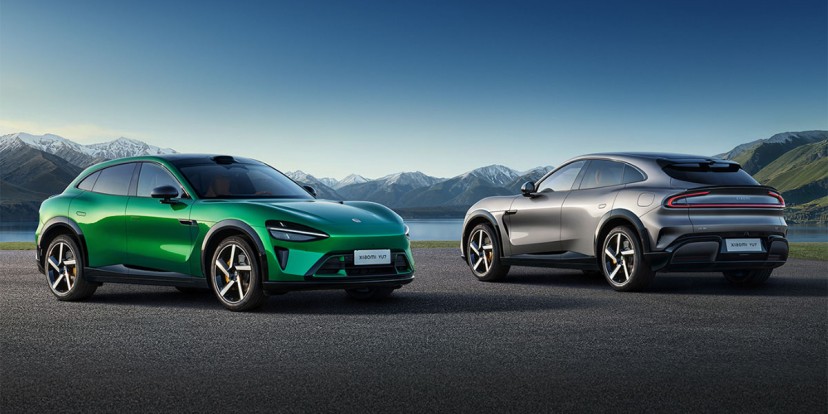
Following the launch of the SU7 sedan, Xiaomi has now officially unveiled its second EV, the YU7. It is a mid-to-large size electric SUV that appears ready to challenge established players, especially Tesla's popular Model Y.
The YU7 cuts an imposing figure, measuring 4,999 mm long, 1,996 mm wide, and 1,608 mm tall, with a generous 3,000 mm wheelbase. These dimensions make it noticeably larger than the current Model Y. Xiaomi offers the YU7 in nine exterior colors, including a striking green inspired by Colombian emeralds, alongside orange and metallic titanium finishes.
Buyers can choose between 19-inch and 20-inch wheels. The vehicle's weight ranges from 2,140 kg to 2,460 kg, depending on the specific configuration. Clever design touches include inward-folding electric door handles with ambient lighting and Ultra-Wideband (UWB) technology, allowing for keyless entry and trunk access using a smartphone.
Step inside the five-seat YU7 and the focus on luxury and technology becomes apparent. The cabin is fully lined with leather, featuring Nappa-wrapped "zero gravity" front seats that can recline to 123 degrees and offer 10-point massage functions for ultimate comfort. Rear passengers get seats that can be electrically adjusted up to 135 degrees and a 6.68-inch touchscreen for controlling climate, music, and navigation.
Dominating the dashboard is a massive 1.1-meter-wide "HyperVision" display, made up of three Mini LED screens. This system integrates driving information, media playback, blind-spot monitoring, and customizable widgets. Snapdragon 8 Gen 3 chip is powering this giant display, ensuring a swift boot-up in just 1.35 seconds and over-the-air software updates in as little as 15 minutes.
Xiaomi is rolling out three versions of the YU7. The entry-level YU7 RWD (Rear-Wheel Drive) features a single electric motor producing 235 kilowatts of power and 528 Nm of torque, enabling it to accelerate from 0 to 100 km/h in just under 5.9 seconds, with a top speed of 240 km/h. Next is the YU7 Pro AWD (All-Wheel Drive), which uses dual motors for a combined output of 365 kW and 690 Nm, quickening the 0-100 km/h dash to 4.27 seconds while maintaining the 240 km/h top speed.
The range-topping YU7 Max AWD boasts a powerful dual-motor setup delivering 508 kW and 866 Nm of torque. This powerhouse can sprint from 0 to 100 km/h in a little bit over 3.2 seconds and reaches a top speed of 253 km/h.
 www.arenaev.com
 www.xiaomiev.com


Following the launch of the SU7 sedan, Xiaomi has now officially unveiled its second EV, the YU7. It is a mid-to-large size electric SUV that appears ready to challenge established players, especially Tesla's popular Model Y.
The YU7 cuts an imposing figure, measuring 4,999 mm long, 1,996 mm wide, and 1,608 mm tall, with a generous 3,000 mm wheelbase. These dimensions make it noticeably larger than the current Model Y. Xiaomi offers the YU7 in nine exterior colors, including a striking green inspired by Colombian emeralds, alongside orange and metallic titanium finishes.
Buyers can choose between 19-inch and 20-inch wheels. The vehicle's weight ranges from 2,140 kg to 2,460 kg, depending on the specific configuration. Clever design touches include inward-folding electric door handles with ambient lighting and Ultra-Wideband (UWB) technology, allowing for keyless entry and trunk access using a smartphone.
Step inside the five-seat YU7 and the focus on luxury and technology becomes apparent. The cabin is fully lined with leather, featuring Nappa-wrapped "zero gravity" front seats that can recline to 123 degrees and offer 10-point massage functions for ultimate comfort. Rear passengers get seats that can be electrically adjusted up to 135 degrees and a 6.68-inch touchscreen for controlling climate, music, and navigation.
Dominating the dashboard is a massive 1.1-meter-wide "HyperVision" display, made up of three Mini LED screens. This system integrates driving information, media playback, blind-spot monitoring, and customizable widgets. Snapdragon 8 Gen 3 chip is powering this giant display, ensuring a swift boot-up in just 1.35 seconds and over-the-air software updates in as little as 15 minutes.
Xiaomi is rolling out three versions of the YU7. The entry-level YU7 RWD (Rear-Wheel Drive) features a single electric motor producing 235 kilowatts of power and 528 Nm of torque, enabling it to accelerate from 0 to 100 km/h in just under 5.9 seconds, with a top speed of 240 km/h. Next is the YU7 Pro AWD (All-Wheel Drive), which uses dual motors for a combined output of 365 kW and 690 Nm, quickening the 0-100 km/h dash to 4.27 seconds while maintaining the 240 km/h top speed.
The range-topping YU7 Max AWD boasts a powerful dual-motor setup delivering 508 kW and 866 Nm of torque. This powerhouse can sprint from 0 to 100 km/h in a little bit over 3.2 seconds and reaches a top speed of 253 km/h.
Xiaomi reveals the new YU7 electric SUV
The Xiaomi YU7 emerges as a feature-rich electric SUV with impressive performance, range, and technology.
www.arenaev.com
小米汽车
FiestaST
Honorary Master
Xiaomi to deliver 100,000 YU7 this year alone, taking sales away from Tesla Model Y
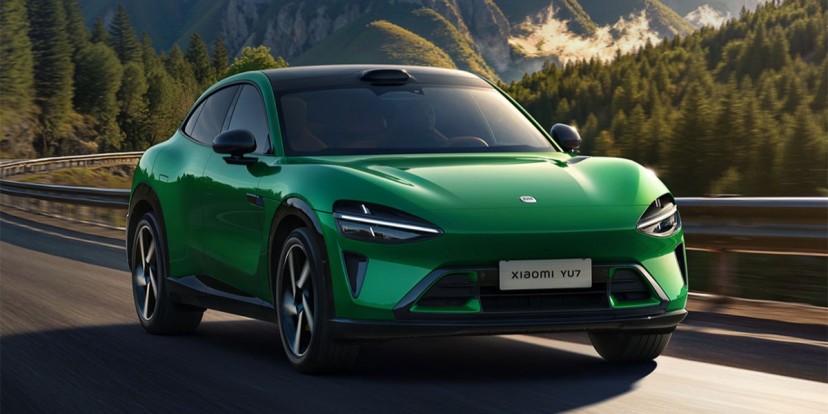
Xiaomi has officially unveiled the YU7's key specifications and features, announcing a full market launch in July. Industry watchers from Wang Bin's team at Deutsche Bank, anticipate that the first customer deliveries will start as early as July.
The bank projects that Xiaomi could deliver 100,000 units of the YU7 electric SUV in the full year of 2025. This is on top of an expected 280,000 units of its SU7 sedan, bringing Deutsche Bank's total forecast for Xiaomi EVs in 2025 to no less than 380,000 vehicles.
The figure is ambitious, as it even surpassed Xiaomi's own revised target of 350,000 units for 2025, which founder and CEO Lei Jun announced in March. The company had initially planned for a combined capacity of 300,000 units from its two-phase Beijing plant.
There's no doubt Xiaomi has high ambitions, but ramping up production presents challenges. The company's first electric vehicle, the SU7, which began deliveries in April 2024, currently has customers facing wait times of 40 to 50 weeks, according to Xiaomi's EV App. This clearly shows that production capacity is still a big factor.
 www.arenaev.com
Xiaomi has officially unveiled the YU7's key specifications and features, announcing a full market launch in July. Industry watchers from Wang Bin's team at Deutsche Bank, anticipate that the first customer deliveries will start as early as July.
The bank projects that Xiaomi could deliver 100,000 units of the YU7 electric SUV in the full year of 2025. This is on top of an expected 280,000 units of its SU7 sedan, bringing Deutsche Bank's total forecast for Xiaomi EVs in 2025 to no less than 380,000 vehicles.
The figure is ambitious, as it even surpassed Xiaomi's own revised target of 350,000 units for 2025, which founder and CEO Lei Jun announced in March. The company had initially planned for a combined capacity of 300,000 units from its two-phase Beijing plant.
There's no doubt Xiaomi has high ambitions, but ramping up production presents challenges. The company's first electric vehicle, the SU7, which began deliveries in April 2024, currently has customers facing wait times of 40 to 50 weeks, according to Xiaomi's EV App. This clearly shows that production capacity is still a big factor.
Xiaomi to deliver 100,000 YU7 this year alone, taking sales away from Tesla Model Y
Chinese tech company Xiaomi is launching its YU7 electric SUV, aiming to challenge competitors like Tesla with impressive range and fast-charging capabilities.
www.arenaev.com
FiestaST
Honorary Master
How 'Apple Copycat' Xiaomi Made One Of China's Buzziest EVs
FiestaST
Honorary Master
FiestaST
Honorary Master
Xiaomi's Q1 results confirm electric car business is gaining momentum
There are no more doubts that Xiaomi is now making serious noise in the electric car market. The tech giant's jump into the EV world isn't just a side project; the latest financial results show the company is quickly becoming a real contender, even as the wider EV industry faces a bit of a slowdown. It seems making phones and making electric cars might have more in common than one would think.
The first quarter of 2025 was a telling period for Xiaomi's automotive ambitions. The company's electric vehicle division pulled in €2.25 billion (RMB 18.1 billion) in revenue. This was a great start, with an 11% increase from the fourth quarter of 2024. This kind of growth is interesting at a time when other manufacturers reported a slower pace in early 2025.
Apart from the revenue, the profitability signs are also encouraging. The gross margin climbed to 23.2 percent in the first quarter of 2025. That's up from 20.4 percent in the previous quarter. In simpler terms, Xiaomi is getting better at making money from each car and AI venture it sells. The operating loss shrank to €62 million (RMB 500 million) in Q1 2025, a big improvement from the $97 million (RMB 700 million) loss in the last quarter of 2024. While still a loss, the shrinking figure suggests Xiaomi is steering its EV ship toward calmer financial waters.
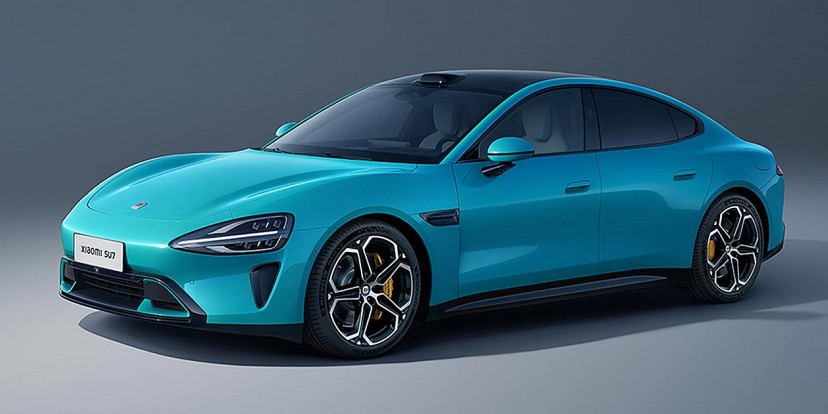
The star of Xiaomi's electric car show is undoubtedly the SU7 sedan. The company delivered 75,869 of these electric vehicles in the first three months of 2025. This figure represents an almost 9 percent jump from the 69,697 cars delivered in the fourth quarter of 2024. Since the SU7 first hit the streets, Xiaomi reports that cumulative deliveries have already reached over 258,000 units. That's a lot of new electric cars on the road from a brand that, until recently, was focused on what fits in your pocket, not what sits in your driveway.
 www.arenaev.com
There are no more doubts that Xiaomi is now making serious noise in the electric car market. The tech giant's jump into the EV world isn't just a side project; the latest financial results show the company is quickly becoming a real contender, even as the wider EV industry faces a bit of a slowdown. It seems making phones and making electric cars might have more in common than one would think.
The first quarter of 2025 was a telling period for Xiaomi's automotive ambitions. The company's electric vehicle division pulled in €2.25 billion (RMB 18.1 billion) in revenue. This was a great start, with an 11% increase from the fourth quarter of 2024. This kind of growth is interesting at a time when other manufacturers reported a slower pace in early 2025.
Apart from the revenue, the profitability signs are also encouraging. The gross margin climbed to 23.2 percent in the first quarter of 2025. That's up from 20.4 percent in the previous quarter. In simpler terms, Xiaomi is getting better at making money from each car and AI venture it sells. The operating loss shrank to €62 million (RMB 500 million) in Q1 2025, a big improvement from the $97 million (RMB 700 million) loss in the last quarter of 2024. While still a loss, the shrinking figure suggests Xiaomi is steering its EV ship toward calmer financial waters.
The star of Xiaomi's electric car show is undoubtedly the SU7 sedan. The company delivered 75,869 of these electric vehicles in the first three months of 2025. This figure represents an almost 9 percent jump from the 69,697 cars delivered in the fourth quarter of 2024. Since the SU7 first hit the streets, Xiaomi reports that cumulative deliveries have already reached over 258,000 units. That's a lot of new electric cars on the road from a brand that, until recently, was focused on what fits in your pocket, not what sits in your driveway.
Xiaomi's Q1 results confirm electric car business is gaining momentum
Xiaomi is quickly becoming a formidable player in the EV world, with sales exceeding expectations, profits going up and new models on the horizon.
www.arenaev.com
FiestaST
Honorary Master
FiestaST
Honorary Master
Xiaomi unveils the SU7 Ultra Track Edition
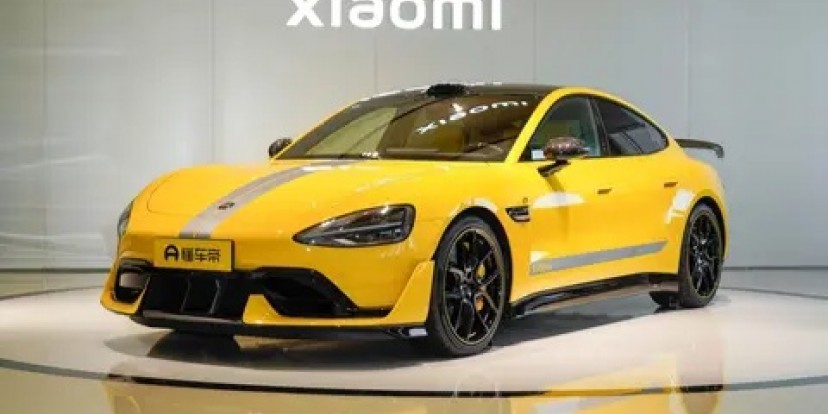
During the 2025 Guangdong-Hong Kong-Macao Greater Bay Area Auto Show, Xiaomi pulled the wraps off a special version of its SU7 electric sedan: the SU7 Ultra Track Edition. That's the most capable version of the company's first EV yet.
What turns the already powerful SU7 Ultra into a "Track Edition"? For an extra RMB 100,000 (about €12,510), owners get a Track Professional Package that includes serious hardware designed for speed and handling on a racetrack. The car rides on Bilstein EVO R adjustable coilovers, which means the suspension can be fine-tuned for different circuits. It grips the tarmac with Pirelli P Zero Trofeo RS semi-slick tires – extra sticky tires meant for racing.
Stopping power comes from Endless race-spec brake pads that grab onto the standard ceramic discs, and the car sits on 21-inch forged wheels. Xiaomi says these parts were developed to handle tough track conditions and have been tested on various tracks, including the famous Nürburgring in Germany.
The SU7 Ultra Track Edition looks the part too. A unique 24K gold carbon fiber Xiaomi logo sits proudly on the car. Many parts are now made of lightweight carbon fiber, including a new hood with two vents that shaves off 1.3 kg and apparently helps air flow better over the front - are these vents functional? The roof, rear spoiler, rear diffuser, mirror covers, and side skirts are also carbon fiber.
A large, fixed rear wing and a new, more aggressive rear bumper make it clear this EV means business on the track. The car itself is quite large, measuring 5,070 mm long, 1,970 mm wide, and 1,465 mm tall, with a 3,000 mm wheelbase. Silver "Ultra" stickers on the sides and blacked-out badges at the rear further set it apart. Curiously, a LiDAR sensor for driver-assist systems stays, peeking out of the roof like a periscope.
 www.arenaev.com


During the 2025 Guangdong-Hong Kong-Macao Greater Bay Area Auto Show, Xiaomi pulled the wraps off a special version of its SU7 electric sedan: the SU7 Ultra Track Edition. That's the most capable version of the company's first EV yet.
What turns the already powerful SU7 Ultra into a "Track Edition"? For an extra RMB 100,000 (about €12,510), owners get a Track Professional Package that includes serious hardware designed for speed and handling on a racetrack. The car rides on Bilstein EVO R adjustable coilovers, which means the suspension can be fine-tuned for different circuits. It grips the tarmac with Pirelli P Zero Trofeo RS semi-slick tires – extra sticky tires meant for racing.
Stopping power comes from Endless race-spec brake pads that grab onto the standard ceramic discs, and the car sits on 21-inch forged wheels. Xiaomi says these parts were developed to handle tough track conditions and have been tested on various tracks, including the famous Nürburgring in Germany.
The SU7 Ultra Track Edition looks the part too. A unique 24K gold carbon fiber Xiaomi logo sits proudly on the car. Many parts are now made of lightweight carbon fiber, including a new hood with two vents that shaves off 1.3 kg and apparently helps air flow better over the front - are these vents functional? The roof, rear spoiler, rear diffuser, mirror covers, and side skirts are also carbon fiber.
A large, fixed rear wing and a new, more aggressive rear bumper make it clear this EV means business on the track. The car itself is quite large, measuring 5,070 mm long, 1,970 mm wide, and 1,465 mm tall, with a 3,000 mm wheelbase. Silver "Ultra" stickers on the sides and blacked-out badges at the rear further set it apart. Curiously, a LiDAR sensor for driver-assist systems stays, peeking out of the roof like a periscope.
Xiaomi unveils the SU7 Ultra Track Edition
Xiaomi introduces the SU7 Ultra Track Edition, a factory-modified electric car with 1,548 horsepower, extensive carbon fiber, and Nürburgring-tested performance upgrades available as an optional package.
www.arenaev.com
FiestaST
Honorary Master
FiestaST
Honorary Master
Last edited:
FiestaST
Honorary Master

FiestaST
Honorary Master