The Local & Global Car Defect & Recall Thread

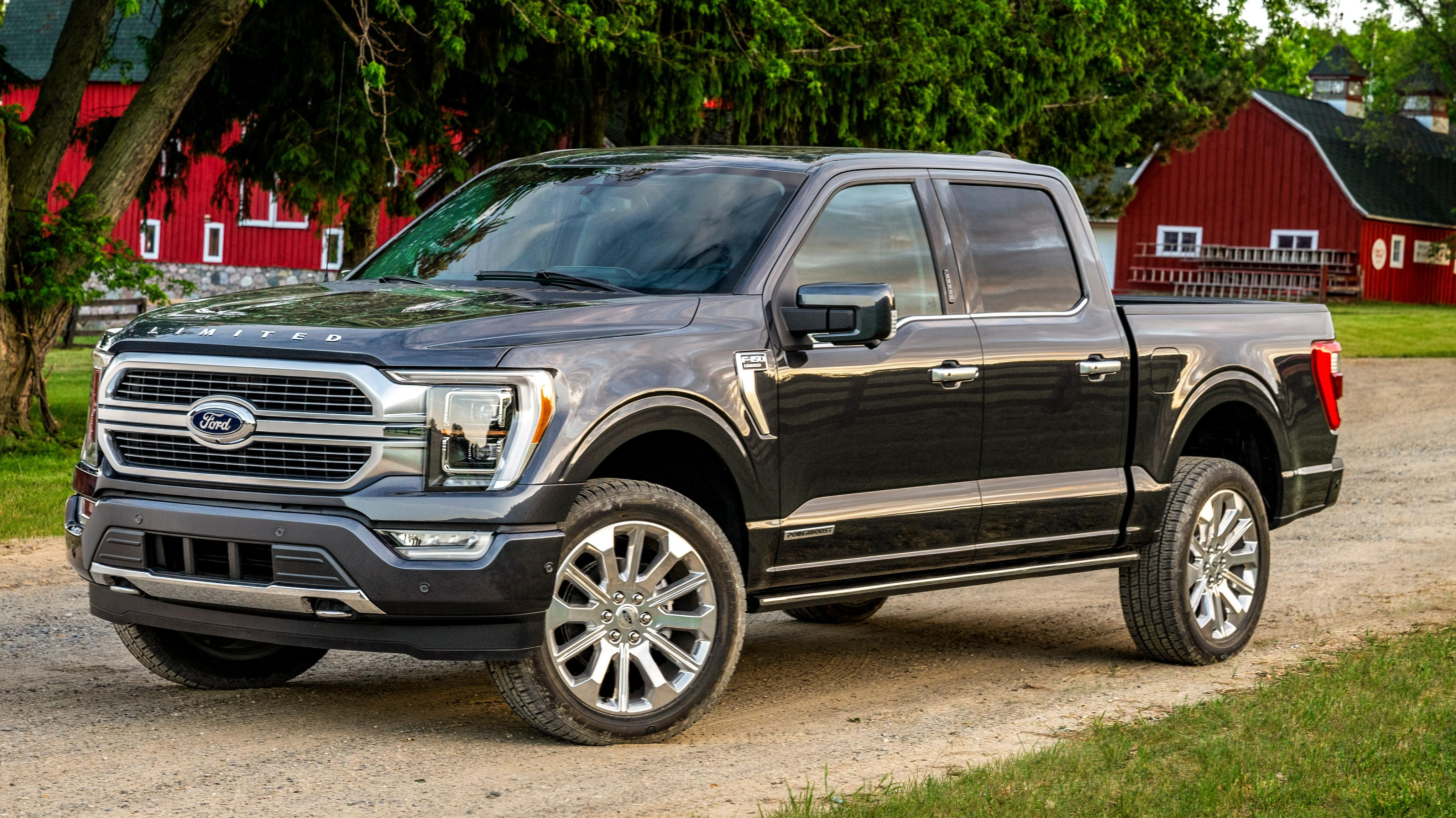
Ford Is Recalling Almost 185,000 F-150s Because The Driveshaft Could Break - Jalopnik​

F-150s from model years 2021 and 2022 are part of the recall.

248c54fefedc62cbfa841d55208fc96f.jpg


Ford said that it is recalling 184,698 model year 2021 and 2022 F-150s after it found that “underbody heat and noise insulators may loosen and contact the aluminium driveshaft, which could damage the driveshaft and cause it to fracture” and, then, possibly result in a crash. Only a little bit to see here.

Ford said it would begin contacting affected owners at the end of January and that dealers will inspect affected owners’ trucks and “properly attach” the underbody insulators if needed, for free. Ford said it is not aware of any injuries or accidents related to the problem.

As with any recall, the chronology of events leading up to it is usually the most interesting thing, getting into the details of what went wrong and how Ford found out. They are also a reminder of how slow and bureaucratic the recall process is.


NHTSA opens new investigation into Hyundai-Kia engine fires - Autoblog​

Center for Auto Safety counts 31 U.S. fire and engine-related recalls since 2015

b24e34a0-eaa3-11ea-9ff9-3d67bfa315d8


U.S. auto safety regulators have stepped up a series of investigations into engine fires that have plagued Hyundai and Kia vehicles for more than six years.

The National Highway Traffic Safety Administration says a new engineering analysis investigation covers more than 3 million vehicles from the 2011 through 2016 model years.

The agency has received 161 complaints of engine fires, some of which occurred in vehicles that had already been recalled.

Engine failures and fires have dogged the Korean automakers' vehicles since September 2015 when the company issued an engine failure recall.

Since then it has issued at least eight more recalls for a host of engine problems, according to NHTSA documents posted on its website Monday.

The agency says it's opening the engineering analysis to evaluate whether previous recalls covered enough vehicles. It also will monitor the effectiveness of previous recalls “as well as the long-term viability of related programs and non-safety field actions being conducted by Hyundai and Kia.

The engineering analysis could lead to further recalls.

Hyundai said it Monday that it is cooperating fully with U.S. regulators.

“Hyundai has taken numerous proactive actions to address engine issues, including conducting several recalls, launching a new engine monitoring technology, providing extended warranties and enhancing our customer service response,” the company said in a prepared statement.

“Hyundai fosters a culture of transparency and accountability as the safety of our customers is the top priority in everything we do.”

Kia did not immediately respond to a request for comment Monday.

The vehicle fires involve the related Korean automakers' Theta II GDI, Theta II MPI, Theta II MPI hybrid, Nu GDI and Gamma GDI engines.

Models covered include Hyundai's Sonata, Santa Fe, and Elantra and as well as Kia's Sorento, Rio, Optima and Soul. Model years covered are 2011 through 2016.

The agency says three people have reported eye and burn injuries that did not require medical treatment.

In November 2020, NHTSA announced that Kia and Hyundai must pay $137 million in fines and for safety improvements because they moved too slowly to recall more than 1 million vehicles with engines that can fail.

The fines resolve a previous probe into the companies’ behaviour involving recalls of multiple models dating to the 2011 model year.

Kia was to pay $27 million and invest $16 million in safety performance measures. Another $27 million payment will be deferred as long as Kia meets safety conditions, NHTSA said.

Kia denied the U.S. allegations but said it wanted to avoid a protracted legal fight.

Data collected by the non-profit Center for Auto Safety show 31 U.S. fire and engine-related recalls from Hyundai and Kia since 2015.

The recalls involve more than 20 models from the 2006 through 2021 model years totalling over 8.4 million vehicles.

Many of the recalls involved manufacturing defects that stopped oil from flowing through the engine block. Many involved expensive engine replacements.

Hyundai and Kia also did a U.S. “product improvement campaign” covering 3.7 million vehicles to install software that will alert drivers of possible engine failures.


Tesla Will Recall Every 2017-2020 Model 3 - The Drive​

Tesla issued two big recall notices for the Model 3 and Model S, total

ling nearly its entire global deliveries in 2020.


IMG_1053.jpg


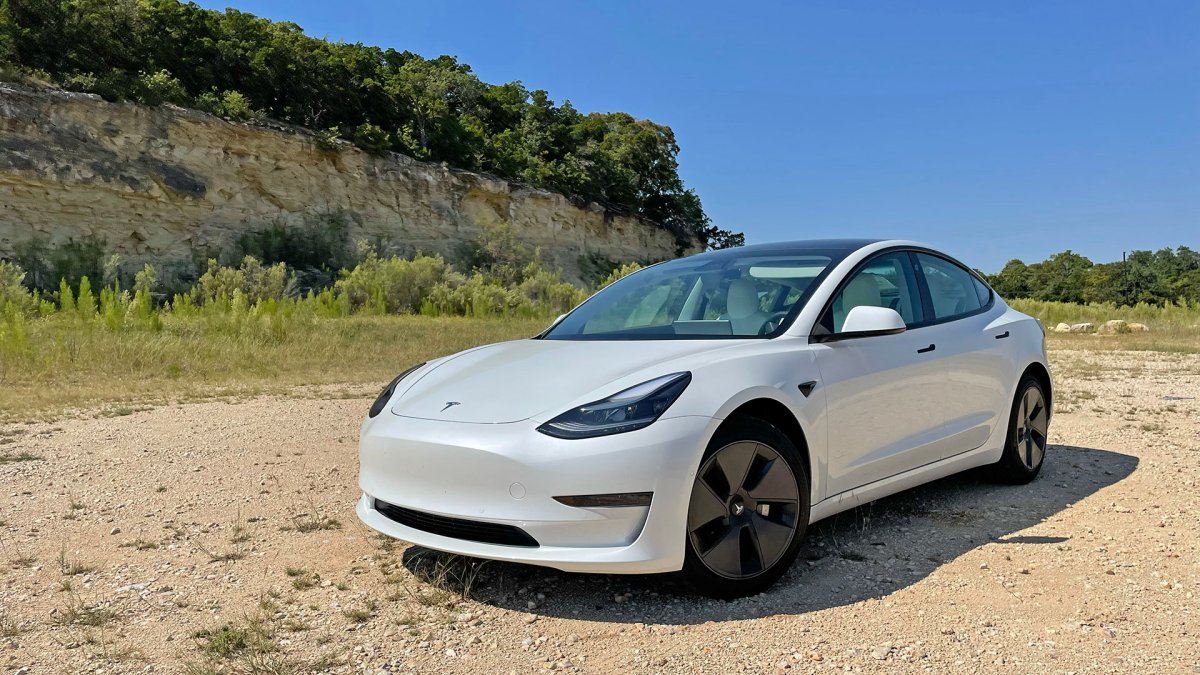
Tesla will voluntarily recall 356,309 Model 3 sedans—including every example made from 2017 to 2020—due to an issue with the cars' rear-view camera that federal regulators say could increase the risk of a crash.

Additionally, the electric automaker will recall as many as 119,009 Model S cars assembled from 2014 to 2021 over a problem with the front trunk latch.

As Bloomberg reported today, the two recalls nearly total Tesla's entire global deliveries in 2020.

The National Highway Traffic Safety Administration says the Model 3 issue is related to the rear-view camera cable harness, which could become damaged during the regular opening and closing of the trunk. As a result, the rear-view camera image may not display properly, presenting a safety issue.

On the Model S, the latest recall indicates the cars' front trunk latch assembly may be misaligned, preventing a secondary hood latch from engaging, which could cause the front trunk lid to open unexpectedly while the car is driving.

Owners will receive a notification from Tesla starting in February; they can inquire sooner by calling Tesla customer service at 1-877-798-3752. Both issues will be fixed free of charge for owners.

The latest recalls come amid several other recent safety-related challenges for the automaker.

Last week, Tesla voluntarily cut a feature that allowed occupants to play video games on the cars' infotainment screen during driving, following a probe from the NHTSA. But perhaps Tesla's biggest headache is NHTSA's ongoing investigation into Autopilot, its advanced but controversial automated driver assistance package, after several incidents where Tesla vehicles have crashed into parked emergency vehicles.

CEO Elon Musk, recently named Time's Person of the Year 2021, has defended Autopilot, telling the publication that the company has issued improvements to the technology every month and that he feels Autopilot doesn't get enough credit for the lives it has saved.


Honda Clocks Are Stuck 20 Years In The Past And There Isn't A Fix - Jalopnik​

This might be why your Honda's clock is forever stuck on the wrong time.

5bda4bccfa424b3023620c518cd8ab75.jpg


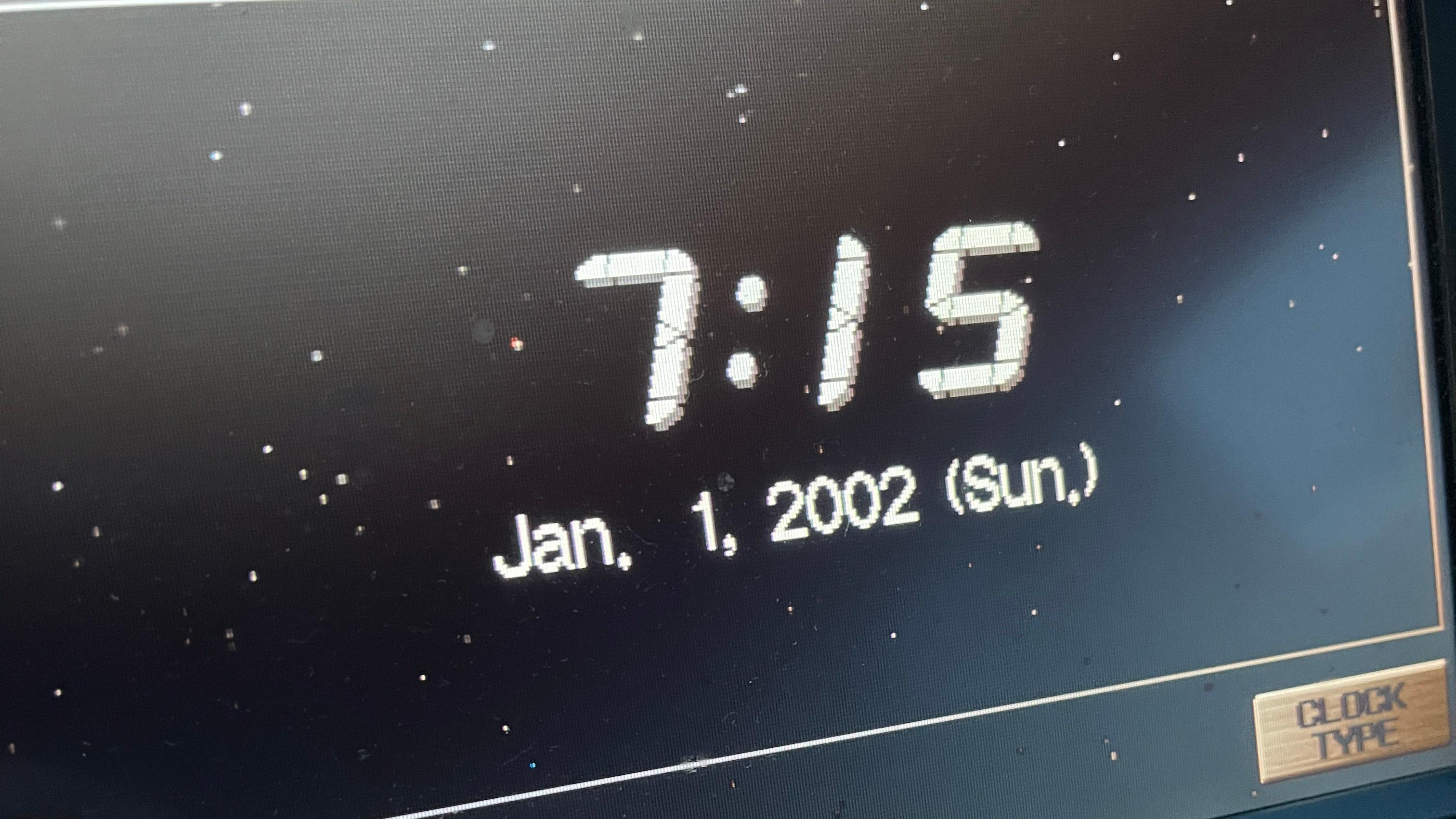
The Jalopnik inbox has been lit up with a number of reports about clocks and calendars in Honda cars getting stuck at a certain time in the year 2002. The spread is impressive, impacting Honda and Acura models as old as 2004 and as new as 2012.

Here’s what might be happening.

If you scroll through a Honda or Acura forum right now, chances are you’re going to run into a bunch of confused owners. When they hopped into their cars on January 1 they found the clocks on their navigation systems frozen at a certain time. And the calendar date? 2002, or 20 years ago.

The issue is widespread, hitting a huge number of cars in Acura’s and Honda’s lineup with navigation systems. And it’s not just in the United States, as owners in Canada and even as far as the United Kingdom have all reported similar issues.

As a number of Honda and Acura owners have noted on these forums, their clocks read correctly until what appeared to have been the first time update of 2022. Then, their navigation systems turned into time machines, leaving them behind as they went back to 2002.

I asked Honda about the cause of the issue and received this back:

American Honda is aware of a potential concern related to the clock display on certain older Acura and Honda models equipped with navigation systems. We are currently investigating this issue to determine possible countermeasures and have no additional details to share at this time.

Owners have also reached out and received different responses. American Honda provided the CR-V Owners Club forum this response:

We have escalated the NAVI Clock Issue to our Engineering Team and they have informed us that you will experience issue from Jan 2022 thru August 2022 and then it will auto-correct. Please be assured that we will continue to monitor this and will advise you if a fix is available before that time.

And owners in the United Kingdom were given this response:

We have just received some more information regarding this and were advised that the Honda technical department are currently working on this. Once there is a fix for this issue Honda authorized dealers will be made aware of it and will be able to assist with this at that point.

A service bulletin will be issued to our dealers from Honda UK on how to fix this.

As such it would be best to check with your local Honda authorized dealer for any updates as they would have the latest information for this and will be able to assist once the fix is released. They can also contact the Honda technical department for additional assistance with this if necessary.

You can see the nearest Honda authorized dealers and their contact details by using the link below.


If you have experience coding or troubleshooting software, the possible cause of this time warp probably popped into your head early on.

Drive Accord forum user Jacalar went into the navigation system’s diagnostic menu on Sunday and discovered that the GPS date was set to May 19, 2002, or exactly 1024 weeks in the past.

Global Positioning Systems measure time from an epoch, or a specific starting point used to calculate time. Date is broadcasted including a week number stored in 10 binary digits.

These digits count from 0 to 1023 then roll over on week 1024. GPS weeks first started on January 6, 1980 before first zeroing out on midnight August 21, 1999. It happened again April 6, 2019. The next happens in 2038.

If software isn’t coded to account for the rollover, weird stuff can happen, like a calendar going back exactly 1024 weeks. It’s impossible to know for sure without being able to look at Honda’s programming, but these navigation systems might be programmed so that the start of their week counter is a date 19.6 years in the past, but not in-line with GPS epoch.

Owners should be able to turn off the automatic update function and set the date and time manually, but they’re finding that the functionality doesn’t work right now. Likewise, the clock resets back to the incorrect time every time the car is started.

This isn’t the first time that Honda and Acura owners have experienced this issue.

On August 16, 2017, Hondas and Acuras with navigation systems from model years 1999 through 2004 had their clocks reset to 0:00 and their calendars roll back to January 1, 1998. It then happened again on January 1, 2021 to many owners. In all cases, the time lost adds up to 1024 weeks.

Honda didn’t explain the cause back then, but the solution then was to send out update disks to fix the errors.

There is no fix for the current issue at this time. Honda says it’s investigating and if it does not find a fix, the clocks should correct themselves sometime in August.

 
Mercedes warns owners of fire risk that it can’t fix (for now)

Mercedes-Benz has informed owners of its luxury cars of a technical defect that could spark a fire, the company said on Tuesday, adding that a recall was not possible because the parts needed to fix the problem were not available.

The issue was traced to possible leakage in the coolant pump that could heat up components, parent company Daimler said.

The news was first reported by the Bild newspaper in Germany, which published a copy of a letter that Mercedes sent to some 800 000 Mercedes-Benz owners affected by the defect, stating that "the risk of a fire could not be ruled out."

Mercedes warns owners of fire risk it can't fix

Mercedes-Benz has informed owners of its luxury cars of a technical defect that could spark a fire, the company said on Tuesday, adding a recall was not possible because parts needed to fix the problem are not available. Julian Satterthwaite reports.

Daimler has confirmed that the letter was authentic.

It added in the letter that the parts needed to fix the problem were not immediately available so a recall was not possible at the moment, but would be launched as soon as the components became available.

 
Slideshow:

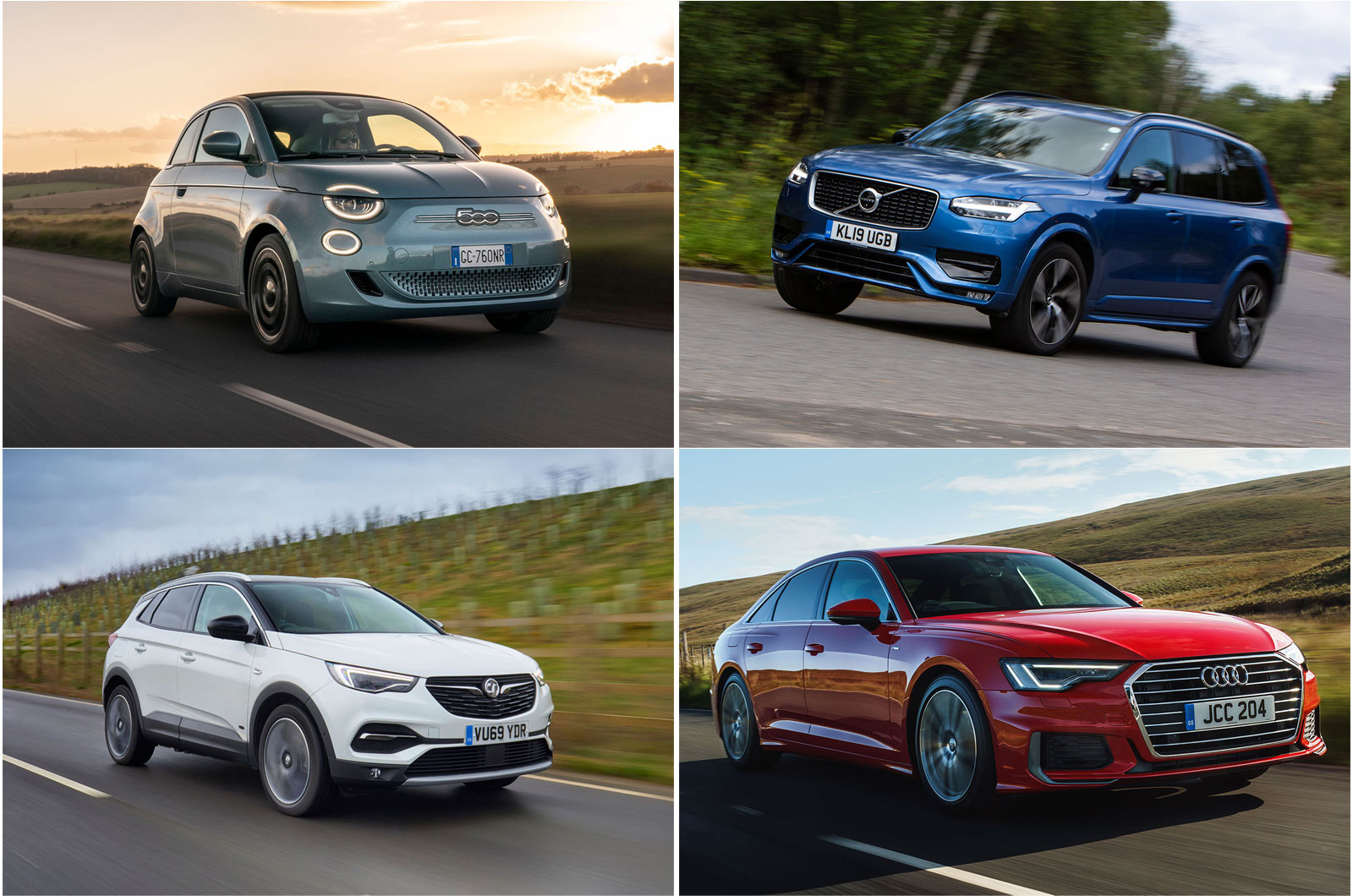
Revealed: the most recalled cars in Europe in 2021

Autocar analyses the data from the EU's Rapid Exchange of Information Systems detailing all the continent's recalls in 2021


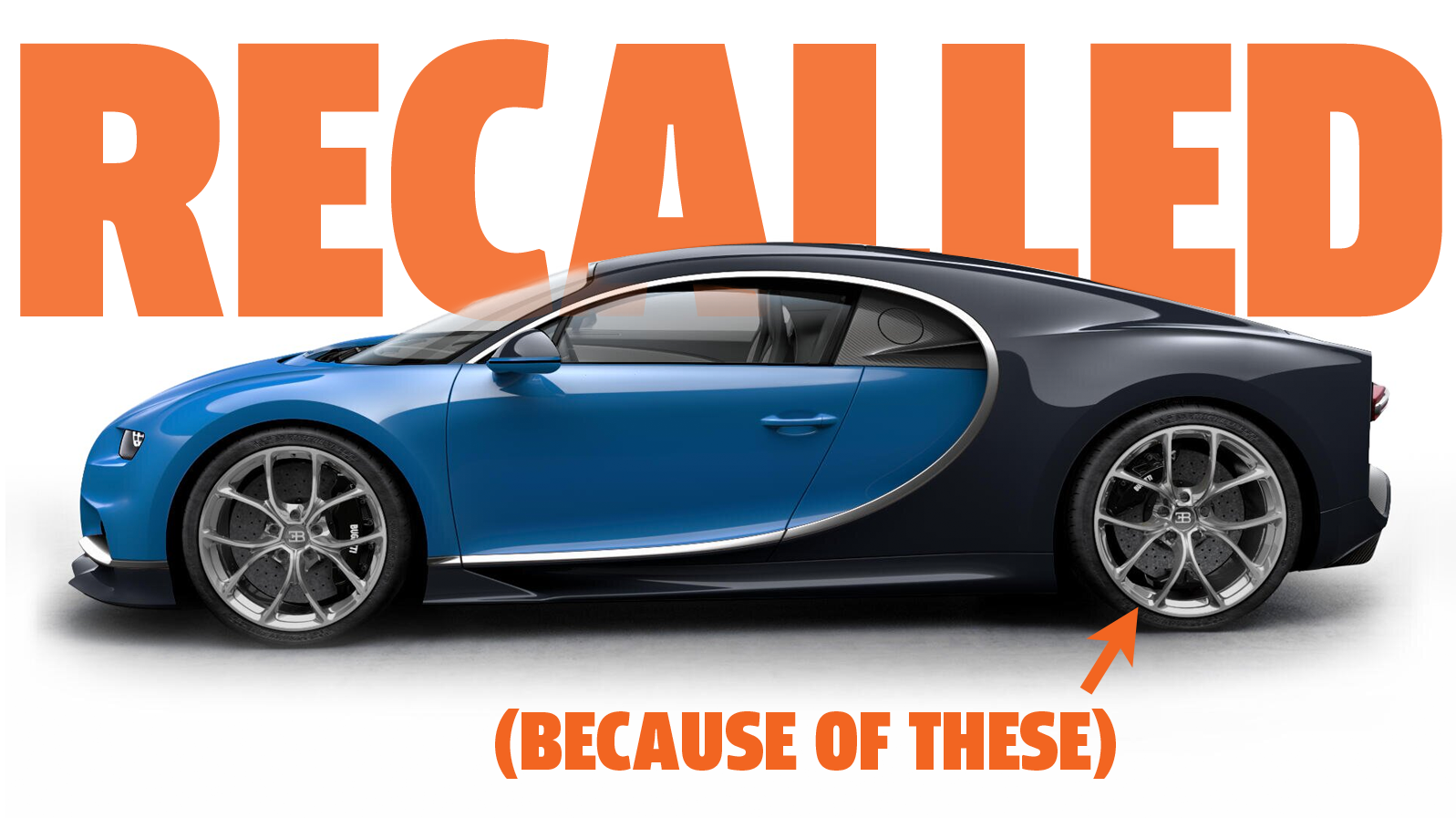
Bugatti Has To Recall Its Entire Run Of Crapbox Chiron Pur Sports Because The Tires Are Garbage - Jalopnik​

All 60 suckers who plopped down nearly $4 million are affected by the recall

1642050894455.png

Hey — Bugatti Chiron Pur Sport owners, put down your hoagies and whittling knives and ice tongs, because I have important news! Your car is getting recalled because the rear tires are probably all cracked and dangerous!

There are nine people in America who are affected by this recall, but I urge the other 51 owners out there to yank off the filthy tarp from your Pur Sports and see how bad those rear tires are, because according to the NHTSA, those shitty tires can “lead to a loss of vehicle control, increasing the risk of a crash.” Man, what a heap.

According to the NHTSA’s recall website, Bugatti thankfully has an interim repair available:

As an interim repair, dealers will replace the rear tires on the affected vehicles every 1,875 miles or when tire age reaches 1.5 years. Once newly designed tires are available, the tires will be replaced again. Repairs will be performed free of charge. Owners with tires that have already reached 2,500 miles or 1.5 years should not drive their vehicle until the tires are replaced. Owner notification letters were mailed on December 30, 2021. Owners may contact Bugatti customer service at 1-703-826-7545. Bugatti’s number for this recall is BUGCR025.

So, it looks like the best you can hope for is 2,500 miles out of the tires that came with the car, Michelin Cup 2 R 355/25-series tires, which were supposed to be good for the car’s top speed of 217 mph, but don’t even think of trying that on cracked rubber.


Hyundai Elantra, Santa Fe and Sonata recalled for pop-out windshields - Road Show​

No, this isn't a feature. These vehicles' frontal glass panels can divorce themselves from the body in a wreck, increasing the likelihood of injury.

hyundai-elantra-santa-fe-sonata-windwhield-recall-promo-image.jpg


If you own a 2020 to 2021 Hyundai Santa Fe or a 2021 Sonata or Elantra, you may be receiving a recall notice. There's a potential issue with these vehicles' windshields that can increase the likelihood of injury in a crash.

According to the National Highway Traffic Safety Administration, the windscreens in these late-model Hyundais may not have been properly affixed to the vehicle bodies thanks to "non-conforming clear coat paint."

In a wreck, the glass panels can detach, reducing visibility and exposing occupants to debris and other hazards, which, obviously, isn't ideal. Luckily, it appears no incidents, crashes, fires or injuries have been caused by this issue.

Additionally, relatively few vehicles are affected by this action, around 26,500. That total includes 9,596 Sonatas, 8,561 Santa Fes and 8,256 Elantras, a surprisingly even split between these three nameplates.

To correct the problem, dealers will remove and properly reinstall windshields free of charge.

Owners of affected Hyundais will be notified of this recall by first-class mail. Letters are expected to be sent out starting on Feb. 25, 2022, with repairs commencing sometime after that.

Hyundai's campaign number for this recall is 216 while NHTSA's is 21V00M000. If you have questions or concerns, contact the government agency at 1-888-327-4236 or go to www.nhtsa.gov. You can also reach out to Hyundai customer service by calling 1-855-371-9460.


Ford recalls 200,000 vehicles for brake lights that won't turn off - Autoblog​

Locations with high heat, humidity and salty air are targeted

07-2015-ford-mustang-ecoboost-review-1.jpg


Ford and the National Highway Traffic Safety Administration (NHTSA) announced a new recall for nearly 200,000 vehicles because their brake lights may not turn off.

Drivers of affected vehicles equipped with automatic transmissions may also be able to shift the vehicles out of Park even when their foot is off the brake. That increases the risk of a rollaway and could cause a crash.

According to documentation posted on NHTSA's recall hub, a separated brake pedal bumper is to blame for the issue.

The recall applies to "certain 2014-2015 Fusion, Lincoln MKZ and 2015 Mustang vehicles originally sold or ever registered, in Texas, Louisiana, Mississippi, Alabama, Florida, Georgia, South Carolina, North Carolina, Virginia and Hawaii."

The safety regulator adds that "exposure to certain environmental conditions, such as high temperatures, high humidity and salt air can cause the brake pedal bumper to disintegrate and separate from the brake pedal."

Owners of affected vehicles should expect notification of the recall in early March. They will be directed to the dealership of their choice to have their brake pedal bumpers and clutch pedal bumpers replaced free of charge.


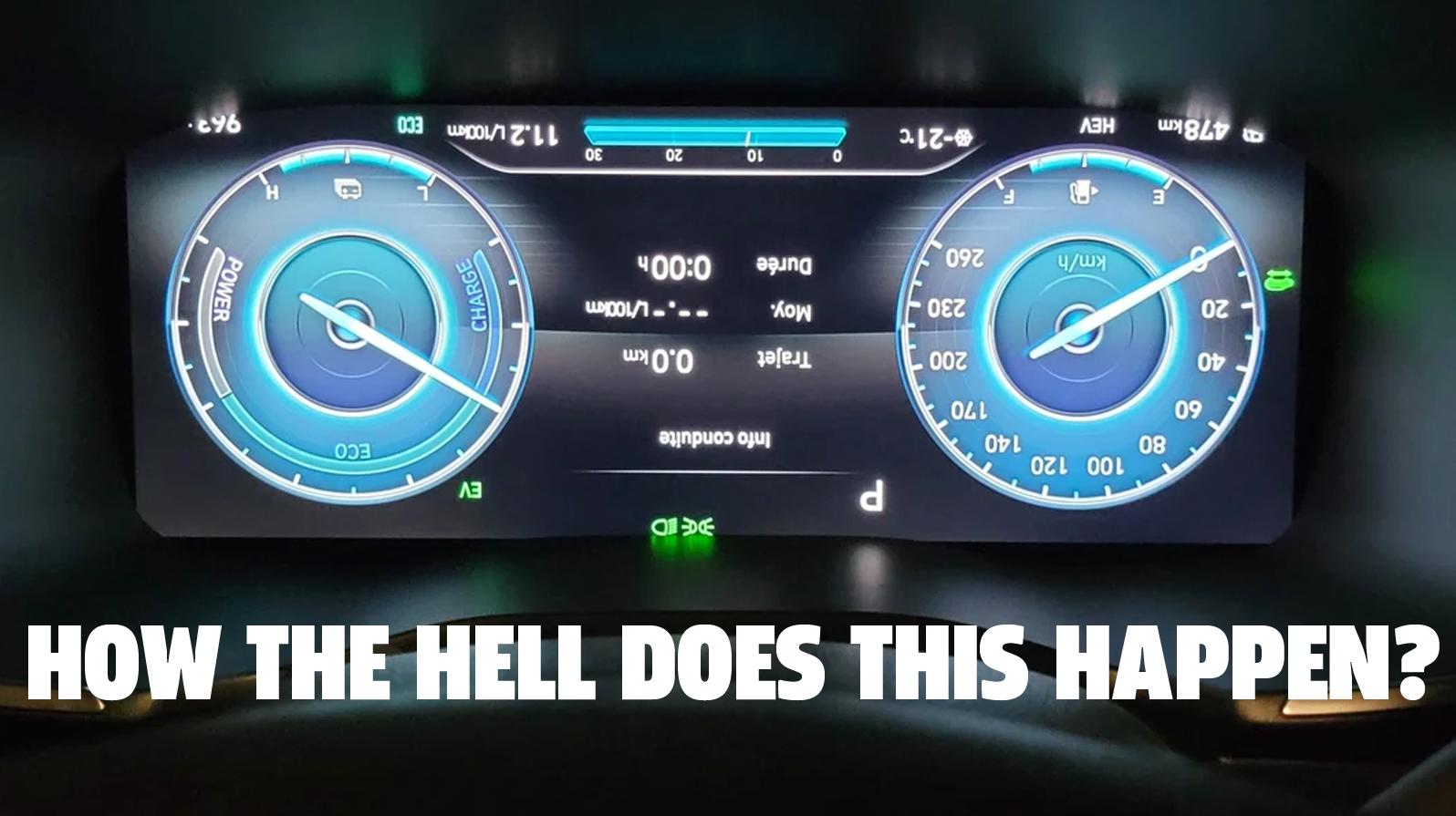
Hyundai Just Issued A Recall For A Hilariously Unexpected Dashboard Issue - Jalopnik​

Some people online just suggested the car may have been an Australian market model, and that's pretty funny

26615dc4d629eff01c41c0e7de82fc57.png


Modern automotive technology has made so many previously impossible things commonplace, from in-dash navigation to pickup trucks that get 40 mpg to cars helping you to stay in lanes and so much more.

They’ve also made incredible new ways to fail, like getting in your car and finding that all your dash instruments are upside down, something that sounds like it would be gearhead prank your grandfather’s friends would play on him in his old Hudson.

Well, thanks to modern tech, Hyundai has pulled this off electronically.

I suppose if you don’t think upside-down instruments are cool, then I guess you could get it fixed via the recall Hyundai has issued, which describes the problem like this:

Illegible Instrument Cluster Display/FMVSS 101
An illegible instrument cluster will not show information such as vehicle speed or safety system warnings, which can increase the risk of a crash.
...
Potential Number of Units Affected
714
Summary
Hyundai Motor America (Hyundai) is recalling certain 2022 Santa Fe HEV and Santa Fe PHEV vehicles. The instrument cluster liquid-crystal display (LCD) may invert the image on the screen upon vehicle startup, making the display illegible. As such, these vehicles fail to comply with the requirements of Federal Motor Vehicle Safety Standard number 101, “Controls and Displays.”

If you have an affected vehicle — which seems to be just 2022 Santa Fe hybrids and plug-in hybrids — then you can go to the dealer and they’ll fix it for you, for free, by installing a mirror on the dash that will reflect your instruments in the proper orientation.

I’m kidding! They’ll replace the whole LCD dash unit, which should fix this.

What I find so incredible about this is the drama and specificity of the error — it’s not that the screen just failed or went dark or whatever, the image gets flipped vertically!


Kia is recalling 410,000 vehicles due to faulty airbags that may not activate in select car models - Tech Insider​

61f6b85b415c3f0018d399a7

  • Kia is recalling over 410,000 vehicles over airbags that may not deploy correctly.
  • The recall affects several Kia vehicles, including Sedona, Soul, Forte, and Koup models from 2017 to 2019.
  • The issue is tied to a control unit damaging an electrical circuit that may deactivate the airbags.
 
Tesla recalls over 800,000 cars affected by seat belt warning issue

A total of 817,143 Tesla vehicles are being recalled for a fault with the seatbelt warning system, which could fail to activate in certain situations.

The start of has been 2022 a busy period for Tesla. In between shipping record numbers of cars, the automaker is dealing with a few investigations and recalls, the latest of which was issued on February 1 in regards to the firm’s seat belt warning system.

Cars are required to sound an audio seat belt reminder if the driver is unbuckled when the car is started, but some Tesla vehicles allow the chime to stop under certain circumstances.

Owners have found that if they exit the vehicle while the chime is sounding and then reenter the vehicle without buckling, the chime does not sound.


Tesla’s heat pump problem causing loss of heat explained in new NHTSA recall - electrek​

Tesla-Model-Y-heat-pump-1.jpeg


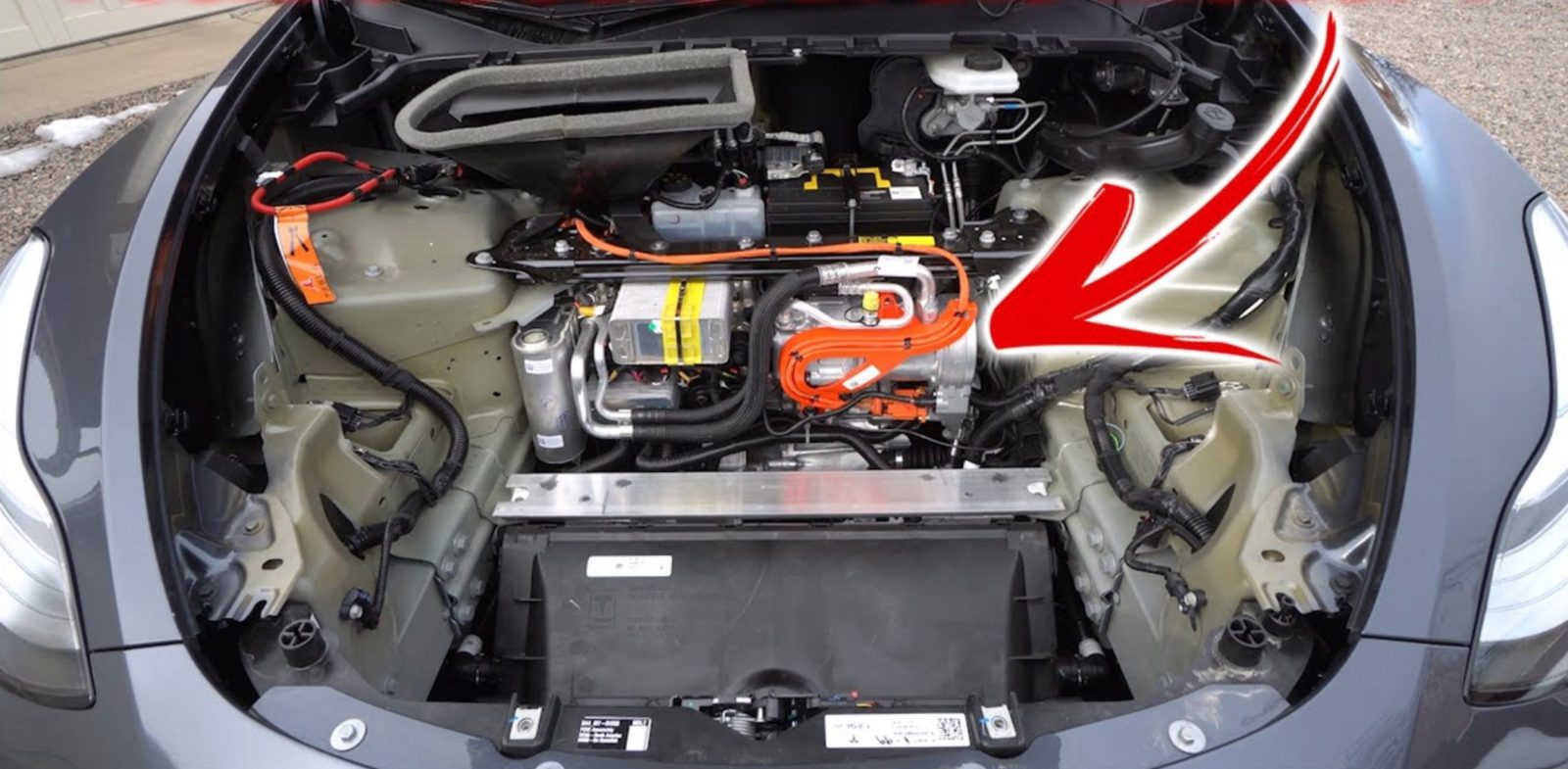
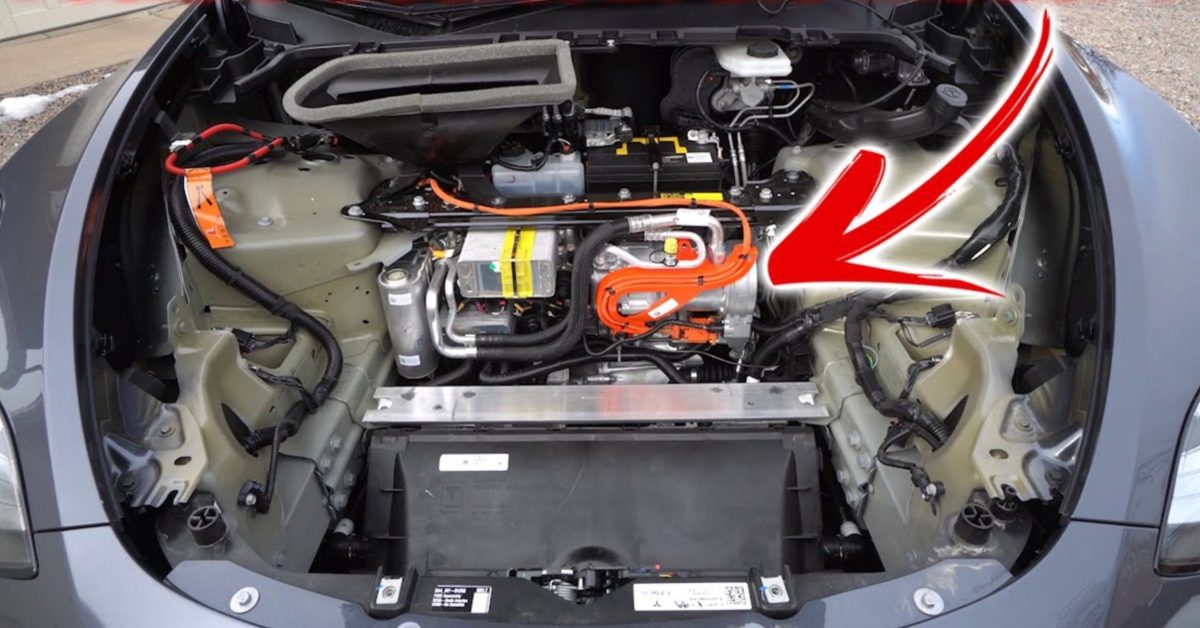
The problem with the heat pump leading Tesla owners to lose heat in extreme cold and the subsequent software fix that Tesla issued has now been revealed in more detail in the new NHTSA recall.

Last month, Electrek reported on Tesla owners losing heat in extreme cold as some heat pumps were failing.

As we explained, it’s a problem that first emerged last winter with Tesla vehicles equipped with the automaker’s new heat pump system, first introduced in the Model Y and added to an updated version of Model 3.

It was the first full winter for both vehicles.

At the time, Tesla said that it fixed the issue with a software update, but it is now resurfacing a year later in a big way as extreme cold waves are hitting several parts of the world.

Many Tesla owners complained that they are losing heat in extreme cold and several owners who brought their cars to the service center had their whole heat pump system replaced.

A week later, CEO Elon Musk said that a software update to recalibrate a valve in the heat pump system is being released and should fix the issue.

The update appears to have reduced the problem, but there are still some reports of Tesla owners suddenly losing heat.

Now the software update mentioned by Musk is explained in more detail through a safety recall, since the NHTSA determined that the issue was a safety risk due to reduced windshield defrosting.

The problem apparently only affects more recent vehicles with the heat pump that were delivered with specific versions of the software:

“The recall population includes certain new Model Year (“MY”) 2021-22 Model 3, Model Y, Model S and Model X vehicles built with heat pump and running firmware release 2021.44 through 2021.44.30.6 at the time of customer delivery.”

As previously discussed, Tesla has already started pushing the software fix.


Mazda Owners Near Seattle Find Their Radios Are Permanently Stuck on NPR - Jalopnik​

If you could only listen to one radio station for the rest of all time, what would you choose?

If you could only listen to one radio station for the rest of all time, what would you choose? It’s a moot question for some Mazda owners in Washington state’s Puget Sound region, whose onboard infotainment systems are stuck in a reboot loop that keeps the dial stuck on one specific radio station.

Apparently, owners of the affected Mazda vehicles have only been able to tune into the local broadcaster and NPR affiliate KUOW (94.9 FM), with reports indicating all functionality of the infotainment system has been disabled other than the volume knob. While it’s playing NPR, the onboard display shows it is stuck in a reboot loop.

KUOW is itself at a loss to explain why it suddenly has a captive audience, the station reported, other than speculation it might have something to do with the retirement of 3G networks and rollout of next-generation 5G networks across the country.

While that’s a shift expected to screw with and in some cases effectively brick technology relying entirely on the older standard, the station argued that doesn’t explain why many different models of Mazda are experiencing the same bug.

A Mazda spokesperson told Gizmodo via email the cause was KUOW’s transmission of album cover images without a valid file extension, which possibly caused the onboard software to flip out when it tried to open them.

“Between 1/24-1/31, a radio station in the Seattle area sent image files with no extension (e.g., missing .jpeg or .gif), which caused an issue on some 2014-2017 Mazda vehicles with older software,” Tamara Mlynarczyk, a public affairs manager at Mazda North American Operations, wrote to Gizmodo.

“Mazda North American Operations (MNAO) has distributed service alerts advising dealers of the issue.”

There is no known fix for the Mazda issue short of full replacement of the Connectivity Master Unit (CMU), an expensive component that controls the entire onboard display.

Mazda says that owners of the affected models can apply for a “goodwill” replacement and repair of the CMU.

“While dealers are currently experiencing parts delays due to shipping constraints, MNAO will support impacted customers with replacement parts,” Mlynarczyk, the Mazda spokesperson, wrote to Gizmodo.

“These customers should contact their local Mazda dealer who can submit a goodwill request to the Mazda Warranty department on their behalf, order the parts, and schedule a free repair when the parts arrive.”


Tesla recalls over 575,000 EVs due to Boombox function - Road/Show​

The EV maker appears to be under increasing scrutiny from the federal government.

tesla-model-s-refresh-215.jpg


Tesla is recalling over 575,000 EVs over its Boombox function, which may obscure federally mandated Pedestrian Warning System sounds.

According to a new National Highway Traffic Safety Administration filing, the electric car manufacturer's feature, which enables vehicle occupants to play preset or custom sounds through an externally mounted speaker, can make it hard to hear the audible tone that all EVs are legally required to emit while in motion.

These PWS sound signatures are designed to ensure pedestrians and cyclists can hear electric vehicles, which typically make far less noise than their internal-combustion counterparts when in motion.

The recall affects 578,607 examples of the following vehicles:

2020-2022 Tesla Model S
2020-2022 Tesla Model X
2020-2022 Tesla Model Y
2017-2022 Tesla Model 3

According to documents related to the NHTSA recall, Tesla's Boombox function violates Federal Motor Vehicle Safety Standards 141, which established operating requirements for pedestrian alert noises for EVs and hybrids.

The regulation "...prohibits manufacturers from altering or modifying the sound emitting capability of the pedestrian warning system ('PWS'), through which the pedestrian alert sounds emit."

The same filing acknowledges that "Boombox can enhance the conspicuity of the vehicle to pedestrians" (e.g. when the driver calls out to a passer-by directly), but notes that the way Boombox operates is still noncompliant with the law.

Tesla is unaware of any crashes, injuries or fatalities stemming from this function.


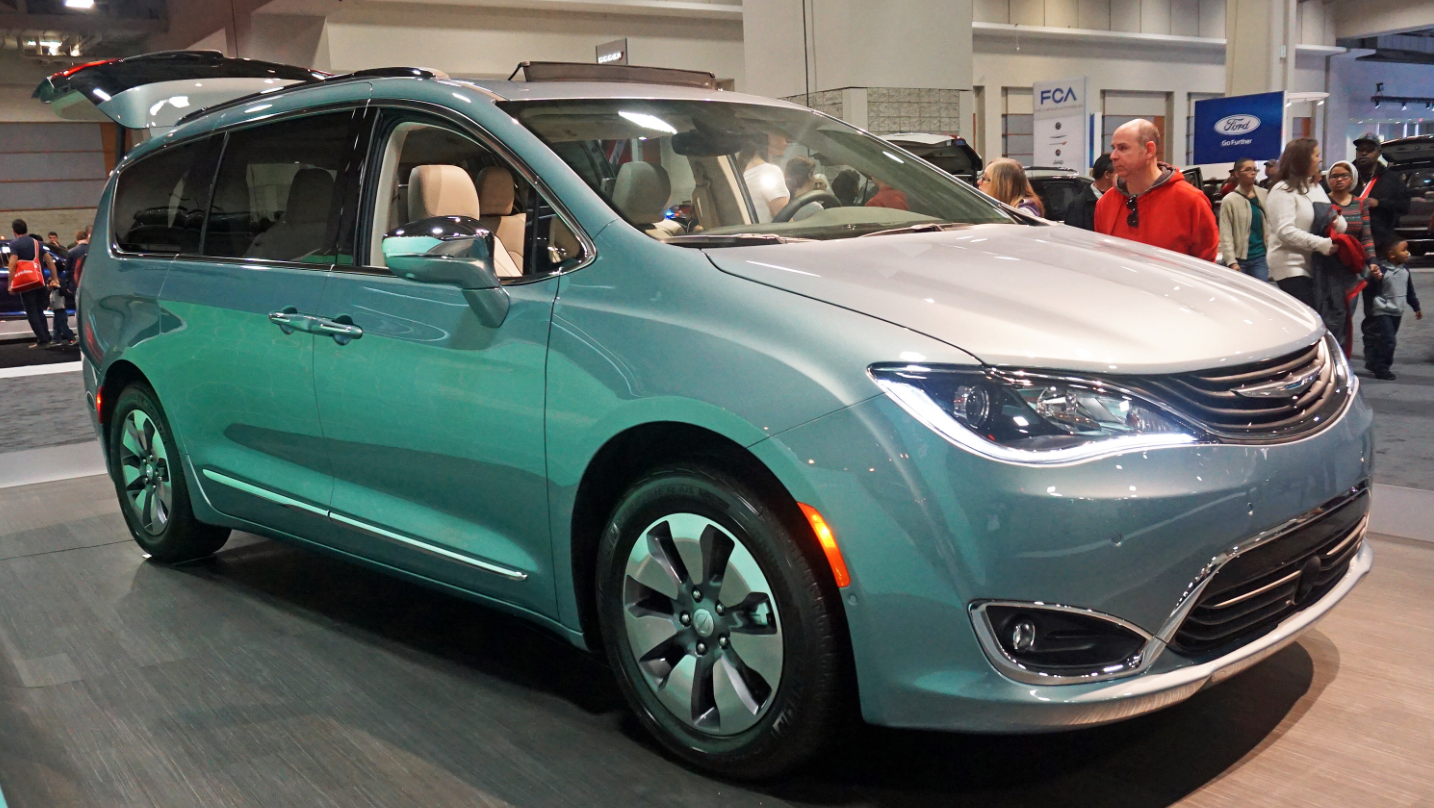
Chrysler Pacifica Hybrid Recall Issued Because Your Van May Burst Into Flames - Jalopnik​

Stellantis is recalling nearly 20,000 minivans because they may catch fire

1644900646336.png

Get your marshmallows, folks. We’ve got another car BBQ recall on our hands. Stellantis is recalling 19,808 Chrysler Pacifica plug-in hybrid minivans — telling their owners to stop recharging them after 12 cars caught fire, according to the Detroit Free Press.

The recall covers 2017 and 2018 Chrysler Pacifica Hybrids. All 12 of these cars were parked and turned off. Eight of them were connected to chargers.

Stellantis said it wasn’t aware of any injuries related to the fires.

The company is telling owners to not charge the cars and to park them away from structures, other vehicles and anything else they might love or hold dear.

Right now, they aren’t sure what exactly is causing the fires.

The recall impacts 16,741 vehicles in the United States, 2,317 in Canada and another 750 outside North America.
So, everybody gather round the Pacifica campfire, and share stories of the happier times when your minivan wasn’t going up in flames.


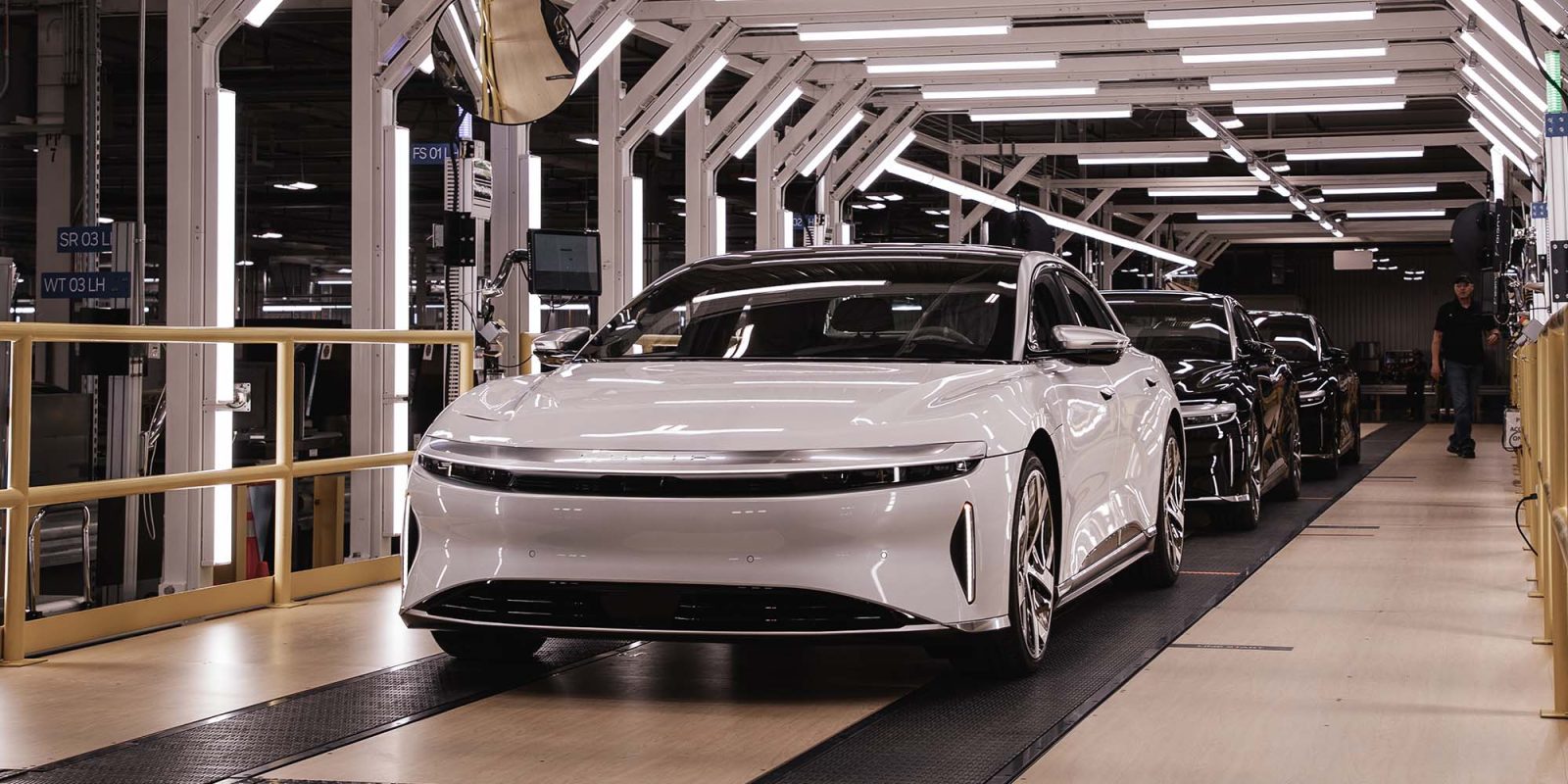
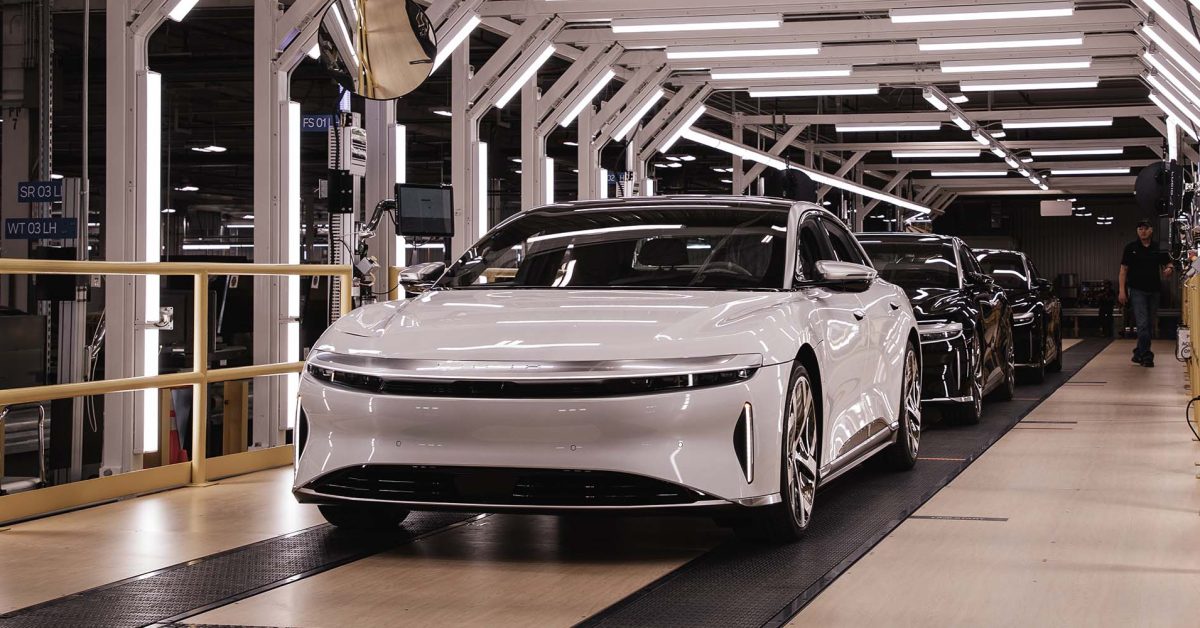
Lucid Motors to recall over 200 Air EVs due to potential safety issue with the suspension - Electrek​

Lucid-Air-Assembly-Line-White.jpg


Lucid Group announced a recall of 203 of its flagship Air luxury sedans today, citing a potential issue surrounding the installation of the front strut damper in the suspension.

This appears to be a precautionary recall as no failures of the part have been reported yet, according to Lucid Motors.

The Air Dream Edition is the first and only EV trim to arrive from Lucid Motors so far, following years of anticipation and hype surrounding the premium luxury sedan.

While early (and affluent) customers await their Dream Edition Air deliveries, at least 200 are being recalled for a potential safety issue concerning an incorrectly assembled suspension component.

According to Reuters, Lucid Group announced the recall today, which includes 203 Dream Edition Air sedans.

The source of the recall is a suspension component called the front strut damper, which according to Lucid, was assembled improperly by its supplier.

Despite issuing its first recall, Lucid stated it is not aware of any instances in which the damper failed. Furthermore, the company only expects about 1% of the 203 EVs being recalled to actually have the incorrectly assembled suspension component present.

By our count, that’s only two affected vehicles, three if we’re rounding up.

Nevertheless, it’s clearly important enough of an issue that Lucid wants to ensure any and all of its Air sedans with any possibility of being affected are recalled and confirmed as correctly assembled, especially since quality is something the automaker strives to deliver in all aspects of its EV production practices inside and out of its vehicles.


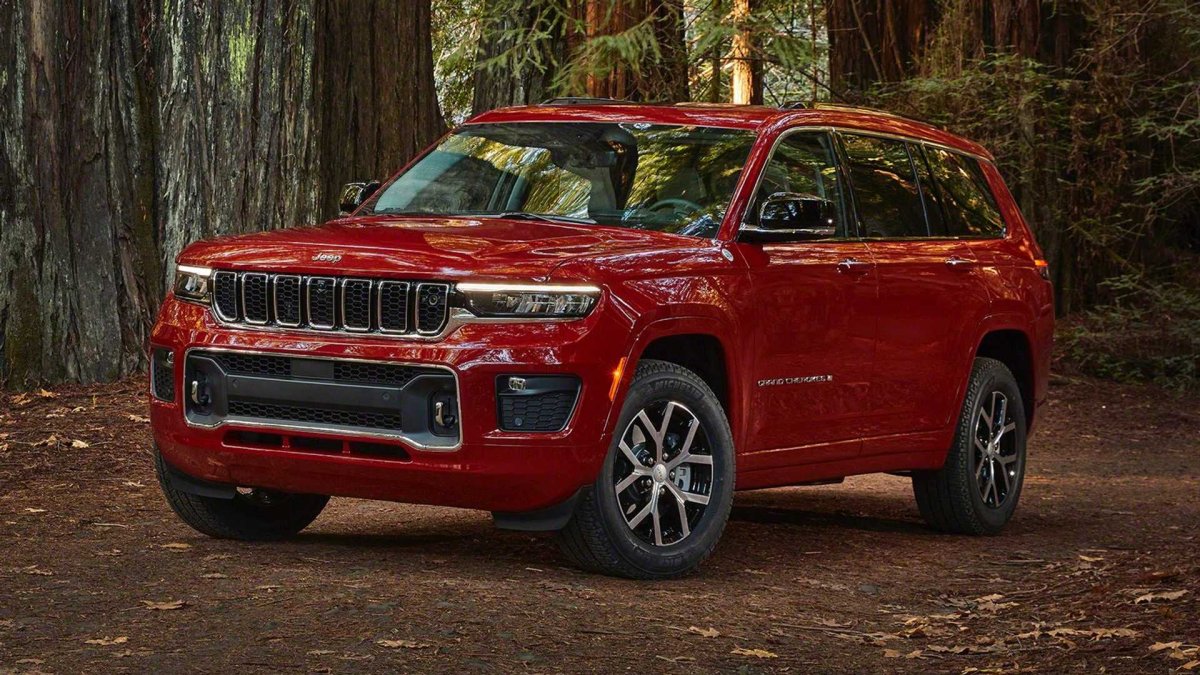
2022 Jeep Grand Cherokee Hit With Stop-Sale After Owners Stranded by Faulty Electronics -The Drive​

An unspecified number of Grand Cherokees are equipped with the hardware that totally bricks them.

Grand-Cherokee-Hero.jpeg


Earlier this week we covered the serious troubles that some Grand Cherokee L owners were having with their new Jeeps.

In short, the car's key fob loses connection with the SUV, and any attempts to unlock it with a physical key are mistaken by the vehicle as attempted theft. It's then rendered effectively inoperable.

Several forum users on Jeep Garage reported the issue, and since our article's publication, about half a dozen owners of both the three-row Grand Cherokee L and the regular two-row Grand Cherokee have emailed us to say they've been affected as well.

The exact cause of this issue was previously unclear. However, a notice sent to dealers from Stellantis' FCA wing claims that a stop sale of the vehicles has been issued due to faulty electronics installed on the Jeeps.

Specifically, the document alleges a "Radio Frequency Hub Module" can cause communication issues between the car and the key fob.

"We have identified a solution and are expediting delivery of the appropriate parts to our dealer network," a Jeep spokesperson told The Drive.

"This issue affects a limited number of vehicles and does not require a safety recall. We are contacting customers to advise them that free service is available."

The issue seems to be affecting trucks sold at dealerships in February. Exactly how many Grand Cherokees have been affected is unclear, though.

As far as a fix goes, the document claims that these faulty RFHMs must be replaced, a process that will supposedly begin in March.

For some owners of affected vehicles, that could mean more than a month without the new SUVs they just bought. For unsold trucks still at the dealership, they can't go anywhere until they're fixed.


BMW issues third recall for 900,000 cars that could catch fire - Autoblog​

Here we go again. Again.

1646849811732.png

BMW is recalling more than 917,106 cars to address an ongoing fire hazard that has already prompted two previous safety campaigns.

These cars are equipped with an emissions-control device — a Positive Crankcase Ventilation (PCV) valve heater — that can short-circuit, leading to malfunctions and potentially even fires.

"Affected vehicles are equipped with a PCV valve that incorporates a heating element consisting of a copper tube, continuously supplied by electrical current, and a Positive Temperature Coefficient (PTC) element, known as the PCV valve heater (blow-by-heater)," BMW said in its defect report.

"The electrical contacts at the copper tube, and the tube itself, are coated with a plastic material. Irregularities in the manufacturing process at the supplier could lead to cavities in the area of the electrical contacts, and near the PTC element at the copper tube, which could allow moisture to occur and could lead to a short circuit."

Warning signs of a malfunction include an illuminated maintenance indicator on the dash and the appearance or smell of smoke.

While the "check engine" light alone is not cause for immediate alarm, BMW says drivers should immediately find a safe place to pull over and shut off/exit their vehicles if they see or smell smoke.

No injuries have been reported to BMW, but there's no good reason to fool around with fire.

This is BMW's third crack at this campaign, which was originally launched in 2017 to address the issue in cars from model year 2007 to 2010; in 2019, BMW added roughly 185,000 cars from the 2006 model year.

Apparently, neither campaign quite got it done, and the repaired or replacement hardware will likely need to be addressed once again.

The number of individual models subject to the campaign is difficult to wrangle, but if you own a 2006-2011 model of any of the following, your car may be included:
  • E82 (1 Series Coupe)
  • E88 (1 Series Convertible)
  • E90 (3 Series Sedan)
  • E91 (3 Series Wagon)
  • E92 (3 Series Coupe)
  • E93 (3 Series Convertible)
  • E60 (5 Series Sedan)
  • E61 (5 Series Wagon)
  • F10 (5 Series Sedan)
  • E83 (X3)
  • F25 (X3)
  • E70 (X5)
  • E85 (Z4 Roadster)
  • E89 (Z4 Roadster)
  • E86 (Z4 Coupe)
 

Incorrectly Cast Suspension Knuckles In VW Taos And Tiguan Leads To Recall Of 10,000 Vehicles - Carscoops​

1648810230830.png

1648810271989.png

Volkswagen is recalling 10,119 of its crossovers in the U.S. as a result of a production issue in the rear suspension assembly that could lead the knuckles to fail.

The recall involves the 2021 and 2022 Tiguan as well as the 2022 Taos compact crossover whose rear right or left knuckle could become cracked and break because of a manufacturing error.

The failure is estimated to affect six percent of the recall population in which the break waves mechanism in the degassing station where impurities are removed before the injection of the rear knuckle failed. That issue, in turn, appears to have happened because the parts were incorrectly cast.

Impurities could affect the longevity of the part and if the knuckle fails, the stability of the rear suspension would be compromised, increasing the risk of a crash.

Volkswagen believes that just 1,242 knuckles were cast incorrectly but, since they made their way into the Tiguan, the issue may not be confined to the United States.

American owners of vehicles in the recall population can expect to receive a notice about their Tiguan or Taos starting on May 20 and will be asked to bring their vehicle into a Volkswagen dealer for inspection.

If necessary, the dealer will replace one or both knuckles at no cost to the owner with new, correctly made parts.

 
Top
Sign up to the MyBroadband newsletter
X